
From Bedroom to Broadcast: Online Mastering for Fort Worth Singer-Songwriters
Fort Worth has never depended entirely on large studio rooms. A significant part of its music culture grows quietly inside apartments in Near Southside, small rehearsal spaces off West 7th, and improvised home studios built around laptops and audio interfaces. Many singer-songwriters track vocals late at night, layer acoustic guitars carefully, and build entire songs inside modest spaces before ever stepping onto a local stage. The result is often a heartfelt stereo mix that carries emotion, but not yet professional translation. This grassroots workflow is part of the broader Fort Worth music community, where independent creators often build songs privately before sharing them publicly. Many of these recordings are later prepared for streaming distribution or submission to local Fort Worth platforms.
At some point, that private recording needs to become public. The question is rarely about creativity. It is about readiness. For many Fort Worth independent artists, mastering becomes the first professional step between a private demo and a public release. Is the stereo mix strong enough for release? Does it require full mixing? Or is mastering the final step that turns a bedroom demo into a streaming-ready track? The difference matters. For independent artists exploring online mastering in Fort Worth services, understanding when mastering is appropriate prevents wasted time and money. This guide clarifies how to evaluate your mix, prepare it correctly, and move confidently toward a professional release. Fort Worth independent artists often prepare releases ahead of local showcases and small venue performances.
When Mastering Is Enough — And When It Is Not
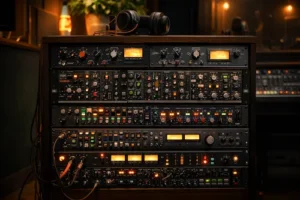 Mastering is often misunderstood as simple loudness enhancement. In reality, it is a precision stage designed to refine a finished stereo mix. It works best when the musical balance is already stable. If the vocal sits naturally above the instrumentation, if the acoustic guitar does not mask midrange clarity, and if the low frequencies feel controlled rather than muddy, mastering can elevate the track without altering its identity.
However, mastering cannot repair structural imbalances. If the vocal disappears when the chorus enters, if instruments compete for space, or if the bass overwhelms smaller speakers, the issue lies inside the mix. Phase inconsistencies, heavy distortion on the master bus, or drastic tonal shifts between listening systems are also signs that mixing adjustments are necessary before mastering begins.
For many Fort Worth singer-songwriters, the mistake is assuming that mastering will “fix” problems that originate in arrangement or balance. Mastering enhances. It does not rebuild.
The Three-System Translation Test
Before ordering mastering, evaluate your mix in three environments. This simple process reveals more than plug-in meters ever will.
Start with a phone speaker. If the vocal becomes thin or the guitar vanishes entirely, the midrange balance may need adjustment. Next, listen in a car. Car systems exaggerate low frequencies and expose muddiness quickly. If your mix feels heavy or undefined there, mastering alone will not solve it. Finally, use neutral headphones. Listen for harshness, excessive brightness, or fatigue after one minute of playback. A mix that holds together emotionally and tonally across these environments is usually ready for mastering. A mix that changes character dramatically between them requires deeper correction.
What Quick Mastering Actually Does
Professional mastering refines dynamics, enhances tonal balance, controls peaks, and prepares the file for distribution standards used by streaming platforms. It optimizes perceived loudness without crushing natural movement. It subtly adjusts stereo width when appropriate and ensures technical compliance for services like Spotify and Apple Music.
What it does not include is vocal tuning, instrument editing, or rebalancing individual tracks. Those tasks belong to mixing. Understanding this boundary protects expectations and ensures that mastering is used as a finishing stage rather than an emergency repair process.
Preparing Your Stereo Mix the Right Way
 A strong master begins with a clean export. Leaving adequate headroom allows the mastering stage to operate with precision rather than limitation. A stereo file should not be clipped or pushed aggressively through a limiter simply to make it sound louder during bounce. Excessive bus compression reduces the flexibility of the mastering stage and can permanently restrict dynamics.
Exporting a high-resolution file preserves detail. Rushed exports made late at night, especially in a home environment, often contain unnoticed distortion or unintended processing. Taking a few extra minutes to confirm levels and remove temporary mastering plug-ins significantly improves the final outcome.
Fort Worth’s independent scene thrives on authenticity, but authenticity does not mean technical compromise. Clean preparation is a form of professionalism.
Where Your Master Will Actually Be Heard
A finished master does not exist in isolation. It will likely be streamed through mobile devices, played in cars, submitted to local radio, or shared among songwriter communities before small venue showcases. Each environment emphasizes different frequency ranges and dynamic characteristics. A successful Fort Worth streaming release must sound consistent not only on major platforms, but also when shared inside the local music network that surrounds songwriter nights and small venue performances.
A master that sounds clear and emotionally present on streaming platforms must also survive smaller PA systems in local venues. Singer-songwriters performing at West 7th bars often discover that low-end inconsistencies become exaggerated in live playback. Translation consistency ensures that the recording supports the live performance rather than undermining it. Professional mastering focuses on that consistency.
Hear the Difference: Bedroom Demo vs. Professional Master
The difference between a home-recorded stereo mix and a professionally mastered track is often subtle in isolation — but significant in context. Mastering does not change your song. It enhances clarity, controls dynamics, refines tonal balance, and ensures consistent translation across streaming platforms and playback systems.
Below you can listen to a real-world comparison between a raw stereo mix recorded in a home studio and its professionally mastered version. Notice how the vocal sits more confidently, the low-end feels tighter, and the overall track maintains energy without losing natural dynamics. Use headphones first, then try your phone speaker. The goal is not loudness — it is consistency and emotional impact.
A Moment of Clarity Before Committing
If uncertainty remains about whether your mix is ready, starting with a free demo mastering of one track can provide objective insight. Hearing your recording professionally processed reveals whether tonal balance is already strong or whether deeper mixing adjustments are required first. This step offers clarity without pressure and helps independent artists make informed decisions before investing in a full project.
Speed and Professionalism
Fast mastering does not mean rushed mastering. It means organized workflow, clear communication, and focused processing. Clean mixes move efficiently through the mastering stage. Confusing exports slow it down. Structured service ensures predictable turnaround without sacrificing quality. For Fort Worth singer-songwriters preparing releases around local performances, reliability often matters as much as sonic improvement.
— See also: From Stage to Stream: A Fort Worth Night and the Hidden Art of Live Stem Export —
Why Acoustic Projects Require Subtlety
 Acoustic and vocal-centered songs, especially those rooted in Texas acoustic production traditions, are unforgiving. Small EQ shifts can alter emotional perception dramatically. Over-limiting can erase breath detail. Excessive stereo widening can weaken intimacy. Mastering in this context is protective rather than transformative. It preserves dynamics while enhancing clarity.
This sensitivity is particularly important in Fort Worth’s songwriter circles, where authenticity defines credibility. A polished yet emotionally honest master strengthens that credibility.
When It Is Time for Full Mixing
If your vocal level fluctuates unpredictably, if guitar layers mask clarity, or if your mix collapses on certain speakers, full mixing may be the correct step before mastering. Recognizing that early prevents paying twice. Professional evaluation helps determine the most efficient path forward.
A Local Example
A Near Southside songwriter recorded a simple acoustic demo in a small apartment studio. The vocal felt strong, the guitar balanced naturally, and no clipping occurred. After careful export with sufficient headroom, the track moved to mastering. The result retained intimacy while gaining clarity and streaming-level consistency. The song translated well during local performances and digital release without requiring full remixing. The difference was not complexity. It was preparation.
The track later resonated during local songwriter showcases, where translation and emotional clarity matter more than volume.
FAQ
Is online mastering enough for a bedroom recording?
– Yes, if the stereo mix is already balanced and free of distortion. Mastering refines and prepares the track for streaming but does not correct structural mix problems.
How do I know if my stereo mix is ready for mastering?
– If the vocal remains clear across different speakers and the low-end feels controlled without clipping, your mix is likely ready.
What file format should I send for mastering?
– A high-resolution stereo WAV file with sufficient headroom is ideal to preserve dynamic detail.
How loud should my mix be before mastering?
– Your mix should not be maximized. Leave headroom and avoid heavy limiting to allow proper dynamic control during mastering.
Can mastering fix balance problems?
– No. Mastering enhances an already balanced mix but cannot reposition instruments or correct arrangement issues.
How fast can online mastering be completed?
– Turnaround depends on workload and file quality, but structured workflow ensures efficient delivery without compromising sonic integrity.
Conclusion
 Fort Worth’s independent culture produces meaningful music in modest spaces. Bedroom recordings deserve the same technical care as larger productions. Mastering is the bridge between private creativity and public release. When used correctly, it enhances authenticity rather than replacing it.
Start with a free demo mastering to evaluate your track’s readiness, or order full online mastering for your Fort Worth release today. If your project requires deeper refinement, upgrade to complete mixing and mastering with AREFYEV Studio and ensure your music translates professionally across every listening environment.