How to Get on Spotify Playlists: What Actually Works (2026 Guide)
If you’re trying to figure out how to get on Spotify playlists, stop thinking in terms of promotion. Spotify doesn’t promote tracks — it filters them. Your job is to pass that filter.
That decision is based on three things: listener behavior, metadata accuracy, and audio quality. If one of these breaks, your track won’t scale.
Quick Answer: How to Get on Spotify Playlists
To get on Spotify playlists, you need a track that holds attention, accurate metadata, early submission through Spotify for Artists, and strong engagement signals (saves, replays, completion rate).
No engagement = no growth. It’s that simple.
How the Spotify Algorithm Decides What Gets Played
Spotify runs every release through a structured testing process.
Stage 1 — Release Radar (your existing audience)
Stage 2 — Algorithmic playlists (Discover Weekly, autoplay)
Stage 3 — Editorial playlists curated by Spotify
If your track underperforms at Stage 1, it won’t reach Stage 2.
“Spotify doesn’t push music. It scales what performs.”
Why Most Tracks Never Reach Spotify Playlists
Here’s where most artists get it wrong:
— listeners skip early (low completion rate)
— no saves or playlist adds
— vague or incorrect metadata
— weak release momentum
— non-competitive sound
If your track doesn’t hold attention in the first 20 seconds, Spotify won’t push it — period.
This is why most releases never make it into Discover Weekly or editorial playlists.
How to Submit Your Music to Spotify Playlists
Submitting your track through Spotify for Artists is required — but it’s not enough.
Here’s how to do it properly:
— submit at least 2–3 weeks before release
— select one track per release
— complete all metadata fields
— define genre, mood, and audience clearly
This is where Spotify decides how to categorize your track.
If you’re serious about learning how to get on Spotify playlists, this step is non-negotiable.
Metadata Strategy: The Hidden Ranking Factor
Metadata drives Spotify’s recommendation engine.
It tells the system:
— where your track belongs
— who should hear it
— what other tracks it relates to
Bad metadata = wrong audience = low retention.
And once retention drops, the algorithm stops distribution.
Step-by-Step: Spotify Playlist Strategy
1. Pick one high-retention track
Don’t dilute your release. Focus on your strongest record.
2. Match commercial sound quality
If your track sounds weaker than competing releases, it loses immediately.
3. Optimize metadata precisely
No guessing. Be specific.
4. Submit early
14–21 days before release is standard.
5. Drive external traffic
TikTok, YouTube, Instagram — they all feed Spotify signals.
6. Track listener behavior
Completion rate, saves, repeat listens.
Why Audio Quality Impacts Playlist Placement
Spotify is a competition for attention — and attention is lost fast.
If your track:
— feels quieter than others
— has poor balance
— creates listening fatigue
listeners skip.
And once they skip, your track stops growing.
This is where most artists lose momentum. They focus on promotion but ignore final audio quality.
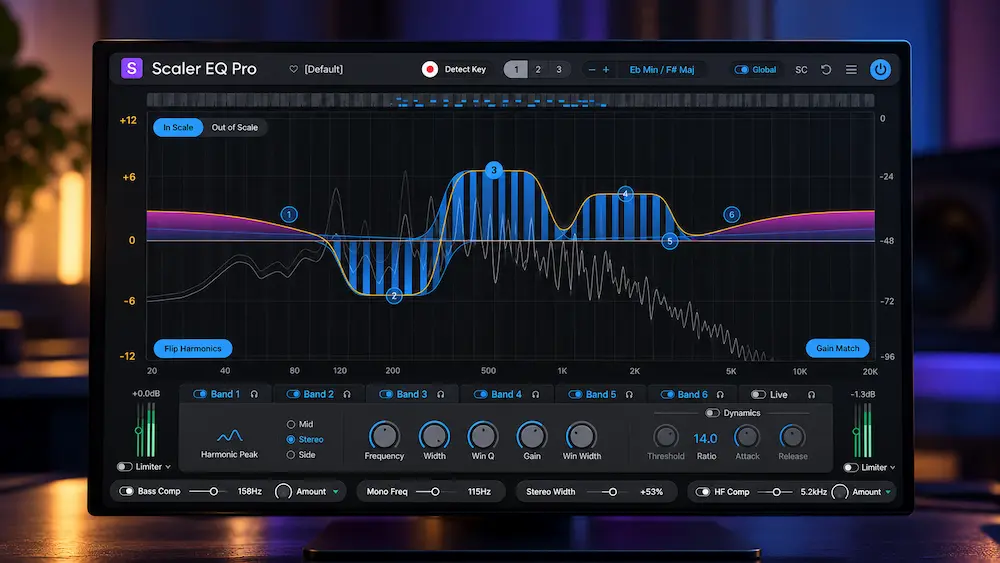
In practice, professional mastering and final track optimization directly improve listener retention and increase your chances of getting into Spotify playlists.
How Algorithmic Playlists Work (Discover Weekly & Release Radar)
Algorithmic playlists are driven by behavior, not marketing.
Spotify tracks:
— completion rate
— saves
— playlist adds
— repeat listens
Streams without engagement don’t matter.
No interaction = no algorithmic push.
Editorial Playlists: What Gets You In
Editorial playlists offer the biggest exposure — but entry is selective.
To qualify:
— your track must be submitted early
— metadata must be complete
— early listener response must be strong
“Editors don’t pick potential. They pick performance.”
Fast Checklist: Spotify Playlist Readiness
Before release, make sure:
— your track holds attention past 30 seconds
— metadata is accurate and specific
— submission is completed on time
— external traffic is prepared
— sound quality matches commercial releases
If one of these fails, playlist placement becomes unlikely.
FAQ: Spotify Playlist Strategy
How do you get on Spotify editorial playlists?
Submit your track through Spotify for Artists at least 2–3 weeks before release and ensure strong listener engagement after launch.
Can you pay to get on Spotify playlists?
No. Paid playlisting is unreliable and often ineffective. Spotify prioritizes organic listener behavior.
Why is my song not on Discover Weekly?
Low engagement signals (skips, no saves) prevent the algorithm from recommending your track.
How long does Spotify playlist submission take?
Editorial review happens around release time, but algorithmic results depend on listener behavior within the first days.
Final Take: What Actually Moves the Needle
To consistently get on Spotify playlists, you need:
— a track that holds attention
— precise metadata
— early submission strategy
— external audience signals
— competitive sound quality
Miss one, and the system breaks.
Spotify doesn’t promote average music. It filters it out.