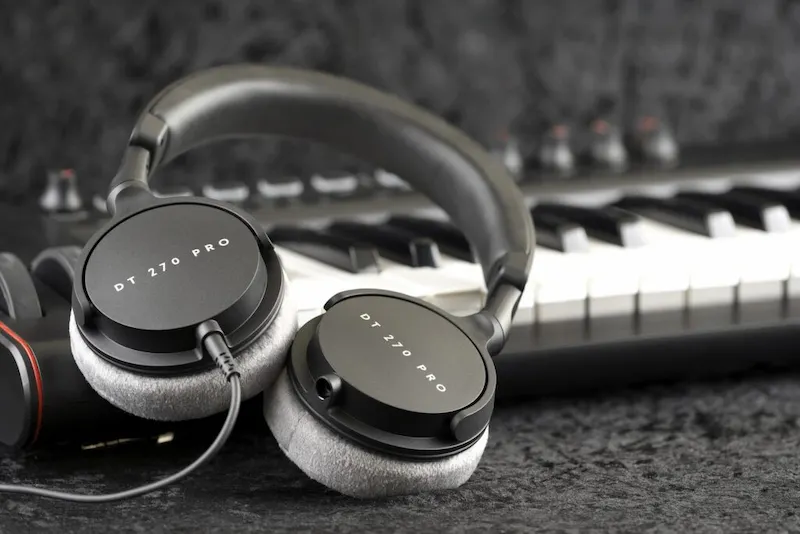
Beyerdynamic DT 270 PRO — The Problem No One Mentions
Beyerdynamic DT 270 PRO looks like a safe buy. Affordable, branded, labeled “PRO”. On paper, it checks every box for a beginner or intermediate producer.
In practice, it introduces a problem most users don’t catch until it’s too late: your mix stops translating.
This is not a standard Beyerdynamic DT 270 PRO review. This is about what actually happens when you rely on them.
Why Your Mix Sounds Fine — Until You Leave Your Headphones
You finish a track in Beyerdynamic DT 270 PRO. Everything feels balanced:
- kick is present
- bass feels controlled
- low-end sounds full
Then you play it in a car, on speakers, or even earbuds.
The low-end disappears. The track feels thin.
This is the core issue behind many searches like “why does my mix sound different on speakers” or “mixing in headphones problems”.
Beyerdynamic DT 270 PRO is part of that problem.
What Beyerdynamic DT 270 PRO Actually Does to Your Sound
The defining trait of Beyerdynamic DT 270 PRO is its low-frequency behavior.
Perception inside the headphones:
- enhanced bass weight
- smoother low-end
- clean but slightly softened transients
Reality outside the headphones:
- low-end is underrepresented
- sub frequencies collapse
- mix lacks foundation
Translation error:
You compensate for bass that isn’t actually there.
“DT 270 PRO doesn’t exaggerate in an obvious way — it shifts your decisions quietly.”
Should You Mix on Beyerdynamic DT 270 PRO
This is where most reviews fail. They say “yes, but with limitations.” That’s vague.
Here’s the real answer:
You can start a mix on Beyerdynamic DT 270 PRO. You should not finish one on them.
What works:
- arrangement
- midrange balance
- creative decisions
What fails:
- low-end accuracy
- final EQ decisions
- translation across systems
In professional workflows, headphones like Beyerdynamic DT 270 PRO are used as a reference point — not the main system. Final accuracy is achieved either on monitors or during precision mastering with controlled frequency balance, where these inconsistencies are exposed immediately.
Why Beginners Trust These Headphones — And Why That Backfires
Beyerdynamic DT 270 PRO creates a specific illusion:
- the mix feels finished earlier
- low-end feels “safe”
- harshness is reduced
This leads to a false sense of control.
That’s exactly why beginners overtrust them.
Search intent like “best budget studio headphones” often leads directly to models like this — but accuracy is not part of that equation.
Specs That Look Good — But Don’t Solve the Problem
Beyerdynamic DT 270 PRO specs:
- 45 ohms impedance
- 96 dB SPL sensitivity
- 5 Hz – 24 kHz range
None of these guarantee accurate monitoring.
Important detail: due to lower sensitivity, users push volume higher, which further alters perception — especially in low-end and dynamics.
DT 270 PRO vs Other Studio Headphones
DT 270 PRO vs DT 770 PRO
- DT 770 translates better
- DT 270 PRO is softer but less reliable
DT 270 PRO vs DT 700 PRO X
- 700 PRO X is closer to neutral
- 270 PRO is tuned for comfort, not accuracy
Conclusion: DT 270 PRO is not a reference tool — it’s a convenience tool.
Where Beyerdynamic DT 270 PRO Actually Works
Recording
Comfortable, non-fatiguing highs make them usable for long sessions.
Monitoring
Clear enough for tracking and playback.
Production
Good for sketching ideas and building arrangements.
Critical mixing and mastering
Not reliable.
Price vs Outcome
Beyerdynamic DT 270 PRO sits around $100.
At this level, you’re not buying accuracy — you’re buying access.
What you gain:
- comfort
- usability
- brand-level tuning
What you sacrifice:
- low-end precision
- mix translation
- decision reliability
Final Decision — Should You Buy Beyerdynamic DT 270 PRO
Buy them if:
- you need affordable headphones
- you record and produce
- you understand their limitations
Avoid relying on them if:
- you mix seriously
- you care about translation
- you master your own tracks
Final takeaway:
Beyerdynamic DT 270 PRO doesn’t ruin your sound directly — it shifts your decisions just enough to create problems later.