
How Professional Mixing Works: The Decisions Behind A Finished Record
At a professional level, mixing usually follows a predictable decision-making framework: Evaluation → Prioritization → Review → Refinement → Verification. The details change from song to song, but the underlying logic remains remarkably consistent.
Many artists imagine professional mixing as a series of technical moves applied to a session after recording is complete. The reality is less mechanical and far more dependent on judgment. Two engineers can receive the same project, listen through the same monitors, and have access to the same tools, yet arrive at noticeably different results. The difference rarely comes from equipment. It comes from the decisions being made throughout the project.
Professional mixing begins with evaluation. Before any adjustments are considered, the engineer needs to understand what the song is trying to communicate, where the listener's attention naturally goes, and which elements deserve priority. A dense arrangement may require a completely different strategy than a sparse acoustic production. A vocal-driven song creates different priorities than a track built around rhythm, atmosphere, or energy. The strongest mixes are not built by following identical steps. They are built by understanding what matters most in a specific song.
Why Professional Mixing Begins Long Before Any Processing Happens
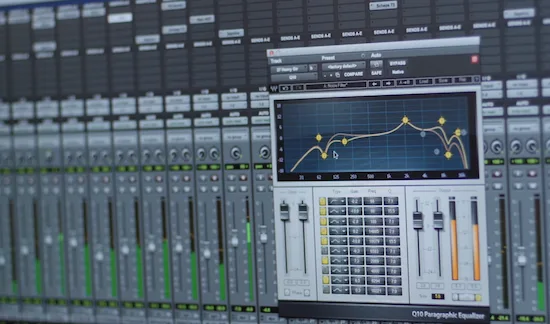 Many artists assume professional mixing begins when an engineer starts changing things. In reality, the most important part often happens before a single adjustment is made. The first listening session is not about action. It is about understanding. Before priorities can be established, the project has to be evaluated as a complete piece of music rather than a collection of tracks.
The initial review is often surprisingly revealing. Within the first few minutes, experienced engineers begin noticing patterns that may influence every decision that follows. Sometimes the strongest element is immediately obvious. A vocal may carry the emotional weight of the song. In another project, the arrangement itself may be creating the momentum. Occasionally the opposite happens. The most noticeable issue is not a sound at all but a conflict between important elements competing for attention at the same moment.
This stage requires observation rather than intervention. We regularly receive projects where artists expect immediate changes, yet the more valuable question is often what should remain untouched. Not every element needs additional attention. Not every concern requires correction. Understanding what already works is just as important as identifying areas that deserve further evaluation.
We occasionally spend an entire listening session discussing what should remain unchanged. Some of the strongest projects arrive with clear strengths that deserve protection rather than correction. Identifying those strengths early often prevents unnecessary decisions later in the process.
Professional listening also differs from casual listening because it focuses on perception. What will a first-time listener notice during the opening seconds of the song? Where does attention naturally move during the chorus? Which moments create emotional impact, and which moments feel less defined than intended? These observations establish the foundation for everything that follows. Without that foundation, decisions become reactive rather than purposeful.
A useful example appears in dense productions. Artists sometimes assume that complexity itself creates excitement. During the review stage, however, it may become clear that several important ideas are competing simultaneously. The challenge is not necessarily that something sounds wrong. The challenge is that too many things are trying to be important at the same time. Identifying those conflicts early often changes the entire direction of the project.
Experienced engineers are rarely the fastest to make changes. They are often the fastest to recognize what deserves attention and what does not. Experience develops the ability to separate symptoms from causes, priorities from distractions, and meaningful opportunities from unnecessary activity.
Professional decisions begin with evaluation because evaluation determines direction. Before a mix can move forward, someone must understand where the song already succeeds, where attention naturally goes, and which elements deserve priority. The quality of that understanding frequently influences the final result more than any individual action later in the process.
The First Question Is Not "What Needs Processing?" But "What Matters Most?"
Once a project has been evaluated, the next challenge is establishing priorities. This is where professional mixing often separates itself from purely technical thinking. Many people approach a song by looking for everything that could be improved. Experienced engineers tend to ask a different question first: what matters most?
That distinction changes the entire process. Every song contains dozens of details competing for attention. Some deserve to be noticed immediately. Others work best when they support the overall experience from the background. Professional mixing is largely the process of organizing those relationships so that listeners instinctively understand where their attention should go.
A common mistake is assuming every element deserves equal importance. In practice, that rarely creates a compelling listening experience. Most successful records guide attention deliberately. Sometimes the vocal becomes the center of gravity. Sometimes the rhythm section carries the energy. Sometimes a specific melodic phrase becomes the moment listeners remember long after the song ends. Determining those focal points is one of the most important decisions made during the project.
Consider what happens when priorities are unclear. A chorus may contain strong vocals, layered instrumentation, multiple supporting parts, and several interesting production ideas. If every element attempts to occupy the same space in the listener's attention, the result often feels crowded rather than powerful. Nothing is technically missing, yet nothing fully stands out either.
Professional engineers constantly evaluate attention. Where is the listener focusing now? Where should that focus move next? Does the arrangement support those transitions, or does it create unnecessary competition? These questions often influence the direction of the mix far more than people realize.
Prioritization also explains why professional projects rarely try to solve every issue simultaneously. Not all observations carry the same weight. Some directly affect how the song is experienced. Others have very little impact on the overall impression. Treating every concern as equally important can easily pull attention away from the decisions that matter most.
Quite often, clarity emerges not because more work is being done, but because priorities become easier to recognize. Once the most important elements have been identified, every subsequent decision gains context. The process becomes less about reacting to individual details and more about supporting the core purpose of the song.
Listener attention naturally follows hierarchy. The ability to recognize and shape that hierarchy is one of the defining characteristics of professional mixing.
How Mixing Engineers Identify Problems That Artists Often Miss
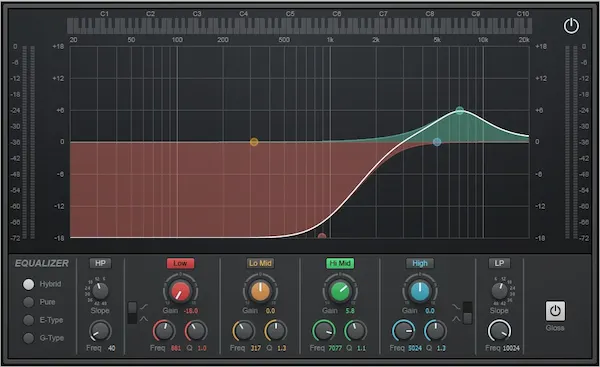 One of the less obvious advantages of professional mixing has nothing to do with technical knowledge. It comes from perspective. By the time a project reaches the mixing stage, artists and producers have often spent weeks or even months listening to the same material. They know every lyric, every transition, every arrangement choice, and every production detail. That familiarity is valuable during creation, but it can also make objective evaluation increasingly difficult.
The human brain adapts surprisingly fast. Repeated exposure changes perception. Elements that once felt distracting begin to feel normal. Decisions that were originally compromises start to sound intentional. Small conflicts become part of the expected listening experience simply because they have been heard so many times. What feels clear to the creator is not always experienced the same way by someone hearing the song for the first time.
This is why the first review from an experienced mixing engineer often reveals observations that surprise the artist. The engineer is not carrying months of creative history into the session. They are reacting to the record as a listener would. That perspective frequently exposes issues that have been hiding in plain sight.
In many projects, the challenge is not that individual elements sound bad. The challenge is that several important ideas are competing simultaneously. A vocal phrase may arrive at the exact moment a melodic instrument introduces its own key moment. A transition designed to increase energy may unintentionally pull attention away from the section that follows. None of these situations are necessarily technical problems. They are attention problems.
We regularly encounter arrangements where every individual decision appears reasonable when evaluated on its own. Yet when the entire song is heard from beginning to end, certain moments feel crowded, unclear, or less impactful than intended. The cause is often not the quality of any single element. It is the interaction between multiple elements attempting to occupy the same psychological space.
This is also why the concept of masking is frequently misunderstood. Many people think of masking as a purely technical issue. In practice, it is often a perception issue. Listeners have a limited ability to focus on multiple competing ideas at once. When two important moments arrive together, one can reduce the impact of the other even when both are technically audible. The result is not always a sound that feels wrong. More often, it is a moment that feels less effective than it could have been.
Objective listening helps uncover these situations because it removes expectation from the equation. An engineer is able to ask simple but powerful questions. Where does attention naturally go during the first chorus? Which moment feels most memorable after a complete listen? Is the emotional center of the song as clear as the artist intended? Questions like these often reveal opportunities that are difficult to recognize from inside the creative process itself.
Many of the observations discussed throughout our Mixing Problems Guide begin with this same principle. Problems are rarely identified because someone is looking for flaws. They are identified because objective listening reveals differences between what the creators intended listeners to experience and what listeners are actually experiencing.
Outside perspective creates advantages that are difficult to replicate from inside the production process. The engineer is not hearing the project through months of familiarity, expectations, or assumptions. They are hearing it as a complete piece of music. That fresh perspective often reveals important conflicts, missed opportunities, and listener reactions that familiarity can easily hide.
Why Professional Mixing Is More Than A Series Of Technical Adjustments
If you spend enough time around music production communities, you begin to notice a pattern. Conversations about mixing often revolve around tools. Which processor was used? Which settings created a certain sound? Which piece of equipment helped achieve a particular result? These discussions are understandable because tools are visible. They give people something concrete to point at. What receives far less attention is the thinking that happened before any of those choices were made.
Many artists imagine professional mixing as a process of applying solutions. The engineer receives the project, identifies technical issues, and starts making corrections. Real-world projects rarely unfold that way. Long before any action is taken, experienced engineers are evaluating priorities, relationships, and outcomes. They are trying to understand what the song needs to communicate and which elements are most important to that communication.
This distinction matters because actions and decisions are not the same thing. Actions are the visible part of the process. Decisions determine whether those actions are helpful. A technical move can appear perfectly reasonable when viewed on its own yet still push the song away from its intended direction. The quality of the result depends far less on the action itself and far more on the thinking that led to it.
A useful example is listener attention. Artists sometimes assume that improving a mix means making everything clearer, bigger, or more noticeable. In practice, those goals frequently compete with one another. If every element demands attention, the listener loses a clear sense of focus. Professional engineers spend a significant amount of time deciding where attention should go before deciding how to support that goal.
This is one reason identical tools do not create identical results. Two engineers can listen to the same song and hear different opportunities. One may believe the emotional center of the record lives inside the vocal performance. Another may hear the arrangement itself as the driving force behind the experience. The actions they take may look similar from the outside, but the decisions guiding them are completely different.
We occasionally receive projects where artists have spent considerable time experimenting with different approaches in search of a breakthrough. What is often missing is not effort. It is direction. More options do not automatically produce better outcomes. In some situations, additional choices can actually make it harder to recognize what deserves priority. The challenge becomes less about capability and more about judgment.
This explains why professional mixing cannot be reduced to a checklist of technical moves. Every project arrives with its own strengths, limitations, goals, and listening priorities. The engineer's role is not simply to perform actions. The role is to evaluate what matters, determine what supports the song, and make decisions that move the project toward a stronger listening experience.
Tools remain important. They allow decisions to be implemented. But they are not the source of those decisions. At a professional level, thoughtful judgment guides every stage of the process. The tools support the plan. They do not create it.
Common Assumptions About Mixing vs What Actually Happens
| Common Assumption | What Actually Happens |
|---|---|
| Engineers apply plugins | Engineers evaluate priorities |
| Mixing fixes everything | Mixing works within project limitations |
| Every song follows the same process | Every project develops differently |
| Technical knowledge guarantees results | Decision quality determines results |
| The loudest element wins attention | Listener focus is intentionally shaped |
Every strong mix starts with understanding the song
Professional mixing is not about applying the same approach to every project. It begins with evaluating priorities, identifying what deserves the listener’s attention, and understanding what the record is trying to communicate. The right decisions become easier when the goals of the song are clear from the start.
Professional evaluation. Clear priorities. Better mixing decisions.
Professional Mixing Process Overview
Although every project develops differently, most professional mixing work follows a similar decision-making framework. The exact actions may change from song to song, but the underlying sequence remains remarkably consistent.
| Stage | Primary Objective |
|---|---|
| Evaluation | Understand the song |
| Prioritization | Identify what matters most |
| Review | Find conflicts and opportunities |
| Decision Making | Support project goals |
| Refinement | Improve listener experience |
| Final Verification | Confirm consistency |
Professional mixing is not a collection of isolated actions. Evaluation creates understanding. Prioritization creates focus. Review reveals conflicts and opportunities. Decision-making supports the goals of the song. Refinement improves the listener experience. Verification confirms that the entire project continues working as intended. Each stage builds on the one before it, which is why professional mixing depends as much on decision order as decision quality.
A typical project moves through listening, evaluation, prioritization, implementation, review, and final verification. The exact workflow changes from song to song, but these stages form the foundation of most professional mixing projects.
In practice, these stages overlap constantly. Engineers often move back and forth between evaluation, review, and refinement as new observations emerge. The process is structured, but it is rarely linear. Each stage exists because it answers a different question. Evaluation asks what the song is trying to achieve. Prioritization determines what matters most. Review identifies conflicts. Refinement improves the listener experience. Final verification confirms that all of those decisions continue working together.
How A Mix Develops From Initial Review To Final Version
 One reason professional mixing is often misunderstood is that people tend to focus on the final version while overlooking everything that happened before it. A finished mix can feel inevitable once it is complete, as if the result simply appeared through a series of technical actions. In reality, strong mixes usually develop through multiple stages of evaluation, refinement, and changing priorities. The final version is rarely visible at the beginning of the process.
The first review establishes direction, not perfection. At that stage, the goal is to understand the project, identify the most important relationships within the song, and determine where attention should naturally go. Some decisions become obvious immediately. Others only reveal themselves after broader priorities have been established. Trying to finalize every detail too early often creates confusion because the context is still evolving.
This is why the earliest version of a mix is often less about completion and more about validating whether the initial understanding of the song was correct. It allows the engineer to test assumptions, evaluate how different elements interact, and determine whether the initial priorities truly support the song. Occasionally, what seemed important during the first listening session becomes less important once the larger picture starts to emerge. The opposite happens as well. Elements that initially appeared secondary sometimes prove essential to the listener's experience.
We regularly see projects where the biggest improvements are not the result of dramatic changes. Instead, they come from a gradual increase in clarity. A chorus feels more intentional. A transition carries more momentum. The emotional center of the song becomes easier to follow. None of these developments necessarily happen at once. They emerge as decisions begin supporting one another rather than competing with one another.
Another important factor is perspective. A mix heard today is not always perceived the same way tomorrow. Engineers frequently revisit decisions because fresh listening reveals new information. A section that felt perfectly balanced during one session may draw attention away from a more important moment when heard later with fresh ears. Professional mixing involves constant reassessment because perception itself is constantly changing.
The process also becomes more focused over time. Early observations often cover broad areas of the project. As the mix develops, attention shifts toward increasingly specific goals. The conversation moves from identifying major priorities to refining how those priorities are experienced by the listener. Each stage narrows the gap between intention and perception.
Across hundreds of commercial releases, the same tendency appears repeatedly in many successful projects. The strongest final versions rarely feel like completely different records. Instead, they feel like clearer versions of what was already present. The song's identity does not change. What changes is how effectively that identity reaches the listener. Good mixing rarely replaces the original vision. It helps reveal it.
This gradual evolution explains why professional mixing cannot be reduced to a single moment or a single decision. Every stage influences the next. New observations create new priorities. Refined priorities lead to more informed choices. Over time, the project becomes increasingly focused, increasingly coherent, and increasingly aligned with its intended purpose.
Strong mixes are built through a sequence of informed decisions because meaningful improvements rarely happen in isolation. They emerge when each decision supports the ones that came before it, allowing the record to develop naturally from an initial review into a finished listening experience.
Artists looking for a step-by-step introduction to music mixing can explore our guide on how to mix a song. This article focuses specifically on how professional engineers evaluate and develop commercial mixing projects.
Why Communication Influences Mixing Decisions Throughout The Process
It is easy to think of mixing as a purely audio-focused process. Files are exchanged, decisions are made, and the project gradually moves toward completion. In practice, however, some of the most important information never exists inside the session itself. It exists in conversations. Understanding what the artist wants listeners to feel, notice, remember, or focus on often shapes the direction of the mix long before specific decisions begin to take form.
A song can be approached from multiple valid perspectives. One artist may want intimacy and vulnerability to remain at the center of the experience. Another may care most about impact, energy, or momentum. Neither goal is inherently better than the other, but they lead to different priorities. Without a clear understanding of those priorities, even well-intentioned decisions can move the project away from its intended destination.
In practice communication plays such an important role throughout professional mixing. It provides context. Context helps transform observations into meaningful decisions. An engineer may identify several possible directions during the evaluation stage, but understanding the artist's expectations helps determine which direction best serves the project.
In many cases, feedback is not about identifying mistakes. It is about refining understanding. An artist might describe a chorus as feeling smaller than expected. Another might say a section loses energy despite nothing sounding technically wrong. These comments rarely function as technical instructions. Instead, they reveal how the music is being experienced. That information becomes extremely valuable because perception is ultimately what the listener will encounter as well.
One interesting pattern appears repeatedly in real-world projects. The most productive feedback often arrives when artists describe outcomes rather than solutions. Saying that a section feels less exciting than intended provides useful insight into the listening experience. It helps clarify the goal. Once the goal becomes clearer, better decisions become possible.
Communication also helps prevent assumptions from becoming obstacles. Engineers bring experience to every project, but experience alone cannot fully explain what a particular artist wants to achieve. A record designed to feel raw and immediate may require a different approach than one designed to feel polished and expansive. The difference is not necessarily visible during an initial listen. It often emerges through discussion and clarification.
As projects develop, priorities can become more refined. Certain moments reveal themselves as more important than originally expected. Listener reactions highlight opportunities that were not obvious at the beginning. New observations lead to new decisions. Communication allows those discoveries to become part of the process rather than remaining hidden until after release.
We have seen projects where only minor adjustments occurred between versions, yet the overall direction improved dramatically because the underlying goals became clearer. Once everyone involved shared the same understanding of what the song was trying to accomplish, decision-making became more focused and more consistent.
In some projects, a single conversation has changed the direction of the mix more than hours of additional work. Once the actual goal became clear, many earlier questions resolved themselves naturally.
At its core, mixing remains an interpretive process. The session contains audio, but the project contains intent. Communication bridges the gap between the two. When goals, expectations, and artistic priorities are clearly understood, decisions become easier to evaluate, easier to refine, and far more likely to support the experience the artist wants listeners to have.
Mixing decisions become stronger when goals are clearly understood because every decision gains context. Without that context, choices are isolated. With it, they become part of a coherent direction that guides the entire project from the first review to the final version.
Studio Observations: What Often Changes Between The First And Final Mix
One of the most interesting parts of professional mixing is that the biggest improvements are not always the ones people expect. Artists often assume the final version sounds better because specific problems were corrected along the way. Sometimes that is true. More often, however, the improvement comes from a deeper understanding of the project itself. As understanding evolves, decisions become more aligned with what the song is actually trying to achieve.
Across commercial projects, we rarely see dramatic improvements coming from a single breakthrough moment. More often, progress comes from identifying several smaller decisions that collectively change how listeners experience the record.
We see this pattern regularly. A project arrives with a clear vision, yet certain priorities remain undefined. Everyone involved knows the song should feel powerful, emotional, energetic, intimate, cinematic, or aggressive. The challenge is that those descriptions can mean very different things to different people. Early discussions frequently reveal that multiple interpretations exist simultaneously. As communication becomes more precise, the direction of the mix becomes more precise as well.
In commercial projects, one of the most common surprises is how often the original concern turns out not to be the real issue. Artists may arrive focused on clarity, balance, or impact, only for later reviews to reveal that listener attention, arrangement priorities, or communication of the song's main idea is the larger factor influencing perception.
Another common observation involves assumptions made during production. An artist may believe the vocal is the emotional center of the record because the lyrics carry personal meaning. During objective listening, however, it becomes apparent that listeners are responding most strongly to the arrangement, a melodic hook, or a specific transition. Nothing is necessarily wrong. The project simply communicates differently than originally expected. Recognizing that difference often influences the decisions that follow.
Hidden conflicts are another recurring theme. These conflicts are rarely obvious during months of production because familiarity changes perception. We frequently encounter songs where every individual part sounds effective on its own, yet certain moments feel less impactful when everything happens together. A chorus may lose momentum because too many important ideas arrive simultaneously. A transition may feel smaller than intended because listener attention is being divided between competing moments. The issue is not the quality of the elements themselves. It is how those elements interact within the larger experience.
One project might begin with extensive discussion about making the record feel larger. After several listening sessions, it becomes clear that scale was never the primary challenge. The real opportunity was improving focus. Another project may arrive with concerns about clarity, only for later evaluations to reveal that emotional communication is the more important issue. These shifts happen because the understanding of the song becomes more accurate over time.
Listener perception also changes the conversation. Creators naturally hear music through the context of how it was made. Outside listeners hear only the finished experience. The difference can be surprisingly significant. A section that feels perfectly balanced to the artist may feel secondary to a first-time listener. A moment intended to create tension may be interpreted as hesitation. Neither perspective is inherently correct or incorrect, but understanding the difference often leads to stronger decisions.
Clearer communication tends to accelerate this process. As artists become more specific about goals and reactions, discussions become more productive. Vague descriptions gradually turn into identifiable priorities. Expectations become easier to understand. Decision-making becomes more focused because everyone is moving toward the same destination rather than reacting to isolated details.
One pattern appears so consistently that it is difficult to ignore. The strongest final mixes rarely emerge because someone suddenly discovers a perfect solution. They emerge because the project itself becomes easier to understand. Priorities become clearer. Conflicts become more visible. Listener reactions become easier to predict. Communication becomes more precise.
The final result often improves because understanding improves. By the time a project reaches its finished form, the biggest difference is often not what changed in the song. The biggest difference is that everyone involved has a much clearer understanding of what the song was trying to accomplish from the beginning.
Why Professional Mixing Requires Constant Re-Evaluation
 A common misconception is that mixing moves forward in a straight line. An engineer identifies a problem, makes a decision, and then moves on to the next task. Real projects are rarely that predictable. Every meaningful decision changes the context around it, which means earlier conclusions often need to be revisited and evaluated again from a different perspective.
This happens because songs are not experienced as isolated elements. They are experienced as complete listening events. When one part of a record changes, the way surrounding sections are perceived can change as well. Something that felt perfectly balanced during an earlier stage may feel different once the broader picture evolves. The decision itself may still be correct, but its role within the song has changed.
The process therefore becomes a continuous cycle of observation and reassessment. Engineers do not simply evaluate a decision once and assume it will remain effective forever. They return to important moments repeatedly because listener perception is influenced by context. A section that works beautifully on its own may create a different impression when heard after a powerful chorus. A transition that initially feels subtle may become far more noticeable after surrounding priorities become clearer.
Fresh listening is an important part of this process. Human perception adapts quickly. The longer someone listens to the same material, the more likely certain details become normalized. Re-evaluation helps counteract that effect. Returning to a project with a fresh perspective often reveals observations that were invisible only hours earlier. Sometimes a decision becomes stronger. Sometimes new opportunities emerge. Occasionally, assumptions that felt obvious at the beginning no longer hold up under renewed scrutiny.
We regularly observe this during longer projects. Early evaluations often focus on broad priorities. As the mix develops, attention shifts toward how those priorities interact with one another. Decisions that originally seemed independent start revealing connections. Improving one area may change how another area is perceived. The song gradually becomes less about individual elements and more about the overall experience being created for the listener.
At the professional level, evaluation never truly stops because music is experienced through constantly changing context. Every decision influences the perception of other decisions. By continually revisiting priorities, relationships, and listener reactions, engineers ensure that the mix remains coherent, focused, and aligned with the goals of the project from beginning to end.
How Engineers Know A Decision Is Actually Improving The Song
One of the biggest misconceptions about professional mixing is the idea that improvement can be measured simply by making something louder, brighter, bigger, or more noticeable. Real projects are rarely that straightforward. A decision is only valuable if it helps the song communicate more effectively.
Professional engineers constantly evaluate results through listener perception. Does the most important part of the song receive the attention it deserves? Does the emotional impact feel stronger or weaker than before? Are transitions easier to follow? Is the listener more likely to stay engaged from beginning to end? These questions often reveal more than any technical measurement.
We occasionally compare two versions where the audible differences seem surprisingly small. Yet one version consistently holds attention longer, feels easier to follow, or creates a stronger emotional response. Those reactions often reveal more than the size of the individual changes.
Quite often, the best decisions make the song feel more natural rather than more dramatic. A chorus may feel more exciting without appearing significantly different on paper. A vocal may become easier to connect with emotionally even when no obvious change stands out during casual comparison. The improvement is measured through experience, not through the size of the adjustment itself.
For example, a chorus may feel larger without becoming louder. A vocal may become easier to follow without increasing its level. A transition may feel more energetic without adding new elements. These are the kinds of improvements engineers evaluate throughout a project.
We often revisit an important question throughout a project: does this decision help the record achieve its goal? If the answer becomes less clear, the decision deserves another evaluation. If the answer becomes more obvious, the project is usually moving in the right direction.
Professional mixing works because decisions are judged by their effect on the listener. The objective is not to create more activity inside the session. The objective is to create a stronger listening experience outside of it.
The Difference Between Following A Process And Following The Song
Most experienced engineers develop decision-making frameworks over time. Experience naturally creates habits, preferences, and ways of approaching projects. There is nothing wrong with that. The problem begins when the process becomes more important than the song itself. Music is too diverse, too unpredictable, and too dependent on context for every project to benefit from identical thinking.
One of the easiest traps in professional mixing is assuming that consistency comes from repetition. In reality, consistency often comes from adaptability. A song built around emotional storytelling presents different challenges than a record driven by rhythm and energy. A sparse arrangement asks different questions than a dense production. The goals may change. The listener's attention may change. The priorities almost certainly change.
This is why experienced engineers rarely begin by asking how they handled the last project. They begin by asking what makes the current project unique. Before meaningful decisions can be made, the song has to be understood on its own terms. Otherwise, the process starts dictating outcomes instead of supporting them.
We occasionally hear artists describe projects that felt as though they were being pushed through a predetermined system. The result may sound technically competent, yet something feels disconnected. The reason is often simple. The process remained fixed while the needs of the song required flexibility. A workflow can create efficiency, but efficiency alone does not guarantee relevance.
An interesting observation appears when comparing successful records across different genres. The surface characteristics may vary dramatically, yet the strongest projects tend to share one thing in common. Their decisions feel connected to the identity of the music itself. Listeners may not know why a record feels natural, but they recognize when choices support the song rather than compete with it.
This is where flexibility becomes valuable. Following the song sometimes means reevaluating assumptions. It may mean abandoning an idea that initially seemed promising. It may mean recognizing that an element believed to be important is actually secondary to the overall experience. These adjustments are not signs of inconsistency. They are signs that the process is responding to the project rather than forcing the project to conform to the process.
The strongest engineers often appear consistent from the outside because their results feel intentional. What is less visible is how much their thinking changes from one project to the next. The underlying principles remain stable, but the application evolves according to the needs of the music.
Following a process creates structure. Following the song creates relevance. Professional mixing works best when structure supports decision-making without restricting it. The song should determine the process, not the other way around. When that happens, decisions remain connected to the purpose of the record rather than the habits of the person working on it.
Why The Order Of Decisions Matters
Looking back at the entire process, a common theme appears again and again. Professional mixing is not defined by individual actions. It is defined by the sequence of decisions that shape the project over time. Evaluation comes before prioritization. Prioritization guides review. Review creates better understanding. Better understanding leads to stronger decisions.
This order matters because every decision creates context for the next one. It is difficult to determine what deserves attention before understanding the song as a whole. It is difficult to refine details before establishing priorities. It is difficult to evaluate results without considering how listeners are likely to experience the record from beginning to end.
One reason professional mixing can appear deceptively simple from the outside is that listeners hear only the finished result. They do not hear the observations that shaped the direction of the project. They do not hear the assumptions that were tested, the priorities that changed, or the moments where a clearer understanding of the song altered the path forward.
Major breakthroughs are less common than people assume. Most successful mixes improve through a series of smaller decisions that gradually reinforce one another. More often, they develop because a series of connected decisions gradually reinforce one another. Each choice builds on previous observations. Each review creates additional clarity. Each stage moves the project closer to the experience the music is intended to create.
Professional mixing works because decisions are made in the right order. When evaluation, priorities, communication, review, and perspective work together, the process becomes less about changing a song and more about helping its strongest qualities reach the listener as clearly as possible.
The Best Mixes Are Built Through Better Decisions, Not More Processing
After looking at how professional mixing develops from the first review to the final version, one conclusion becomes difficult to ignore. The quality of a mix is rarely determined by how much activity takes place inside the project. It is determined by whether the right decisions are being made at the right time.
Every project begins with evaluation because every project arrives with a different set of strengths, limitations, and priorities. Before meaningful progress can happen, someone has to understand what the song is trying to communicate and how listeners are likely to experience it. Without that foundation, even well-intentioned decisions can pull attention away from what matters most.
Prioritization follows naturally from that evaluation. Not every observation deserves the same level of attention. Not every detail influences the listener's experience equally. Strong mixes emerge when important decisions are identified early and allowed to guide everything that follows. The goal is not to improve every element independently. The goal is to strengthen the overall experience of the song.
Problem identification also becomes more effective when viewed through this lens. Many of the issues discovered during professional review are not obvious technical flaws. They are conflicts of attention, unclear priorities, unexpected listener reactions, or moments where perception differs from intention. Recognizing those situations requires perspective more than procedure.
Communication strengthens the process because it provides context for decision-making. Artists understand the vision behind a project. Engineers provide objective evaluation. As those perspectives come together, priorities become clearer and decisions become easier to assess. The strongest outcomes often appear when everyone involved develops a shared understanding of what the record is trying to achieve.
Review remains equally important throughout the project. Every decision changes the context around it. New observations emerge. Priorities evolve. Assumptions are tested. Re-evaluation ensures that earlier choices continue supporting the direction of the song rather than becoming disconnected from it. This constant feedback loop is one of the reasons professional mixing feels more deliberate than simply applying a series of actions.
Perhaps the most valuable contribution is perspective itself. Artists naturally hear music through familiarity. Engineers approach the project from a different listening position. That distance helps reveal opportunities, conflicts, and listener reactions that may be difficult to recognize after months of working on the same material. Fresh perspective often creates clarity where familiarity creates blind spots.
The result is a process built around understanding rather than repetition. Every project develops differently because every song communicates differently. The most effective decisions are the ones that support the specific goals of a specific record, not the ones that follow a predetermined formula.
This is why professional mixing is less about using tools and more about making the right decisions in the right order. Good decisions rarely happen in isolation. Many successful projects usually begin with a clear understanding of the song, followed by realistic priorities, open communication, objective review, and repeated evaluation. Together, these factors help engineers make decisions that support the record instead of competing with it.
For artists preparing a release, understanding this distinction changes the conversation entirely. Professional mixing is not simply about changing sounds. It is about improving the listening experience through informed decision-making. That same philosophy guides every project we handle through our professional Mixing and Mastering service, where the goal is not to follow a formula, but to help each record reach its full potential on its own terms.
Great mixes are built through better decisions, not more processing
Many successful records rarely improve because more actions are taken. They improve because the right priorities are identified, the right problems are evaluated, and the right decisions are made at the right stage of the project. Every song requires its own direction, goals, and listening perspective.
Professional evaluation. Clear priorities. Real-world mixing experience.
Frequently Asked Questions About Professional Mixing
How does professional mixing actually work?
Professional mixing begins with evaluation rather than immediate changes. An engineer reviews the song, identifies priorities, evaluates how listeners are likely to experience the record, and develops a strategy based on the project's goals. The process continues through review, refinement, communication, and ongoing reassessment until the mix supports the intended listening experience.
What happens before a mixing engineer starts making changes?
Before any meaningful decisions are made, the project is carefully evaluated. Engineers listen for strengths, weaknesses, attention conflicts, arrangement relationships, and overall direction. The goal is to understand what the song is trying to communicate before determining how to support that objective.
How do mixing engineers identify priorities in a song?
Engineers focus on listener attention. They evaluate which elements carry the emotional, musical, or structural importance of the record and determine where listeners are naturally drawn throughout the song. Those priorities help guide the decisions that follow.
Why do professional mixes take multiple revisions?
A mix develops over time because perception changes as decisions accumulate. New observations emerge, priorities become clearer, and fresh listening often reveals opportunities that were not obvious during earlier stages. Revisions help ensure the project continues moving in the right direction.
How does communication affect the mixing process?
Communication provides context. Engineers can evaluate a song objectively, but understanding the artist's goals, expectations, and creative intent helps determine which decisions best support the project. Clear communication often leads to stronger and more consistent outcomes.
What kinds of problems are usually discovered during mix review?
Many issues involve perception rather than obvious technical flaws. Engineers frequently identify competing focal points, unclear priorities, arrangement conflicts, inconsistent listener attention, and moments where the intended emotional impact differs from the actual listening experience.
Why do different songs require different mixing approaches?
Every project has unique goals, arrangements, strengths, and challenges. A decision that benefits one song may be unnecessary or counterproductive in another. Professional mixing adapts to the needs of the music rather than applying the same process to every project.
What makes professional mixing different from simply using plugins?
Tools can help implement decisions, but they do not determine which decisions should be made. Professional mixing is primarily a process of evaluation, prioritization, perspective, and judgment. The value comes from understanding what the song needs and making informed decisions that improve the listener's experience.