
Dolby Atmos Mastering — Why a Finished Atmos Mix Still Needs Final Release Verification
It is easy to assume the work is finished once a Dolby Atmos mix has been approved. The objects are placed, the space feels immersive, and everything sounds impressive inside the studio. Yet release day often tells a different story. The same Atmos project may behave one way through a full home theater system, another way through a soundbar, and something entirely different when streamed on Apple Music, AirPods, or headphones.
That is where Dolby Atmos mastering becomes important. Atmos mixing creates the immersive experience. Atmos mastering verifies that the experience survives outside the room where it was created. The goal is not to rebuild the mix, but to reduce playback uncertainty before release.
Why Dolby Atmos Playback Is Different From Stereo Playback
 One of the biggest misconceptions about Dolby Atmos is the assumption that every listener hears the same version of the mix. That is largely true with stereo. Whether someone plays a song through studio monitors, earbuds, a car audio system, or a Bluetooth speaker, the stereo file itself remains the same. Playback quality changes, but the underlying presentation does not.
Dolby Atmos works differently. Most listeners never hear the Atmos mix exactly as it existed inside the production room. Instead, the playback system interprets the Atmos information and generates its own version of the experience. In practical terms, that means the same release can feel surprisingly different depending on how and where it is being played.
Unlike stereo, Atmos playback is influenced by the system reproducing it. The same release may be experienced through speaker-based Atmos playback, virtualized soundbars, or headphone rendering, each introducing its own interpretation of the immersive presentation.
The result is that there is no single Atmos playback reality. A vocal that feels perfectly centered in a calibrated Atmos room may appear closer, wider, or more distant once rendered for headphones. Certain ambient elements can become more noticeable on one playback system and less noticeable on another. Even the perceived size of the immersive field may change depending on the renderer making playback decisions.
This is one reason immersive releases require a different level of evaluation before distribution. The challenge is not simply creating an engaging Atmos environment. The challenge is understanding how that environment behaves when interpreted by different playback ecosystems.
The most important takeaway is simple. Most listeners do not hear the Atmos mix directly. They hear the version created by the playback system in front of them. Understanding that difference is essential before an Atmos release moves into the real world.
Why a Great Atmos Mix Can Still Fall Apart After Release
A Dolby Atmos mix can sound exceptional inside the room where it was created and still produce unexpected results once it reaches listeners. That is not necessarily a sign of poor engineering. It is often a consequence of how immersive content is reproduced across different playback environments.
One common issue involves object behavior. In an Atmos session, elements are not always locked into fixed channels the way they are in stereo. Objects move through a three-dimensional space and are interpreted by playback systems during reproduction. In a properly calibrated studio, those movements may feel natural and intentional. On a different playback system, however, the same objects can appear less focused, less dramatic, or occasionally more distracting than intended.
Spatial balance can also shift. Imagine a track where background textures are designed to wrap around the listener while the lead vocal remains clearly anchored at the center. Inside the Atmos room, that relationship may feel perfectly balanced. Yet after rendering, some listeners may perceive the surrounding elements as more dominant than expected. Others may experience a narrower immersive field altogether. The emotional impact of the mix changes even though the source session has not changed.
Vocals present another challenge. Because the human ear naturally locks onto voices, even subtle positioning differences can affect how a song feels. A vocal that appears stable and forward in one Atmos environment can seem slightly recessed or detached in another. Most casual listeners cannot explain why something feels different. They simply notice that the song no longer connects with them in the same way.
Low-frequency content introduces its own set of risks. Bass information often behaves differently across Atmos playback systems, particularly when virtualization technologies are involved. The low end may feel controlled and powerful in a full Atmos monitoring room, then become less defined or less impactful on consumer playback devices. This does not mean the bass disappears. It means the perceived weight, depth, and energy of the low end can change dramatically.
In Atmos review sessions, we occasionally encounter projects where the immersive presentation feels larger than life inside the production room but noticeably smaller once rendered through everyday listening systems. Nothing is technically wrong with the mix. The challenge is that playback translation often changes faster than most artists expect.
In some cases, the difference is obvious within seconds. A chorus that felt expansive during approval suddenly feels narrower through consumer headphones, even though the mix itself has not changed. The playback environment changed, and listener perception changed with it.
A recurring pattern in Atmos review work is that translation issues rarely appear dramatic. Most projects already sound professional. The problems are usually smaller: a vocal that feels slightly less stable on headphones, a chorus that feels narrower than expected, or immersive elements that attract more attention than intended. Individually these differences seem minor, but together they can noticeably change how the release is experienced outside the studio.
In more severe cases, the entire immersive illusion begins to collapse. The sense of space that made the Atmos mix exciting in the studio becomes less convincing once rendered through everyday listening systems. Elements that were intended to create depth can feel disconnected. Motion becomes harder to perceive. The release still plays correctly, but the immersive experience loses some of the qualities that made it special.
For that reason, approval inside an Atmos studio should never be treated as the final checkpoint. Real-world playback introduces variables that cannot be ignored. Before release, many artists and producers benefit from an objective evaluation process that focuses on translation rather than creation. Our mastering feedback service often reveals issues that only become apparent once a project is viewed from the perspective of actual listener playback rather than the controlled conditions of the production environment.
One recurring observation is that translation issues are rarely dramatic. More often, the release simply feels slightly less immersive, less focused, or less emotionally engaging on consumer playback systems than it did during studio approval.
A successful Atmos release is not defined by how impressive it sounds in the studio. It is defined by how consistently that experience survives when the music leaves the studio behind.
Dolby Atmos Mastering vs Dolby Atmos Mixing
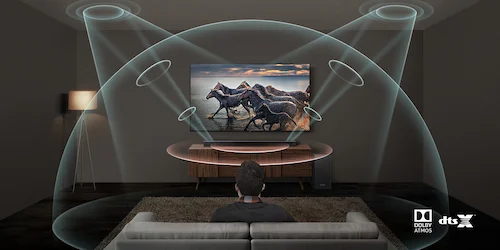 The terms are often used together, and that creates confusion. Many artists assume Dolby Atmos mastering is simply an extension of Dolby Atmos mixing or a final polish applied after the immersive mix is finished. In reality, the two stages serve different purposes and answer different questions.
Dolby Atmos mixing is focused on construction. The goal is to create the immersive environment itself. Decisions are made about object placement, movement, depth, width, height, and the overall emotional experience of the record. During mixing, the creative question is straightforward: how should the listener experience this song in three-dimensional space?
Dolby Atmos mastering approaches the project from a different angle. The immersive environment already exists. The creative vision has already been approved. At that point, the primary concern becomes reliability. Will the release behave as expected when it leaves the controlled studio environment and reaches real listeners using a wide range of playback systems?
That distinction changes the decision-making process. An Atmos mix engineer may spend hours refining the position of a vocal, adjusting the movement of a synth element, or shaping how a chorus expands around the listener. Atmos mastering focuses on evaluating the outcome of those decisions rather than creating them. The emphasis shifts from building the experience to verifying the experience.
The risks are different as well. During mixing, the risk is that the immersive presentation may not achieve the intended artistic result. During mastering, the risk is that a successful studio presentation may not translate consistently outside the studio. A project can be creatively excellent while still facing playback inconsistencies once it reaches headphones, soundbars, home theater systems, and other Atmos-compatible devices.
This is why Atmos mastering should not be viewed as a second mix. It functions more like a final release review designed to verify how the approved Atmos experience translates once listeners begin hearing it on real-world playback systems. The objective is to reduce uncertainty before distribution and increase confidence that the approved Atmos experience remains intact across the environments where people actually consume music.
For readers exploring traditional production workflows, our guide on mixing vs mastering explains how those roles differ outside immersive audio projects.
| Dolby Atmos Mixing | Dolby Atmos Mastering |
|---|---|
| Builds the immersive listening experience | Verifies that the immersive experience translates reliably outside the studio |
| Focused on creative decisions and spatial design | Focused on release readiness and playback consistency |
| Determines object placement, movement, depth, and width | Evaluates how those decisions behave across different Atmos playback systems |
| Answers the question: “How should this song feel?” | Answers the question: “Will listeners experience it as intended?” |
| Works inside the production environment | Examines performance beyond the production environment |
| Primary risk: creative goals are not fully achieved | Primary risk: approved mixes translate inconsistently after release |
| Ends when the immersive mix is approved | Ends when the Atmos release is ready for distribution |
Binaural Rendering Is Where Many Atmos Releases Fail
When people imagine Dolby Atmos playback, they often picture a dedicated room filled with speakers. In reality, that is not how most listeners experience Atmos music. The overwhelming majority of streams happen through headphones, earbuds, and wireless devices such as AirPods. That changes the conversation entirely.
A listener using headphones is not hearing the Atmos mix in the same way it was monitored inside an Atmos studio. Instead, the playback system uses binaural rendering to create the illusion of space around the listener. Rather than relying on physical speakers positioned throughout a room, binaural technology attempts to simulate immersive placement through two small drivers located just millimeters from the ears.
This is where many otherwise excellent Atmos releases begin to encounter problems. A mix may feel open, balanced, and highly immersive when reproduced through a full speaker-based Atmos environment. Once the same project is rendered binaurally, some of those spatial relationships can change. Elements that felt naturally positioned around the listener may appear closer than expected. Others may lose definition or blend together in ways that were never intended during production.
Object translation becomes particularly important. In Atmos, sounds can exist as individual objects moving through three-dimensional space. Their perceived position is influenced by how the playback system interprets the available metadata. A carefully placed vocal effect, percussion hit, or ambient texture may create a convincing sense of movement in the studio, yet produce a noticeably different impression once processed for headphone listening.
The differences are not always dramatic. In fact, the most problematic cases are often subtle. A lead vocal feels slightly less anchored. The sense of depth narrows during a chorus. Background elements become more noticeable than intended. A listener may never identify the exact cause, but the emotional impact of the record changes. The immersive presentation no longer feels quite as coherent as it did during approval.
In practical review sessions, one of the most common findings involves vocal stability. A mix that feels perfectly centered in a calibrated Atmos room can become noticeably less focused when auditioned through consumer headphones. The issue is rarely severe enough to trigger technical concerns, but it can change how listeners connect with the performance.
One recurring pattern is that artists rarely identify these differences during production because they spend weeks or months listening inside the same Atmos environment. Fresh playback evaluation often exposes translation behavior that has effectively become invisible through familiarity.
We often see projects where the creative team becomes completely comfortable with a particular Atmos presentation simply because they have lived with it for months. The first independent playback review can expose issues that nobody questioned during production.
This becomes increasingly important because headphone-based listening now represents a massive portion of Atmos consumption. Many artists spend months refining immersive productions while only a small percentage of their audience will ever hear those mixes through a full Atmos speaker system. Most people encounter the release through binaural rendering, often on consumer devices in less-than-ideal listening environments.
For that reason, successful Dolby Atmos mastering goes beyond checking whether an Atmos file technically functions. It involves evaluating how the immersive experience translates when rendered for the playback methods listeners actually use. A release that performs consistently through headphones, AirPods, soundbars, and speaker systems is far more likely to preserve its creative intent after launch.
This is also why Atmos delivery cannot be separated from platform behavior. Modern releases rarely exist in a single listening environment. Dolby Atmos makes that reality even more complex because playback systems actively participate in shaping what the listener ultimately hears.
The uncomfortable truth is simple: many Atmos releases are never judged by the systems they were mixed on. They are judged by headphones. Any Atmos project that ignores that fact is accepting unnecessary release risk.
Not Sure How Your Atmos Mix Will Translate Outside the Studio?
An Atmos mix can sound incredible in a calibrated room and still behave differently once it reaches headphones, AirPods, soundbars, and consumer playback systems. Before you release your project, let our engineers evaluate how it translates in the real world. We offer a free demo mastering preview of up to 35 seconds, performed by a real mastering engineer—not automated software. No obligation. No pressure. Just an opportunity to hear how your Atmos release performs before it reaches your audience.
Up to 35 seconds mastered by an engineer. Fast turnaround. Trusted by artists worldwide.
Why Dolby Atmos Mastering Matters Before Distribution
 Releasing a Dolby Atmos project today is very different from delivering a traditional stereo master a decade ago. Once a release leaves the production environment, it immediately becomes part of a playback environment that the artist and producer no longer control. Different devices, listening habits, room conditions, and rendering methods all begin influencing how the music is experienced.
That reality makes release preparation more important than many artists initially realize. An Atmos mix may sound exactly as intended during final approval, yet Atmos playback behavior can change significantly once different playback systems begin interpreting the immersive presentation. The question is no longer whether the mix sounds good. What matters is whether the listening experience remains consistent across the environments where audiences actually consume music.
This is particularly relevant because immersive listeners often pay closer attention to spatial detail, movement, and depth than listeners consuming traditional stereo releases. Someone choosing the Atmos version of an album is usually paying closer attention to depth, movement, spatial detail, and immersion. Small translation issues that might go unnoticed in a casual stereo stream often become much easier to notice within an immersive presentation.
Atmos mastering helps reduce uncertainty before distribution. Instead of treating delivery as a simple export process, it creates an opportunity to evaluate how the release behaves beyond the production room. Does the spatial presentation remain stable? Does the center image feel convincing? Does the immersive environment support the song rather than distract from it? These questions become increasingly important as immersive music becomes more common across services that support Atmos playback.
Another factor is long-term confidence. Once a release is distributed, changing it can become far more complicated than addressing potential issues beforehand. Labels, independent artists, and producers are often investing significant time and resources into immersive releases. The cost of discovering translation problems after launch is usually much higher than identifying them during the final evaluation stage.
Viewed from a release perspective, Atmos mastering functions as a playback-validation process designed to verify how immersive experiences survive outside the production environment. Rather than making the release more immersive, the process helps reduce the risk of discovering important playback differences only after distribution.
For many projects, Atmos mastering functions as the final immersive playback review before release. Delivery is only part of the process. What matters is understanding how the approved Atmos presentation behaves once consumer playback systems begin interpreting it.
A successful release is not simply one that reaches distribution. It is one that preserves the intended immersive experience after listeners begin interacting with it.
Many Atmos releases move directly from mix approval to distribution because the creative work feels complete. The challenge is that creative approval and playback validation are not the same thing. Atmos mixing confirms artistic intent. Atmos mastering evaluates how that intent survives once the release reaches real-world playback systems.
When Is Dedicated Dolby Atmos Mastering Worth It?
Not every Atmos project carries the same level of risk. A demo created for internal review has very different requirements than a commercial release scheduled for distribution across major streaming platforms. The value of dedicated Dolby Atmos mastering generally increases as the importance of the release increases.
For independent artists, the decision often comes down to expectations. If Atmos is being explored as an experiment or a learning exercise, a separate mastering stage may feel less critical. On the other hand, if the release represents months of production work, marketing preparation, playlist pitching, or a major launch campaign, the stakes change. At that point, reducing playback uncertainty becomes a practical consideration rather than a technical luxury.
Labels face a similar calculation. Once a project enters a professional release schedule, every stage of production becomes part of a larger investment. Artwork has been approved. Distribution has been arranged. Promotional activity may already be underway. Discovering translation issues after launch is rarely the outcome anyone wants. Atmos mastering provides an additional layer of confidence before the project reaches listeners.
By the time an Atmos mix reaches final approval, significant creative and financial resources have already been invested. Atmos mastering helps protect that investment by reducing the risk that translation issues become visible only after distribution.
The scope of the release matters as well. A standalone single often presents fewer variables because the listener evaluates one song in isolation. Even then, maintaining a stable immersive experience across playback systems remains important. Artists preparing a single release typically focus on making sure the first impression survives outside the studio environment.
As projects become larger, the benefits of Atmos mastering become easier to justify. An EP release introduces consistency considerations between multiple tracks. Large-scale album projects introduce even greater consistency challenges, particularly when immersive presentation must remain coherent across an extended listening experience. A listener moving from track to track should not feel that the spatial presentation suddenly changes in unexpected ways.
Ultimately, the question is not whether Atmos mastering is mandatory. The more useful question is this: how much depends on the success of the release? For artists and labels investing significant creative, promotional, and production resources into an Atmos project, an additional verification stage often becomes easier to justify than the risk of releasing without one.
In practical terms, the larger the release investment, the greater the value of Atmos mastering. Atmos mastering exists to protect the listening experience that audiences ultimately judge.
What Atmos Mastering Actually Evaluates Before Release
One reason Dolby Atmos mastering is often misunderstood is that people assume it revolves around processing. In practice, the most valuable part of the process is evaluation. Before a release reaches streaming platforms, the focus shifts from creating the immersive experience to verifying that the experience remains consistent under real-world listening conditions.
In most Atmos reviews, translation becomes one of the first concerns because the audience will never hear the project under the same conditions in which it was approved. An Atmos project may perform beautifully inside the room where it was mixed, but the audience will encounter it through many different playback environments. The real question is whether the emotional impact survives those transitions. Does the song still feel immersive? Does the song continue to hold attention? Does the spatial presentation support the music rather than distract from it?
Spatial consistency is equally important. Atmos mixes often contain moments where movement, depth, and positioning contribute directly to the storytelling of the record. Those relationships should remain believable regardless of how the project is rendered. If the perceived size of the soundstage changes dramatically between playback systems, the immersive presentation can become unpredictable.
Object behavior receives close attention as well. Individual objects may interact with playback environments in ways that are difficult to predict during production. A subtle ambient layer that enhances depth in one system may become more noticeable in another. A supporting element designed to sit comfortably behind the lead vocal may suddenly compete for attention. Minor differences are expected. What matters is whether those differences remain small enough to preserve the intended listening experience.
In some reviews, the difference is noticeable within seconds. A supporting element that feels perfectly integrated in the Atmos room may immediately draw attention to itself when rendered through consumer playback systems.
Vocal focus is another critical consideration. Most listeners naturally connect with the vocal first. If the center image feels unstable or inconsistent across playback systems, the entire presentation can suffer. Even small shifts in perceived vocal placement may affect clarity, emotional connection, and listener confidence in the mix.
In review sessions, vocal placement issues are often discovered long after the mix has been approved. The vocal may feel perfectly integrated inside the production room yet become slightly less stable once rendered across different playback environments. Small shifts like these rarely create technical failures, but they can influence how listeners connect with the song.
Atmos mastering also evaluates immersion stability over time. It is one thing for a spectacular chorus moment to impress a listener. It is another for an entire song, EP, or album to maintain a convincing immersive experience from beginning to end. Long-form listening often reveals issues that are not immediately obvious during short demonstrations.
Ultimately, every evaluation leads back to a single question: what will people actually hear once the release leaves the studio? Technical success alone is not enough. An Atmos release can pass every delivery requirement and still fail to connect if the immersive presentation becomes inconsistent once it leaves the studio. The audience never hears metadata, routing decisions, or production workflows. They hear the final release.
This becomes especially important in complex immersive productions where listener perception can change significantly between playback environments. Regardless of production workflow, the objective remains the same: preserving the intended Atmos experience before the release reaches listeners.
Viewed through that lens, Atmos mastering functions as immersive playback validation before release. Its role is not to reinvent the mix. Its role is to verify that the release is ready for the audience that will ultimately judge it.
A successful Atmos master is not defined by how dramatic the immersive effects feel in the studio. Success is measured by consistency. The vocal remains stable, spatial relationships remain believable, and the immersive presentation supports the music regardless of whether the listener uses headphones, a soundbar, or a dedicated Atmos system.
What Can Go Wrong If Atmos Mastering Is Skipped?
Many Atmos releases never encounter obvious technical failures. The file delivers correctly, playback works, and distribution proceeds without issue. That is exactly why some problems remain unnoticed until real listeners begin interacting with the music.
Headphone translation is one of the most common examples. A mix that feels immersive and balanced inside a calibrated Atmos room may behave differently when experienced through consumer headphones or AirPods. Certain elements can become more prominent than intended, while others lose some of the depth and separation that originally made the mix feel engaging.
Vocal stability can also change. In Atmos production, listeners rely heavily on the vocal to maintain orientation within the immersive space. If the vocal image becomes less focused across different playback environments, the entire presentation can feel less connected. Nothing may appear technically wrong, yet the emotional impact of the record can be reduced.
Spatial consistency presents another risk. A chorus that feels expansive on one playback system may feel noticeably smaller on another. Background elements may attract more attention than intended. The immersive field can become less predictable, creating a different listening experience depending on the device being used.
For example, a chorus that feels wide and immersive during approval may appear noticeably smaller once rendered through consumer headphones. The mix itself has not changed. The listener's playback environment has.
These issues rarely generate support tickets or platform warnings. Instead, they influence listener perception. A release that sounded impressive during approval may simply feel less convincing after launch. That is precisely where Atmos mastering provides value. It helps identify translation risks before they become public-facing problems and while meaningful adjustments are still possible.
That is precisely what makes them dangerous. Most Atmos translation problems are not technical failures. They are perception problems. Listeners simply engage less with the release without ever knowing why.
We occasionally review Atmos projects that technically meet delivery requirements yet produce noticeably different impressions across consumer playback environments. In most cases, nobody involved in production recognized the issue until independent evaluation exposed it. For commercial releases, the real cost is rarely a technical failure. The greater risk is discovering after launch that listeners are experiencing a weaker version of the immersive presentation than the one approved during production.
What Happens During a Dolby Atmos Mastering Review?
A Dolby Atmos mastering review begins with a simple objective: determine whether the approved immersive experience is ready for release. The focus is not on rebuilding the mix. The focus is on evaluating how that mix behaves when viewed through the lens of consumer listening environments.
One advantage of a mastering review is independence. The engineer evaluating the release was not involved in months of creative production decisions, making it easier to identify issues that have become invisible through familiarity.
After repeated listening sessions, production teams naturally adapt to the presentation they hear every day. Atmos mastering helps break that approval bias by evaluating the release from the perspective of someone encountering it for the first time.
The review process is less about searching for technical mistakes and more about understanding how the Atmos release behaves from the listener’s perspective. The focus shifts away from production decisions and toward audience experience, consistency, and release confidence.
Often, the first step is simply verifying that the approved Atmos presentation behaves as expected outside the production environment. A mix that feels perfectly balanced inside the Atmos room may behave exactly as expected during evaluation—or it may immediately reveal playback inconsistencies that nobody anticipated during production.
Playback behavior is another important part of the review. Atmos projects often behave differently when moving between speaker-based playback, headphone rendering, and consumer listening systems. Part of the review process involves identifying where those differences become large enough to affect the intended presentation of the music.
In practice, many review sessions uncover issues that were never noticed during mixing. The Atmos mix may have been approved months earlier, often after hundreds of creative decisions. A fresh evaluation focused exclusively on translation can reveal subtle inconsistencies that are easy to miss during production but obvious once the release reaches consumers.
The final stage involves release verification. At this point, the question becomes straightforward: does the Atmos release consistently deliver the experience that artists, producers, and listeners expect? If the answer is yes, the project can move forward with greater confidence. If concerns are identified, they can often be explored through a structured mastering feedback process before the audience encounters them.
Delivery readiness is also part of the review process. A release may sound impressive during approval while still raising concerns once distribution workflows and real-world playback scenarios are considered. Atmos mastering helps ensure that creative approval and release delivery remain aligned.
Unlike an Atmos mix engineer, the mastering engineer approaches the project as an independent reviewer. The goal is not to create new immersive effects but to identify where translation, spatial balance, playback consistency, or listener perception may differ once the release reaches real-world playback systems.
In other words, Atmos mastering is less about creating new immersive effects and more about verifying that the approved Atmos experience remains convincing once it leaves the production environment and reaches listeners.
Depending on the production workflow, Atmos mastering may involve reviewing the final Atmos deliverables prepared for distribution. The exact format varies between projects, but the objective remains the same: verifying that the approved immersive experience survives the transition from production to release.
Typical Dolby Atmos Mastering Workflow
- Atmos mix review
- Binaural playback evaluation
- Consumer-device translation testing
- Spatial-balance assessment
- Playback-consistency verification
- Final release-readiness review
Typical Areas Reviewed During Atmos Mastering
- Playback consistency across Atmos-compatible playback systems
- Vocal-image stability during speaker and headphone playback
- Immersive balance between lead and supporting elements
- Binaural rendering behavior on consumer listening devices
- Spatial continuity throughout singles, EPs, and albums
- Overall release readiness before distribution
Dolby Atmos Mastering in the United States: Expectations of Modern Releases
The conversation around Dolby Atmos in the United States has changed significantly over the last few years. What was once viewed as a specialized format reserved for major-label projects is increasingly becoming part of mainstream release planning. Today, many US artists are no longer asking whether Atmos is available. They are asking whether their Atmos release is truly ready for distribution.
In recent years, we have seen a noticeable increase in Atmos-related review requests from independent artists who already completed their immersive mixes but wanted additional confidence before release. In many cases, the concern is not whether the mix sounds impressive, but whether it will translate consistently once listeners begin hearing it through headphones and consumer playback systems.
Labels operating in the United States are paying closer attention to release consistency than they did during the early stages of Atmos adoption. Delivering an Atmos version of a project is no longer enough on its own. The release must also deliver a reliable and predictable presentation across the playback systems people actually use every day. Immersive audio is becoming part of quality expectations rather than a novelty feature.
We increasingly see independent US artists treating Atmos releases the same way labels approach them. The immersive version is no longer created simply because the format exists. It becomes part of the release strategy, playlist strategy, and overall presentation of the project. Once time and budget have been invested into an Atmos mix, artists naturally want confidence that the final release will perform as expected.
Final Thoughts
One of the most important ideas to remember is that a finished Dolby Atmos mix is not automatically a release-ready Dolby Atmos master. Those are two different milestones in the life of a project. A mix can be creatively complete, technically impressive, and fully approved while still facing translation challenges once it reaches real listeners.
That distinction matters because Atmos is experienced through an enormous variety of playback systems. Some listeners will hear the release through AirPods during a morning commute. Others will use headphones, soundbars, smart speakers, or dedicated home theater systems. The immersive experience that felt convincing in the studio must survive all of those environments if the release is going to deliver on its promise.
This is where Dolby Atmos mastering provides value. The process is not about reinventing the mix or making creative changes for the sake of change. It is about evaluating how the release behaves beyond the production room and identifying potential translation risks before the audience encounters them first.
At its core, Atmos mastering is an immersive playback-validation process focused on preserving listener experience beyond the production room. It helps confirm that object behavior remains believable, that spatial relationships stay coherent, and that the release remains convincing across modern playback environments. The purpose is straightforward: reduce uncertainty before distribution and increase confidence after release.
For many artists and labels, that confidence is ultimately the reason Atmos mastering exists. The goal is not simply to approve a file. The goal is to feel confident that the immersive experience reaching listeners matches the one approved during production.
A successful Atmos release is not defined by how it sounds inside the studio where it was created. It is defined by how well that experience survives once the music enters the real world.
Get a Free Dolby Atmos Mastering Evaluation Before Release
Before your Atmos project goes live, make sure the immersive experience holds together beyond the studio. Our engineers will review your release from a real-world playback perspective and prepare a free demo master of up to 35 seconds. Our review focuses on identifying translation risks, evaluating release readiness, and helping artists understand how their Atmos project may behave outside the studio.
Engineer-reviewed. Free 35-second demo. Release with greater confidence.
Frequently Asked Questions
What is Dolby Atmos mastering?
Dolby Atmos mastering is the final release-evaluation stage for immersive audio projects. Rather than creating the Atmos mix itself, it focuses on verifying how that mix performs across the playback systems listeners actually use after release.
Is Dolby Atmos mastering different from Dolby Atmos mixing?
Yes. Dolby Atmos mixing is the creative process of building the immersive environment, positioning sounds in three-dimensional space, and shaping the overall listening experience. Dolby Atmos mastering focuses on release readiness, evaluating how that immersive experience translates across headphones, soundbars, home theaters, and other playback systems before distribution.
Do I need Dolby Atmos mastering after an Atmos mix?
Not every project requires a separate Atmos mastering stage, but it becomes increasingly valuable as the importance of the release increases. Commercial releases, label projects, EPs, albums, and major independent releases often benefit from additional verification before distribution to reduce playback-related surprises after launch.
How does Atmos playback change between devices?
Atmos playback is influenced by the playback system itself. A dedicated Atmos speaker setup, a soundbar, and a pair of headphones may all interpret the same Atmos project differently. As a result, spatial perception, object positioning, depth, and overall immersion can vary between listening environments even when the source material remains unchanged.
Why does binaural rendering affect Atmos playback?
Binaural rendering converts immersive Atmos information into a format suitable for headphone listening. Because most listeners consume Atmos content through headphones or earbuds, the rendering process plays a major role in shaping the final listening experience. Elements that sound balanced in a speaker-based Atmos room may be perceived differently once rendered binaurally.
Is Dolby Atmos mastering important for Apple Music releases?
For many artists, yes. Apple Music is one of the largest platforms supporting immersive audio playback, and Atmos releases are often experienced through headphones and consumer devices. Atmos mastering helps evaluate how the release performs under those real-world listening conditions before it reaches the audience.
Can Dolby Atmos mastering improve translation across headphones and speakers?
Its primary goal is not to redesign the mix but to identify potential translation issues before release. By evaluating playback across different listening scenarios, Atmos mastering can help ensure that the immersive experience remains consistent and convincing regardless of how listeners access the music.
When should independent artists consider Dolby Atmos mastering?
Independent artists should consider Atmos mastering whenever the release represents a meaningful investment of time, production effort, marketing resources, or distribution planning. The more important the release, the more valuable it becomes to verify how the Atmos experience translates beyond the studio environment before launch.
Can Dolby Atmos mastering reveal problems that were not noticed during mixing?
Yes. Atmos mastering is often performed from a fresh perspective after production has been completed. Translation differences, vocal-image instability, binaural rendering issues, and playback inconsistencies sometimes become easier to identify during independent evaluation than during the original mixing process.