
Hire a Mastering Engineer in the USA — Why Professional Judgment Still Matters
Many artists searching for a mastering engineer assume they are looking for better processing. Better plugins. Better equipment. A louder master. That assumption is understandable, but it often misses the real reason mastering engineers continue to play an important role in modern music releases.
Today, powerful mastering tools are available almost everywhere. Independent artists, professional engineers, and automated platforms often have access to remarkably similar technology. Yet releases created with similar tools can produce very different results once they reach listeners.
A mastering engineer contributes something software cannot automatically provide: professional judgment. Before any processing decision is made, an engineer evaluates the release itself. Does the track support the artist's goals? Does it compete naturally against similar releases? Are there risks that could become noticeable after distribution? Sometimes the most valuable decision is not what gets added to a master, but what gets identified before a problem reaches the audience.
This is why hiring a mastering engineer is not simply paying for audio processing. It is gaining access to an experienced perspective focused on release outcomes. The engineer listens differently because the responsibility is different. While software can analyze signals, an engineer interprets context, recognizes potential weaknesses, and helps guide decisions that affect how the music performs once listeners finally hear it. Hiring a mastering engineer is ultimately about reducing uncertainty before release. The processing matters. The decisions behind the processing matter even more.
What Actually Happens When a Mastering Engineer Joins a Release
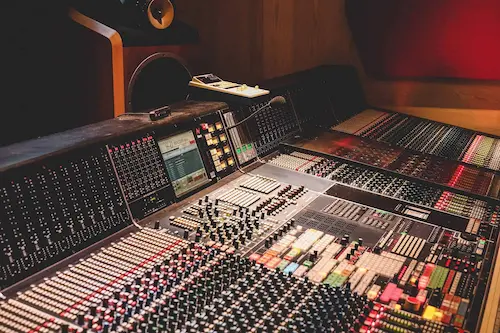 Most artists expect a mastering engineer to improve a track after the processing begins. In practice, some of the most important contributions happen before a single adjustment is made. The moment an engineer becomes involved, the project gains something many artists struggle to create on their own: distance.
After spending weeks or months with the same song, objectivity naturally starts to fade. A vocal that feels perfectly balanced may only feel that way because it has been heard hundreds of times. A low-end issue that seems insignificant in the studio may become far more noticeable once the track reaches cars, headphones, or Bluetooth speakers. Familiarity changes perception. Every artist experiences it.
A mastering engineer enters the process without that emotional attachment. The engineer is not listening through the memory of writing sessions, revisions, deadlines, or production decisions. The focus is entirely on the release itself and how listeners are likely to experience it. That shift alone often changes the conversation around a project. That perspective becomes even more valuable when it is based on hundreds or thousands of previous release evaluations. Patterns become easier to recognize. Potential risks become easier to spot. Decisions that seem obvious after release are often visible much earlier to someone who reviews finished projects every day.
We regularly see situations where artists are concerned about the wrong problem. An artist may spend days worrying about whether a chorus feels loud enough, while the bigger issue is that the transition into the chorus loses energy. Another artist may focus heavily on tonal balance when the track's real challenge is maintaining impact against commercial releases in the same genre. Those observations are not necessarily technical. They are contextual.
This is where professional evaluation becomes valuable. Before mastering begins, an experienced engineer often identifies risks that are difficult for creators to recognize from inside the project. Some releases reveal translation concerns. Others expose arrangement-related weaknesses, inconsistent tonal decisions, or unrealistic expectations created by repeated listening in the same environment. In many cases, the most useful insight is not a processing recommendation but a different perspective on the release itself.
Some artists choose to seek additional evaluation before mastering begins, especially when important release decisions remain uncertain. A dedicated mastering feedback service can reveal potential concerns while there is still time to address them, helping the project move forward with greater confidence.
The shift also appears in how decisions are made. Artists naturally evaluate songs from the perspective of creation. Engineers evaluate them from the perspective of release. Those viewpoints are not identical. An artist may ask whether a mix sounds good. An engineer is often asking a different question: how will this track behave once it leaves the studio and starts competing for attention alongside thousands of other releases?
That distinction matters. A song can feel exciting during production and still encounter problems after publication. It can sound impressive on familiar speakers yet struggle elsewhere. It can appear finished while carrying small issues that become obvious only after listeners begin interacting with it. Identifying those possibilities before release is often where the value of a mastering engineer begins.
For that reason, hiring a mastering engineer is not simply about gaining access to processing tools. It is about adding another layer of evaluation before decisions become permanent. The engineer's role starts with listening, questioning assumptions, recognizing risks, and helping the release move toward a stronger outcome. Processing comes later. Judgment comes first.
Why Technical Tools Are Not the Same as Professional Judgment
Modern music production has never had more access to technology. Powerful limiters, metering suites, analyzers, reference tools, intelligent assistants, and automated processing systems are available to almost everyone. In many cases, independent artists can access software that would have been considered high-end professional equipment not long ago. Yet despite that accessibility, results remain remarkably inconsistent.
The reason is simple. Access to tools and the ability to make decisions are not the same thing.
A mastering chain can be copied. Software can be purchased. Presets can be downloaded. What cannot be duplicated so easily is the judgment required to understand what a specific release actually needs. That distinction becomes more obvious when two engineers work on the same track using similar tools and arrive at noticeably different outcomes.
We've seen this happen many times. One engineer may hear a mix and focus on maximizing perceived impact. Another may hear the same mix and prioritize long-term translation across different playback environments. Neither approach is automatically right or wrong. The difference comes from interpretation. The software did not decide which path to take. The engineer did.
That is often what artists overlook when evaluating mastering. The discussion frequently centers around equipment, plugins, or technical resources. Those elements matter, but they rarely explain why one release feels more convincing than another. The bigger factor is how the engineer interprets context. Is the track intended to compete directly with modern commercial releases? Is listener fatigue becoming a concern? Are there characteristics that support the artist's identity and should remain untouched? Those decisions happen before any processing settings are chosen.
We've reviewed tracks mastered with nearly identical software that produced completely different listener experiences after release. The difference was not the tools. It was the decisions behind them. One version preserved impact and translation. The other chased short-term loudness at the expense of long-term listening comfort.
This becomes especially important when a release contains conflicting priorities. A track may need to feel larger without becoming aggressive. It may need more energy while preserving dynamics. It may need to compete against current releases without sacrificing emotional impact. Software cannot fully understand those trade-offs because they depend on interpretation rather than measurement alone.
That is also why conversations about automation often miss the bigger picture. The important question is not whether technology can process audio. It clearly can. The more relevant question is whether technology understands the goals, limitations, and context surrounding a specific release. The ability to process audio and the ability to evaluate a release are related skills, but they are not the same responsibility.
Another overlooked reality is that professional judgment is often invisible when everything goes well. Listeners rarely hear the decisions that prevented future problems. They hear the final result. What they do not hear are the choices that protected balance, preserved translation, avoided unnecessary processing, or prevented a release from drifting away from its original intention.
That is why hiring a mastering engineer is not primarily about gaining access to technology. Most technology is already available. The real value comes from the ability to evaluate a release, weigh competing priorities, and make decisions based on experience rather than assumptions. Tools process audio. Engineers interpret context. The difference between those two responsibilities is often what separates an acceptable master from a release that continues working long after publication.
Why Many Release Problems Begin Long Before Listeners Hear the Song
 When artists think about release problems, they usually imagine something that happens after publication. A track sounds different on streaming platforms. The low end feels inconsistent. The energy that felt exciting in the studio somehow disappears in everyday listening. By the time those issues become obvious, however, the release is already public. Listeners are hearing the result, not the process that led there.
What often gets overlooked is that many release problems begin much earlier.
Long before music reaches streaming platforms, playlists, social media feeds, or listener libraries, a series of assumptions starts forming around the project. Some assumptions are technical. Others are creative. Many are simply the result of spending too much time with the same material. The challenge is that those assumptions can quietly shape release decisions without anyone realizing it.
One common example involves translation. A mix may sound excellent in the environment where it was created. That success can create confidence, but confidence is not always confirmation. A release ultimately lives across countless listening situations that cannot be controlled. Earbuds. Cars. Bluetooth speakers. Laptops. Smart TVs. Phone speakers. Every playback environment reveals different aspects of a production.
An artist may spend months refining a track on familiar monitors and still be surprised by how the song behaves elsewhere. Not because the production was careless. Quite the opposite. Familiarity often hides risks. The more time spent with a project, the easier it becomes to mentally compensate for weaknesses that new listeners immediately notice.
Release expectations create another challenge. Many artists naturally compare their music against commercial references throughout production. That practice can be helpful, but it can also create unrealistic conclusions. A track may seem close to a reference in one environment while behaving very differently in actual listening conditions. Sometimes the difference is subtle. Sometimes it is substantial. Either way, assumptions formed during production can influence decisions all the way through release preparation.
Platform realities add another layer. Modern releases are rarely experienced in a single controlled format. Music moves through multiple distribution systems, playback devices, listening environments, and audience habits. A song that feels finished during production is about to enter a much larger ecosystem where listeners evaluate it alongside thousands of competing releases. Understanding that transition is part of professional release preparation.
We've had artists return weeks after release saying the song sounded exactly the way they expected in the studio but completely different once they encountered it through daily listening. The music had not changed. The listening context had.
This is one reason experienced mastering engineers spend so much attention on evaluation before making decisions. The goal is not simply to improve what already sounds good. The goal is to identify potential issues before they become public-facing problems. In many cases, prevention creates more value than correction.
We've seen situations where artists were completely satisfied with a track before release, only to notice concerns a few weeks later after hearing it in different environments. Sometimes listener feedback introduces questions that never appeared during production. Sometimes comparisons against commercial releases reveal inconsistencies that were difficult to hear beforehand. Those experiences are common because real-world listening always exposes a project to variables that studio sessions cannot fully replicate.
Many of the situations discussed in our Mastering Problems Guide follow exactly this pattern. The issue is not that something suddenly broke after release. More often, the warning signs were already present but remained unnoticed until the music reached a broader audience.
That is why strong mastering engineers think beyond the immediate session. The objective is not only to help a track sound better today. It is to help the release continue performing as intended after publication, when the artist no longer controls how, where, or under what conditions the music will be heard. Good engineering frequently works as a form of prevention. Listeners may never know which problems were avoided, but the stability of the final release often reflects those decisions.
Why Independent Artists Across the United States Hire Mastering Engineers
Not long ago, hiring a mastering engineer often felt like something reserved for major labels, established studios, or artists working with larger budgets. The independent music landscape in the United States looks very different today. High-quality releases are being created in spare bedrooms, home studios, rented production spaces, and small creative environments across the country. The barrier to creating music has fallen dramatically. The challenge has shifted toward making release decisions with confidence.
That shift helps explain why more independent artists continue to work with mastering engineers even when they have access to excellent production tools of their own.
For self-funded musicians, every release carries weight. There is no large corporate structure absorbing mistakes. There is no marketing department capable of fixing a disappointing first impression. A single release may represent months of writing, recording, editing, mixing, and promotion. By the time the music approaches the finish line, many artists want an experienced professional perspective before committing to a final version.
The motivation is rarely about handing responsibility to someone else. Most independent artists remain deeply involved throughout the process. Instead, the value comes from gaining access to objective judgment at a stage where objectivity becomes increasingly difficult to maintain internally.
Home studio production has made this even more relevant. Modern recording technology allows musicians to create impressive work without entering traditional commercial facilities. Yet producing music independently also means carrying many responsibilities at once. Artist. Producer. Editor. Mixer. Sometimes even marketer. Each role demands different decisions. Bringing a mastering engineer into the project introduces an outside perspective focused exclusively on release readiness.
We've seen independent releases where the production quality was already strong, but uncertainty remained around the final presentation. Sometimes artists wanted reassurance that their work would stand comfortably beside similar commercial releases. Other times they needed confirmation that repeated exposure to the project had not distorted their perception of important details. In both situations, the value came from evaluation rather than technology.
Geography matters far less than it once did. An artist working from a bedroom studio in Idaho can now collaborate with the same level of mastering expertise that was once concentrated inside a handful of major music markets. Artists in large music markets and artists in smaller communities now have access to the same level of expertise. What matters is not whether a mastering engineer works in the same city or state. What matters is whether that engineer can contribute meaningful perspective to the release itself. Our discussion of Online Mastering USA explores how that accessibility has changed collaboration across the country, but the bigger story is what artists choose to do with that access once they have it.
Across the United States, independent musicians tend to describe the value in similar ways. Some want reassurance before an important release. Others want confirmation that months of work still translate the way they expect. Some simply want another set of experienced ears before publishing something they cannot take back. The specific reasons vary, but the underlying goal is usually the same: reducing uncertainty before release.
That reality has become one of the defining characteristics of modern independent music production. Access to professional judgment is no longer restricted to a handful of major recording hubs. Artists everywhere can incorporate that perspective into their releases, helping them make stronger decisions before the music reaches listeners.
The Difference Between Hiring an Engineer and Buying a Mastering Service
At first glance, the distinction may seem insignificant. After all, both situations usually end with a mastered file being delivered to the artist. The release gets processed. The project gets completed. The outcome appears similar from the outside.
Yet beneath the surface, there can be a substantial difference between purchasing a mastering service and hiring a mastering engineer.
A service is a transaction. An engineer is a participant in the release process. That difference is exactly why many artists search for mastering engineers rather than mastering services. They are not only looking for a finished file. They are looking for someone capable of helping evaluate decisions before those decisions become permanent.
That distinction affects far more than most artists realize.
When musicians search for mastering, they often encounter nearly identical language. Professional quality. Industry standards. Fast turnaround. High-end equipment. The descriptions may look interchangeable, even when the actual experience behind them is not. Two providers can advertise similar services while offering very different levels of involvement once a project begins.
In one scenario, the relationship is primarily procedural. Files arrive. Processing occurs. Deliverables are returned. The service fulfills its function exactly as promised. There is nothing inherently wrong with that model. For some projects, it may be entirely sufficient.
In another scenario, the mastering engineer becomes actively involved in evaluating the release itself. Questions emerge. Assumptions get challenged. Potential concerns are identified before decisions become permanent. The project benefits not only from processing but from the presence of an experienced professional perspective throughout the final stage of release preparation.
That difference becomes particularly important when a release does not fit neatly into predictable categories. Most songs contain compromises. Every mix reflects a collection of creative decisions, technical limitations, artistic intentions, and practical realities. Rarely does a project arrive as a perfectly solved equation. Someone still has to interpret what matters most.
This is where engineer involvement creates value that cannot be described by service labels alone.
Accountability is one example. When an engineer becomes personally invested in the outcome of a release, decisions carry a different weight. The focus extends beyond simply completing a task. Attention shifts toward understanding how those decisions may affect the project once listeners begin interacting with it. The release becomes more than a file moving through a process.
Another difference involves ownership of responsibility. Artists remain responsible for creative direction, but an involved mastering engineer shares responsibility for evaluating the final presentation. That shared responsibility often changes the quality of conversations surrounding a project. Instead of simply asking how something can be processed, the discussion expands toward whether certain choices support the release goals in the first place.
We've encountered situations where artists initially believed they needed more loudness, more brightness, or more perceived impact. After deeper evaluation, the real opportunity turned out to be preserving balance rather than increasing intensity. In those moments, the value did not come from a plugin setting. It came from professional judgment influencing the direction of the release.
Perhaps the easiest way to think about it is this: a mastering service describes what gets delivered. A mastering engineer influences how the final result is reached.
That distinction also explains why conversations about mastering often become more nuanced than simple feature comparisons. The quality of a release is rarely determined by deliverables alone. Evaluation, context, communication, accountability, and decision-making all contribute to the outcome. Our analysis of the best online mastering service explores many of those factors from the perspective of evaluating providers, but the role of engineer involvement deserves separate attention because it fundamentally changes the nature of the relationship.
In the end, artists are not always hiring a mastering engineer because they need access to processing. More often, they are hiring someone who can assume part of the responsibility for final release decisions. That responsibility is difficult to measure on a service page. It rarely appears in a feature list. Yet it is often one of the most valuable parts of the entire mastering process.
Hiring a Mastering Engineer: What Actually Adds Value
Many artists begin the hiring process by looking at visible factors. Equipment lists. Studio photos. Turnaround times. Technical specifications. While those details can provide useful context, they rarely explain why one mastering experience feels significantly more valuable than another.
The strongest benefits often come from less obvious areas. Independent evaluation, objective listening, professional judgment, accountability, and release-focused decision-making all influence the final outcome long before listeners hear the finished track. These qualities are difficult to summarize in a marketing headline, yet they frequently determine whether a release moves forward with confidence or uncertainty.
The table below highlights the factors that often create the greatest long-term value when hiring a mastering engineer. Notice that most of them have very little to do with equipment and far more to do with perspective, responsibility, and decision-making.
| Factor | Why It Matters |
|---|---|
| Independent Evaluation | Reduces artist bias |
| Professional Judgment | Supports better release decisions |
| Objective Listening | Reveals overlooked issues |
| Communication | Aligns expectations |
| Accountability | Creates responsibility for outcomes |
| Revision Input | Improves confidence before release |
| Release Perspective | Focuses on listener experience |
| Long-Term Consistency | Supports future releases |
Viewed individually, each factor may seem relatively small. Together, they form the foundation of why experienced mastering engineers continue to play an important role in modern music production. The value rarely comes from a single adjustment. More often, it comes from a collection of informed decisions that help a release move toward a stronger and more predictable outcome.
Hear What an Engineer Actually Hears
Before committing to a full master, get a professional evaluation from a real mastering engineer. We'll review the release, identify potential concerns, and create a free demo master (up to 35 seconds) so you can hear how informed mastering decisions affect the final result.
No obligation. Real engineer review. Hear the difference before making a decision.
How Professional Judgment Creates Consistency Across Different Releases
 One of the most misunderstood aspects of mastering is consistency. Many people assume consistency comes from repeating the same processing techniques from project to project. In reality, the opposite is often true.
Consistent results rarely come from identical settings. They come from consistent decision-making.
Every release arrives with its own goals, strengths, limitations, and listening context. Even projects created by the same artist can require different approaches. A mastering engineer is not simply responding to the audio itself. The engineer is evaluating how the release is expected to function once it reaches listeners.
Consider an artist releasing a standalone track. The focus may center on how that song performs independently when compared against other releases competing for attention. A few months later, the same artist may prepare a larger project where the objective shifts toward maintaining a coherent listening experience across multiple tracks. The technical tools available remain largely unchanged. The context does not.
That is where professional judgment becomes valuable.
An experienced mastering engineer evaluates releases from the perspective of the listener's experience rather than from the perspective of individual settings. The goal is not to force every project toward the same sonic target. The goal is to help each release achieve its own objectives while maintaining confidence in the final presentation.
We've worked with artists who initially believed consistency meant making every release sound identical. After publication, many discovered that listeners rarely experience music that way. Consistency is not sameness. Listeners respond to whether a release feels intentional, stable, and professionally presented. Those qualities come from decisions that respect context rather than ignore it.
This becomes particularly important as artists move between different release formats. A standalone track carries different expectations than a connected body of work. The role of professional judgment is to recognize those expectations and help guide decisions accordingly. Discussions around single mastering, EP mastering, and album mastering often highlight how release context influences priorities, but the underlying principle remains the same regardless of format.
The engineer's responsibility is not to repeat a formula. It is to understand how individual decisions contribute to the overall listening experience. Sometimes that means preserving differences between tracks. Sometimes it means strengthening continuity. Sometimes it means identifying expectations that the artist may not have considered because they are too close to the project.
Long-term development creates another advantage that artists often notice only after several releases. Artists who release music consistently often discover that every new project introduces new creative challenges. Different collaborators. Different production styles. Different audiences. Yet despite those changes, listeners still expect a sense of reliability. Professional judgment helps maintain that reliability without forcing releases into a rigid template.
This is why experienced mastering engineers focus heavily on context. The objective is not simply to finish today's release. It is to help each project make sense within the artist's broader catalog and future direction. Consistency emerges from understanding the purpose of the release and making decisions that support that purpose.
Ultimately, listeners do not hear processing settings. They hear outcomes. They hear whether a release feels cohesive, intentional, and ready for public consumption. Those qualities are created through evaluation and decision-making far more often than through repeating identical technical moves. Consistency comes from judgment. The processing simply follows the decisions.
What Artists Usually Notice After Working With a Mastering Engineer
One interesting aspect of mastering is that many of its benefits are not fully understood during the session itself. They become noticeable later. Sometimes days later. Sometimes weeks after release. Occasionally after an artist has already moved on to the next project.
That delay happens because music is ultimately judged in the real world, not in a production environment.
Before release, most artists evaluate their work under controlled conditions. Familiar speakers. Familiar headphones. Familiar listening habits. Once the music becomes public, those conditions disappear. The release begins interacting with listeners, devices, environments, and expectations that the artist can no longer control.
This is where many musicians start recognizing the practical value of working with a mastering engineer.
One of the most common observations is increased confidence after publication. Instead of constantly wondering how the track will behave on different systems, artists often feel more comfortable letting the release stand on its own. The focus shifts away from worrying about technical uncertainties and back toward promoting the music itself.
Many artists notice something else as well: fewer surprises after publication. Many independent artists have experienced the frustration of hearing a release sound different than expected after it reaches everyday listening environments. Maybe the low end feels less controlled than it did in the studio. Maybe certain details become exaggerated. Maybe the overall balance changes more than anticipated. When those surprises are reduced, artists naturally gain greater trust in the release process.
Playback consistency is another area where the difference often becomes apparent. Listeners rarely sit in ideal listening conditions. They hear music during commutes, workouts, workdays, social gatherings, and countless other situations. Releases that maintain their character across those environments tend to feel more dependable over time. Artists frequently notice this not because someone points it out directly, but because the music simply behaves more predictably wherever it is played.
Translation is closely connected to that experience. A track may sound impressive inside a studio yet reveal weaknesses elsewhere. Conversely, a release that translates well often feels surprisingly stable regardless of where it is heard. Many artists discover this benefit gradually as they encounter their music across different playback systems in the weeks following publication.
Comparison against commercial releases can also change perception. During production, artists are usually focused on finishing the project. After release, comparisons become unavoidable. Songs appear in playlists. Listeners hear them alongside other music. Recommendations place them next to competing releases. At that stage, musicians often gain a clearer understanding of how their work performs within a broader listening context.
One pattern appears repeatedly. Artists often spend weeks comparing their unreleased track to commercial references. After release, many stop focusing on individual technical details and start paying attention to whether the song simply holds up naturally alongside other music. That shift in perspective usually happens because listeners experience releases as complete records, not as collections of technical decisions.
We've had artists return months after a release with observations that had very little to do with loudness, processing, or technical specifications. Instead, they talked about confidence. Predictability. Stability. The absence of unexpected issues. Those comments may sound simple, but they reflect something important. Successful mastering decisions often become invisible once the music is released because listeners experience the song rather than the work behind it.
That is one reason release confidence remains such a valuable outcome. A professionally prepared release allows artists to spend less time second-guessing and more time focusing on growth, promotion, and future projects. The same release-focused mindset applies throughout professional mastering: helping artists publish music with fewer surprises and greater confidence once the project leaves the studio. That philosophy is central to Quality Track Mastering.
In the end, the biggest benefits of working with a mastering engineer are often easier to appreciate after the release is already public. Once the music starts reaching listeners, consistency, translation, confidence, and reliability become far more meaningful than any individual processing decision made along the way.
A Simple Principle for Deciding Whether to Hire a Mastering Engineer
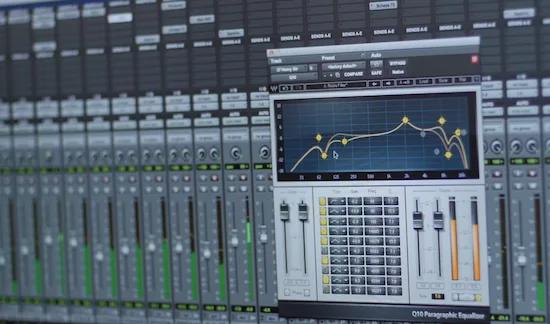 Many decisions in music production become complicated because artists try to predict every possible outcome before making a choice. Mastering is no exception. Questions about equipment, techniques, turnaround times, and countless other details can quickly make the decision feel more difficult than it needs to be.
A simpler principle is often more useful.
Ask yourself how important the release is.
If the project represents months of work, a meaningful investment, an important career step, a label release, a major collaboration, or a song you genuinely believe in, professional judgment has value. Not because an engineer possesses secret tools. Not because mastering guarantees success. But because important releases deserve informed evaluation before they become permanent.
Every release eventually reaches a point where additional perspective becomes more valuable than additional assumptions. Artists naturally become close to their own work. That closeness helps create music, but it can also make objective evaluation difficult. Professional mastering engineers provide a viewpoint that exists outside the production process while remaining focused on the final outcome.
The greater the importance of the release, the greater the potential value of that perspective. A casual experiment and a career-defining release do not carry the same level of risk. Neither should necessarily receive the same level of evaluation.
Ultimately, hiring a mastering engineer is not simply a technical decision. It is a decision about how much confidence you want before the music reaches the public. The more important the release becomes, the more valuable professional judgment tends to be.
A useful way to think about it is simple. If the release would disappoint you if something went wrong after publication, professional evaluation probably has value. The higher the stakes, the more valuable objective judgment becomes.
Final Thoughts: Hiring a Mastering Engineer Means Investing in Better Decisions
When artists begin searching for a mastering engineer, the conversation often starts with technical questions. What equipment is being used? What software is involved? How quickly can the project be completed? Those details may have value, but they rarely explain why experienced mastering engineers continue to play such an important role in modern music production.
The strongest reason is much simpler.
Professional mastering provides access to better decisions.
Throughout this page, we've returned to the same underlying idea from different angles. A mastering engineer contributes perspective. An engineer contributes evaluation. An engineer contributes accountability. Most importantly, an engineer contributes informed judgment at a stage where mistakes become increasingly expensive and increasingly difficult to reverse.
That contribution begins before any processing occurs. It appears when release goals are evaluated realistically. It appears when assumptions are challenged. It appears when potential risks are recognized before they reach listeners. Processing remains important, but processing follows decisions. The quality of those decisions often determines the quality of the final outcome.
This becomes particularly relevant because artists naturally spend more time with their music than anyone else. By the time a release reaches mastering, countless hours have already been invested in writing, arranging, recording, editing, and mixing. Familiarity becomes unavoidable. In many cases, the value of a mastering engineer comes from hearing the project without that accumulated history and bringing objective perspective back into the process.
We've worked on releases where the most important mastering decision was deciding not to push further. Those choices rarely appear in marketing materials, but they often have a greater impact on long-term listener experience than aggressive processing ever could. Accountability means accepting responsibility not only for what gets changed, but also for what gets left alone.
For independent artists, labels, producers, and content creators across the United States, this perspective often becomes more valuable as releases become more important. The greater the investment in a project, the greater the benefit of professional evaluation before publication. Confidence rarely comes from guessing correctly. Confidence comes from reducing uncertainty before the release reaches the public.
For many projects, that process begins with professional evaluation before publication, which is exactly why artists often request mastering feedback before committing to final release decisions.
That philosophy sits behind professional mastering at every level. Whether the project involves a single song, a developing catalog, or a larger release strategy, the goal remains remarkably consistent: helping artists make stronger final decisions before listeners ever press play.
For projects that require that level of release-focused evaluation, our approach to Quality Track Mastering centers on exactly those principles. And when consistency across multiple songs becomes part of the conversation, release-level planning often extends naturally into broader considerations such as album mastering, where decisions are evaluated not only track by track but across the entire listening experience.
In the end, hiring a mastering engineer is rarely about gaining access to processing that cannot be found elsewhere. The deeper value comes from gaining access to informed judgment, objective evaluation, and professional involvement at the moment those qualities matter most. Better releases begin with better decisions. That is ultimately what artists are hiring.
Get Professional Ears on Your Release Before It Goes Public
A release only gets one first impression. Before publishing your music, let a mastering engineer evaluate the track and create a free demo master (up to 35 seconds). Hear how professional judgment, objective listening, and release-focused decisions can affect the final result before making any commitment.
Real engineer evaluation. No obligation. More confidence before your music reaches listeners.
FAQ
What does a mastering engineer actually do?
A mastering engineer evaluates a release from an objective perspective before it reaches listeners. The role goes beyond audio processing. Engineers assess balance, translation, consistency, playback behavior, and overall release readiness, helping artists make stronger final decisions before publication.
Why hire a mastering engineer instead of mastering music yourself?
Many artists can access the same software used by professionals. The difference is not access to tools but access to experience and objective judgment. A mastering engineer provides an outside perspective that can reveal issues, opportunities, and risks that are often difficult for artists to identify within their own projects.
Can a mastering engineer improve a finished mix?
A strong mix remains the foundation of a successful release, but mastering can improve how that mix translates across different playback environments. A mastering engineer can also identify concerns that may affect listener experience after release and help ensure the final presentation aligns with the goals of the project.
Is hiring a mastering engineer worth it for independent artists?
For many independent musicians, a release represents a significant investment of time, effort, and resources. Hiring a mastering engineer provides professional evaluation before publication, helping reduce uncertainty and increase confidence in the final release.
How do mastering engineers help before release?
Much of the value appears before the music becomes public. Mastering engineers evaluate potential translation issues, compare the release against real-world expectations, and provide objective feedback that can influence important decisions before listeners ever hear the track.
Can I work with a mastering engineer remotely in the USA?
Yes. Remote collaboration has become a standard part of modern mastering. Artists across the United States regularly work with mastering engineers regardless of location, allowing them to choose the right professional for the project rather than limiting their options to nearby studios.
What is the difference between a mastering engineer and a mastering service?
A mastering service describes the deliverable. A mastering engineer contributes evaluation, judgment, communication, and accountability throughout the process. Two services may appear similar on paper while offering very different levels of professional involvement behind the scenes.
When should I hire a mastering engineer for a release?
The best time is after the mix is complete and before the release is published. If the project is important enough that final decisions matter, professional evaluation can help identify opportunities and reduce the risk of discovering problems after the music is already public.