
Reggaeton Mastering — Why Some Tracks Lose Their Movement After Release
Most artists assume reggaeton mastering is mainly about making a track hit harder, feel bigger, or sound cleaner. Those things matter, but they rarely explain why one song immediately gets people moving while another receives a much weaker reaction despite sounding professionally finished. Few people describe great reggaeton using technical language. They talk about energy. Movement. Vibe. They remember how the track felt when it came on.
That difference matters because reggaeton is deeply connected to physical response. A listener may not notice every production detail, but they notice when the rhythm makes them move. They notice when the vocal feels locked into the beat. They notice when the groove pulls them forward without effort. Remove that connection and something changes. The track may still sound polished. It may still feel commercially competitive. Yet the excitement starts fading.
That is where mastering becomes more than a final technical step. If you're unfamiliar with what audio mastering actually is, its role is not simply preparing audio for release. In reggaeton, mastering often becomes a process of protecting the relationship between rhythm, movement, and listener response. We regularly hear releases that remain clean, balanced, and impressive on paper but no longer create the same physical reaction they had during production. Nothing sounds obviously broken. The groove simply feels less alive. Preserving that connection is often what separates a memorable reggaeton release from one that listeners forget a few songs later.
Why Reggaeton Listeners React Differently Than Listeners in Many Other Genres
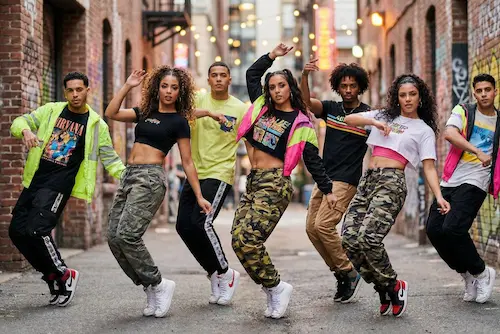 One reason reggaeton behaves differently after release is that listeners rarely experience it in a controlled environment. Most people are not sitting in front of studio monitors analyzing production details. They hear reggaeton at parties, in cars, during workouts, at family gatherings, in clubs, through portable speakers, and inside constantly changing social situations. The music becomes part of movement, conversation, and shared energy. That changes what people notice.
Part of this reaction comes from the dembow foundation that sits at the center of reggaeton. Listeners may not know the term, but they immediately recognize the feeling. The rhythmic pattern creates expectation, movement, and anticipation long before anyone begins analyzing the production itself.
Even listeners who have never heard the word "dembow" recognize when that rhythmic foundation feels natural. The strongest reggaeton releases create movement almost immediately, regardless of where the music is being played.
In many genres, listeners naturally focus on different things. Pop audiences often wait for memorable hooks and vocal moments. Rock listeners may connect with performance, musicianship, or the intensity of a live-sounding arrangement. Lofi listeners frequently settle into atmosphere and long-term mood. Reggaeton works differently. Before most listeners consciously evaluate anything, they are already reacting physically. A head starts moving. A foot follows the rhythm. The body responds before the brain begins analyzing why.
That physical reaction is one of the reasons reggaeton can be surprisingly difficult to evaluate during production. A mix may sound balanced in the studio. Every element may appear to be in the right place. Yet something feels different once the song enters real listening environments. The beat no longer pulls people in as naturally. The groove feels slightly less connected. Energy that seemed obvious during production becomes harder to feel in motion.
We see this regularly when reviewing tracks before release. Producers often focus on how individual elements sound. Most audiences focus on the overall feeling of the record. They are not thinking about a kick, a vocal, or a percussion layer in isolation. They react to the relationship between everything happening at once. If that relationship changes, even slightly, the emotional and physical response can change with it.
Another factor is repetition. Reggaeton is designed to work across repeated listens. People hear the same song in different places, through different systems, and in different moods. What feels exciting in a production session may not create the same reaction after dozens of real-world playbacks. This is one reason why mastering for modern listening environments involves more than evaluating how a track sounds in a single location. The goal is preserving the connection between rhythm and listener response wherever the music travels.
Ultimately, movement becomes the first measure of success. Most listeners will never describe why a reggaeton release feels engaging. They simply stay with it longer, turn it up, share it with friends, and keep it in rotation. Long before anyone talks about production quality, the body has already made its decision.
Why Groove Can Disappear Even When Nothing Sounds Wrong
One of the most frustrating things about reggaeton releases is that groove can weaken without creating an obvious technical problem. Nothing sounds broken. Nothing sounds amateur. The vocals are clear. The rhythm section feels balanced. The overall presentation appears professional. Yet people react differently once the track leaves the studio.
This happens because groove is not a single element that can be measured on its own. It is a perception created by relationships. The timing between rhythmic layers. The way vocals interact with the beat. The feeling of momentum between individual sounds. Listeners experience all of those things together, often without realizing it.
Consider two hypothetical releases.
Track A sounds impressive immediately. Everything feels clean and controlled. The beat is strong. The vocal sits perfectly in place. Nothing distracts from the listening experience. Yet when the song plays at a party, in a car, or through a phone speaker, people respond less than expected. The music sounds good, but the physical reaction feels smaller.
Track B is surprisingly similar. Comparable energy. Comparable balance. Comparable production quality. On paper, there may be very little separating the two releases. Yet people begin moving almost immediately. Heads start nodding. Shoulders move with the rhythm. The song creates a response before listeners consciously think about why.
A common example appears when two reggaeton tracks generate completely different reactions on a dance floor despite sounding equally professional in a studio. One record feels exciting for the first few seconds but never fully connects with the room. The other immediately creates movement without listeners consciously thinking about it. The difference is rarely obvious when looking at individual elements. It is usually felt through the relationship between rhythm and listener movement.
That difference is where many reggaeton artists run into trouble. They evaluate music through focused listening. Real audiences often evaluate it through physical reaction. A producer may spend hours comparing sounds, making adjustments, and refining details. The listener experiences the finished result in seconds. The body responds first. Analysis comes later.
In practice, groove is heavily connected to momentum. Not speed. Not power. Momentum. The feeling that each rhythmic event naturally pulls the next one forward. When that sensation weakens, listeners may never identify the cause. They simply feel less engaged. The track becomes easier to ignore. Energy that felt obvious during production becomes harder to feel in real-world playback.
We encounter this during mastering evaluations more often than many artists expect. Sometimes a release arrives sounding commercially competitive and technically complete, yet the movement feels restrained compared to the original creative intent. The song still works. It simply creates less instinctive response. That distinction is difficult to describe but easy to feel.
In many pre-release evaluations, the issue is not that the rhythm feels weak. The issue is that the movement feels less convincing than it did during production. Artists are often surprised because the record still sounds professional. The difference only becomes obvious when comparing listener reactions rather than production decisions.
This is also where reggaeton differs from other rhythm-driven genres. For example, house mastering often focuses on maintaining momentum across longer musical journeys. Reggaeton tends to be judged much faster. Listeners decide almost immediately whether the rhythm feels natural enough to move with. The connection between beat and body becomes part of the music itself.
What makes groove particularly challenging is that listeners rarely explain it accurately. Nobody leaves a comment saying, "The subconscious timing relationships inside this production feel effective." They say the song feels good. They play it again. They send it to friends. Or they don't.
That is why groove should never be confused with clarity, volume, or overall polish. Those qualities can exist without creating movement. The strongest reggaeton releases preserve something less obvious but far more important: the instinctive connection between rhythm and physical response.
The Relationship Between Vocals and Rhythm Is What Makes Reggaeton Feel Alive
 Many discussions about vocals focus on clarity. Can the words be understood? Does the vocal sit at the right level? Is it cutting through the instrumental? Those questions matter, but they rarely explain why one reggaeton release feels exciting while another feels strangely disconnected despite sounding technically correct.
In reggaeton, vocals do more than carry lyrics. They become part of the rhythm itself.
That distinction is important because listeners often react to the interaction between the voice and the beat long before they pay attention to individual words. The vocal is not simply floating above the instrumental. It is participating in the movement. It pushes against the rhythm, follows the rhythm, leaves space for the rhythm, and occasionally creates tension that makes the next rhythmic moment feel stronger.
We hear this constantly during mastering evaluations. A vocal may sound perfectly clear. Every syllable is easy to understand. Nothing masks the performance. Yet the track feels less exciting than it did during production. The voice sounds separated from the groove instead of living inside it.
The opposite situation happens as well.
A vocal may feel slightly less aggressive or forward than expected, yet the entire record suddenly works better. The beat breathes naturally around the performance. The rhythmic movement feels connected. The listener stops analyzing individual elements and starts responding to the song as a complete experience.
This is one reason why reggaeton creates challenges that do not appear in many other genres. The voice often functions almost like an additional percussion layer. Not literally, of course, but psychologically. Listeners feel the timing relationships between vocal phrases and rhythmic events even when they are not consciously paying attention to them.
Think about what happens in a crowded car, a party, or a gym. Nobody is standing still studying vocal production decisions. The reaction happens instantly. A phrase lands in the right place. The beat answers it. Another phrase appears. The rhythm responds again. That constant interaction creates a subtle call-and-response effect that keeps the music moving forward.
When that relationship weakens, listeners may not know why the track feels different. They simply feel less engaged. The vocal remains present. The beat remains strong. Yet the song loses part of the momentum that originally made it exciting.
This is why vocal presence alone is not enough. As discussed in our guide to mastering for vocals, maintaining vocal presence matters across playback systems. Reggaeton adds another layer of responsibility. The goal is not only preserving how the vocal sounds. It is preserving how the vocal behaves inside the rhythm.
Most people would never describe this process accurately. They do not say the vocal-to-rhythm relationship feels well integrated. They simply say the track feels alive.
That reaction is often what separates memorable reggaeton releases from technically impressive ones. The strongest records create the feeling that the voice and the beat are moving together, pulling the listener forward as a single system. Once that connection exists, the music becomes much harder to ignore.
What Reggaeton Mastering Helps Preserve After Release
Most listeners never evaluate reggaeton using technical language. They do not measure frequency balance, compare production decisions, or analyze individual elements one by one. Instead, they respond to how the music feels in motion. The releases that perform best tend to preserve their energy, groove, and engagement across different listening environments. Whether the song is played in a car, at a party, in a gym, or through everyday speakers, the goal is maintaining the qualities that make people want to keep listening and keep moving.
| Element | Why It Matters In Reggaeton |
|---|---|
| Dembow Groove | Preserves rhythmic identity |
| Body Movement | Encourages physical response |
| Vocal-Rhythm Interaction | Maintains listener engagement |
| Dance Energy | Supports momentum |
| Percussion Relationship | Drives movement |
| Consistency | Improves translation |
| Cohesion | Strengthens complete releases |
| Listener Engagement | Keeps energy alive |
Don't wait until the release reveals the problem
A reggaeton track can sound powerful in the studio while losing part of its groove once it reaches real listeners. We offer a free demo master (up to 35 seconds) to help evaluate movement, vocal-to-rhythm interaction, and overall release readiness before your music goes live. Sometimes the smallest translation issue creates the biggest difference in listener response.
Real engineer evaluation. No automated processing. No obligation.
Why Reggaeton Often Feels Different Outside the Production Session
 One of the biggest challenges in reggaeton production has nothing to do with talent, equipment, or experience. It comes from familiarity.
By the time a track reaches mastering, most producers have heard it hundreds of times. Sometimes thousands. Every transition is familiar. Every vocal phrase is expected. Every rhythmic detail already lives inside the creator's memory. That level of familiarity creates confidence, but it can also make objective evaluation surprisingly difficult.
Inside the production session, everything often feels exciting. The groove feels obvious. The energy feels natural. The movement appears effortless. After spending days or weeks with the same record, the brain automatically fills in information that may not be as obvious to a first-time listener.
The audience experiences something completely different.
They hear the song without context. They do not know how the arrangement evolved. They have not listened to earlier versions. They are not emotionally attached to production decisions made three weeks ago. Their reaction happens in real time, based entirely on what reaches them during those first moments of playback.
This difference becomes particularly important in reggaeton because listener engagement depends heavily on immediate physical response. If the rhythm creates movement, people stay with the track. If that response feels weaker than expected, attention begins drifting elsewhere. Most listeners never stop to analyze the reason. They simply move on.
We often see this during release evaluations. A producer sends a track that feels energetic and engaging inside the studio environment. Then the same record is played in a car, at a gathering, through a Bluetooth speaker, or between other commercial releases. Suddenly the movement feels slightly less convincing. The song still sounds good. It simply creates a different reaction than expected.
In some cases, artists are surprised because nothing appears to be missing. The vocal is present. The beat feels strong. The arrangement remains unchanged. Yet when the track is compared against finished commercial releases, the sense of movement feels less convincing than it did inside the production session.
What makes this difficult is that nothing necessarily sounds wrong. The vocal is present. The beat is strong. The mix feels balanced. Yet the connection between rhythm and listener response becomes less immediate. The gap is often subtle, but subtle differences matter when music competes for attention in real-world environments.
Another factor is comparison. During production, a creator usually listens to the same track repeatedly. Outside the studio, listeners hear that song surrounded by dozens of others. The brain naturally compares energy, movement, and engagement from one record to the next. A release that felt powerful in isolation may feel different once it enters that larger ecosystem.
This is why fresh perspective remains so valuable before release. As discussed in our guide to mastering problems that often appear after mastering, many issues become visible only after music leaves the environment where it was created. Not because something failed technically, but because listeners experience the music differently than the people who made it.
Ultimately, the producer and the listener are hearing the same song through two completely different lenses. One hears familiarity. The other hears a first impression. Successful reggaeton releases are the ones that preserve their energy, movement, and engagement when those two perspectives finally meet.
Why Independent Reggaeton Artists Across the United States Still Work With Mastering Engineers
Reggaeton is no longer dependent on major labels, expensive studio networks, or traditional industry gatekeepers. Across the United States, independent artists are releasing music from cities that rarely appear in music industry headlines. Latin urban creators in Miami, Houston, Orlando, Los Angeles, New York, Chicago, Phoenix, and hundreds of smaller markets are building audiences without waiting for permission from anyone.
Today's reggaeton market includes everything from independent latin urban singles to full commercial releases competing alongside global artists. That makes preserving movement and listener engagement more important than ever.
That shift has changed how music reaches listeners, but it has not removed the need for professional evaluation before release.
Many modern reggaeton projects are created by small teams. Sometimes a producer handles the beat, recording, editing, and final preparation. In other cases, artists work directly with beatmakers and release music independently through digital distribution platforms. Small labels often operate with lean budgets and streamlined workflows. The creative process has become more accessible than ever.
What has not changed is the challenge of objectivity.
After spending weeks inside the same project, it becomes difficult to experience the music the way a listener will. Familiarity creates blind spots. Details that feel obvious to the creator may not feel obvious to the audience. A groove that works perfectly during production may translate differently once the track reaches real-world listening environments.
This is one reason mastering engineers continue to play an important role in independent reggaeton releases. The value is not simply technical preparation. It is the addition of an experienced outside perspective before the music reaches the public. A fresh set of ears often identifies things that become invisible during the production process.
Perhaps the biggest change is accessibility. Professional mastering support is no longer concentrated in a handful of industry hubs. An artist in a small Texas town now has access to the same level of mastering evaluation as an artist working in Los Angeles or Miami. Geography matters far less than it once did.
We see this every day with independent reggaeton releases arriving from every region of the country. Some projects come from established latin urban artists. Others come from first-time creators preparing their debut singles. The common goal remains the same: making sure the energy, movement, and identity of the music survive the transition from production to release.
As explained in our guide to online mastering across the United States, professional collaboration is now available regardless of location. What matters most is not where the artist lives. It is whether the music reaches listeners with the same impact, movement, and engagement that made the project worth releasing in the first place.
What Artists Usually Notice After Professional Reggaeton Mastering
 Most artists do not notice the biggest differences during the first playback.
The initial reaction is often simple: the track feels familiar. Nothing dramatic happened. The song still sounds like the song they created. That is usually a good sign. Reggaeton depends heavily on identity, and the strongest releases rarely feel transformed into something different.
The more revealing observations tend to appear later.
After the track reaches real-world playback environments, artists often notice that people react more consistently to it. The rhythm feels recognizable from one listening situation to another. Whether the song is played in a car, at a gathering, through headphones, or on everyday speakers, the physical response tends to remain closer to what the artist originally intended.
A common example appears when a track moves from the production session into a real playlist environment. During production, the groove may feel obvious because the creator already understands every rhythmic detail. After release, listeners have no such context. The releases that perform best tend to preserve their physical energy and identity even when heard casually between dozens of other tracks.
Another observation involves the relationship between vocals and rhythm. Before release, both elements may sound strong individually. After repeated listening, however, artists often realize that the most engaging reggaeton records are not built around isolated elements. They are built around interaction. When the vocal naturally lives inside the groove, the entire track feels more cohesive and effortless to the listener.
Consistency also becomes more noticeable over time. A song that feels exciting during one listening session should not suddenly feel weaker in another environment. Many artists report fewer surprises after release because the overall listening experience remains more predictable. The record behaves the way they expected it to behave.
This becomes particularly important because most listeners never hear a song in isolation. Music competes with countless other releases every day. Attention shifts quickly. Small differences in movement, engagement, and rhythmic connection often become much more important than producers initially expect.
One observation artists mention repeatedly is that people simply spend more time with the music. Listeners may never describe specific technical improvements. Instead, they replay the track more often, stay engaged longer, and respond more naturally in the environments where reggaeton is meant to live.
We also see artists pay closer attention to audience behavior after release. Instead of commenting on production details, listeners often start sharing the track more naturally, adding it to personal playlists, and returning to it in situations where movement and energy matter most.
As discussed throughout our approach to professional track mastering, many of the most valuable improvements are not dramatic enough to attract attention immediately. They reveal themselves gradually through repeated listening, real-world playback, and the way listeners physically respond once the music leaves the studio and becomes part of everyday life.
A Simple Way to Think About Reggaeton Mastering
A simple misunderstanding causes a surprising amount of confusion around reggaeton mastering.
Many people assume the goal is making a track louder, brighter, harder, or more aggressive. Those qualities may attract attention for a moment, but they are not what makes listeners come back to a song.
The real question is much simpler:
Does the music still make people want to move?
That response sits at the center of the genre. Long after listeners forget specific production details, they remember how naturally the rhythm pulled them into the record. They remember the movement. They remember the feeling of the beat and the vocal working together as a single experience.
Successful reggaeton mastering protects that connection. The objective is not creating a different song. It is helping the groove, energy, and physical response survive the journey from the studio to real-world playback environments.
When that connection remains intact, the music feels alive. And in reggaeton, that often matters more than anything else.
Final Thoughts: Reggaeton Mastering Is About Preserving Movement, Not Just Sound
The most successful reggaeton releases rarely earn attention because of technical descriptions.
Very few people talk about balance, precision, or production decisions. They talk about how a song feels. They remember the moment a rhythm pulled them in. They remember the urge to move. They remember the energy that made them replay the track, add it to a playlist, or turn the volume up when it came on.
That is why reggaeton mastering cannot be reduced to making a record sound bigger or more polished. The genre depends on a relationship between rhythm and movement. When that relationship remains intact, the music feels natural. When it weakens, even slightly, the listener notices the difference long before they understand the reason.
Throughout this page, we have looked at several parts of that equation. Groove influences movement. Vocals interact with rhythm rather than simply sitting above it. Listener engagement often begins with a physical reaction before conscious analysis takes over. Real-world playback environments reveal strengths and weaknesses that may remain hidden inside the production session.
All of these elements point toward the same conclusion.
A reggaeton track can remain loud, clean, and commercially competitive after mastering while losing the groove, body movement, and vocal-to-rhythm interaction that make listeners want to move. Reggaeton mastering exists to preserve that connection across real-world playback systems.
The strongest releases maintain their identity wherever they are heard. In a car. At a party. Through headphones. Inside a gym. Between dozens of other tracks competing for attention. The listener experiences the same energy because the relationship between rhythm and movement survives the transition from production to release.
That is the goal we focus on when preparing music through our professional mastering services. Not changing the character of the record, but helping the qualities that already make it effective remain recognizable once real listeners experience it.
For artists preparing larger projects, including EPs, collaborative releases, and multi-track reggaeton collections, the same principle extends beyond a single song. The entire release must maintain a consistent sense of movement from beginning to end, which is why dedicated album mastering becomes increasingly important as projects grow.
At its best, reggaeton mastering protects the connection between rhythm and movement. That connection is what makes people move. And ultimately, that connection is what makes the genre work.
Make Sure the Movement Survives Beyond the Studio
A reggaeton track can sound exciting during production yet feel less engaging once it reaches real listeners. Send us your song and receive a free demo master (up to 35 seconds). We'll evaluate groove, vocal-to-rhythm interaction, and overall release readiness before your music goes public.
Perfect for singles, EPs, beat packs, and full reggaeton releases.
Frequently Asked Questions
What makes reggaeton mastering different from mastering other genres?
Reggaeton depends heavily on physical response. While many genres are judged by melody, lyrics, atmosphere, or performance, reggaeton often succeeds because listeners instinctively react to the relationship between rhythm, vocals, and movement. Mastering helps preserve that connection after release.
Why do some reggaeton tracks lose movement after release?
Movement is influenced by subtle relationships between rhythmic elements, vocals, and listener perception. A release may remain clean, balanced, and commercially competitive while feeling less engaging if the original sense of groove does not translate consistently across real-world listening environments.
Does louder mastering make reggaeton more effective?
Not necessarily. Listeners rarely describe their favorite reggaeton records as simply louder. They respond to energy, movement, and engagement. A track can sound powerful while still losing part of the physical response that makes people want to move.
How does mastering affect dance energy?
Dance energy comes from how listeners experience the interaction between rhythm, momentum, and movement. Effective mastering helps preserve those qualities so the track maintains a similar level of engagement across different playback systems and listening situations.
Why is vocal-rhythm interaction important in reggaeton?
In reggaeton, vocals often function as part of the rhythmic experience rather than existing separately from the beat. Listeners frequently react to how the voice moves with the rhythm, creating a natural sense of momentum and engagement throughout the song.
Can mastering help preserve groove and movement?
A well-prepared master can help maintain the qualities that contribute to groove perception and listener response. While mastering cannot create movement that is absent from the production itself, it can help preserve the connection that already exists within the track.
Is professional mastering important for independent reggaeton artists?
Many independent artists benefit from having an experienced outside perspective before release. After spending significant time with a project, it can become difficult to evaluate the music the same way first-time listeners will experience it.
How do I know if my reggaeton track is ready for mastering?
A track is usually ready when the creative direction, arrangement, vocal decisions, and production work are complete. At that stage, the focus shifts from building the song to preparing its movement, energy, and listener experience for release.