
CD Mastering Explained — Why a Digital Master Is Not Always Ready for CD Production
Many artists are surprised to discover that a finished digital master is not automatically ready for CD manufacturing. A project may already be approved, uploaded to streaming services, and sounding exactly as intended across multiple playback systems, yet a replication facility can still require additional preparation before production begins. That gap between an approved master and a manufacturing-ready release is exactly where CD mastering becomes necessary.
Physical manufacturing requires more than approved audio files. Track sequencing, metadata, indexing, and production-ready delivery formats all become part of the release. A project that is ready for listening is not always ready for replication.
In simple terms, CD mastering is the process of preparing a music release for accurate, reliable, and production-ready CD replication.
CD mastering sits between an approved release and physical manufacturing. Our role is to verify the project, organize the production data, and prepare a master that can move into replication with minimal risk. The music has already been approved. The remaining task is making sure the approved release can move into manufacturing without unexpected production issues.
Why CD Mastering Still Matters in a Streaming-First Industry
 It is easy to assume that CD mastering became irrelevant once streaming took over the music industry. The reality is more nuanced. While CD sales are far lower than they were during their peak years, physical releases continue to play an important role across many parts of the market. Independent artists still sell CDs at live shows. Record labels include them in collector editions. Classical music releases, film scores, educational projects, and limited merchandise bundles regularly use physical discs as part of a broader release strategy.
What has changed is the reason artists invest in CD production. Few projects today are built around mass retail distribution. Instead, CDs often serve a dedicated audience that values ownership, collectability, signed merchandise, or direct artist support. In those situations, physical copies become products with real production costs attached to them. Every manufacturing decision matters because mistakes are no longer measured in a few corrected files. They can affect hundreds or thousands of finished discs.
This is where CD mastering remains relevant. Today, it is most commonly used by independent artists, labels, collector-focused releases, merchandise campaigns, and projects entering physical manufacturing for the first time. The value today has very little to do with nostalgia. It comes from reducing production risk before replication begins. We regularly see projects where the music itself is ready, yet important manufacturing details still require verification. Track sequencing, indexing, metadata, delivery formats, and production documentation all need to be correct before files are handed to a replication facility.
The financial impact of an error grows with the size of the release. A mistake discovered before production is usually manageable. The same mistake discovered after replication can create delays, replacement costs, additional manufacturing charges, and missed release dates. The risk becomes even greater for larger projects such as a full album mastering release, where multiple tracks, sequencing decisions, and production logistics all interact. Even artists who initially focus on a single mastering project sometimes decide to manufacture physical copies later, making proper preparation valuable from the beginning.
That is why CD mastering still exists in a streaming-first industry. The objective is not nostalgia. It is quality control before manufacturing. Once discs have been replicated, packaged, and distributed, correcting preventable production issues becomes significantly more complicated and far more expensive than solving them at the mastering stage.
What Makes a CD Production Master Different from a Streaming Master
One of the biggest misconceptions surrounding CD mastering is the belief that a finished master file is automatically ready for every distribution format. In practice, a master prepared for digital delivery and a master prepared for physical manufacturing serve different purposes. The audio may be identical in some cases, but the delivery requirements often are not.
When music is distributed digitally, the primary objective is simple: deliver approved audio files to a platform. Digital distribution follows a different delivery workflow. Physical manufacturing introduces an entirely different stage in the release process. Before a single disc can be replicated, the project must be organized in a way that allows the manufacturing facility to interpret the release correctly and reproduce it consistently across every copy.
This is why a folder containing WAV files is not always sufficient. The music itself may be finished, but manufacturing facilities often require additional information that cannot be communicated through audio files alone. Track order, indexing, metadata, pause locations, identification data, and production structure all need to be verified before replication begins.
We occasionally see artists complete a release, approve the sound, and assume production can start immediately. Then questions begin arriving from the replication plant. How should the tracks be indexed? Is the metadata complete? Has the production master been verified? Suddenly the conversation shifts away from audio and toward manufacturing logistics. That transition is exactly where CD mastering provides value.
| Category | Streaming Master | CD Production Master |
|---|---|---|
| Delivery Goal | Digital distribution and playback | Physical disc replication |
| Playback Environment | Streaming platforms and digital devices | Commercially manufactured compact discs |
| Metadata Handling | Often managed by distributors and platforms | Embedded and verified before production |
| Manufacturing Requirements | Minimal production preparation | Structured production-ready delivery |
| Error Risk | Issues can often be corrected after release updates | Mistakes may affect every replicated copy |
| Preferred Delivery Format | Approved digital audio files | Production-ready master package (often DDP) |
The simplest way to think about it is this: a streaming master is designed to be heard, while a CD production master is designed to be manufactured.
Neither format is inherently better. They are designed for different stages of a release. A streaming master is intended for distribution and playback. A CD production master is intended for manufacturing and replication. The audio may be identical, but the delivery requirements are often very different.
Many artists only discover this distinction when a replication facility requests information that was never needed for digital distribution. At that point, the conversation shifts from playback to production readiness.
An approved release answers the question, "Is the project creatively finished?" A CD production master answers a different question: "Can this release be manufactured correctly?" Those are related goals, but they are not the same responsibility.
DDP: The Format Most CD Plants Prefer
 At some point during almost every CD manufacturing project, the conversation turns to DDP. Artists who have never released a physical product before often ask the same question: if the music is already finished, why does the replication plant need anything beyond the audio files?
For manufacturing facilities, audio is only part of the job. A manufacturing facility is not just reproducing audio. It is reproducing an entire release. The plant needs to know exactly how tracks are organized, where they begin and end, how they should be identified, and how the finished disc should be assembled. That information has to arrive in a format that minimizes ambiguity. This is where DDP becomes valuable.
DDP, short for Disc Description Protocol, is widely considered the professional delivery standard for CD replication. Instead of providing separate audio files and asking a manufacturing facility to interpret how everything should be assembled, DDP packages the project into a structured production master. Think of it as a blueprint rather than a collection of parts. The entire release arrives as a structured production package rather than a collection of independent files.
A replication facility may manufacture hundreds of projects every month. The fewer assumptions the plant has to make, the lower the risk of production errors. DDP eliminates guesswork by giving manufacturing engineers a single verified source rather than a collection of separate files that must be interpreted and assembled.
In that environment, production teams are looking for consistency rather than interpretation. The more decisions that have already been verified before delivery, the smoother the replication process tends to be.
A properly prepared DDP package can contain track order information, indexing data, timing details, ISRC codes, CD-Text information, and the audio content required for manufacturing. More importantly, everything is organized as a single verified production master rather than a collection of independent files that could potentially be misunderstood, misplaced, or assembled incorrectly.
This is one of the reasons manufacturing facilities often prefer DDP over loose WAV files. Audio files alone do not automatically communicate how a release should be built. If separate files are delivered, additional interpretation may be required during production. Every time interpretation enters the process, opportunities for mistakes increase. A wrong file version, a missing pause, incorrect track sequencing, or overlooked metadata can create problems that are discovered far later than anyone would like.
We have seen situations where artists carefully approved every song, only to discover that the production package sent to manufacturing was incomplete or organized incorrectly. The approved audio was not the source of the problem. The issue appeared because the files sent to manufacturing no longer matched the approved release. DDP helps eliminate many of those avoidable risks by placing critical information into a single structured package.
In one case, the audio was completely correct, but an outdated production package had been uploaded for manufacturing. The issue was discovered during verification, preventing a costly production delay. Situations like this are far more common than most first-time CD releases expect.
In most cases, the replication plant never sees these problems because they are caught during the production-master review process. That review exists specifically to prevent manufacturing from becoming the first place where mistakes are discovered.
For manufacturing facilities, consistency is the primary advantage. Manufacturing still involves people, processes, and deadlines. What DDP does exceptionally well is reduce ambiguity before replication begins. The replication facility receives a clearly defined production master instead of having to assemble a release from individual components. For projects where hundreds or thousands of discs may eventually be produced, that consistency becomes extremely valuable.
For that reason, most professional replication projects continue to rely on DDP as the preferred delivery format. It is not simply another file format. It is a method of delivering a release in a way that reduces uncertainty before manufacturing begins. When artists send a project for mastering with physical production in mind, preparing a reliable production master is often just as important as preparing the music itself.
Once the production master has been verified, the next question is usually practical: what exactly does the artist receive?
What Is Usually Delivered After CD Mastering?
The exact deliverables depend on the manufacturing workflow, but most professional CD mastering projects include a verified production master, DDP image when required, confirmed track sequencing, embedded ISRC information when supplied, and production-ready files prepared for replication. The objective is to provide the manufacturing facility with a release that is ready for production rather than requiring additional interpretation, assembly, or troubleshooting before manufacturing begins.
Depending on the manufacturing plant, the delivery package may also include documentation files used for production verification and replication approval. The exact format varies, but the objective remains the same: give the plant everything required to manufacture the release without additional reconstruction.
In some projects, the same approved audio can be used for both digital distribution and CD production. The difference is that physical manufacturing often requires additional preparation, verification, and production data that go beyond the audio files themselves.
Many artists assume that files prepared for online release can simply be forwarded to a replication plant. Sometimes that works. Sometimes it creates additional production questions that must be resolved before manufacturing can begin. The audio may be ready, but the production package may not be.
Typical CD mastering deliverables may include: DDP image, verified production master, PQ coding, ISRC integration, CD Text preparation, track sequencing verification, and replication-ready production files.
Need a CD Master That Is Ready for Manufacturing, Not Just Playback?
Physical production leaves very little room for mistakes. Once a release reaches the replication stage, correcting metadata issues, track sequencing problems, or production-master errors can become expensive and time-consuming. Before your project moves into manufacturing, our studio can evaluate the release, verify production readiness, and provide a free demo master (up to 30 seconds) so you can hear the results before placing an order.
Free demo mastering • Production-ready delivery • Fast response from a real mastering studio
Red Book Standards and Why They Still Affect CD Releases
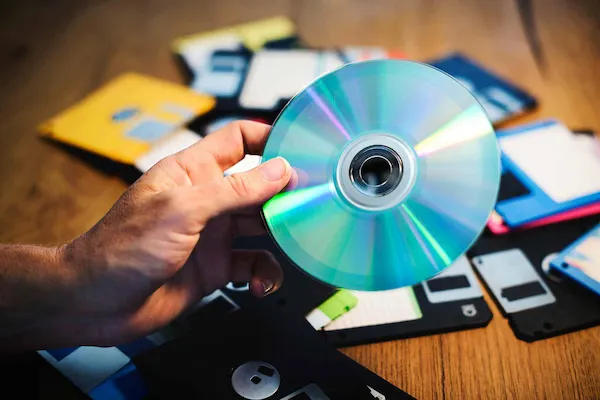 Sooner or later, anyone preparing a CD release encounters the term Red Book. Many artists assume it refers to a technical document that only concerns manufacturing facilities. In reality, Red Book standards continue to influence how professional CD projects are organized long before a replication plant receives the production master.
Without diving into engineering specifications, Red Book can be thought of as the foundation that established how audio CDs should be structured. It created a common framework that allows discs to play consistently across different players, systems, and production environments. Even though technology has changed dramatically since the format was introduced, manufacturers still rely on these standards because consistency remains essential when producing physical media.
One of the most practical areas affected by Red Book standards involves track layout and timing. When listeners move from one song to the next, they rarely think about the spacing between tracks. Production facilities do. A release must have clearly defined track starts, track transitions, and timing information. What seems like a small detail during preparation can become much more important once a project reaches manufacturing.
We occasionally see projects where artists spend months refining the music but only begin considering production structure after the master is complete. Questions suddenly appear. Should there be a pause between tracks? Should songs transition seamlessly? Are track markers positioned correctly? These decisions affect how the finished disc behaves during playback and how the release is interpreted during manufacturing.
We occasionally receive projects where the artist intended a seamless transition between songs, but the production files contained unintended gaps. Discovering that issue before replication is far easier than explaining it after several hundred discs have already been manufactured.
Compatibility is another reason Red Book standards remain relevant. Physical media exists in a world where playback systems vary widely. Some listeners use modern hardware, while others continue using older CD players in cars, home stereos, broadcast environments, or archival systems. Manufacturing facilities aim to produce discs that behave predictably across as many playback scenarios as possible, and established standards help achieve that goal.
For artists, the important takeaway is not memorizing technical specifications. It is understanding that a CD release requires more than approved audio files. Production consistency matters. Small structural details that seem insignificant during the creative stage can become surprisingly important once replication begins.
As a result, Red Book-related checks are often included in the final production review before files are delivered for manufacturing. A thorough mastering checklist helps identify potential issues before production files are delivered, reducing the chances of discovering avoidable problems after the project has already entered the replication pipeline.
Many modern artists never think about Red Book requirements until a manufacturing facility asks questions about them. By that stage, deadlines may already be approaching. Addressing those details before production starts is usually far easier than trying to solve them once the release is already moving toward replication.
PQ Codes, ISRC Data and the Information Hidden Inside a CD Master
Most artists think of a CD master as audio. Songs, transitions, track order, and listening experience. That is certainly part of the picture, but a professional CD master contains much more than music alone. Hidden beneath the audio is a layer of information that helps players navigate the disc, identifies individual tracks, and ensures the release behaves as intended once it reaches listeners.
One of the most important components is the use of PQ codes. These markers define where tracks begin, where they end, and how navigation works throughout the disc. When someone presses the "next track" button on a CD player, the device is responding to information stored within the production master. Without properly configured indexing, playback behavior can become inconsistent or confusing.
Track indexing may sound like a minor technical detail, but it directly affects the user experience. Imagine a live album where applause is accidentally split between tracks, or a continuous mix where transitions are interrupted by incorrectly placed markers. The music itself has not changed, yet the listener experiences the release differently because the navigation structure was not prepared correctly.
Another important layer involves ISRC codes. These identifiers can be embedded within a CD production master and associated with individual tracks. While listeners never see them during playback, they become part of the overall release structure. Missing or incorrect information often creates unnecessary administrative work later, which is why verification usually takes place before the production master is finalized.
Many projects also include CD Text. On compatible players, this allows album titles, artist names, and track information to appear directly on the display. It is a feature that often goes unnoticed when everything works correctly, yet it contributes to a more complete and professional physical release.
What makes these elements interesting is that none of them directly change the sound of the music. They affect how the release is identified, organized, and navigated. A listener may never consciously think about PQ markers or embedded track information, but they immediately notice when navigation behaves unexpectedly or when track data is missing where it should appear.
This is one of the reasons CD mastering extends beyond audio preparation. It is also a process of information management. The goal is not simply delivering songs. The goal is delivering a release that functions correctly as a complete product. Audio, track structure, identification data, and playback navigation all need to work together before manufacturing begins.
For that reason, we encourage artists to gather and verify project information before final delivery whenever possible. Just as technical preparation matters when you prepare a mix for mastering, metadata and release information should be organized before the production master is assembled. Small details are often easiest to fix before replication starts rather than after production files have already been approved.
The Most Common Manufacturing Problems We See Before Replication
When artists think about problems that can affect a CD release, they often imagine audio-related issues. In reality, many manufacturing delays have nothing to do with the music itself. The songs may be approved, the master may be finished, and the creative work may be complete. Yet production can still be interrupted by organizational mistakes, incomplete information, or preventable delivery errors.
One of the most common issues involves missing metadata. A project arrives with final audio, but important release information has not been verified. Track titles are inconsistent across documents. ISRC codes are incomplete. Album information changes after production files have already been prepared. None of these issues affect how the music sounds, but they can create unnecessary confusion during manufacturing.
Incorrect sequencing is another recurring problem. This often happens during the final stages of a release when multiple versions of a project exist. An artist may approve one track order while an older sequence accidentally makes its way into the production package. On a ten-track album, the mistake can be frustrating. On larger releases, discovering the issue late in the process can become significantly more expensive.
One project arrived with two nearly identical versions of the same album stored in separate folders. The approved version and the manufacturing version differed by only one track. Nobody noticed until the production review stage. Catching the mistake before replication saved the client from re-running an entire manufacturing order.
In that situation, the filenames matched, the artwork matched, and the track count matched. The only difference was the approved sequence. Without a production review, the mistake would likely have reached manufacturing.
Spacing between tracks also deserves more attention than many artists realize. A release may contain carefully planned transitions, intentional pauses, or continuous playback sections. If spacing decisions are changed during the preparation stage or interpreted incorrectly between revisions, the listening experience can differ from what was originally approved. Manufacturing facilities can only reproduce the information they receive.
Delivery format mistakes remain surprisingly common as well. We occasionally see projects where production files are scattered across multiple folders, renamed several times, or delivered in formats that require additional interpretation before manufacturing can begin. Every additional step increases the possibility of human error. The more clearly a project is organized, the more predictable the production process becomes.
In other cases, every file may be technically correct, yet different versions have been shared through email attachments, cloud folders, and archived backups. Verifying which version is actually approved can take longer than reviewing the audio itself.
In some projects, resolving version confusion takes more time than preparing the production master. The challenge is rarely technical. It is determining which files represent the final approved release.
Last-minute revisions are responsible for many avoidable complications. A track is replaced hours before manufacturing. A title changes after the production master has already been prepared. A revised version arrives but is not properly documented. These situations rarely occur because someone is careless. They occur because release schedules become hectic as deadlines approach.
Another risk appears when the wrong production files are submitted altogether. It happens more often than most artists expect. Multiple versions may exist across hard drives, cloud storage folders, email attachments, and project archives. Sending the wrong version to a replication facility can create problems that are difficult to spot until much later in the process.
Unlike audio problems, these mistakes often survive multiple review stages because the files themselves appear valid. The issue is not the file quality. The issue is whether the correct file reached manufacturing.
In practice, version-control problems are among the easiest mistakes to underestimate. The files often look identical at first glance, and the differences may only become obvious after production has already moved forward.
What surprises many artists is that the biggest manufacturing setbacks rarely come from the music itself. More often, they come from project management failures — incorrect files, inconsistent documentation, incomplete release data, or rushed revisions made shortly before production. They originate in project organization, file management, documentation, and delivery preparation. This is one reason why an early mastering feedback review can be valuable before manufacturing begins. Identifying potential production issues while a project is still flexible is usually far easier than correcting them after replication has already entered the schedule.
By the time discs are being manufactured, the goal should be confidence rather than discovery. The fewer unanswered questions that remain at the production stage, the smoother the entire release process tends to be.
When a Separate CD Master Is Worth Creating
Not every music project requires a dedicated CD production master. Many releases today never enter physical manufacturing, making additional production preparation unnecessary. If a project is intended exclusively for digital delivery, the workflow is often much simpler. The conversation changes, however, once physical replication becomes part of the release plan and manufacturing costs become part of the overall release budget.
Commercial manufacturing is one of the clearest examples. Whether a project involves a few hundred copies or several thousand, the cost of correcting mistakes increases dramatically after production begins. At that point, a dedicated CD master becomes less about audio and more about ensuring that the release is organized, documented, and prepared correctly before replication starts.
Record labels frequently take this approach because physical products involve multiple moving parts beyond the music itself. Manufacturing schedules, release dates, inventory planning, distribution logistics, and promotional campaigns often depend on production files being correct the first time. Small errors that seem insignificant during preparation can become expensive once deadlines and manufacturing commitments are involved.
Physical merchandise campaigns create similar challenges. Artists regularly bundle CDs with signed artwork, tour merchandise, crowdfunding rewards, or special fan packages. In these situations, the disc becomes part of a larger product. Delays caused by production issues can affect far more than the music release alone. They can disrupt fulfillment schedules and create additional costs across an entire campaign.
Collector editions are another category where preparation becomes especially important. These releases are often produced in limited quantities and targeted toward dedicated fans. Because manufacturing runs may be relatively small, there is less room for costly corrections after production has already been completed. A mistake affecting a limited-edition release can be difficult to reverse once products are packaged and shipped.
Larger projects naturally introduce additional complexity. A multi-track EP release requires more production planning than a standalone song, while a full album release adds even more variables. Track order, indexing, metadata, documentation, and production files all need to remain consistent across the entire project. As the number of tracks grows, the value of a properly prepared production master grows with it.
Viewed from a production standpoint, the decision usually comes down to manufacturing risk. Not every release needs a dedicated CD production master. But once physical manufacturing enters the picture, preparation becomes significantly more important than many artists initially expect. The purpose is practical. The earlier production issues are identified, the easier and less expensive they are to correct.
CD Mastering for Independent Artists and Labels in the United States
Although music consumption has become overwhelmingly digital, CD manufacturing continues to serve a practical role for many independent artists and labels across the United States. In our experience, most modern CD projects are not aimed at large retail distribution. Instead, they are designed for specific audiences and specific business goals.
The clients who request CD mastering today are rarely major-label retail releases. More commonly, they are independent artists, touring bands, classical ensembles, soundtrack composers, educational publishers, and small labels producing limited manufacturing runs.
Direct-to-fan sales remain one of the most common examples. Artists frequently include CDs in merchandise bundles, crowdfunding rewards, VIP packages, and limited-edition releases. A physical product gives supporters something tangible to own while creating an additional revenue stream beyond digital platforms.
Touring artists continue to use CDs in a similar way. At a merchandise table, a physical release often becomes more than a music format. It becomes a souvenir connected to a live experience. Fans who want something signed or collectible are often looking for a product they can take home, display, and keep as part of their collection.
Small labels also continue producing CDs for niche genres, archival projects, soundtrack releases, educational content, and collector-focused products. These manufacturing runs are often relatively small compared to historical standards, but they still require the same level of preparation before replication begins.
Because physical production introduces additional costs, preparation becomes increasingly important from a budgeting perspective. Manufacturing, packaging, shipping, and inventory all contribute to the final project cost. For that reason, many artists evaluate production expenses alongside their mastering budget before committing to a release plan. Others simply try to balance manufacturing expenses with the overall production budget.
The important takeaway is that CD manufacturing remains active where physical products provide value beyond simple music delivery. Collector editions, merchandise bundles, direct sales, and niche label releases continue to create demand for professionally prepared production masters. The market may be smaller than it once was, but for many independent artists and labels, physical releases still serve a meaningful role in the overall release strategy.
Before You Send Your Release to Manufacturing, Verify the Master
Once replication starts, simple mistakes can become expensive problems. Incorrect production files, missing metadata, sequencing errors, or incomplete delivery packages often go unnoticed until deadlines are already approaching. Before your release reaches a CD plant, our studio can review the project, evaluate production readiness, and provide a free 30-second demo master so you can hear the results and identify potential issues before manufacturing begins.
Free 30-second demo mastering • Production-ready evaluation • Real mastering engineers
Frequently Asked Questions About CD Mastering
What is CD mastering?
CD mastering is the process of preparing a music release for physical CD production. Beyond the audio itself, it involves organizing track information, indexing, metadata, timing data, and production-ready delivery formats so that a replication facility can manufacture the release accurately and consistently.
Do I need a separate master for CD production?
Not always. Some projects can use the same approved audio master for both digital and physical formats. However, once manufacturing requirements, metadata verification, DDP creation, and production preparation become necessary, a dedicated CD production master often provides a safer and more reliable workflow.
What is DDP?
DDP (Disc Description Protocol) is a professional delivery format commonly used for CD replication. Instead of sending separate audio files, a DDP package combines the audio and production information into a structured master that helps reduce manufacturing errors and improves consistency during replication.
Can I send WAV files directly to a CD plant?
In some cases, yes. Many manufacturing facilities can work with WAV files. However, audio files alone do not always contain the organizational and production information required for efficient replication. This is one reason why many plants prefer receiving a properly prepared DDP master whenever possible.
What are PQ codes?
PQ codes are markers within a CD master that define track starts, track endings, indexing points, and navigation information. They help CD players identify individual tracks and allow listeners to move through the release correctly during playback.
What is Red Book compliance?
Red Book refers to the original standard that defines how audio CDs are structured. While artists rarely need to study the specifications themselves, manufacturing facilities still use these guidelines to ensure playback compatibility, proper timing information, and production consistency across physical releases.
Can streaming and CD versions use the same master?
In many cases, yes. The audio content may remain identical. The important distinction is that CD production often requires additional preparation, verification, metadata management, and manufacturing-specific delivery formats that go beyond the requirements of digital distribution.
Does CD mastering include metadata preparation?
Yes. Depending on the project, CD mastering can include verification of track titles, ISRC codes, CD Text information, indexing data, sequencing details, and other production-related information that becomes part of the final manufacturing master.
Do CD replication plants require DDP?
Not always. Some facilities accept WAV files and alternative delivery formats. However, DDP remains the preferred option for many professional replication plants because it reduces ambiguity and provides a structured production master that is easier to verify before manufacturing.