
Motown-to-Modern: Mixing Vintage Soul and Modern R&B in Detroit
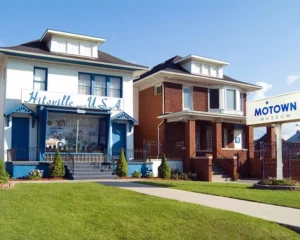 Detroit is not just historically important to music — it is sonically opinionated. The tonal expectations here are different. Artists raised in Michigan grew up hearing records shaped inside the walls of the Motown Museum and the original Hitsville U.S.A. building. That reference point still affects how listeners in Detroit perceive warmth, groove, and vocal presence.
The recent expansion of the Motown campus did more than add square footage. It reactivated global attention around Detroit’s recording legacy. As a result, independent R&B artists across Midtown, Corktown, Hamtramck and the greater Metro Detroit area increasingly search for engineers who understand how to preserve analog character while delivering streaming-ready clarity.
Modern Detroit releases must compete on Spotify and Apple Music, yet they cannot lose the harmonic density that defines soul. Mixing vintage-inspired records and mastering modern Detroit R&B require two different engineering philosophies — and knowing when to combine them is what separates generic mixing from genre-accurate production.
Detroit Mixing Engineer Perspective: Why Local Context Matters
Working as a Detroit mixing engineer means understanding more than frequencies. The Michigan music scene blends church-driven harmonies, soul rhythm sections, underground hip-hop textures and modern R&B aesthetics. Independent Detroit artists often record in home studios, Midtown production spaces or collaborative creative hubs across Metro Detroit. Each environment creates different acoustic challenges that affect tonal balance.
Professional mixing in Detroit requires translation awareness. Records must sound powerful in car systems during long Michigan commutes, clear in small rehearsal rooms, and competitive on national streaming platforms. R&B mastering in Detroit, MI is not about loudness inflation. It is about preserving harmonic character while ensuring modern playback consistency.
Why Detroit’s Motown Legacy Still Shapes Mixing Decisions
When artists in Detroit reference “that Motown feel,” they are not requesting retro distortion. They are describing emotional cohesion. The city’s sonic identity emphasizes groove stability, midrange authority, and musical compression rather than hyper-loud aggression.
- The Motown Sound: What Engineers Were Actually Doing: original Motown engineers worked within technical constraints that shaped tone. Tape machines introduced harmonic saturation that smoothed transients. Tube consoles added density in the low-mids. Sessions were tracked live, often in shared acoustic space, creating natural bleed that glued instruments together before any processing occurred. Mono compatibility forced balance decisions that prioritized center image strength. Engineers had limited dynamic headroom by today’s standards, yet they maintained rhythmic clarity because groove was prioritized over perceived loudness. This combination created records that still translate on small speakers, car systems, and radio playback — formats still relevant in Detroit commuting culture.
- Why “Motown Warmth” Is Often Misunderstood: warmth was structural. It came from arrangement discipline, controlled cymbal energy, vocal proximity technique, and bass lines that supported rather than dominated. Excess sub frequencies were rare. Harsh top-end boosts were avoided. The rhythm section locked into a cohesive pulse that carried emotional weight. Motown-style mixing in Detroit studios today requires reinterpretation, not imitation. Engineers must recreate density without reintroducing noise floors, distortion artifacts, or narrow bandwidth limitations that no longer serve modern releases.
Mixing Vintage Soul in 2026: Technical Approach for Authentic Tone
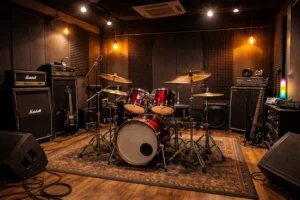 When a Detroit-based neo-soul artist asks for a “classic feel,” the solution is not presets. It is workflow.
Drums in vintage-leaning productions benefit from bus compression that emphasizes glue before punch. Instead of aggressive transient shaping common in pop, engineers rely on harmonic saturation and moderate parallel compression to create density. The goal is movement without stiffness. A subtle room impulse response can simulate live tracking cohesion without overwhelming clarity.
Bass remains the anchor of groove. Emphasis typically lives between 80 and 120 Hz, where rhythmic perception is strongest. Excessive sub below 50 Hz is controlled to prevent streaming distortion. Harmonic enhancement replaces heavy limiting, ensuring translation across consumer playback systems in Detroit cars, clubs, and home speakers.
Vocals must feel intimate but forward. Plate reverbs recreate classic spatial tails, while compression with slower attack times preserves articulation. Over-bright de-essing is avoided to maintain organic texture. The emotional delivery remains central.
Stereo width is restrained. Vintage-inspired soul mixes maintain a strong center image, allowing groove to dominate perception. Controlled width expansion can modernize the presentation without sacrificing authenticity.
Mixing Modern Detroit R&B: Clarity, Width & Streaming Impact
Contemporary R&B artists in Detroit operate in a competitive digital landscape. Tracks must stand beside national releases without sounding generic.
Low-end translation becomes critical. LUFS targets are approached strategically, understanding that Spotify normalization reduces the advantage of hyper-loud masters. Sub frequencies are sculpted to maintain clarity without overwhelming small playback systems. Proper low-end phase alignment ensures punch translates beyond studio monitors.
Modern R&B frequently relies on wide imaging and vocal air. Mid/Side processing enhances stereo depth without thinning the center. Harmonic exciters are used sparingly to avoid brittle highs. Automation plays a larger role than in vintage productions, shaping emotional progression through dynamic spatial shifts.
A hybrid approach often defines Detroit’s emerging sound. Analog-style harmonic density on buses can coexist with digital precision in transient control. The result preserves groove while achieving contemporary competitiveness.
Recently, a Detroit R&B vocalist recording in a Midtown project studio brought in a mix that felt polished but emotionally flat. The issue was excessive limiting and scooped midrange EQ. By rebalancing harmonic saturation and restoring midrange authority, the record regained warmth without losing clarity. That adjustment alone shifted how the chorus translated on streaming platforms.
Mastering Detroit R&B: What Changes at the Final Stage?
 Mastering Detroit R&B requires musical restraint. The objective is not loudness dominance but tonal balance and translation consistency.
Gentle clipping combined with transparent limiting can preserve analog character while achieving competitive level. Over-bright tonal shaping is avoided to prevent fatigue. Groove integrity remains priority.
Loudness decisions must align with genre intent. Soul-driven records often benefit from moderate dynamic range. Over-limiting can flatten rhythmic movement and emotional depth. Target loudness ranges are chosen based on streaming context and playback environments common in Michigan listening habits.
If you want to evaluate how your record translates before committing to a full project, you can request a free online demo master of your chorus. Upload your stem, receive a refined reference within 48 hours, and compare tonal balance and loudness direction before moving forward.
Detroit Artists: When to Choose a Genre-Specific Mixing Engineer
Not every mixing engineer understands Detroit’s cultural sonic memory. A record that sounds technically correct may still feel disconnected from local expectations.
If your mix feels harsh on the top end, lacks midrange presence, or suffers from over-compressed drums that remove groove movement, genre-specific engineering may be necessary. Artists recording in basement studios, commercial Detroit recording studios, or home setups across Michigan often encounter translation problems that require experienced tonal correction.
Detroit listeners subconsciously compare new releases to decades of soul and church-influenced vocal traditions. Engineers who understand that lineage can shape mixes that resonate locally while remaining nationally competitive.
From Hitsville Heritage to Streaming Playlists: A Practical Workflow
Effective projects begin with structured session preparation and gain staging optimization. Reference analysis identifies tonal targets without copying arrangement decisions. Analog emulation chains introduce harmonic density while preserving headroom. Translation testing across monitors, headphones, and automotive systems ensures reliability.
This workflow allows Detroit artists to retain identity while meeting platform standards.
Advanced Engineering Considerations: Harmonic Density, Phase & Translation
Harmonic Spectrum: Vintage Soul vs Modern R&B
Classic Detroit soul recordings concentrate their emotional energy in the midrange spectrum between roughly 200 Hz and 2.5 kHz. This is the region where vocal presence, guitar articulation and bass definition intersect. The harmonic density in this area creates warmth without relying on exaggerated sub frequencies or aggressive top-end boosts.
Modern R&B productions, by contrast, extend deeper into sub frequencies below 50 Hz and often introduce additional “air” above 10 kHz. The result is a wider spectral footprint. When blending these two aesthetics, careful harmonic control becomes critical. Excess low-mid accumulation around 250–400 Hz can cloud clarity, while overly enhanced highs can strip the mix of soul character. Precision saturation and controlled EQ layering allow the mix to feel rich and emotionally dense without becoming congested.
Car Speaker Translation in Detroit Commuting Culture
Detroit is a driving city, and many independent Detroit artists evaluate their music first inside a car. Automotive playback systems naturally compress dynamics and emphasize certain low-mid frequencies due to cabin resonance. If a mix already contains uncontrolled buildup in the 250–400 Hz region, it will sound muddy and undefined during real-world commuting playback.
Professional mixing in Detroit requires intentional translation testing. Low-end sculpting, dynamic control and phase consistency must be verified beyond studio monitors. A record that sounds balanced in a controlled environment but collapses in a vehicle loses commercial impact. Translation reliability across Michigan commuting systems is not optional — it is a competitive necessity.
Phase Alignment: 808 and Live Bass Interaction
Contemporary Detroit R&B frequently combines live bass performance with programmed 808 layers. Without careful phase alignment, these elements can partially cancel each other in the 40–120 Hz range, reducing punch and perceived power. The issue is not volume but waveform interaction.
Aligning transient peaks, adjusting polarity where necessary and controlling overlapping harmonic content ensures cohesive low-end energy. This strategy preserves groove while maintaining streaming consistency. When executed properly, the result feels solid and controlled rather than inflated or unstable.
These advanced refinements are rarely discussed publicly, yet they often separate a generic mix from a professional Detroit mixing engineer approach that translates across streaming platforms and real-world playback environments.
About the Engineer
AREFYEV Studio has worked with artists across soul, R&B, hip-hop and pop for over a decade, delivering mixes that balance analog warmth with modern clarity. Projects range from independent Detroit musicians to international releases distributed on major streaming platforms. Every mix is approached with genre awareness, structured revision workflow and technical precision focused on translation across real-world listening environments.
This combination of experience and cultural sensitivity allows Detroit artists to compete nationally without sacrificing identity.
All monitoring decisions are made in calibrated acoustic conditions to ensure consistent translation across streaming platforms, studio systems and automotive playback environments.
Get a Detroit Genre-Fit Mixing Quote
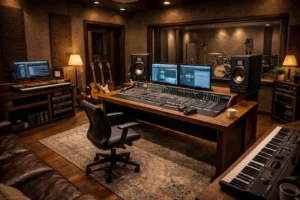 If you are preparing a soul or R&B release and want it to translate beyond your studio monitors, structured mixing and mastering can redefine how your record feels. After receiving properly prepared stems, initial mix delivery is typically completed within a structured timeline depending on arrangement complexity. Each project includes structured revision rounds focused on tonal precision rather than cosmetic adjustments.
Projects typically include:
- Detailed mix analysis
- Harmonic balance refinement
- Streaming-ready mastering
- Structured revision rounds
- Clear turnaround timelines
Whether you are an independent Detroit artist or releasing nationally, you can order professional online mixing and mastering at AREFYEV Studio and receive a tailored quote based on your track’s arrangement and production complexity.
Frequently Asked Questions About Mixing and Mastering in Detroit
Is Motown-style mixing possible in a fully digital environment?
Yes, but it requires more than tape emulation plugins. Authentic Detroit-inspired mixes rely on midrange balance, controlled top-end energy, and groove-preserving dynamics. Without proper tonal shaping, digital mixes can sound technically clean but emotionally flat.
How loud should a Detroit R&B master be for Spotify?
Most soulful R&B releases benefit from moderate loudness that preserves transient movement. Over-limited masters often lose warmth and depth. The target should prioritize clarity and groove rather than maximum LUFS.
Can online mixing compete with Detroit recording studios?
Yes — if the engineer understands Detroit’s sonic culture. The advantage of online mixing is precision monitoring environments and dedicated focus. The key factor is genre awareness, not physical studio location.
How do I know if my track needs genre-specific mastering?
If your mix sounds harsh on car speakers, loses midrange presence on smaller systems, or feels thin compared to classic Detroit records, professional mastering tailored to soul and R&B aesthetics can restore balance.
What files should I send for mixing?
Ideally, consolidated WAV stems at original sample rate and bit depth, exported without bus limiting. Clean gain staging before delivery ensures maximum flexibility during mixing.