
Stem Export & Van Workflow for Detroit Live Shows: From Fox Theatre to Saint Andrew’s Hall
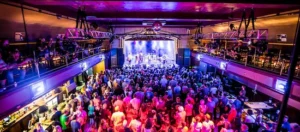 After a late-night show in Detroit, the applause fades, the lights come up, and the real work begins. Whether you’ve just performed at the Fox Theatre in Detroit, MI, packed the floor at Saint Andrew’s Hall, or played an intense set at Magic Stick, your front-of-house multitrack recording is ready. The adrenaline is still high, but your band is already loading gear into the van or heading back to a Midtown hotel. That’s the moment when stem export Detroit workflow decisions either protect your performance — or delay your mix for days.
When multitracks are captured correctly but exported poorly, remote mixing cannot begin immediately. A mislabeled file, clipped channel, or missing crowd mic can add unnecessary back-and-forth. Detroit live acts often search for how to export stems after gig Detroit situations because they need fast turnaround for social clips, live singles, or next-day promo uploads. A structured, venue-aware process ensures that your engineer can start working the same night you finish the show.
Why Stem Export in Detroit Requires a Venue-Specific Workflow
Detroit venues vary dramatically in console architecture, routing flexibility, and recording infrastructure. Treating every venue the same is the fastest way to create inconsistencies in your live stems.
- Large Theater Console Exports (Fox Theatre Detroit): The Fox Theatre in Detroit, MI typically operates high-end digital consoles with MADI or Dante capture systems. These large-format setups often record pre-fader multitracks, meaning your exported stems may sound dry and unprocessed compared to the live room experience. Bands must verify whether they are receiving raw inputs or post-processed channels. Large theaters also require coordination with house engineers to confirm sample rate, bit depth, and file transfer method before leaving the building. Assuming you can export directly without confirming routing assignments can create missing channels.
- Mid-Size Club Multitracks (Saint Andrew’s Hall & Magic Stick): At Saint Andrew’s Hall and Magic Stick, console setups vary by touring package. USB-based multitrack capture is common, and session organization is sometimes left to the touring engineer. Mid-size clubs may provide less standardized naming or routing. In these environments, stem export Detroit procedures must include immediate verification that drum submixes were not accidentally printed as stereo pairs unless intentionally designed that way.
- West-Side Clubs and DIY Spaces: Limited Routing & Backup Strategy: Smaller West-side clubs or DIY venues in Detroit often run simplified digital desks with limited routing flexibility. In these cases, you may receive fewer discrete channels than expected. It becomes essential to back up raw multitrack files before consolidating stems. If a console records at 48 kHz but your remote mix session is at 44.1 kHz, sample rate conversion must be handled carefully to avoid artifacts.
Immediate After-Gig Workflow: Export Stems in the Parking Lot
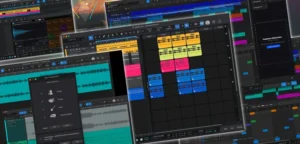 Live show momentum matters. The parking lot export process should be intentional, not rushed.
- Step 1 — Consolidate Multitracks Before Leaving the Venue: Before your van leaves Downtown Detroit, confirm that all multitrack files open correctly. Consolidate each channel from zero so every file starts at the same time reference. This avoids alignment errors when mixing begins.
- Step 2 — Bounce Stems With Correct Headroom (-6 dBFS Rule): Avoid exporting hot stems. Leaving approximately -6 dBFS peak headroom ensures your remote engineer can apply processing without distortion. Live shows are dynamic, and clipping during export is one of the most common issues when artists export stems after gig Detroit performances.
- Step 3 — Naming Convention for Detroit Live Sessions: Consistent naming reduces confusion. A clear system such as BandName_FoxTheatre_Detroit_Drums.wav or BandName_SaintAndrewsHall_GuitarL.wav ensures session clarity. Including venue references helps organize multi-show tours and prevents file duplication.
Van & Hotel Upload Strategy in Detroit, MI
Exporting stems is only half the process. Upload reliability determines when mixing actually begins.
- Wi-Fi Realities Near Downtown Detroit Venues: Downtown Detroit networks near major venues can become congested after events. Large file uploads immediately after a show may stall. Testing upload speed before committing to cloud transfer prevents corruption or incomplete files.
- Upload Speeds in Midtown & Cass Corridor Hotels: Midtown Detroit and Cass Corridor hotels often offer stable wired internet connections that outperform venue Wi-Fi. If possible, wait until reaching your hotel before initiating large multitrack uploads.
- When to Use Mobile Hotspot vs Hotel Network: Mobile hotspots can provide surprisingly consistent upload speeds late at night. However, cellular throttling can slow large transfers. For sessions exceeding 10 GB, a stable hotel network is typically more reliable than van-based tethering.
Technical Stem Export Settings for Live Shows
A properly prepared live recording requires technical discipline beyond simple file bouncing.
- Bit Depth & Sample Rate (Why 24-bit Matters After a Loud Show): Live shows generate unpredictable peaks. Exporting at 24-bit preserves transient detail and allows greater dynamic flexibility during mixing. Reducing to 16-bit prematurely limits processing headroom and increases quantization noise.
- Phase Integrity in Live Drum Stems: Multi-mic drum setups demand careful phase alignment. When exporting stems, ensure that overheads, room mics, and close mics remain time-aligned. Shifting files accidentally during consolidation can cause comb filtering, reducing punch and clarity.
- Crowd Mics: Keep or Remove? Crowd ambience defines live character. Removing crowd mics entirely can make a Detroit performance feel sterile. Instead of deleting them, export crowd channels separately so they can be blended intentionally during mixing.
- Managing Spill From FOH Multitrack Recordings: Live multitracks inevitably contain bleed. Rather than attempting aggressive gating before export, preserve raw integrity. Controlled spill can enhance realism when managed properly in post-production.
Common Mistakes When Exporting Stems After a Detroit Gig
Printing heavy bus compression onto stems limits flexibility during mixing. Forgetting audience microphones removes emotional impact. Clipping preamps at the console stage creates irreversible distortion. Exporting mono files for stereo sources collapses imaging. Failing to label files by venue causes confusion when organizing tour archives. These issues slow down professional stem export Detroit workflows and delay final release timelines.
— See also: Motown-to-Modern: Mixing Vintage Soul and Modern R&B in Detroit —
How a Detroit Remote Mixing Engineer Uses Your Live Stems
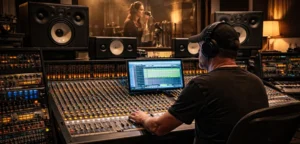 Cleanly exported stems allow mixing to begin immediately. A professional stem export Detroit workflow saves hours otherwise spent correcting alignment or distortion issues.
- Why Clean Export Saves 4–6 Hours of Mix Time: When stems arrive organized and gain-staged properly, an engineer can focus on tone shaping rather than file repair. This accelerates turnaround for Detroit live bands preparing rapid social media releases.
- Fast Turnaround for Touring Acts: Touring schedules rarely allow delays. Efficient export allows remote mixing for Detroit live bands to begin overnight, often delivering first passes within 48 hours.
- Preparing a Live EP From Detroit Shows: Multiple venue recordings can be compiled into a cohesive live EP when stems are consistently exported. Maintaining venue naming conventions ensures clarity across sessions. Bands in Detroit often need a same-week turnaround for post-show releases.
About the Engineer: Live Show Mixing & Touring Workflow Experience
AREFYEV Studio has more than a decade of experience working with multitrack recordings from live concerts and touring acts across the United States. Sessions regularly include FOH multitrack captures from large theaters, mid-size clubs, and touring productions with complex routing systems.
All mixing decisions are made in a calibrated monitoring environment with multi-reference translation testing across studio monitors, headphones, and real-world playback systems. This ensures that Detroit live recordings translate consistently on streaming platforms, car systems, and club playback environments.
Experience with FOH multitrack workflows, touring export logistics, and remote mix turnaround pipelines allows Detroit artists to move from raw live stems to release-ready masters without unnecessary delays.
Upload One Stem for a Free Check (Detroit Artists Only)
If you want to confirm your live recording quality before committing to a full mix, you can upload one stem for a free technical review. Within 24 hours, you will receive feedback on headroom, noise floor, and export accuracy. There is no obligation — just clarity before moving forward.
Need a Fast Remote Mix From Your Detroit Show?
If you are ready to move from raw multitrack to finished release, AREFYEV Studio provides online mixing and mastering tailored for Detroit live performances.
Projects typically include structured revisions, optimized loudness for streaming, and delivery within 48–72 hours depending on session complexity. When your stems are exported correctly, your live show can become a polished release quickly and efficiently.
Frequently Asked Questions About Stem Export in Detroit
How soon should I export stems after a gig?
Ideally within hours of the performance, before files are misplaced or corrupted.
Can I export directly from FOH console?
Yes, but verify routing configuration and headroom settings before bouncing.
What if Wi-Fi is slow near Fox Theatre?
Wait until reaching a stable hotel network in Midtown Detroit before uploading large files.
Should I normalize live stems?
No. Leave natural headroom to preserve dynamic flexibility.
Do I include crowd mics?
Yes, export them separately to retain live atmosphere control during mixing.