
Gain Staging In Mixing: Why Consistent Signal Levels Lead To Better Mixing Decisions
Gain staging in mixing is often described as setting the "correct" level before processing begins. That definition is only part of the story. In professional sessions, gain staging is less about reaching a particular number and more about creating a signal structure that remains predictable from the first balance adjustment to the final mixing decision. When levels stay consistent, it becomes easier to evaluate every move without constantly questioning whether the signal itself has changed.
Many producers assume gain staging is simply another way of avoiding overload or making tracks louder. In reality, it serves a much broader purpose. Stable signal levels help every processing stage respond in a more consistent and predictable way, making it easier to judge whether each adjustment is actually improving the mix. Modern DAWs provide enormous internal headroom, but they have not eliminated the need for organized level management. They have simply shifted the focus from chasing numbers to maintaining a workflow that stays reliable from beginning to end. As we explain in our guide to what mixing really involves, successful mixes are created through a series of connected decisions, and gain staging helps keep those decisions clear, repeatable, and easier to trust.
Why Gain Staging Is About Control Rather Than Numbers
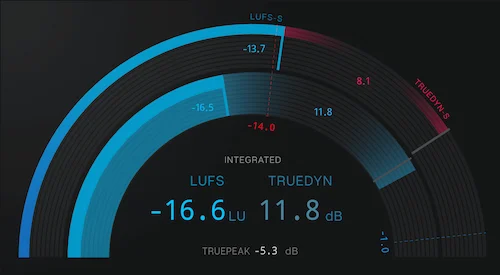 One of the most persistent misconceptions about gain staging is that success can be measured by reaching a specific value on a meter. It sounds reassuring because numbers feel objective. If every track starts at the "right" level, the mix should work... right? In practice, that idea rarely survives a real session. Every recording arrives with different performances, different dynamics, and different production choices. Applying one target level to every source ignores the fact that music is built from variation, not uniformity.
A vocal with wide emotional dynamics, a tightly edited drum performance, and a softly played piano all behave differently before any processing begins. Expecting them to fit the same numerical starting point often creates unnecessary adjustments rather than simplifying the workflow. Experienced engineers usually ask a different question: "Is this signal entering the next stage in a predictable way?" That shift in thinking changes everything. Instead of chasing a reading, the focus moves toward creating a session where every decision can be evaluated with confidence.
Predictability is the real advantage of effective gain staging. When signal levels remain reasonably consistent throughout a project, processors respond more reliably, comparisons become more meaningful, and small changes are easier to judge. Imagine revisiting yesterday's mix after a night's sleep. If the underlying gain structure has remained stable, it takes only a few moments to reconnect with the balance of the song. If levels have drifted throughout the session, every adjustment starts to feel uncertain because the reference point keeps moving.
This is one reason professional mixing sessions tend to progress more efficiently than many home productions. The goal is not to create perfectly matched tracks but to maintain an environment where decisions stay repeatable. Stable signal flow reduces second-guessing. Engineers spend less time wondering whether a processor reacted differently because of the musical change they made or because the incoming level quietly shifted along the way.
Numbers still have value. They help monitor consistency, communicate between collaborators, and reveal obvious problems. What they should never become is the objective itself. A meter cannot determine whether a mix feels controlled, transparent, or emotionally convincing. Those judgments come from listening. Gain staging simply supports that process by removing unnecessary variables, allowing attention to stay where it belongs—on the music rather than on constantly correcting the signal feeding it.
| Signal Situation | Typical Result | Mixing Impact |
|---|---|---|
| Consistent Levels | Predictable processing | Stable decisions |
| Excessively Hot Signals | Unstable plugin response | Harder to judge changes |
| Extremely Low Signals | Reduced working consistency | Frequent level compensation |
| Controlled Gain Structure | Reliable workflow | Easier long-term balance |
Signal Flow And Why Every Processing Decision Depends On It
Every audio signal follows a path from its source to the finished mix. That path is more than a technical route—it is the foundation on which every later decision depends. Whatever level enters one stage becomes the starting point for the next. The signal does not reset itself between processes. It carries its history forward, which means small inconsistencies introduced early in a session often continue influencing the mix long after they have been forgotten.
This is why experienced engineers pay close attention to signal flow long before a mix reaches its final balance. Imagine a session where a few drum tracks arrive noticeably louder than everything else. They may not sound distorted, and they may even seem perfectly usable in isolation. Yet every adjustment made afterward is now based on those elevated levels. The engineer begins compensating without necessarily realizing it. A vocal comes up slightly higher to compete. Parallel elements are trimmed to restore perspective. Little by little, the session starts revolving around an inconsistent foundation rather than around intentional creative choices.
Gain staging helps prevent that gradual shift. Instead of allowing signal levels to fluctuate unpredictably as the session develops, it establishes a stable reference that travels through the project. When each stage receives a signal that remains reasonably consistent, processing behaves more predictably and comparisons become much easier. Small changes are easier to evaluate because they are no longer competing against constantly changing input levels.
The cumulative effect is often underestimated. One inconsistent adjustment rarely ruins a mix. Ten or twenty similar inconsistencies spread across a large multitrack session create a very different picture. Engineers frequently encounter projects where nothing appears dramatically wrong, yet every decision feels surprisingly difficult to trust. After organizing the signal structure, those same projects often become noticeably easier to navigate without changing the artistic direction of the mix itself.
It is important to separate signal flow from processing order. They are closely related, but they are not the same concept. The sequence of processors only becomes meaningful when every stage receives a signal that behaves consistently. Our guide to mixing chains explores why processing order influences the final result, while gain staging addresses an earlier responsibility: ensuring that each processing stage receives a stable foundation on which reliable decisions can be made.
Ultimately, signal flow is less about moving audio from one point to another and more about preserving confidence throughout the session. Every decision inherits the level created before it. When that foundation remains controlled, engineers spend less time correcting unexpected reactions and more time shaping the musical qualities that listeners will actually notice.
Why Modern DAWs Did Not Make Gain Staging Obsolete
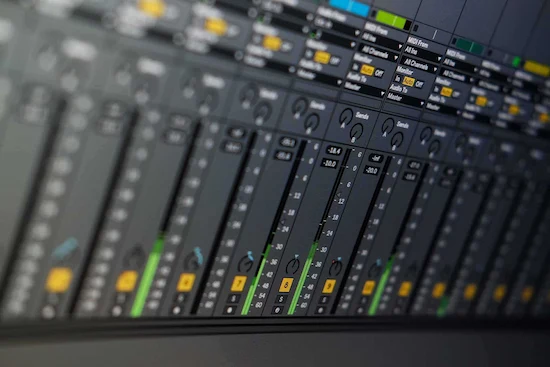 One of the most common arguments against gain staging sounds convincing at first: modern DAWs provide enormous internal headroom, so careful level management is no longer necessary. Technically, today's software is far more forgiving than older recording systems. Signals can move through complex sessions without immediately running into the limitations that once caused obvious clipping. That technological progress is real—but it has also created a misunderstanding about what gain staging is actually meant to accomplish.
The purpose of gain staging was never simply to avoid technical overload. It has always been about creating a stable working environment where every decision can be judged with confidence. Floating-point processing has removed many of the old restrictions, but it has not changed how engineers listen, compare, and evaluate a mix. Those responsibilities still depend on consistency. If signal levels fluctuate unpredictably from one stage to another, every comparison becomes a little less reliable, even when the audio itself remains technically clean.
This is especially noticeable during long sessions. A mix that begins in a controlled, organized state is easier to revisit hours later—or even several days later—because the relationships between signals remain familiar. Engineers spend less time questioning why one processor suddenly feels more aggressive or why a subtle adjustment no longer produces the expected result. The answer is often not the processor itself but the level arriving at its input. Stable gain structure allows engineers to compare one decision against the next without introducing unnecessary variables.
Another misconception is that floating-point processing somehow guarantees identical behavior regardless of input level. That is not how most real-world mixing sessions unfold. Many processors, whether transparent or intentionally character-driven, still respond differently depending on the signal they receive. Even when distortion is no longer the concern, consistency remains valuable because it allows changes to be judged against a dependable reference instead of a constantly shifting one.
Think about a project that has grown from a handful of tracks into a dense production with dozens of channels, buses, edits, and revisions. Small level changes begin accumulating almost unnoticed. None of them may be dramatic on their own, yet together they can make the session feel progressively less predictable. Engineers often recognize this moment immediately. The mix has not necessarily become worse, but it has become harder to read. Decisions take longer because confidence starts to fade.
That is why professional workflows continue to emphasize organized level management despite the capabilities of modern DAWs. Technology has reduced many technical limitations, but it has not replaced disciplined listening or structured decision-making. Gain staging remains relevant because it creates a stable foundation for the entire mixing process, allowing creative choices to evolve naturally instead of constantly adapting to changing signal conditions.
Plugin Input Behavior And Why Consistency Matters More Than Maximum Level
Every processor receives whatever signal reaches its input. That sounds obvious, yet it explains why gain staging continues to influence the quality of a mix long after the initial balance has been established. Plugins do not evaluate musical intent. They react to the signal presented to them. When that signal changes unpredictably from one revision to the next, the processor's behavior changes as well, making it increasingly difficult to judge whether the improvement came from the adjustment itself or simply from a different input level.
Many engineers experience this without immediately recognizing the cause. A compressor seems to grab harder than it did yesterday. An equalizer suddenly feels more aggressive. A dynamic processor begins reacting in ways that were not part of the original plan. The first instinct is often to keep tweaking parameters, but the real source of the change may be much earlier in the signal path. If the incoming level has shifted, the processor is no longer responding to the same material under the same conditions.
This is where consistent gain staging proves its value. It creates a stable environment in which plugins behave more predictably from one decision to the next. That does not mean every processor produces identical results regardless of the source. Different performances naturally require different settings. The goal is much simpler: remove unnecessary level variations so creative decisions are based on musical differences instead of accidental changes in signal strength.
Consider a project that undergoes several rounds of revisions. Tracks are edited, new instruments are added, vocals are replaced, and balances evolve as the arrangement develops. Without organized level management, small gain changes begin accumulating across the session. By the end of the project, the engineer may find that previously reliable settings no longer feel reliable at all. Nothing appears broken, yet familiar reference points have quietly disappeared.
Maintaining consistent input levels helps preserve those reference points. It becomes easier to compare today's decisions with yesterday's work because processors are reacting under similar conditions. That consistency speeds up critical listening. Instead of repeatedly asking whether the plugin has changed its behavior, engineers can focus on whether the musical choice actually improves the mix.
Maximum level is rarely the objective inside a professional session. Stability is. A predictable input signal allows every processing stage to contribute in a controlled and understandable way, making revisions more efficient and reducing the number of unnecessary adjustments. Over the course of a long mix, that consistency often becomes one of the biggest factors separating confident decision-making from endless experimentation.
Better mixes begin with better signal control
A stable mix rarely starts with louder tracks. It starts with consistent signal levels that make every processing decision easier to evaluate. If your session feels unpredictable, difficult to balance, or requires constant readjustment, we can identify where the workflow begins to lose stability and help build a more reliable foundation for the entire mix.
Consistent workflow. Predictable results. Professional mixing decisions.
Gain Versus Volume: Why They Influence Different Parts Of The Mixing Process
 The terms gain and volume are often used interchangeably, even though they describe two very different parts of a mixing workflow. That confusion seems harmless until it begins affecting decision-making. Engineers may believe they are simply making something louder when they are actually changing how the signal enters the next stage of processing. The result is a session that becomes progressively harder to predict, even if every adjustment appears minor on its own.
Gain determines the level of the audio signal before it reaches the next point in the signal path. Volume, by contrast, is concerned with how loudly that signal is ultimately reproduced for monitoring. Those are separate responsibilities. One influences how the audio behaves as it moves through the session, while the other influences how comfortably the engineer can judge the balance already created. Confusing the two often leads to solving the wrong problem.
Imagine a vocal that suddenly feels too aggressive after a series of revisions. One response is to reduce its output so it sits lower in the mix. Another is to lower the signal feeding the processing itself. Although both actions reduce level somewhere along the path, they do not necessarily produce the same outcome. The processing stages are now receiving different information, meaning their behavior may change even before the final balance is considered. This distinction is subtle, but over the course of a large project it becomes increasingly important.
Professional engineers rarely think about gain and volume as competing controls. Instead, each serves a specific purpose. Gain helps establish consistent working conditions throughout the session. Volume helps evaluate the musical relationship that already exists between tracks. Separating those responsibilities makes troubleshooting far easier because each adjustment has a clearer intention. Instead of reacting instinctively whenever something feels too loud or too quiet, engineers can identify whether the issue lies in the signal entering the workflow or in the balance being presented to the listener.
This distinction also reduces unnecessary revisions. Sessions where gain and volume are constantly used to solve each other's problems often become difficult to revisit. A processor reacts differently after what seemed like a simple level adjustment. A carefully balanced instrument suddenly requires more correction than expected. The engineer ends up chasing a chain of consequences instead of making one deliberate decision at a time.
Reliable mixing depends on keeping these roles separate. Gain shapes the conditions under which processing takes place. Volume presents the result of those decisions. Understanding that difference creates a more stable workflow, makes revisions easier to evaluate, and allows every stage of the mix to build upon a predictable foundation rather than continually adapting to unintended changes in the signal itself.
Why Inconsistent Levels Make Mixing Decisions Less Reliable
Every mixing decision depends on a reference point. Whether an engineer is evaluating dynamics, tone, or the relationship between instruments, each judgment is based on comparing what exists now with what existed a few moments earlier. When signal levels remain stable, those comparisons are straightforward. When levels drift throughout the session, the reference itself begins to move, making every new decision a little more uncertain than the last.
This usually happens gradually rather than dramatically. A guitar part is imported slightly louder than expected. A vocal revision arrives at a different level from the previous take. A rendered stem replaces an original track with a small gain difference that goes unnoticed. None of these changes seems significant in isolation. Over the course of a large production, however, they accumulate until the engineer is no longer comparing the same session they started with. The mix may still sound familiar, but its internal reference points have quietly shifted.
Once that happens, it becomes surprisingly easy to chase levels instead of evaluating sound. A processor feels less effective than it did an hour ago, so additional adjustments are made. Another track suddenly appears too dominant, leading to more compensation elsewhere. Before long, the engineer is reacting to constantly changing signal conditions rather than making deliberate musical decisions. Progress slows because every correction introduces another variable that must also be interpreted.
One of the clearest signs of unstable gain structure is the feeling that the mix never quite settles. Engineers often describe these sessions in similar ways: "Every time I fix one thing, something else changes," or "Yesterday's balance sounded better, but I can't explain why." In many cases, the issue is not a lack of technical skill or creative direction. The underlying reference has become inconsistent, making objective comparisons increasingly difficult as the project evolves.
Professional workflows are designed to avoid exactly this situation. Before detailed creative decisions begin, experienced engineers establish stable working conditions so later choices can be trusted. Our article on how professional mixing works explores that philosophy in greater depth, showing why reliable results depend as much on organized decision-making as they do on technical knowledge. Gain staging supports that process by keeping the session predictable rather than forcing constant reinterpretation of changing signal conditions.
The greatest cost of inconsistent levels is rarely technical. It is psychological. Confidence begins to erode. Decisions take longer because every comparison feels slightly less dependable than the previous one. Engineers revisit settings they had already approved, not because the music necessarily changed, but because the foundation beneath those decisions no longer feels stable. Maintaining consistent signal levels protects that foundation, allowing each new adjustment to build naturally on the one before it instead of restarting the evaluation process from scratch.
Studio Observations: Sessions Where Poor Gain Structure Created Bigger Problems Than Expected
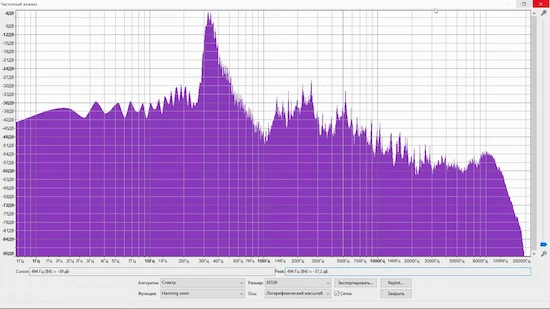 One pattern appears repeatedly in professional mixing work, regardless of genre or production style.
The sessions that consume the most time are rarely the ones with the weakest performances or the largest track counts.
More often, they are projects where the signal structure has become inconsistent long before the first serious mixing decision is made.
Nothing seems obviously broken when individual tracks are auditioned, yet the session becomes surprisingly difficult to manage once everything starts working together.
Many of these workflow issues eventually develop into broader mixing problems, even when no individual track initially sounds incorrect.
A common example involves projects assembled over several weeks or months. New vocal takes arrive from different recording dates. Additional guitars are recorded through another interface. Drum edits are rendered by a collaborator using different export settings. Each file sounds perfectly usable on its own, but their recording levels vary much more than expected. The engineer is immediately forced into small corrective adjustments simply to establish a stable starting point before creative work can even begin.
In larger sessions containing 60–100 tracks, even small level inconsistencies become significantly harder to identify because every revision changes the engineer's frame of reference.
Another situation appears during revision rounds. A client replaces only a few tracks while leaving the rest of the session untouched. The performances are stronger, but the incoming levels differ noticeably from the originals. Suddenly, processors that behaved predictably during the first mix begin reacting differently. Nothing has changed inside the plugins themselves. The signal feeding them has. Engineers often spend valuable time investigating settings before realizing the inconsistency started much earlier in the workflow.
These projects also tend to accumulate unnecessary rebalancing. One instrument is reduced to compensate for a louder replacement. Another is increased because it now feels comparatively weaker. The mix continues moving forward, but every revision introduces another layer of compensation. After several iterations, the session contains dozens of small corrections that exist solely because the underlying gain structure was never fully stabilized. Removing those inconsistencies often simplifies the project more than adding new processing ever could.
Interestingly, these sessions do not always sound dramatically worse than organized projects. That is what makes the problem easy to overlook. The difference becomes apparent in the workflow itself. Decisions take longer. Revisions require more comparison. Returning to the project after a break feels less intuitive because yesterday's reference points no longer behave the same way. Experienced engineers recognize this immediately. Before searching for more sophisticated solutions, they restore consistency to the signal path and allow the session to become predictable again.
Across hundreds of mixing projects, this has proven to be one of the most reliable observations. Poor gain staging usually creates workflow problems long before it creates obvious audible problems. A well-organized session rarely draws attention to its gain structure because everything responds as expected. That quiet predictability is exactly what allows engineers to spend their time shaping the music instead of repeatedly correcting the environment in which they are working.
Why Gain Staging Supports Better Decisions Instead Of Better Numbers
The biggest benefit of gain staging is not cleaner meters or more organized channels. It is the ability to make confident decisions that continue making sense as the mix develops. Every adjustment builds upon previous choices, so the quality of those choices depends on having a stable foundation. When signal levels remain consistent, less time is spent questioning the environment and more time evaluating the music itself.
This is one reason experienced mixers rarely obsess over reaching a particular reading before moving forward. Numbers provide information, but they do not guarantee reliable judgment. A session can satisfy every technical expectation on paper and still feel frustrating to work on if the signal structure changes unpredictably from one stage to the next. Likewise, a project with perfectly manageable levels often progresses smoothly because every decision remains easy to compare against the one that came before it.
Consistency creates confidence. Imagine stopping work late in the evening and opening the same session the following morning. The arrangement is unchanged, the performances are identical, and the processing remains exactly where it was left. If the gain structure has also remained stable, reconnecting with yesterday's work happens almost immediately. The engineer is free to continue refining the mix instead of spending the first twenty minutes trying to understand why familiar decisions suddenly feel different.
That repeatability becomes even more valuable during client revisions. New ideas arrive, tracks are replaced, balances evolve, and creative direction may shift several times before the project is finished. A controlled gain structure allows those revisions to happen without forcing the entire session to be mentally recalibrated after every change. Engineers can judge new material against dependable reference points instead of rebuilding their perspective every time a few tracks are updated.
Another advantage is the reduction of unnecessary corrections. Sessions built on inconsistent signal levels often encourage constant compensation. One adjustment leads to another, not because the music requires it, but because earlier changes altered the conditions under which later decisions are being made. Organized gain staging interrupts that cycle. Each modification is evaluated within a stable environment, making it easier to recognize when the mix has genuinely improved rather than simply changed.
Ultimately, gain staging succeeds quietly. It rarely produces a dramatic before-and-after moment that listeners immediately notice. Instead, it creates the conditions for better judgment throughout the entire project. The real value lies in helping engineers trust their decisions, maintain perspective over long sessions, and reach the finish line with fewer revisions driven by shifting signal conditions rather than by the music itself.
Reference Listening And Maintaining Level Perspective
Our ears adapt surprisingly quickly. After spending an hour inside the same session, what initially felt unusual can begin to seem completely normal. Small changes in signal structure become harder to recognize, not because they disappear, but because the brain gradually accepts them as the new reference. This adaptation is one of the reasons engineers sometimes continue making adjustments long after the mix has stopped improving.
Reference listening helps interrupt that process. Returning to professionally mixed material provides an external point of comparison that remains unaffected by the countless small decisions made during a session. The goal is not to copy another mix or match its production style. Instead, reference material helps determine whether the working environment itself has remained consistent. If your project suddenly feels dramatically louder, quieter, or more difficult to evaluate than a trusted reference, it may indicate that the internal gain structure has gradually shifted rather than that the music itself requires further changes.
This perspective becomes especially valuable during extended projects with multiple revision rounds. After hours of editing, balancing, and processing, engineers naturally lose some objectivity. Familiar sounds stop drawing attention. Subtle inconsistencies become part of the expected workflow. Briefly stepping outside the session makes those changes much easier to recognize. Very often, the issue is not a single track but the accumulation of small level differences that slowly altered the overall working reference.
Professional engineers rarely depend on memory alone when evaluating consistency. They regularly compare their work against reliable references because objective benchmarks remain stable even when perception changes. Our guide to reference tracks for mixing explores this practice in greater detail, showing how carefully chosen references support clearer decision-making throughout the mixing process rather than serving as templates to imitate.
Repeated adjustments do not automatically produce better results. Sometimes the most productive step is simply restoring perspective. Reliable references help reveal gradual changes in level management before they evolve into larger workflow problems, allowing engineers to continue making decisions with confidence instead of reacting to an environment that has quietly drifted away from its original foundation.
Gain Staging Is Built Across The Entire Session, Not One Track At A Time
It is tempting to think about gain staging one channel at a time. A vocal is adjusted. A snare is trimmed. A keyboard is brought under control. Those individual actions matter, but they do not define the quality of the gain structure by themselves. What ultimately determines whether a session feels stable is how every signal relates to the others as the project develops.
A well-organized mix is not the result of isolated channels reaching the "right" level. It is the result of consistent relationships being maintained across the entire session. Every track influences the environment in which the next decision will be made. When that environment remains predictable, engineers can trust their judgment from the opening balance to the final revision without constantly re-establishing new reference points.
That is why professional gain staging should be viewed as a property of the session rather than of individual tracks. Its purpose is not to perfect one channel at a time, but to create a workflow where signal flow, consistency, and decision-making remain connected throughout the entire mix. The strongest sessions rarely stand out because of impressive meter readings—they stand out because every creative decision is built on a foundation that stays reliable from beginning to end.
The Best Gain Staging Creates A Mixing Environment Where Better Decisions Become Easier
Good gain staging rarely attracts attention by itself. Listeners will never point to a finished song and say the signal structure was excellent. What they do notice is the confidence behind the mix. Instruments feel intentional, revisions remain consistent, and every creative choice supports the song without the engineer constantly fighting the session. That kind of stability is exactly what organized gain staging is designed to create.
Throughout a project, signal consistency becomes the thread connecting every stage of the workflow. Processors respond more predictably, comparisons remain meaningful, and gain serves its intended purpose without being confused with volume. Modern DAWs have made audio production far more forgiving from a technical standpoint, but they have not replaced the need for structured decision-making. Reliable sessions are still built by maintaining clear relationships between signals rather than allowing level changes to accumulate unnoticed over time.
The practical benefit is simple: every new decision becomes easier to trust. Engineers spend less time revisiting earlier adjustments, fewer revisions are driven by shifting reference points, and creative attention stays focused on the music instead of the mechanics of the session. That efficiency is not the result of chasing perfect numbers. It comes from creating an environment where every stage behaves in a predictable and understandable way.
Professional mixing has never been about evaluating channels in isolation. It is about understanding how the entire signal structure supports every choice made throughout the project. That broader perspective is one of the foundations of our mixing and mastering workflow, where consistent signal management helps create sessions that remain reliable from the first balance decision through every revision. Successful gain staging is not an endpoint—it is the condition that allows every other mixing decision to become clearer, faster, and more dependable.
Reliable mixes begin with reliable decisions
Professional mixes rarely succeed because every track reaches the same number. They succeed because the entire session remains predictable from the first balance decision to the final revision. We evaluate the entire mixing session—from incoming track levels to the final balance—to build a workflow that stays predictable through every revision.
Structured workflow. Stable signal flow. Professional mixing that holds together from the first track to the final balance.
Frequently Asked Questions
What is gain staging in mixing?
Gain staging is the practice of managing signal levels throughout a mixing session so every processing stage receives a predictable input. The goal is not to reach one specific meter reading, but to create a stable workflow where mixing decisions remain consistent.
Why is gain staging important even in modern DAWs?
Modern DAWs provide substantial internal headroom, but they do not prevent inconsistent signal levels from affecting workflow. Organized gain staging helps plugins respond more predictably and makes revisions easier to evaluate over time.
Can you fix bad gain staging later in the mix?
Usually, yes—but not without extra work. Correcting inconsistent levels later often means revisiting plugin settings, balances, and earlier decisions because many processors respond differently after the incoming signal changes. Maintaining consistent gain from the beginning is usually more efficient than correcting the workflow later.
Can poor gain staging make a mix harder to finish?
Yes. Sessions with inconsistent levels often require more corrections, more comparisons, and more revision time because engineers lose reliable reference points as the project develops.
Should every track have exactly the same level before mixing?
No. Every recording has different dynamics and musical roles. Gain staging is about maintaining consistent working conditions, not forcing every track to match the same numerical value.
How does gain staging affect plugin behavior?
Many processors respond differently when their input level changes. Keeping signal levels consistent makes plugin behavior easier to predict, helping engineers compare adjustments with greater confidence.
Is gain staging only necessary before adding plugins?
No. Effective gain staging continues throughout the entire mixing process. As tracks are edited, replaced, or balanced, maintaining consistent signal levels helps preserve a stable workflow.
Can inconsistent recording levels create mixing problems later?
Absolutely. Tracks recorded at dramatically different levels often require extra balancing before meaningful creative decisions can begin, increasing the complexity of the session.
How can reference tracks help with gain staging?
Reference tracks provide an objective benchmark during long sessions. They help engineers recognize when internal level relationships have gradually drifted, making workflow issues easier to identify before unnecessary revisions accumulate.
What is the biggest benefit of good gain staging?
The greatest advantage is decision confidence. When signal levels remain predictable, engineers spend less time correcting workflow inconsistencies and more time making creative choices that improve the music.