
Hire Mixing Engineer USA: Why Modern Artists No Longer Need To Work Locally
Not long ago, hiring a mixing engineer usually meant searching within driving distance. Artists worked with local studios because there were few practical alternatives. If the engineer was in another city or another state, collaboration often became complicated, expensive, or simply unrealistic. That reality has changed dramatically. Today, musicians across the United States regularly work with engineers they may never meet in person, yet the collaboration often feels more connected than many traditional local projects.
The shift is not really about technology. It is about access. An artist in Arizona can work with a studio in another part of the country. A producer in Tennessee can collaborate with a mixing engineer hundreds of miles away. Independent artists are no longer limited by whatever options happen to exist in their local market. Instead, they can build projects around experience, communication, and creative goals rather than geography.
This change has reshaped how modern music production works. Remote collaboration is no longer viewed as an alternative approach. In many cases, it has become the standard approach. Songs move between artists, producers, session musicians, and studios located in different states every day. The mixing stage naturally follows the same path. Understanding what mixing actually is helps explain why. Mixing is a creative production stage that can be developed through communication, feedback, and shared project goals without requiring everyone to be in the same room.
For many artists, the most important question is no longer, "Who is near me?" The better question has become, "Who can help move this project forward?" Modern artists can work with experienced mixing engineers regardless of geography, opening opportunities that simply did not exist a generation ago.
Why Location Matters Less Than Ever In Modern Music Production Today
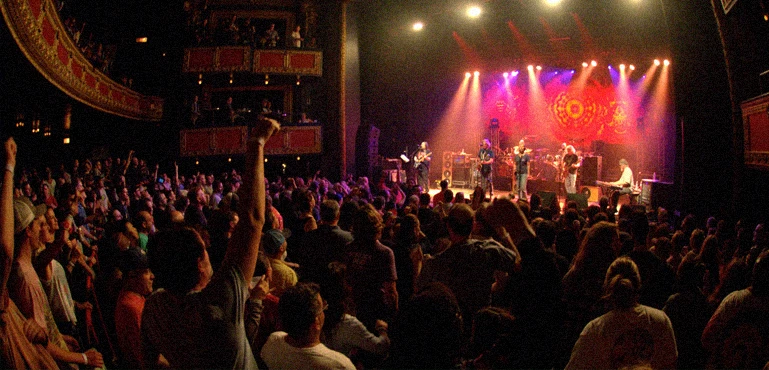 For decades, music production was heavily tied to geography. Artists searched for studios nearby because working any other way was difficult. Sessions were scheduled around physical availability, travel was often required, and creative decisions happened inside a single room. If a musician lived in a smaller city or outside a major recording market, the number of realistic options could be surprisingly limited.
That model shaped the industry for years. A band in California worked with engineers in California. An artist in New York typically searched within New York. Even when talented professionals existed elsewhere, distance created enough friction to keep most projects local. Geography often influenced creative decisions simply because access was restricted.
Modern music production looks very different. Independent artists, producers, songwriters, and studios now operate inside a connected environment where projects routinely move between different states. It is no longer unusual for recordings to originate in one location, production to happen in another, and mixing to be completed somewhere else entirely. In many cases, nobody involved ever shares the same room.
Across the United States, this has become an everyday reality rather than an exception. We regularly see projects involving artists from Florida, producers from Texas, songwriters from Nashville, and engineers located elsewhere. The physical distance between participants rarely becomes the defining factor. What matters far more is how effectively the project moves forward and how clearly everyone involved understands the creative direction.
The widespread adoption of digital file exchange played a major role in this shift. What once required shipping hard drives, booking travel, or coordinating in-person meetings can now happen almost instantly. Sessions move quickly between collaborators. Feedback cycles happen faster. Creative momentum is easier to maintain. As a result, artists are no longer forced to build projects around whoever happens to be available nearby.
One pattern has become especially noticeable in recent years. Many independent musicians no longer begin their search by asking where a studio is located. They begin by asking whether the collaboration itself makes sense. The conversation often centers on communication, project goals, and expectations rather than physical proximity.
This does not mean location has become irrelevant. Certain projects still benefit from in-person work. However, for a large percentage of modern music production, geography is no longer the gatekeeper it once was. Access to professional mixing is no longer determined by zip code, city limits, or state borders. Artists throughout the United States now have the ability to collaborate with experienced studios regardless of where either side happens to be located.
What Actually Happens After You Hire A Mixing Engineer For Your Project
Many artists imagine that hiring a mixing engineer immediately starts with audio. In reality, the strongest projects usually begin with conversations. Before any meaningful work can happen, both sides need to understand what the project is trying to achieve. A song can be technically impressive and still miss its intended impact if expectations are never clearly established at the beginning.
One of the first topics that typically emerges is vision. Not in an abstract sense, but in a practical one. What should listeners feel when the song starts? Which parts of the production matter most to the artist? What concerns already exist? Sometimes the answers are very clear. Other times an artist knows something feels unfinished but struggles to explain exactly why. Those early discussions often reveal information that becomes important long before any creative decisions are made.
We regularly see projects arrive from different parts of the United States with completely different circumstances behind them. One artist may have spent months refining every detail before reaching out. Another may be hearing outside feedback for the first time. Some projects arrive with a detailed creative direction. Others arrive with uncertainty and questions. Understanding that context is often just as important as understanding the music itself.
Expectations also play a larger role than many people realize. Two artists can bring in songs that sound similar while expecting completely different outcomes. One may be focused on preserving the character of a raw performance. Another may be looking for a more polished and controlled presentation. If those expectations are never discussed, misunderstandings can begin before the project even officially starts.
Communication during this stage is not about solving problems. It is about creating alignment. The goal is to make sure everyone involved is looking at the project through the same lens. When that happens, decisions become easier, feedback becomes more productive, and the overall collaboration tends to move forward with far less friction.
Many artists focus on finding an engineer before they fully understand what makes a productive collaboration possible. Factors such as communication, expectations, and project fit often influence outcomes more than people initially realize. Understanding how these factors affect long-term results is one reason artists spend time evaluating what actually separates a strong engineer from an average one. Our guide to choosing the best mixing engineer explores those considerations in greater detail.
A common misconception is that successful projects are driven primarily by technical expertise. Experience certainly matters, but many of the smoothest collaborations we see have something else in common. The artist and the studio develop a shared understanding of priorities early on. They know what matters most. They understand what should remain untouched. They recognize where concerns already exist before the first version is even delivered.
This is especially important in remote collaborations, where assumptions can easily replace clarity. An artist in California, a producer in Georgia, and a studio working elsewhere may never meet in person, yet the project can progress smoothly when expectations are defined from the beginning. Distance rarely creates the biggest challenges. Misaligned expectations usually do.
That is why successful mixing projects rarely begin with software, equipment, or technical discussions. They begin with alignment. The goal is not simply to hire a mixing engineer. The goal is to build a collaboration capable of moving the project toward a successful release. Long before any creative work starts, the foundation is established through communication, expectations, and a clear understanding of where the project needs to go.
Why Independent Artists Across The United States Are Working Remotely More Than Ever Today
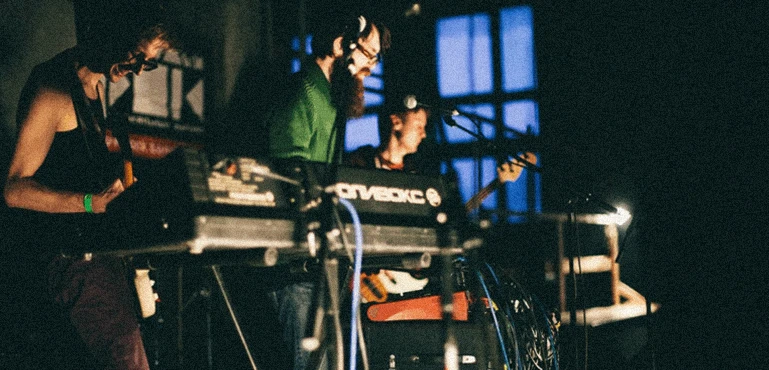 The growth of independent music has changed far more than release strategies. It has changed how artists build creative teams. A decade ago, many musicians were limited to the studios, producers, and engineers available within their immediate area. Today, independent artists across the United States routinely collaborate with people they have never met in person, often assembling project teams that span multiple states.
One reason is simple: music production itself has become more decentralized. Songs are no longer created exclusively inside large commercial facilities. Many artists record vocals in home studios. Producers build tracks from personal workspaces. Songwriters exchange ideas remotely. What once required everyone to be physically present now happens across a network of connected collaborators.
This shift has opened opportunities that were difficult to access in previous generations. An artist living in a smaller market is no longer restricted to the handful of professionals operating nearby. A producer in Colorado can collaborate with a vocalist in North Carolina. A songwriter in Arizona can work with a team spread across several states. Geography remains part of the story, but it no longer controls the outcome.
We regularly see projects involving independent artists from completely different regions of the country. Some come from major music centers such as Los Angeles, Nashville, Atlanta, or New York. Artists from states such as Texas, Florida, Arizona, Colorado, Ohio, and North Carolina are now participating in the same nationwide production ecosystem, regardless of whether they live near a traditional music industry hub. Others come from smaller cities where professional recording resources may be less concentrated. In many cases, the collaboration model looks remarkably similar regardless of location.
Another important factor is access. Modern artists have more choices than ever before. Instead of being limited to a local network, they can connect with professionals whose experience aligns with the needs of a specific project. The expansion of remote collaboration has effectively widened the available talent pool for musicians throughout the country.
This has become especially valuable for independent artists managing their own careers. Without major label infrastructure, flexibility matters. The ability to collaborate across state lines allows musicians to build teams around project goals rather than physical proximity. As a result, remote collaboration is no longer viewed as a workaround. For many independent artists throughout the United States, it has become the normal way music gets made.
Traditional Assumptions vs Modern Mixing Collaboration
| Traditional Assumption | Modern Reality |
|---|---|
| Need a local studio | Projects routinely happen across states |
| Must attend sessions in person | Communication happens remotely |
| Limited local options | Nationwide access to specialists |
| Geography determines opportunities | Experience and project needs determine opportunities |
Professional Mixing Is No Longer Limited By Geography
Artists across the United States now collaborate with experienced mixing engineers regardless of location. The deciding factor is rarely the city where a studio operates, but whether the communication, expectations, and creative direction align with the needs of the project. Many successful releases begin with a conversation long before the first mix version is created.
Nationwide collaboration. Clear communication. Professional mixing support.
Remote Collaboration Does Not Mean Less Communication Today
 One of the most common concerns artists express before starting a remote project is surprisingly simple: "What if communication becomes harder?" It is an understandable question. For years, many musicians associated professional studio work with in-person meetings, face-to-face discussions, and direct interaction inside a control room. When that physical environment disappears, some assume the collaboration becomes less personal or less connected.
In practice, the opposite is often true. Remote projects tend to place greater emphasis on communication because there is no room for assumptions. Expectations need to be discussed clearly. Goals need to be defined early. Questions need to be addressed before they become misunderstandings. As a result, many remote collaborations develop a level of intentional communication that does not always happen when everyone relies on being in the same room.
We frequently work with artists from different parts of the United States who initially worry that distance will create barriers. After the first stages of a project, those concerns often disappear. The deciding factor is rarely physical location. What matters is whether information moves clearly between both sides. A conversation from another state can be far more productive than an in-person meeting where expectations were never properly discussed.
Regular feedback becomes especially important. Projects rarely move forward through a single exchange. Instead, communication develops through ongoing discussion, clarification, and refinement. An artist may explain concerns about a vocal presentation. A producer may highlight elements that should remain untouched. Small details shared early can prevent larger misunderstandings later.
Transparency also plays a significant role. Artists want to understand where a project stands. They want confidence that their ideas are being understood. They want to know that concerns can be discussed openly rather than discovered unexpectedly at the end of a process. Strong communication helps create that confidence long before creative decisions are finalized.
In many projects, some of the biggest challenges have very little to do with audio. They often begin with perception. An artist hears one thing. Listeners hear something else. A producer focuses on one aspect of a song while the audience responds to another. Situations like these explain why objective feedback can become valuable during collaboration. Discussions about perception frequently uncover issues that may not have been obvious during production. Similar patterns are explored in our Mixing Problems Guide, where listener experience and creator expectations do not always align in the way people expect.
Remote collaboration does not remove communication from the process. It simply changes how communication happens. In many cases, it makes communication even more important. The projects that move most smoothly are rarely defined by distance. They are defined by clarity, responsiveness, and a shared understanding of where the music needs to go.
Studio Observations: What Artists Worry About Before Hiring A Mixing Engineer Today
Most artists assume their biggest concerns will involve audio quality. Surprisingly, that is rarely what dominates early conversations. Long before technical topics appear, most questions revolve around collaboration. Will the engineer understand the vision? Will important details be overlooked? Will the final result still feel like their song? These concerns emerge again and again regardless of genre, budget, or project size.
One of the most common fears involves creative interpretation. Artists often spend months, sometimes years, developing a project. By the time they reach the mixing stage, every decision can feel deeply personal. Handing the project to someone else introduces uncertainty. There is a natural concern that important emotional details could be misunderstood or that the final presentation may move in a direction that was never intended.
This concern affects experienced artists just as often as first-time clients. The difference is that experienced artists usually recognize the issue more quickly. They understand that collaboration introduces another perspective into the process. The question becomes whether both sides are working toward the same creative destination.
Another recurring concern is the feeling of losing control. Some artists worry that once a project leaves their hands, they will have limited visibility into what is happening. Others fear becoming disconnected from decisions that affect the final presentation of the music. In practice, these concerns rarely stem from technology itself. They stem from uncertainty about communication and expectations.
Remote collaboration introduces its own set of questions. What happens if something is misunderstood? What if feedback becomes difficult to communicate? What if important nuances are lost because everyone is working from different locations? These concerns are understandable, especially for artists who have never worked remotely before. Yet they often fade once communication becomes consistent and predictable.
One pattern appears repeatedly across projects from different parts of the United States. Artists often expect the biggest challenges to involve software, equipment, or technical limitations. Instead, the most significant obstacles usually emerge from assumptions. An artist assumes a priority is obvious. A collaborator assumes a goal has already been discussed. A producer assumes everyone shares the same expectations. Small misunderstandings can grow surprisingly quickly when they are never addressed directly.
We also notice a form of project uncertainty that is difficult to quantify. Some artists know exactly what they want. Others only know that something feels unfinished. They recognize potential in the music but are unsure how the final version should ultimately feel. This uncertainty often creates more anxiety than any technical concern because there is no obvious problem to identify. There is only a sense that the project has not fully reached its destination yet.
Perhaps the most revealing observation is how rarely artists worry about technology once meaningful communication begins. The conversation shifts. Questions become clearer. Priorities become easier to define. Expectations become easier to manage. What initially appeared to be concerns about audio production often turn out to be concerns about collaboration itself.
We continue to see the same pattern across independent releases, remote collaborations, and larger professional projects. Most concerns are not about software, equipment, or technical capability. They are about trust, clarity, communication, and confidence that everyone involved understands where the project is supposed to go.
Why Nationwide Access Often Creates Better Opportunities For Artists
For a long time, artists were largely limited by geography when building their creative teams. If a city had only a small recording community, the available options were naturally smaller. If professional studios were concentrated several hours away, many musicians simply worked with whoever was accessible. The search often began with location rather than opportunity.
That limitation has become far less significant in modern music production. Artists are no longer restricted to the professionals operating within a specific radius of their home, studio, or rehearsal space. Instead, they have access to a much broader network of collaborators spread across the United States. This shift has fundamentally changed what is possible for independent musicians and producers.
A larger talent pool creates more opportunities because it increases exposure to different perspectives, experiences, and creative backgrounds. An artist in Ohio is no longer dependent on finding the right collaborator within driving distance. A producer in Oregon is not limited to the handful of studios operating nearby. Expanding the search nationally allows projects to benefit from a wider range of professional experience and working styles.
We often see artists discover opportunities they did not initially expect. Sometimes it is access to a studio with experience handling projects similar to their own. Other times it is simply finding collaborators whose communication style fits the project particularly well. Those opportunities become much easier to find when geography is no longer acting as a filter.
A producer may spend months searching locally without finding a collaborator who understands the project's direction. Expanding the search nationally often changes the conversation entirely. The challenge is no longer availability. It becomes finding the right professional fit for the project. Expanding the available options also exposes artists to different working styles, communication approaches, and creative perspectives that may not exist within a smaller local market.
Creative projects rarely move in a straight line. Teams change, priorities shift, and songs often evolve in unexpected ways. A nationwide search gives artists more room to adapt when those changes happen.
The growth of remote collaboration has also created more diverse creative networks. A single project may involve contributors from multiple states, each bringing different experiences and influences. That diversity can strengthen communication, expand creative options, and help artists avoid becoming isolated within a small local ecosystem.
None of this means local relationships have lost value. Strong local communities remain important parts of the music industry. What has changed is the number of opportunities available beyond those communities. Artists no longer have to choose between local access and broader possibilities. They can benefit from both.
As a result, many musicians throughout the United States now approach collaboration differently. Instead of asking what opportunities exist nearby, they can focus on what opportunities exist nationally. A larger talent pool does not guarantee success, but it does create access to possibilities that a local-only search could never provide.
Why Artists No Longer Need To Limit Their Search To Their Own State
For many years, artists had little choice but to work with whoever was available nearby. If a city had only a handful of studios or engineers, those options often defined the entire search process. Today, that limitation has largely disappeared. Musicians throughout the United States can connect with experienced professionals regardless of state lines, creating opportunities that were difficult to access in previous generations.
The reason is simple. The pool of available talent becomes dramatically larger when artists stop limiting their search to a single city or region. A musician in Arizona can now access the same level of professional collaboration as an artist located in Los Angeles, Nashville, or New York. The internet did not simply make communication easier. It expanded access to creative opportunities that previously depended on geography.
This change has shifted the way artists think about collaboration. Instead of asking which engineer is located closest, many now focus on whether a studio understands the goals of the project and can support the direction of the music. The search becomes less about geography and more about finding the right working relationship.
A singer in Florida can collaborate with a producer in Texas and a mixing engineer located elsewhere. An independent artist in a smaller market can access the same level of professional support available to musicians in major industry centers. Geography no longer determines which opportunities are available or which creative partnerships can be explored.
As a result, artists have more flexibility than ever before. They can build teams around communication, experience, project goals, and creative compatibility rather than physical proximity. That is one reason remote collaboration has become a normal part of modern music production across the United States. The best opportunities are no longer limited by location, and neither are the artists pursuing them.
For many artists, hiring outside their local market is no longer a compromise. It is often the preferred approach. Expanding the search beyond a single city or state increases access to different working styles, broader experience, and collaboration opportunities that may not exist locally. That shift is one reason nationwide mixing services have become increasingly common across the United States.
How Modern Producers And Mixing Engineers Work Together Across States
One of the biggest changes in modern music production is how rarely creative teams are confined to a single location. A finished song may involve contributors who never meet in person, yet work together so closely that geography becomes almost irrelevant. This is no longer unusual. Across the United States, it has become part of everyday music production.
Consider a common scenario. A producer in Texas builds the instrumental. The artist records vocals in Florida. Additional editing happens somewhere else. The mixing engineer may be located hundreds or even thousands of miles away from both. Despite the distance, the project still moves forward as a unified production rather than a collection of isolated tasks.
A situation like this is no longer unusual. In many projects we see, contributors may spend months working together without ever sharing the same physical studio. The project remains connected through communication and shared creative goals rather than location.
Technology plays a role, but the bigger change is cultural. Artists, producers, and engineers have become accustomed to building projects across multiple locations while staying focused on the same creative goals. Modern collaboration is no longer organized around a single room. The project itself becomes the central point of connection between everyone involved.
We see this pattern regularly across independent and professional productions alike. A songwriter in Nashville may be working with a producer in California. A recording artist in New York may collaborate with musicians from several different states. By the time the project reaches the mixing stage, contributors may already be spread across multiple regions of the country.
Artists entering their first remote project often expect distance to create confusion. In practice, the opposite often happens. Because collaborators are not relying on casual in-person conversations, communication tends to become more deliberate. Goals are discussed more clearly. Priorities are defined earlier. Expectations are often documented rather than assumed.
The structure of these collaborations also reflects how music careers have changed. Independent artists frequently build teams based on relationships, creative compatibility, and project needs rather than physical proximity. Producers and engineers no longer need to be located in the same city to contribute effectively to the same release.
Across the United States, this model has become increasingly common because it gives artists greater flexibility. A project can evolve without being restricted by local resources or regional limitations. Teams can form around the needs of the music itself rather than around who happens to be nearby.
The result is a production environment that looks very different from the traditional studio model of previous decades. Modern music production routinely happens across multiple locations, with artists, producers, and mixing engineers working together as connected teams regardless of state lines. Geography still exists, but it no longer dictates how professional collaboration takes place.
What Artists Gain Beyond The Technical Side Of Mixing
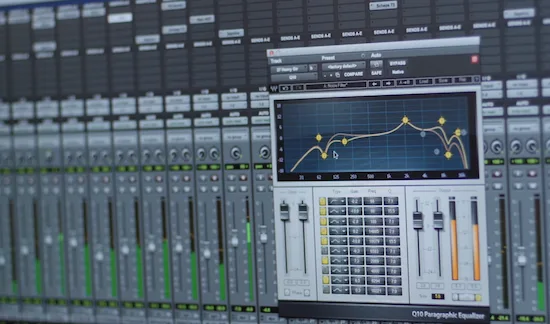 Many artists initially view mixing as a technical service. They expect improvements in balance, clarity, separation, or overall presentation. Those elements certainly matter, but they rarely represent the full value of the collaboration. In practice, some of the most important contributions happen outside the purely technical side of the project.
Perspective is often the first benefit artists notice once an outside professional becomes involved. By the time a song reaches the mixing stage, artists and producers have often spent weeks or months listening to the same material. Familiarity becomes both a strength and a weakness. The people closest to a project usually know every detail, but they can also become less aware of how new listeners will experience the music for the first time.
A fresh perspective changes that dynamic. An experienced studio approaches the project without the same emotional attachment that naturally develops during production. That distance creates objectivity. Elements that feel obvious to the creator may not be obvious to a listener. Priorities that seemed clear during production may compete with each other once the song is experienced from the outside.
We frequently see situations where artists are searching for technical solutions to what are actually creative questions. The issue is not whether something can be adjusted. The real question is whether that adjustment supports the overall direction of the song. External perspective helps separate those two conversations.
Many artists discover that outside perspective becomes valuable only after hearing how differently a fresh listener experiences the same song. Communication and shared priorities often influence those reactions more than people initially expect. This dynamic becomes especially clear during professional mixing projects, where creative alignment often shapes outcomes as much as technical expertise.
Another benefit is creative clarity. Some projects arrive with a very clear identity. Others arrive with multiple competing ideas. A song may contain several strong moments, yet still struggle to communicate a single, focused experience. In those situations, the value of collaboration often comes from helping establish priorities rather than simply making changes.
We occasionally see artists spend weeks searching for a studio before realizing that their biggest challenge is not finding an engineer at all. It is defining what success should look like for the project. Once those expectations become clear, communication tends to improve dramatically.
Confidence before release is another factor that receives surprisingly little attention. Many independent artists spend considerable time wondering whether they have overlooked something important. They compare versions endlessly. They second-guess decisions. They revisit choices that were already made weeks earlier. Sometimes what they need most is an objective perspective capable of confirming what is working and identifying what still requires attention.
This is one reason artists often describe the biggest benefit of collaboration as confidence rather than change. Having an outside perspective can make it easier to move forward without constantly questioning every decision.
Ultimately, the value of working with a mixing engineer extends beyond technical changes. Artists gain objective listening, creative clarity, project focus, and greater confidence in the direction of their music. Those benefits often continue influencing the project long after the technical details stop being the primary concern.
Why Hiring A Mixing Engineer Is Ultimately About Collaboration
When artists first think about hiring a mixing engineer, it is easy to focus on the practical side of the decision. There is a project to complete, deadlines to meet, and creative goals to achieve. Yet the longer a project develops, the more obvious another reality becomes. Successful outcomes are rarely built on technical ability alone. They are built on collaboration.
Every song begins with expectations. Some are clearly defined. Others exist only as instincts or creative intentions that are difficult to describe. The challenge is not simply moving a project forward. The challenge is making sure everyone involved is moving in the same direction.
Communication plays a central role in that process. Artists need confidence that their priorities are understood. Studios need clarity regarding the goals of the project. Producers need assurance that important creative decisions remain intact. When those conversations happen openly and consistently, collaboration becomes significantly more productive.
Trust develops in a similar way. It rarely appears automatically. It grows through clear communication, shared expectations, and a mutual understanding of what the project is trying to accomplish. The strongest collaborations are not built on assumptions. They are built on alignment.
This is particularly true in modern music production, where artists, producers, and studios may be located in different parts of the country. Distance does not determine whether a collaboration succeeds. Shared goals do. When everyone involved understands what the music is trying to communicate, physical location becomes far less important than many people initially expect.
At its core, hiring a mixing engineer is not simply about bringing another professional into the project. It is about creating a collaborative relationship that helps move the music toward a clear destination. The strongest projects are built when communication, trust, expectations, and creative goals remain aligned from beginning to end.
Modern Artists Can Work With Experienced Mixing Engineers Regardless Of Geography
The way music is created has changed dramatically, but one misconception still appears surprisingly often. Many artists continue to assume that professional collaboration depends on physical proximity. In reality, modern music production has evolved far beyond that limitation. Today, successful projects are built around communication, shared goals, and creative alignment rather than location.
Across the United States, independent artists routinely collaborate with producers, musicians, and studios located hundreds or even thousands of miles away. What once seemed unusual has become a normal part of the industry. Songs move between contributors in different states every day, often involving people who never meet in person yet work together closely throughout the life of a project.
This shift has created opportunities that simply did not exist for previous generations of musicians. Artists are no longer restricted by the size of their local market or the number of nearby studios. They can build creative teams around the needs of the music itself rather than around geography. The result is greater flexibility, broader access, and more opportunities to find productive working relationships.
Communication remains at the center of this model. Successful remote collaboration depends on clear expectations, productive feedback, and a shared understanding of project goals. When those elements are present, physical distance becomes far less important than many artists initially expect. A productive conversation between collaborators in different states often contributes more to a project than simply being located in the same city.
Independent artists benefit from this change in particular. Many are building careers without the support structures that once existed around major recording markets. Remote collaboration allows them to connect with experienced professionals regardless of location, creating access to resources that may not exist within their immediate area.
For many artists, the ability to work with an experienced studio outside their local market has become a normal part of professional music production. The search is no longer limited to nearby options. It extends across the entire country.
Producers have adapted as well. Modern projects frequently involve contributors working from multiple locations while remaining focused on a single creative vision. The project becomes the common point of connection rather than the studio building itself. This approach has become so widespread that geographic separation is often viewed as a normal part of professional collaboration rather than an obstacle.
Ultimately, the most successful projects are rarely defined by where people are located. They are defined by how effectively everyone works together. Clear communication, realistic expectations, shared priorities, and strong collaboration consistently matter more than state lines or physical distance.
For artists ready to discuss their own music, our Mixing and Mastering service provides an opportunity to collaborate with an experienced studio regardless of location. Modern artists can work with experienced mixing engineers regardless of geography, and that reality continues to create new opportunities for musicians throughout the United States.
Great Mixing Projects Start With Clear Communication
The strongest collaborations are rarely defined by location. They are built on shared expectations, productive communication, and a clear understanding of what the music needs to achieve. Whether an artist, producer, and studio are located in the same city or in different states, successful projects begin when everyone is working toward the same goal.
Nationwide collaboration. Clear expectations. Professional mixing support for independent artists and producers.
Frequently Asked Questions
How does remote mixing work in the United States?
Remote mixing allows artists, producers, and studios to collaborate regardless of location. A project may involve contributors from different states while communication, feedback, and creative decisions happen throughout the collaboration. This approach has become a standard part of modern music production across the United States.
Do I need to work with a local mixing engineer?
Not necessarily. Many artists now work with mixing engineers located in other cities or states. Modern collaboration methods allow musicians to access professional services without being restricted to their local market, making geography far less important than it was in the past.
Can artists collaborate with mixing engineers in another state?
Yes. It is common for artists, producers, and engineers to work together across state lines. Independent musicians throughout the United States regularly build project teams that include contributors located in completely different regions of the country.
What should I expect after hiring a mixing engineer?
Most projects begin with discussions about goals, expectations, and creative priorities. Establishing a shared understanding of the project helps create smoother communication and reduces the likelihood of misunderstandings later in the collaboration.
How do producers and mixing engineers work together remotely?
Remote collaboration typically involves ongoing communication about project priorities, creative direction, and feedback. Producers and engineers often contribute from different locations while remaining focused on the same artistic goals throughout the project.
Why do many independent artists choose remote mixing services?
Remote collaboration expands access to experienced professionals beyond a local area. Independent artists can connect with studios and engineers throughout the United States, creating opportunities that may not exist within their immediate market.
Does remote collaboration affect communication quality?
Communication quality depends far more on clarity, responsiveness, and shared expectations than on physical distance. Many successful remote projects rely on regular communication and clearly defined goals from the beginning of the collaboration.
What information should be discussed before a mixing project begins?
Artists and studios should discuss project goals, creative priorities, expectations, feedback preferences, and any specific concerns about the music. Clear communication early in the process helps establish alignment before significant work begins.