
Pre Mastering Feedback — What Will Break When Your Track Gets Mastered
Your mix sounds solid right now. Balanced. Controlled. Nothing stands out as a problem. Then it goes through Audio Mastering — and suddenly things start falling apart.
This is exactly what pre mastering feedback is designed to catch — before it becomes permanent.
If it breaks during mastering, the problem was already there — you just couldn’t hear it yet.
Low-end gets loose. Highs turn sharp. The groove feels smaller. Nothing new is introduced — the level simply exposes what was already there.
Mastering doesn’t fix problems. It reveals them under pressure. What feels fine at mix level can behave completely differently once the track is driven to release level.
What Pre Mastering Feedback Really Is — Not Advice, but a Final Check
 In real sessions, this happens constantly: tracks that feel finished before mastering, then collapse in subtle ways right after.
Pre mastering feedback is a professional evaluation of your track before mastering — identifying what won’t hold, what needs correction, and what is already stable once the track is pushed. Not a checklist, but a final diagnostic stage where hidden issues become visible before they turn permanent.
It answers one critical question: what will actually change when your track is pushed to mastering level.
So instead of reviewing the mix, we treat it like a technical readiness check. Not creative. Not subjective. A controlled way to predict how the track will behave once it’s pushed to release level and goes into the professional mastering stage.
Several things get evaluated immediately.
Translation — how the low-end behaves across different playback systems outside your room. Does it stay consistent, or does it shift the moment playback changes?
Balance perception — not how it feels now, but how elements compete when level increases.
Hidden distortion — the kind that doesn’t jump out until gain staging tightens.
Dynamic response — what happens to movement when the track is no longer relaxed.
From here, the way you judge your track changes completely. You’re not asking “does it sound good?” You’re asking: what will change once mastering starts doing its job?
If you want to understand why this matters, you have to look at how professional mastering actually works in real conditions. The moment level, density, and control are applied — the track reveals everything it was hiding.
That’s why pre mastering feedback isn’t help. It’s control. The last chance to see the real behavior of your track before it becomes final.
If your track changes when it gets louder or played outside your setup, it’s not ready for mastering yet.
The Real Issue — You Can’t Hear Your Own Mix Clearly Anymore
Here’s the uncomfortable part. Most problems at this stage aren’t technical. They’re perceptual.
After hours — sometimes days — on the same track, your hearing adapts. What felt slightly off at the beginning starts to feel normal. Harshness stops being harsh. Low-end imbalance becomes “your sound.” This is psychoacoustic bias in action.
Then comes familiarity. You already know every detail of the track, so your brain fills in gaps automatically. Even when something is missing or collapsing, you don’t experience it as a problem — because you expect it to be there.
And this is where things get dangerous. You’re no longer reacting to what’s actually playing. You’re reacting to what you think is playing.
We see it all the time. A mix feels tight in the session, but the moment it leaves that context — car, headphones, different volume — it shifts. Nothing in the track changed — your perception did. This is especially common when translation issues are involved, which is a constant struggle for producers working outside controlled environments, as we break down in real-world mixing conditions and why tracks don’t translate.
So the problem isn’t that you lack skill. It’s that your reference point is no longer reliable.
At this stage, you’re not fixing mistakes. You’re trying to detect them — while your own perception is actively hiding them from you.
What Mastering Will Expose — And Why It Catches You Off Guard
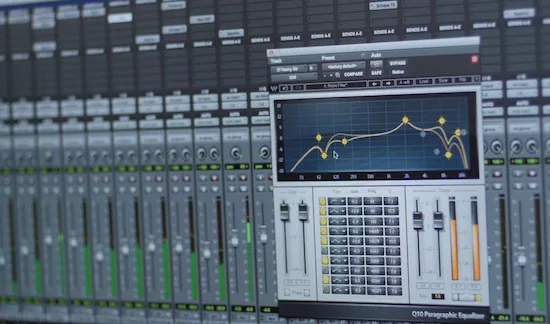 At mix level, a lot of things feel controlled. Nothing jumps out. The track holds together. Then mastering pushes it — and the behavior changes.
Low-end is the first to react. A low-end that seemed tight suddenly starts moving too much. Kick and bass stop working as one unit. The groove loses definition. Not because something new was added — but because the existing imbalance got amplified. This is one of the common ways low-end imbalance becomes obvious after mastering pressure is applied — it becomes loose and uncontrolled, leading to low-end problems revealed in mastering.
We’ve worked on tracks where the low-end felt tight in the mix, but once pushed, the kick started disappearing on smaller speakers while the bass became overwhelming on larger systems. The issue wasn’t introduced — it was already there, just masked at lower levels.
High frequencies behave differently. A slight edge in the mix becomes aggressive once the track is pushed. Vocals get sharper, cymbals start cutting through, and what felt controlled suddenly feels harsh. Nothing new is added — the balance just shifts forward under pressure.
We’ve also seen mixes where the vocal felt perfectly balanced, but once the track was pushed, it started jumping forward and overpowering everything else. The balance didn’t change — it just became more exposed.
Dynamics are another trap. A mix can feel punchy when it’s relaxed, but once it’s driven harder, everything compresses differently. Transients soften, movement flattens, and the track starts feeling smaller — even though it’s technically louder.
Stereo image follows the same pattern. Width that feels impressive in the mix can lose focus under mastering. Elements shift, center weakens, and the track stops feeling stable.
This follows a pattern — it just isn’t obvious until the track is pushed.
Mastering doesn’t introduce these problems. It forces them forward. What feels controlled now will behave differently once the track is pushed — and that’s where issues stop being subtle and start defining the result.
Before You Master — Can Your Mix Actually Hold Up?
Most tracks feel ready right up until they’re pushed. That’s where the illusion breaks.
So instead of asking if your mix sounds good, ask something harder.
Does it stay consistent when you leave your setup? Not just louder or quieter — consistent. The low-end doesn’t shift. The vocal doesn’t disappear. The balance doesn’t tilt the moment playback changes.
What happens when you turn it up? Not slightly — really push it. Does it open up, or does it start tightening in a way that feels uncomfortable? Sometimes a track feels clean at moderate levels, but the moment it’s driven, the energy collapses instead of expanding.
Now imagine it under limiting. Do your elements still sit where they should, or do they begin to compete? Kick vs bass. Vocal vs high-end. Transients vs density. You don’t need meters to notice it — you feel it when the mix starts fighting itself.
And here’s the part most people skip.
If you play your track after a break — fresh ears, no context — does anything immediately feel off? Or does it take a few minutes before your brain “adjusts” again?
Because that adjustment is the problem.
If even one of these questions makes you hesitate, you’re already in a gray zone. Not broken. But not stable either. And that’s exactly where mastering stops being predictable.
Quick Diagnostic — What Your Mix Is Telling You Before Mastering
Most mastering problems are already there — you just haven’t pushed the track enough to hear them yet.
You need pre mastering feedback when your mix feels finished but behaves differently depending on volume, playback system, or listening environment. That inconsistency is exactly what mastering will expose.
| Symptom | What It Means | What Happens in Mastering |
|---|---|---|
| Low-end feels different across systems | Unstable bass balance | Becomes loose, uncontrolled, loses punch |
| Highs feel clean but slightly sharp | Hidden harshness | Turns aggressive and fatiguing |
| Mix loses clarity when louder | Compression imbalance | Dynamics collapse, elements blur together |
| Stereo feels wide but unstable | Phase / imaging issues | Image narrows, center loses focus |
| Track feels fine only in your session | Perception bias / familiarity | Problems become obvious outside your environment |
This is the decision point. Either your track holds under pressure — or it starts falling apart once mastering begins.
If you're not sure — your track isn’t ready yet
Most issues don’t show up until the track is pushed. If there’s any doubt, that’s already the signal. Send your track and hear a real mastering preview — not a guess, not advice, but how your mix actually reacts under pressure.
No commitment. Just clarity on what your track becomes at release level.
Why Feedback Before Mastering Matters — Protect the Track Before It’s Locked In
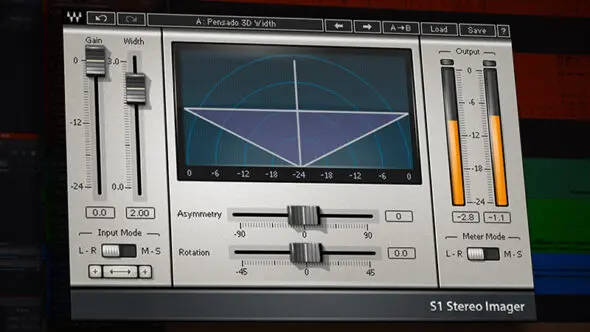 Once mastering starts pushing a track to release level, some decisions become irreversible. Not because the tools are limited — but because the context changes. What could be adjusted freely at mix stage becomes constrained once the entire signal is being shaped as one.
This is the point where feedback becomes critical. It moves the correction point earlier, when the track is still flexible.
A low-end issue caught before limiting can be fixed cleanly. The same imbalance after mastering turns into a compromise. You’re no longer adjusting — you’re trying not to break something else while fixing it.
The same goes for dynamics. If the movement in a track isn’t stable before mastering, pushing level will flatten it even further. At that point, you’re not preserving energy — you’re trying to rebuild it inside a compressed structure. That rarely works.
What pre mastering feedback actually does is simple: it keeps the track from crossing that point of no return too early.
It’s not about making things “better.” It’s about preventing them from becoming harder to fix once everything is locked together.
This isn’t about saving time. It’s about protecting the final result — before professional mastering turns small issues into permanent ones.
Why Generic Advice Fails Here — Your Track Doesn’t Follow Templates
At early stages, general advice can help. Basic balance tips. Gain staging. EQ cleanup. That’s fine.
But right before mastering, those rules stop working.
We’ve seen it countless times. A track follows all the “correct” guidelines — proper headroom, no clipping, clean spectrum — and still falls apart once it’s pushed. Not because anything is technically wrong, but because the interaction between elements is unstable.
That’s the part generic advice never touches.
YouTube tutorials, forum checklists, even well-written guides — they operate on patterns. Your track doesn’t. It has its own balance, its own density, its own way of reacting when level increases.
So the question isn’t “did you follow the rules?” It’s:
how does your track actually behave when it’s no longer in a safe state?
That answer doesn’t come from templates. It comes from analysis — from hearing what changes when the track is pushed beyond where you’re currently listening to it.
What You Actually Get — Clear Answers Before It’s Too Late
Before mastering, you get a precise breakdown of your track: what will fail under pressure, what needs correction, and what is already stable.
More importantly, you understand what actually needs attention — and what doesn’t. Not everything has to be fixed. Some elements are already stable and will hold under mastering without any issue. Knowing that matters just as much as identifying problems.
This is where most tracks either improve or fall apart. Without clarity, it’s easy to overcorrect or ignore something critical. Both lead to the same result — a master that doesn’t feel right, even if it’s technically “clean.”
What you’re really getting is direction. A precise understanding of where the track is solid, where it’s fragile, and where it will break once level, density, and control are applied.
This gives you a clear decision point before moving into final mastering, where changes become limited and the track is shaped as a whole.
No unnecessary changes. No guessing. Just a clear view of what happens next.
No generic advice. No templates. Just a precise evaluation of how your track will behave at release level.
Before you finalize — make sure your track actually holds up
Once mastering is done, you’re no longer adjusting — you’re committing. If something breaks at that stage, you’re already too late. Get a real preview of how your track behaves under mastering pressure and catch issues before they become permanent.
No risk. No assumptions. Just a clear understanding of what happens next.
FAQ — Before You Send Your Track to Mastering
Can mastering fix a bad mix?
No. It can shape and control what’s already there, but it won’t rebuild balance, fix masking, or restore lost dynamics. If something is unstable in the mix, mastering will usually make it more obvious, not less.
Do I need feedback if my mix sounds good?
That depends on where and how you’re listening. A mix can feel solid in your session and still shift under pressure. Feedback isn’t about quality — it’s about how the track behaves when it’s pushed to final level.
What is checked before mastering?
Not just levels. Translation across systems, interaction between elements, hidden distortion, and how the track responds when density increases. The goal is to predict behavior, not just describe sound.
Is demo mastering enough as feedback?
It’s one of the fastest ways to reveal problems. When you hear your track under real mastering conditions, weak points show up immediately. It’s not theory — it’s a direct preview of the outcome.
How do I know my track is ready?
If it stays consistent across systems, holds together when louder, and doesn’t shift under pressure — you’re close. If it changes depending on context, there’s still something unresolved before mastering.