
TikTok Mastering — Why Songs Lose Energy in the Feed and How to Keep Them Competitive
A track can feel huge in the studio — then strangely flat once it reaches TikTok. Not because the mix suddenly broke. Because the playback environment changed.
Most people hear TikTok music through phone speakers while scrolling past dozens of videos in a row. Sometimes the chorus still hits in the studio — then suddenly feels smaller the second it reaches a phone speaker.
We hear this constantly during revisions: the track feels huge in the session, then suddenly loses punch and vocal focus the moment it hits real phone playback.
A master built for full-song streaming playback can behave very differently once it enters the TikTok feed.
On TikTok, people react fast to songs that still feel clear and energetic on phone speakers during the first few seconds. Modern professional TikTok mastering is about making sure the hook, vocal, and groove still feel strong once the track reaches real phone playback.
Why TikTok Changes the Way Music Is Perceived (And Why Some Masters Instantly Lose Their Impact)
 Most mastering decisions are still made in controlled listening environments. Studio monitors. Treated rooms. Focused playback. The listener presses play because they already want to hear the song.
TikTok completely changes that relationship with music.
Inside the feed, audio competes with motion, scrolling behavior, voiceovers, background noise, low-quality phone speakers, and attention fatigue all at once. Most TikTok users are not actively listening when your song starts playing. They are already scrolling, distracted, replying to messages, or halfway into the next video before the hook even lands.
That changes the way energy, punch, and vocal presence are perceived almost immediately.
A master that feels huge in the studio can suddenly sound distant or strangely lifeless on TikTok, even if the file itself is technically clean. A lot of independent releases are still optimized around full-range studio playback without considering how aggressively phones reshape balance perception.
Low-end is usually the first thing to collapse.
A bass-heavy master may feel cinematic on monitors with proper sub extension, but phone speakers cannot reproduce that physical weight correctly. Instead of sounding powerful, the track starts feeling cloudy in the low mids while the vocal loses separation from the instrumental. The rhythm stops feeling urgent even though the track still looks loud inside the session. Energy disappears even though the waveform still looks aggressive.
On phones, records with stronger midrange focus usually translate more clearly.
Phones rely heavily on upper-mid detail to keep vocals feeling present. A vocal that sounds smooth and controlled in the studio can suddenly feel distant once phone playback removes depth and low-end support around it.
The same thing happens with transient control.
A lot of modern masters push the drums so hard that the attacks stop feeling alive. The kick still sounds loud, but the rhythm no longer feels like it is moving forward naturally. During active listening this may still feel acceptable for a while. Inside TikTok’s autoplay environment, though, the ear loses interest fast because there is no contrast left for the brain to react to.
Some masters sound impressive for three seconds — then suddenly feel flat once the ear adapts to the constant intensity.
Some of the loudest masters end up feeling the smallest once they hit the feed.
Slightly more open masters often feel bigger because the groove and vocal still retain movement instead of turning into one flat block of sound.
Once the master starts feeling dense and flat on phones, people usually scroll before the hook has time to land.
TikTok gives songs very little time to make an impression. In many cases, listeners decide within seconds whether the track feels exciting enough to stay with.
The answer is not making the track brighter, thinner, or painfully loud. Usually the opposite. The strongest TikTok masters usually keep the groove and vocal easy to follow even after phone playback starts collapsing depth and low-end.
If the hook loses energy on phones, the listener is usually gone before the strongest part of the song even arrives.
Why Loud Masters Often Feel Smaller on TikTok (Even When the Track Measures “Competitive”)
One of the biggest mistakes artists make before uploading music to TikTok is assuming louder automatically feels more powerful.
In reality, some of the most aggressively limited masters lose impact the moment they hit phone playback.
Not because they are quiet. Because they stop moving.
Some records arrive already flattened before they even reach mobile playback. Everything looks massive inside the session. The track already feels maxed out before it even reaches a phone speaker. But once the song reaches a phone speaker inside a fast-moving feed, the record starts sounding less engaging instead of exciting.
After a few seconds, the ear simply stops reacting to constant intensity the same way.
If the intro, verse, pre-hook, and chorus all sit at nearly identical perceived density, the listener stops feeling momentum. There is no sense of lift anymore. The chorus technically arrives, but nothing actually feels bigger.
By the time your song starts playing, most users are already mentally overloaded from everything else inside the feed.
We’ve worked on releases where reducing limiter aggression by less than a decibel completely changed how the hook translated on phones. Suddenly the snare regained movement. Vocal phrases started opening up again. The rhythm felt faster, even though the actual tempo never changed.
A lot of producers overlook this during mastering.
Some records still feel huge in the studio, then suddenly lose momentum once small-speaker playback starts flattening the groove.
Some masters stop feeling urgent once the attacks lose shape, even if the overall level still looks competitive inside the session. On full-range systems the damage may feel manageable. On small speakers, especially during autoplay playback, it becomes obvious almost immediately.
Once excessive limiting removes those details, the master starts feeling smaller and less dynamic even without obvious distortion.
Aggressive clipping creates similar problems.
A little controlled edge can absolutely help certain records feel more urgent. But once clipping starts destroying vocal definition or smearing drum attacks, the playback becomes exhausting on mobile devices. The listener may not consciously identify the distortion itself — they simply stop staying connected with the song after a few seconds.
This is especially noticeable with modern hip-hop and electronic releases built around one constant level of intensity. Inside the studio, the track can feel intimidating and huge. Inside TikTok, the same master often shrinks because the ear loses contrast almost instantly.
Contrast is what helps records keep their sense of size on phones.
Tiny changes in vocal movement and groove often decide whether a song still feels alive on phones. Without that movement, tracks start blending into the feed surprisingly fast. Without them, even technically loud masters start blending into surrounding content.
We hear this often when artists compare the same release across platforms. A master that feels balanced during full-song listening can still lose urgency once it enters short-form mobile feeds where listeners react much faster to vocal focus and transient detail.
Another issue is listener fatigue.
TikTok users consume enormous amounts of content continuously. If a master arrives already pinned at maximum intensity with no dynamic movement left, the brain starts rejecting the sound faster than many artists realize. The record can feel tiring before the hook fully lands.
The strongest TikTok masters usually keep the vocal upfront and the groove active instead of crushing the entire track into constant density. They are the ones that still feel alive after mobile playback strips away depth, space, and low-end weight.
Your track may sound completely different once it hits TikTok
A master that feels powerful in the studio can lose punch, vocal clarity, and forward energy on phone speakers inside the feed. That’s why we offer a free demo master (up to 30 seconds) focused on real-world TikTok playback translation — not just loudness inside a DAW.
Send your track and hear how your release behaves under actual mobile listening conditions before it goes live. No automated processing. No AI mastering chain. Every demo is done manually by a real mastering engineer.
Fast response. Real engineers. Tested for mobile playback translation.
Why Bass, Vocals, and Transients Behave Differently Inside the Feed (And Why TikTok Exposes Weak Translation Fast)
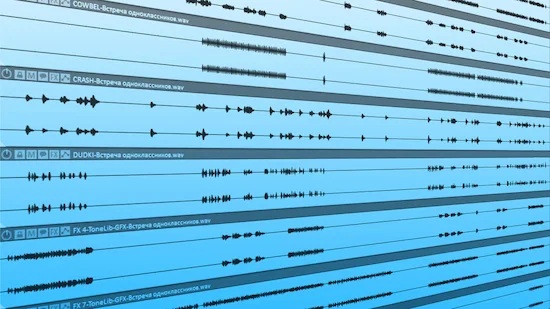 A master can feel balanced in the studio and still break apart emotionally on TikTok.
Usually the problem is not one dramatic mistake. It’s a chain reaction caused by mobile playback, autoplay behavior, and small speaker limitations reshaping how the listener experiences the record in real time.
Low-end problems usually show up first.
On studio monitors, deep bass can feel massive. The room reacts. The track feels larger before the vocal even enters.
Most TikTok listeners never hear that full extension. Small speakers remove a huge portion of the sub information before the listener even notices what changed.
What remains is often the low-mid residue around the bass instead of the actual impact itself.
Suddenly the vocal feels less connected to the rhythm, even though nothing inside the actual file changed.
We run into this during revisions constantly.
Inside the studio, the low-end feels expensive and cinematic. Inside TikTok, the vocal suddenly starts fighting for space because the playback system cannot reproduce the depth the arrangement depends on.
Everything still feels technically “big,” but the sense of impact starts fading surprisingly fast.
We sometimes hear this during client revisions when the artist says the track sounded ‘harder’ before upload, even though the exported master technically stayed the same. In reality, the playback environment changed — and the balance stopped translating naturally on phones.
Pop records run into a different version of the same problem.
A vocal that feels smooth and slightly tucked into the instrumental on full-range playback can disappear surprisingly fast on phones. TikTok playback tends to favor records where the vocal remains clearly present even at low listening levels or in noisy environments.
The solution usually is not turning the vocal up another 2 dB.
It’s about clarity of listener focus.
Listeners scrolling through the feed are not analyzing frequency balance consciously. Their brain is reacting instinctively:
- Can I connect with the vocal immediately?
- Does the rhythm feel alive?
- Does the hook sound exciting without turning harsh?
If the answer becomes unclear during the first seconds of playback, retention drops fast.
You hear the problem even faster once the transients start softening.
Strong transients make records feel faster and more urgent on phones.
On TikTok, there is barely any buildup before the listener hears the song. The record has to feel immediate almost instantly.
When masters become over-smoothed, heavily saturated, or excessively limited, the attacks lose definition. Kicks stop pushing the rhythm forward naturally. Snares lose physical edge. Hi-hats blur together into static brightness instead of creating motion.
Electronic music exposes this especially fast.
A dense EDM drop may sound massive in headphones while producing the opposite reaction on phone speakers because too many layered elements collapse into the same narrow playback space. Width shrinks. Percussion loses separation. The sense of lift inside the drop weakens because the playback system cannot reproduce the spatial depth the production was built around.
Stereo width still matters on TikTok — just not in the same way it does on studio monitors.
Wide imaging still matters, but not in the same way it does during focused listening sessions. On mobile playback, center information carries most of the listener connection. Vocals, snare impact, upper-mid movement, and transient definition often determine whether the song feels immediate enough to interrupt scrolling behavior.
Dense arrangements can create another hidden issue.
The more information competing for attention at the same time, the harder it becomes for small playback systems to preserve emotional separation between elements. Layers that sound exciting in isolation start masking each other once TikTok playback compresses perception down into tiny speakers and distracted listening conditions.
Some polished masters still lose size emotionally once they hit mobile playback.
Too much wall-of-sound density leaves nothing for the listener’s ear to lock onto.
Phones usually make this problem feel harsher much faster than studio playback does. Slight harshness on studio monitors can turn into aggressive fatigue on phones, especially when transient detail and upper mids begin colliding during autoplay playback.
In many cases, artists mistake this for a loudness issue when the real problem is translation imbalance. We break this down deeper in our article about why some masters start breaking apart on phone speakers without destroying the energy of the track itself.
TikTok does not create these weaknesses from nothing. It magnifies the ones already hiding inside the master.
And because users make emotional decisions so quickly inside the feed, even small balance problems become much more noticeable than they would during traditional streaming playback.
TikTok Mastering Is About Retention, Not Just Playback (Why Technically Clean Songs Still Lose Attention)
A lot of songs fail on TikTok without sounding “bad.”
The mix is clean. The master is loud enough. Nothing is obviously distorted. And yet the record still feels forgettable inside the feed.
A lot of artists notice this during release testing and cannot immediately understand why it happens.
Short-form mobile playback changed what mastering needs to prioritize.
For years, mastering focused mostly on consistency across different listening environments. That still matters. But short-form playback introduced a completely different kind of pressure on translation. That still matters. But inside short-form mobile environments, another layer became equally important:
retention.
Not marketing retention. Not algorithm tricks. Listener retention.
Can the track hold the listener’s attention long enough for the hook to matter?
That question now shapes real mastering decisions.
TikTok listeners are overloaded before the song even starts. Videos change constantly. Attention shifts every few seconds.
Most users are not waiting for a slow musical payoff. The brain reacts emotionally almost immediately and keeps deciding whether the experience feels engaging or disposable.
That disconnect is exactly why some polished masters still disappear inside short-form playback.
The song may sound polished, but nothing inside the first seconds actually pulls the listener deeper into the record.
We hear this often with over-controlled masters.
Everything feels “finished,” but nothing feels urgent anymore. The chorus arrives with the same density as the intro. Vocal phrases stop creating tension because every transient has already been flattened into a constant wall of energy. The song reveals all of its energy too early, and predictable records disappear fast inside scrolling environments.
This is usually where songs start losing people inside the feed.
A listener may not consciously understand why one record feels exciting while another feels exhausting, but the brain reacts to motion instinctively. Small changes in movement and vocal energy often decide whether a track keeps attention or disappears into the feed.
Autoplay makes this pressure even stronger.
On TikTok, the listener often hears the song in the middle of another mental process — scrolling, texting, talking, moving through daily routines. The master has to establish listener focus before full attention even exists. If the record needs twenty seconds to “open up,” it is already too late for most feed environments.
That does not mean every TikTok master should become hyper-aggressive or instantly explosive.
In fact, forcing constant intensity usually creates the opposite effect. The ear adapts too quickly. The track stops creating separation between sections. Hooks stop feeling larger than verses because there is no remaining space for escalation.
The strongest TikTok masters usually preserve enough separation between sections for the hook to still feel exciting on phones. The vocal stays clearly in front of the instrumental. The groove still keeps the record moving, and the drums still feel active instead of flattened. Instead of feeling pinned at one intensity level, the song still breathes naturally as sections change.
Short-form playback forces mastering decisions to behave differently under pressure.
It is about making sure the song still feels engaging once real-world mobile playback starts reshaping the mix.
Once phone playback starts collapsing depth and low-end, the track still needs to hold attention immediately. When that balance works, the listener stays with the record naturally. When it fails, even technically expensive productions can vanish into the feed within seconds.
| Mastering Decision | Studio Perception | TikTok Feed Result |
|---|---|---|
| Heavy limiting across the entire track | Feels loud and controlled | Loses emotional lift and feels flat during scrolling playback |
| Oversized sub-bass focus | Creates cinematic weight on monitors | Turns muddy on phone speakers and weakens vocal clarity |
| Extremely wide stereo image | Feels immersive and spacious | Center information loses listener focus during mobile playback |
| Over-smoothed transients | Sounds polished and dense | Rhythm loses urgency and autoplay feels less engaging |
| Vocal placed too deep into the instrumental | Feels smooth in studio playback | Connection disappears quickly in noisy listening environments |
Common TikTok Mastering Mistakes That Kill Translation (Even When the Track Sounds Fine in the Studio)
 TikTok exposes weak mastering decisions much faster than most traditional playback environments.
A record may survive headphones, studio monitors, even car playback — then suddenly lose energy inside the feed within seconds. Usually the issue is not one catastrophic technical error. It is a combination of small translation problems becoming exaggerated once the song hits phone speakers and distracted listening conditions.
Overcompression is one of the biggest examples.
At first, heavily compressed masters can feel impressive during studio playback because everything sounds dense and controlled. But inside TikTok, constant maximum intensity often removes the emotional movement listeners subconsciously react to while scrolling. The rhythm stops pulling the listener forward. Hooks lose separation from verses. The track feels tiring before the most important section even arrives.
Muddy low-end creates another common problem.
Bass-heavy masters may feel huge on full-range systems, but small speakers cannot reproduce that weight properly. Instead of hearing impact, TikTok users often hear smeared low mids fighting against the vocal and reducing overall clarity. What sounded warm in the studio suddenly feels slow and unfocused during autoplay playback.
Harsh upper mids become even more noticeable on phones.
A slight edge around vocals, hi-hats, or synths may feel exciting during focused listening sessions. On mobile playback, though, aggressive upper-mid energy can quickly become exhausting because phone speakers already exaggerate that frequency range naturally. The result is a master that technically cuts through the feed while fatiguing listeners faster after a few seconds.
Buried vocals create a different type of translation failure.
TikTok is a vocal-first environment psychologically, even when the production itself is instrumental-heavy. If the vocal sits too deep inside the arrangement, users lose the main focal point of the song almost immediately. This happens often with records mastered for atmosphere and width instead of direct communication.
We see this regularly with independent pop and electronic releases where the vocal feels perfectly balanced in headphones but disappears the moment the song plays through a phone speaker in a noisy environment.
Fake loudness causes another major issue.
Some masters appear aggressive because the waveform is heavily flattened, yet the record still feels weak emotionally. The transients lose shape, the groove loses momentum, and the ear adapts too quickly to the constant density. Instead of sounding exciting, the track becomes static.
You hear this fast with modern hip-hop and electronic releases during fast scrolling behavior where listeners decide almost immediately whether the record feels alive or disposable.
Transient destruction is usually where all these problems begin connecting together.
Once attacks lose definition, the brain starts losing rhythmic direction. Kicks stop pushing forward naturally. Snares stop creating lift into hooks. Everything may still sound polished, yet the forward momentum starts disappearing once the playback collapses onto smaller speakers.
And TikTok makes these weaknesses obvious faster than larger playback systems do because there is nowhere for the problems to hide. Small speakers reduce depth. Autoplay removes anticipation. Distracted listening reduces patience.
A master that feels balanced during normal music listening can still lose focus surprisingly fast once it enters short-form mobile playback. TikTok rewards records that maintain emotional focus under pressure — not simply records pushed to maximum density.
The masters that translate best inside the feed usually feel intentional rather than extreme. The vocal stays connected. The rhythm still feels active instead of overly flattened. The hook still feels larger once it arrives after phone playback strips away depth and space.
Tiny balance problems that barely matter in the studio can suddenly become obvious once the song hits phone speakers inside the feed.
FAQ (TikTok Mastering & Mobile Playback)
Does TikTok reduce audio quality?
Yes — but not always in the way artists expect. The biggest change usually comes from how phone speakers and autoplay playback reshape perception, not just from platform compression itself. Low-end depth, stereo width, transient detail, and vocal balance can all feel different once the track enters the feed.
Why does my music sound weaker after uploading to TikTok?
In most cases, the master was built for focused listening instead of mobile playback conditions. Dense limiting, buried vocals, excessive low-end, or flattened transients may still sound impressive in the studio while losing listener reaction on small speakers during scrolling playback.
Should TikTok songs be mastered differently?
Usually, yes. TikTok playback conditions exaggerate vocal balance issues, transient flattening, and low-end masking much faster than traditional streaming playback. A master that feels balanced in headphones can behave very differently once it reaches phone speakers inside short-form autoplay feeds.
What loudness works best for TikTok?
On TikTok, clarity and transient movement usually matter more than chasing extreme loudness numbers. A master that still feels punchy and open on phones usually performs better than one pushed to one constant level of intensity. A lot of heavily limited masters end up sounding flatter on phones because the ear adapts too quickly to constant density.
Why do some Spotify-ready masters still fail on TikTok?
Some masters translate well during full-song listening but lose impact inside short-form mobile playback. TikTok exposes vocal placement, transient flattening, and low-end balance issues much faster because users react to the sound within seconds while scrolling.
Why do vocals disappear on phone speakers?
Phone speakers heavily emphasize midrange translation while reducing depth and low-end extension. If the vocal sits too deep inside the instrumental or depends too much on stereo width to feel present, it can lose clarity very quickly during real-world mobile playback conditions.
Before your release goes live, hear how it actually survives the feed
TikTok playback changes more than loudness. It changes vocal focus, transient impact, low-end perception, and forward motion during the first seconds of listening. A track that feels huge in the studio can lose urgency fast once it reaches real mobile playback conditions.
That’s why every demo master we create is done manually by a real engineer with mobile translation in mind — not automated processing built around generic presets. Send your track and hear how your release behaves before it reaches the audience.
Real engineers. Fast turnaround. Trusted by independent artists releasing music worldwide.