
Film Score Mastering — Preserve Cinematic Scale, Depth, and Emotional Impact
Film scores often change dramatically after mastering once the music leaves the controlled studio environment.
A score that feels massive on full-range monitors can easily lose depth, width, and emotional impact once it reaches headphones, TVs, laptops, or streaming platforms.
Many cinematic scores lose spatial balance and dynamic movement when mastering pushes the soundtrack toward constant intensity.
Orchestral balance shifts, crescendos lose expansion, and hybrid layers begin competing for space once the soundtrack leaves the studio environment.
Why Film Scores Fall Apart After Standard Mastering
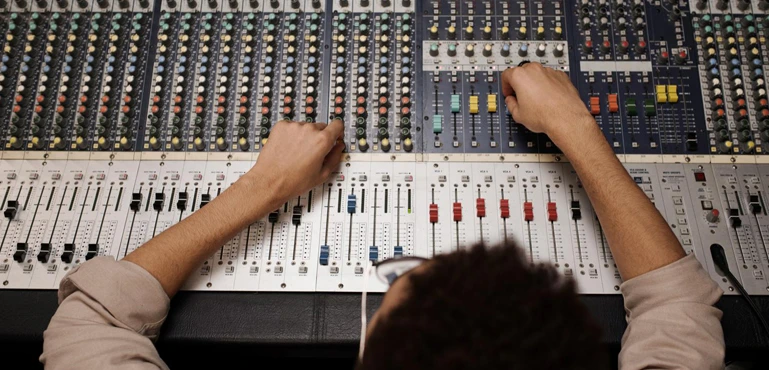 A cinematic mix can sound incredible before mastering and still lose half of its emotional impact afterward. Not because the composition was weak. Not because the orchestra was recorded badly. The problem usually appears when film music is processed using the same loudness logic designed for commercial releases.
Even relatively small mastering decisions can reshape how orchestral material feels emotionally once the soundtrack leaves the studio.
Cinematic music depends on movement. Quiet sections create tension. Expansive moments need room to unfold naturally. Percussion hits feel larger because something restrained the arrangement beforehand. When mastering flattens those transitions too aggressively, the soundtrack stops breathing the way it originally did in the studio.
One of the earliest problems usually appears in the depth relationship between orchestral layers.
Wide orchestral layers fold inward. Reverb tails feel shorter. Strings lose separation from brass. Ambient space becomes harder to perceive. A soundtrack that originally felt open and cinematic suddenly feels crowded and strangely two-dimensional.
Low-mid buildup usually becomes obvious very quickly once the soundtrack reaches smaller playback systems.
This happens constantly in hybrid orchestral material. Large percussion layers, synth textures, low brass, impacts, and atmospheric drones all compete inside the same harmonic space. If mastering pushes density too far, those layers stop complementing each other and begin masking musical detail instead.
We see this often with modern trailer-inspired scores. Everything sounds powerful at first listen. Big drums. Huge subs. Massive orchestral stacks. But after a minute or two, the soundtrack becomes exhausting because the cinematic pacing disappeared underneath constant pressure.
A score does not feel larger simply because it is louder. In fact, overcontrolled dynamics often make orchestral music feel smaller. Crescendos lose scale because there is no longer enough contrast between restrained passages and impact moments. The listener hears intensity, but not expansion.
Most of these issues become far easier to notice after the soundtrack leaves the studio environment.
- Orchestral layers begin blending together on headphones.
- Cinematic percussion starts overpowering melodic movement.
- Low brass and sub impacts cloud the center image.
- Wide atmospheric elements lose dimension on smaller playback systems.
- Transitions that once carried tension begin feeling emotionally flat.
Some of these playback issues also appear in conventional mastering work, but orchestral material exposes them much faster because orchestral arrangements contain far more spatial and dynamic complexity than most commercial productions.
The same applies to low-mid congestion. A soundtrack may feel warm and immersive during production, then become muddy once dense orchestral layers hit modern listening environments or consumer speakers. We explored similar translation behavior in our analysis of how to why orchestral mixes often lose clarity after mastering, but cinematic scores are especially vulnerable because multiple instruments often occupy overlapping emotional ranges at the same time.
Heavy limiting often reduces the sense of physical depth that orchestral material depends on.
A brass section can still measure loud after mastering while physically feeling less expansive. Large percussion can still hit hard while losing physical depth. The mix may still feel loud and polished, yet the sense of physical scale begins shrinking once depth and separation start collapsing.
Film scores usually fall apart when mastering forces every section to feel equally intense. Once real-world listening environments begin reshaping the mix orchestral balance and spatial depth, excessive level often reduces the very movement that made the score feel cinematic in the first place.
The balance often starts shifting the moment the soundtrack leaves the studio and hits normal consumer playback. Cinematic arrangements react far more aggressively to translation changes because orchestral depth and contrast are easily reduced outside controlled monitoring environments.
Once orchestral depth starts collapsing during mastering, the soundtrack usually becomes harder to translate emotionally across real playback systems.
Cinematic Dynamics and Why Loudness Is Not the Priority
One of the biggest mistakes in film score mastering is treating dynamics like a technical inconvenience instead of part of the storytelling itself.
In film-oriented music, emotional impact rarely comes from constant intensity. It comes from contrast.
A restrained piano passage makes the orchestra feel larger when it finally opens up. A quiet atmospheric section creates psychological tension before the percussion arrives. Even silence plays a role. Those transitions are what give film music scale.
When mastering reduces too much of that movement, the soundtrack may sound louder, but it stops feeling cinematic.
This becomes especially noticeable with orchestral hits and large hybrid impacts. Inside the studio, they can feel enormous because the arrangement still has room to breathe around them. But once excessive control starts shaving away transient movement and dynamic contrast, those same moments lose physical size.
In orchestral material, louder playback often feels smaller once dynamic contrast disappears.
A heavily limited impact often feels smaller than a more dynamic one because the ear no longer perceives expansion. The transition into the hit disappears. Everything arrives at nearly the same intensity level, so the soundtrack loses the sensation of scale that film-oriented material depends on.
We run into this constantly with modern streaming-oriented productions. Composers hear commercial releases competing for attention and assume cinematic scores should behave the same way. But film music follows a completely different emotional structure.
Pop records are usually designed to maintain stable energy from beginning to end. Film scores move in waves. Tension rises, relaxes, expands, then collapses again. That movement is part of the composition itself.
A mastering engineer has to preserve that movement instead of forcing every section into the same intensity range.
Another problem appears when RMS density becomes too consistent across the soundtrack. The listener stops perceiving depth between sections because the emotional ceiling never changes. The orchestra may still sound technically polished, but the cinematic pacing feels less emotionally responsive.
That natural orchestral movement becomes extremely important during mastering.
Strings need room to open naturally. Brass needs enough headroom to feel physically large instead of aggressively pinned forward. Percussion needs transient freedom or the impacts lose weight and start sounding flat on smaller playback systems.
Even reverbs behave differently once dynamics become overcontrolled. A cinematic hall tail that originally felt wide and immersive can suddenly feel detached or strangely artificial after aggressive loudness processing reduces the natural relationship between foreground and background elements.
Cinematic scale disappears much faster than most composers expect after consumer devices start reducing spatial width and low-end balance.
And unlike standard commercial genres, orchestral material cannot rely on constant loudness to create emotional engagement. In many cases, the opposite is true. The more aggressively the soundtrack fights for level, the more spatial depth disappears.
We regularly hear this during soundtrack revisions. A cue may initially feel more “impressive” after loudness processing, but once the original and mastered versions are compared side by side, the larger orchestral moments often feel noticeably less physical and less immersive.
Cinematic music also reacts differently once mobile-focused listening environments start reshaping the balance after release. Some heavily limited scores may sound impressive during short studio tests, then quickly lose depth and listening comfort once the soundtrack reaches smaller playback environments outside the studio.
In film-oriented material, the listener reacts to contrast more than raw level. A restrained section makes the next impact feel larger. Once mastering removes too much of that contrast, the score may stay loud while losing the sense of progression that made it feel cinematic in the first place.
How Hybrid Film Scores Create Translation Problems
 Modern film scores rarely behave like traditional orchestral recordings anymore. Most cinematic productions now combine multiple layers at the same time: live strings, synthetic textures, large percussion layers, low-frequency impacts, distorted pulses, wide stereo synths, ambient atmospheres, processed brass, and trailer-style sub energy. Sometimes all within a single cue.
Hybrid film scores can change character very quickly. One section may stay minimal and orchestral, while the next suddenly introduces huge percussion, synth layers, impacts, and heavy sub energy that completely reshape the balance of the mix.
Many hybrid scores still feel balanced during production, then lose stability once playback systems start reshaping the mix after mastering.
The low-mid range becomes especially unstable in hybrid scores because too many emotional layers compete inside similar harmonic regions. Cellos, low brass, cinematic drums, synth textures, impacts, drones, and reverb tails can all stack together very quickly. Inside a treated studio environment, the separation may still feel controlled. After the soundtrack reaches everyday listening setups, that balance can change dramatically.
Headphones and earbuds expose the problem almost immediately. Wide orchestral layers begin narrowing. Stereo synths partially collapse toward the center. Percussion masks harmonic detail that originally felt clear inside the mix. String movement becomes harder to perceive once low-frequency energy and dense textural layers begin fighting for space on smaller playback systems.
A cue may still sound huge overall, yet subtle orchestral details like bowed string movement or soft brass harmonics can easily disappear underneath percussion and sub energy once the playback environment becomes smaller.
At first listen the cue may still feel powerful, but as playback density rises, orchestral movement and harmonic detail become much harder to distinguish.
Sub frequencies create another difficult balancing act. Many hybrid scores rely on trailer-inspired low-end to create physical weight and cinematic tension. The problem is that uncontrolled sub energy can easily overpower orchestral depth after mastering. A cue that originally felt immersive may become cloudy once the low-end expands differently across televisions, cars, soundbars, or consumer headphones.
We see this often with modern hybrid productions that sound enormous in the studio but lose articulation during real-world playback. The percussion still feels aggressive. The sub still feels heavy. Yet emotional transitions inside the orchestra become harder to follow because low-frequency density masks the movement underneath. Similar translation behavior appears in other low-end heavy genres, which we discussed in our analysis of why cinematic low-end often loses control outside the studio, but cinematic material becomes far more fragile because orchestral emotion depends so heavily on depth and separation.
Another issue comes from stereo instability. Large cinematic synths may sound wide and immersive on studio monitors, then behave unpredictably after the stereo image starts collapsing on smaller devices. Earbuds are particularly unforgiving here. Atmospheric layers that originally created scale can suddenly crowd the center image instead, making the soundtrack feel smaller even though the overall loudness remains high.
Hybrid orchestral productions also become far less predictable once the soundtrack starts moving across trailers, promotional edits, streaming releases, and other adaptive playback environments where orchestral balance can shift unpredictably outside the studio.
Hybrid cinematic music only works when density stays controlled enough for orchestral movement and spatial definition to remain intact underneath the scale. That balance is where most hybrid cinematic masters start breaking apart. Not making the soundtrack sound huge for a few seconds, but preserving clarity, movement, and cinematic depth once normal listening systems begin reshaping the mix outside the studio.
Cinematic mastering is about translation, not just loudness
A film score can feel massive in the studio and still lose depth, tension, or emotional scale once it reaches streaming platforms, headphones, TVs, or smaller playback systems.
We work with orchestral and hybrid cinematic material every day — focusing on spatial balance, dynamic movement, and real-world playback translation instead of generic loudness processing.
Send a track for a free 30-second demo master and hear how your score behaves after real mastering decisions from an engineer who understands cinematic music.
Real engineer. No automated processing. Worldwide online mastering for cinematic releases.
Why Playback Systems Change Cinematic Perception
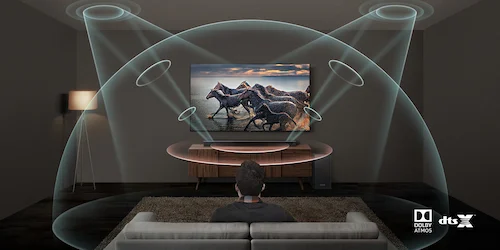 One of the hardest parts of film score mastering is accepting a simple reality: the soundtrack people hear outside the studio is not the same soundtrack you hear while creating it. A cinematic mix may feel enormous on full-range monitors in a treated room. The stereo field feels wide, the orchestra has depth, percussion creates physical movement, and the low-end feels controlled without overwhelming the arrangement.
Then the track reaches the real world, and the playback environment changes the entire balance.
Earbuds narrow the stereo image. Laptops reduce low-frequency extension. TVs compress spatial depth. Cars exaggerate certain low-mid regions while masking others completely.
We often hear this during client revisions. A cue feels wide and immersive on studio monitors, then suddenly sounds crowded once the same track is tested on consumer earbuds or laptop speakers.
This is often the point where a soundtrack feels noticeably smaller and less immersive during normal playback. The soundtrack may still sound technically clean, but the perceived depth and scale become noticeably reduced. The orchestra loses separation. Ambient layers stop surrounding the listener the way they originally did. Percussion begins overpowering harmonic movement. Sub impacts blur together instead of creating controlled cinematic tension.
We hear this constantly with hybrid orchestral productions. In a controlled room, the relationship between strings, synths, percussion, atmospheres, and low-end energy may feel perfectly balanced. On smaller playback systems, that same relationship can collapse surprisingly fast. Earbuds are especially unforgiving because wide cinematic layers often fold inward once stereo width becomes restricted.
Many composers underestimate how aggressively reduced stereo width can reshape the entire cinematic perspective of a score. A soundtrack that originally felt immersive may feel noticeably more crowded because orchestral layers begin competing inside a smaller perceived space. Reverbs lose dimension. String movement becomes harder to distinguish behind large percussion layers. Emotional transitions feel flatter because the listener no longer perceives the same sense of distance between restrained passages and larger moments.
Low-end translation creates another major challenge. Large cinematic impacts may feel controlled in the studio while behaving unpredictably across everyday listening setups. Some headphones exaggerate sub energy. Smaller speakers remove it almost entirely. Certain televisions shift the perceived balance toward upper mids once low-frequency extension disappears, while cars often introduce completely different resonance behavior depending on listening volume and interior acoustics.
We hear this constantly during revision checks. In many revision sessions the original mix still feels balanced on studio monitors, while the mastered version immediately starts feeling narrower once both versions are compared side by side on earbuds or laptop speakers. A low-end balance that feels controlled in the studio can suddenly overpower orchestral movement once the soundtrack is tested inside a real vehicle at normal listening volume.
Cinematic scores react very aggressively to unstable low-end behavior because perceived scale changes immediately once orchestral balance starts shifting between playback systems. If the low-end changes too aggressively between systems, emotional consistency disappears with it. A soundtrack may still sound “powerful,” yet lose the physical depth that originally made the arrangement feel cinematic.
A lot of cinematic scores start behaving differently the moment they leave the studio ecosystem and hit phones, earbuds, and compressed modern real-world playback. Wide orchestral layers and hybrid low-end often behave differently after upload than they do inside the studio.
The same applies to mobile-focused streaming ecosystems. Many cinematic releases now live primarily on phones, wireless earbuds, laptops, and smart TVs instead of dedicated listening environments. That shift dramatically changes how orchestral space and separation behave outside controlled monitoring environments, which is also why translation behavior discussed in our how streaming playback reshapes orchestral space has become increasingly relevant for modern cinematic releases.
Most film scores are judged long after they leave the studio environment. The goal is not making the soundtrack sound identical everywhere — that is impossible. The real goal is preserving emotional scale after consumer playback environments begin reducing width, reshaping low-end behavior, and compressing spatial depth across smaller playback systems.
Film Score Mastering vs Standard Music Mastering
One of the biggest misconceptions in modern mastering is assuming every genre should chase the same type of playback behavior. That logic works reasonably well for some commercial releases, but cinematic music follows a completely different emotional structure.
A standard commercial master is often designed to maintain stable forward energy. Consistency matters. Density matters. The track usually needs to feel immediately present across playlists, phones, cars, and streaming environments where attention spans are short and playback conditions change constantly.
Film scores behave differently because the music itself is built around pacing, tension, and release rather than constant forward energy.
The soundtrack needs room to expand and contract naturally. Quiet passages create tension. Wide orchestral sections create scale. Large impacts only feel cinematic because something more restrained came before them. Once mastering starts forcing everything into the same intensity range, the emotional architecture begins collapsing underneath the loudness.
This is where many cinematic projects get damaged accidentally. A master that works perfectly for modern commercial music may reduce depth, flatten crescendos, narrow orchestral space, or make hybrid layers feel emotionally crowded once applied to film-oriented material.
| Mastering Focus | Film Score Mastering | Standard Music Mastering |
|---|---|---|
| Emotional Priority | Preserve cinematic tension and musical movement | Maintain consistent energy and immediate impact |
| Dynamic Behavior | Wide contrast between restrained and large moments | Controlled and stable overall intensity |
| Stereo Handling | Protect orchestral width and spatial depth | Prioritize forward clarity and playback consistency |
| Low-End Management | Balance cinematic weight without masking emotion | Maximize punch and density stability |
| Playback Goal | Preserve scale across changing environments | Maintain competitive presence everywhere |
| Loudness Strategy | Support cinematic translation without collapsing dynamics | Optimize stable perceived loudness |
This difference becomes especially important with orchestral and hybrid scores because cinematic music depends so heavily on perceived depth. A soundtrack may technically sound loud after mastering while emotionally feeling smaller if spatial movement and dynamic contrast are reduced too aggressively.
That is why cinematic mastering decisions usually revolve around translation instead of raw level. The focus shifts toward preserving width, protecting orchestral separation, controlling density, and maintaining emotional pacing once the soundtrack reaches consumer listening environments.
Many composers initially underestimate how sensitive film scores are to these changes. A limiter adjustment that feels minor during mastering can completely reshape how a crescendo behaves emotionally outside the studio. The orchestra may still sound polished, but the cinematic tension underneath the arrangement no longer develops the same way.
Instead of chasing constant intensity, the focus moves toward preserving motion, contrast, and spatial realism after the soundtrack leaves the controlled studio environment. Cinematic mastering usually requires a far more playback-focused workflow than standard commercial release processing.
A film score usually fails when mastering starts treating every section like it needs the same level of intensity. Cinematic music depends on contrast between restraint and impact, so preserving that contrast becomes part of the mastering process itself.
What Film Composers Often Miss Before Sending a Score for Mastering
A surprising number of cinematic mastering problems begin long before the mastering stage itself. Not because the music is poorly written, but because dense film-oriented arrangements can hide translation issues that only become obvious once the soundtrack leaves the studio.
Excessive orchestral density is usually where translation problems begin.
Inside a large cinematic session, everything may feel exciting at first listen. Huge strings. Wide synths. Massive percussion. Layered impacts. Deep sub energy. But when too many emotional layers occupy the same space simultaneously, the arrangement competes against itself before mastering even begins.
This becomes especially noticeable in hybrid scores where orchestral instruments compete with synthetic textures across similar frequency regions. The soundtrack may sound “full” in the studio while actually losing separation underneath the surface. Once mastering enhances overall density and playback systems begin narrowing the image, emotional clarity can disappear surprisingly fast.
A common example is hybrid percussion masking orchestral movement during larger moments. The impacts still feel aggressive, but the strings no longer carry the same emotional detail underneath because low-mid buildup starts overpowering harmonic movement. The cue remains loud and impressive, yet somehow feels flatter emotionally.
Another issue comes from clipped peaks inside cinematic transitions. Some composers intentionally push orchestral impacts hard during production because the distortion feels exciting in the moment. The problem is that clipped transients behave unpredictably once mastering begins controlling overall dynamics.
We sometimes receive soundtrack revisions where the impact sections already clip before mastering even begins. Inside the session the distortion may feel aggressive and cinematic, but once overall dynamics are controlled during mastering, those clipped peaks often become smaller and harsher instead of larger.
Instead of feeling larger, those moments often lose physical depth. The transient edge becomes harsh while the perceived scale underneath the hit becomes smaller. This is especially dangerous in cinematic music because emotional expansion depends heavily on transient contrast between restrained passages and impact sections.
Sub impacts create similar translation problems. A low-end layer that feels controlled on studio monitors may become unstable across televisions, cars, earbuds, or smaller consumer speakers. We see this constantly with modern trailer-inspired scores where oversized low-frequency energy initially sounds cinematic but later starts masking orchestral detail once the soundtrack reaches real-world playback environments.
In some projects the low-end feels perfectly controlled during production, yet after mastering the sub energy overpowers orchestral movement on smaller playback systems.
Aggressive stereo widening creates another common translation problem in cinematic mastering.
Many composers attempt to create cinematic scale by aggressively widening synths, reverbs, or atmospheric layers during production. Inside the studio, that width may feel immersive. On everyday listening setups, especially earbuds and mobile devices, those same layers can partially collapse inward and crowd the center image instead. The soundtrack loses openness and begins feeling noticeably more crowded during playback.
Reverb behavior also changes more than people expect. A hall tail that feels smooth and cinematic in isolation may become blurry once dense orchestral layers, percussion, and sub energy begin interacting with it during mastering. Instead of enhancing scale, the ambience masks movement between sections.
Another common issue appears when cinematic projects are pushed toward commercial loudness expectations.
Many composers compare unfinished cinematic projects directly against heavily optimized commercial releases and assume their score should reach the same type of intensity. In reality, forcing film music toward constant loudness often damages the emotional pacing that made the soundtrack cinematic in the first place.
Mastering can improve translation, balance, and perceived cohesion. It cannot completely repair arrangement density or restore emotional depth that was already masked earlier in production. Cinematic clarity starts before mastering ever begins.
That is why preparation matters so much with film-oriented projects. Not in the sense of technical export rules or file management, but in terms of emotional space inside the arrangement itself. Cinematic material usually requires far more awareness of density, spatial balance, and low-end interaction before mastering ever begins.
This is also one reason many composers now request feedback before final mastering decisions are made. Early evaluation often reveals translation problems that remain hidden during production, especially in hybrid orchestral material. We discussed that workflow further in our page about early cinematic mix evaluation, where identifying emotional masking issues early can prevent much larger playback problems later.
And while every cinematic project behaves differently, one pattern stays remarkably consistent: the cleaner the spatial movement is before mastering, the more effectively the soundtrack survives across consumer playback systems later.
Film Score Mastering for Streaming Releases
Film music is no longer limited to theaters, physical media, or production libraries. A huge percentage of cinematic releases now live directly on streaming platforms — from independent film scores and soundtrack albums to hybrid orchestral singles released by composers building audiences online.
Modern soundtrack releases now reach far more unpredictable listening environments than traditional large-scale playback ever did.
A film score that once existed mainly inside controlled playback environments now has to survive phones, earbuds, Bluetooth speakers, laptops, smart TVs, cars, and modern everyday listening environments that constantly reshape how the soundtrack behaves after upload.
This creates a difficult balancing act for modern film-oriented releases. The score still needs emotional depth and dynamic movement, but it also has to remain stable once modern listening environments reduces perceived contrast between sections.
This is often the stage where soundtrack releases begin sounding smaller and less immersive after upload.
A soundtrack may feel immersive inside the studio, then suddenly become flatter once uploaded to digital listening environments. We hear this often with independent soundtrack releases where the orchestral balance still feels controlled in the studio, yet the same cue starts sounding noticeably narrower once tested through consumer earbuds and streaming apps side by side. Crescendos lose emotional expansion. Wide orchestral passages narrow slightly. Percussion becomes more dominant than intended. Low-end movement changes depending on the playback device.
Most listeners will never identify the technical reason, but the score simply stops feeling as immersive as it did in the studio.
Independent composers run into this problem constantly, especially when releasing soundtrack albums directly to Spotify, Apple Music, YouTube Music, or SoundCloud audiences in the US market. Many cinematic projects today are consumed primarily through personal devices instead of dedicated listening environments, which means emotional translation matters more than ever.
This is one reason modern release-focused cinematic mastering requires a different mindset than traditional commercial loudness workflows. The goal is not forcing the soundtrack into maximum density. The goal is preserving orchestral depth and cinematic pacing after the soundtrack reaches everyday listening environments.
Even subtle mastering decisions can dramatically affect how cinematic music behaves once modern listening environments begin reshaping orchestral balance, stereo width, and low-end perception after upload.
Long-form soundtrack listening creates another problem that many cinematic releases underestimate.
Film scores are often consumed differently than mainstream singles. Listeners may play entire cinematic albums during work, travel, study sessions, or long-form listening environments. If the mastering becomes too dense or emotionally compressed, the soundtrack can lose immersion surprisingly quickly.
This is especially noticeable on platforms built around independent uploads and headphone listening. Similar playback behavior appears across modern SoundCloud releases, where cinematic projects frequently compete against consumer playback limitations rather than studio conditions.
Modern film score mastering is no longer only about making the soundtrack sound impressive before release. It is about preserving spatial depth after the music enters an ecosystem built around modern listener environments built around headphones, laptops, and mobile playback.
Conclusion — Preserve the Emotion, Not Just the Loudness
Film score mastering behaves differently because cinematic music itself behaves differently. The soundtrack is not built around constant intensity or stable commercial energy. It depends on movement, contrast, depth, and emotional pacing. Quiet sections create tension, while larger orchestral moments create the sense of expansion that gives film music scale. The relationship between those extremes is what gives cinematic music its sense of scale.
Once the score reaches real listeners, the emotional balance changes fast. A cue that felt open and immersive during mastering may suddenly feel narrower, denser, or less dramatic depending on the playback environment. Stereo width narrows, low-end balance shifts unpredictably, and orchestral layers that once felt separated can suddenly begin masking each other. Percussion can suddenly overpower orchestral movement that originally felt perfectly balanced during production.
A lot of cinematic mastering problems stay hidden until the soundtrack finally reaches everyday playback systems.
Maximum level rarely improves cinematic playback once depth and contrast begin collapsing. The goal is preserving emotional scale after everyday playback begin reducing spatial depth and altering the relationship between orchestral and hybrid elements. A soundtrack can still sound polished after mastering while losing the sense of size and movement that originally made the cue feel cinematic.
We hear this constantly with modern hybrid scores. The music feels huge in the studio, but once it reaches digital listening environments and consumer devices, the emotional perspective changes completely. Crescendos feel flatter. Large impacts lose depth. Atmospheric layers collapse inward. The overall level stays high, but the sense of scale becomes noticeably narrower.
Small mastering decisions often become much more noticeable after the soundtrack reaches consumer playback systems.
Not in chasing louder numbers, but in preserving the movement and contrast already built into the composition. Crescendos need room to expand naturally. Percussion needs weight without masking orchestral movement. Wide orchestral layers need enough spatial control to survive streaming playback without collapsing toward the center image.
At our studio, film score mastering is approached through translation checks across multiple playback systems, with attention to orchestral depth, stereo stability, low-end behavior, and long-form listening fatigue. Some scores lose orchestral separation first. Others keep the width but collapse in the low-mids once the soundtrack hits consumer playback. Hybrid projects often expose both problems at the same time.
Technical processing matters, but large-scale mastering usually succeeds or fails based on how well the score translates outside the studio. It is won by preserving the emotional experience that made the soundtrack cinematic before mastering ever started.
A cinematic score should still feel orchestral after release
Orchestral depth, hybrid layers, percussion weight, emotional movement — all of it can change dramatically once the soundtrack leaves the studio and reaches everyday listening systems.
We master film-oriented scores with a focus on preserving orchestral depth, emotional movement, and playback translation outside the studio.
Every score is reviewed manually with attention to orchestral balance, low-end translation, and spatial stability across real playback systems.
Send a track for a free 30-second demo master and hear how your film-oriented score behaves after mastering decisions designed for real-world soundtrack playback.
Free demo mastering up to 30 seconds. Real engineer. Hybrid and orchestral projects welcome.
Film Score Mastering FAQ
What makes film score mastering different from normal mastering?
Film score mastering focuses more on preserving orchestral movement, spatial depth, and playback realism than maintaining constant loudness. Cinematic music depends heavily on tension, contrast, orchestral separation, and perceived scale across different playback environments. A mastering approach designed for commercial pop releases can easily flatten those characteristics and reduce the emotional impact of the score.
Should cinematic music be mastered loudly?
Not necessarily. Loudness alone does not create cinematic scale. In many cases, overly aggressive loudness processing makes orchestral music feel smaller because dynamic contrast disappears. Cinematic mastering usually works best when emotional movement and depth remain intact instead of forcing every section to maintain the same intensity level.
Why do orchestral scores lose depth after upload?
Streaming playback, consumer headphones, TVs, and mobile devices all reshape stereo width, low-end behavior, and perceived density differently. Wide orchestral layers may narrow slightly, reverbs can lose dimension, and dense arrangements may become more crowded once the soundtrack reaches consumer playback devices. This becomes especially noticeable on streaming platforms where consumer playback devices constantly reshape stereo width and low-end balance differently from studio monitoring.
Can mastering fix muddy orchestral mixes?
Mastering can improve balance and translation, but it cannot completely repair excessive arrangement density or overlapping orchestral layers. If low-mids are already overloaded inside the mix, aggressive mastering may actually make the problem more obvious on everyday listening setups. Dense hybrid arrangements often become even more unstable after mastering once earbuds, TVs, and smaller playback systems reduce separation between orchestral layers.
Why do some cinematic masters feel smaller after getting louder?
In cinematic music, increasing level too aggressively can reduce the contrast that creates perceived scale. Orchestral impacts often feel larger when quieter sections still have room to breathe naturally beforehand. The listener still hears loudness, but no longer feels the emotional expansion between restrained and cinematic moments.
Why do hybrid film scores behave differently on headphones?
Hybrid cinematic music often combines wide stereo synths, orchestral layers, hybrid percussion, and deep sub energy at the same time. Headphones and earbuds can narrow the perceived image, exaggerate low-end behavior, or shift orchestral balance in ways that make dense cinematic arrangements feel smaller or less spatially separated than they did inside the studio.