
Mixing Checklist: How Engineers Verify A Mix Before It Leaves The Studio
A mix can sound finished and still contain problems. In fact, many of the issues that eventually draw attention from artists, labels, or listeners are not created during the mixing process itself. They are simply missed before the project is approved. After spending hours or days working on the same session, it becomes increasingly difficult to hear the mix with fresh perspective. Small imbalances start to feel normal. Distractions become familiar. Details that would immediately stand out to a new listener can quietly survive until release.
This is why professional mixing does not end when the last adjustment is made. It ends after the mix has been reviewed. Verification is a separate stage with a different purpose. Mixing focuses on building the result. Review focuses on confirming that the result actually works. Those goals sound similar, but they require different listening priorities. During review, the question is no longer "What should be changed?" Instead, it becomes "What may still be wrong?"
A structured mixing checklist creates a final layer of verification before approval. It helps engineers evaluate balance, focus, stereo consistency, automation behavior, and overall translation after the main mixing work is complete. This stage takes place after the process described in our What Is Mixing guide. Its purpose is straightforward: confirm that the mix is ready to leave the studio.
Why Great Mixes Still Contain Problems Before Final Review
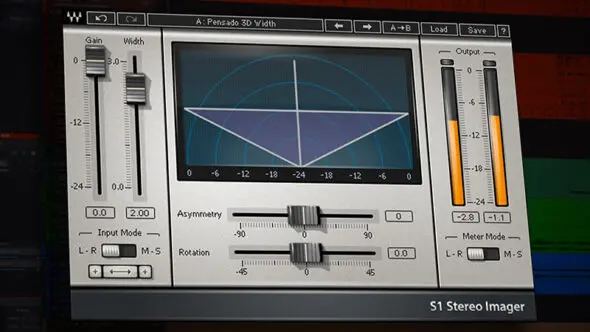 One of the least discussed realities of mixing is that hearing a song repeatedly changes the way it is perceived. The longer someone works on a project, the more familiar every detail becomes. What initially sounded distracting may stop attracting attention. An imbalance that would immediately stand out to a first-time listener can gradually blend into the engineer's expectations simply because it has been heard hundreds of times. This is not carelessness. It is a normal consequence of human perception.
Engineers encounter this constantly. A mix may feel completely finished late in the evening after several hours of focused work. The balances seem stable. The transitions feel natural. Nothing appears problematic. Then the same session is opened the following morning and a vocal suddenly feels too dominant during the chorus, a background element becomes distracting, or a section change feels less controlled than it did the day before. The mix itself did not change. The listening perspective did.
Familiarity bias affects nearly every stage of audio production. As the brain learns what to expect, it becomes less sensitive to details that fall outside ideal balance. Small issues rarely announce themselves with obvious warnings. Instead, they quietly survive because the listener has adapted to them. This is one reason why projects can leave the studio with problems that seem surprisingly easy to identify afterward.
Extended listening creates another challenge. During long sessions, attention naturally shifts between different parts of the arrangement. At one moment the focus may be on the vocal. Later it moves to the low end, transitions, or spatial elements. While concentrating on one area, it becomes easier to overlook another. A mix can therefore receive hours of careful work while certain issues remain largely unnoticed simply because attention was directed elsewhere.
This is exactly why professional studios treat review as a separate stage rather than a final glance before export. The purpose of review is not to continue making creative decisions. It is to temporarily step away from them. Instead of asking whether individual adjustments were successful, the engineer evaluates the entire listening experience from a broader perspective. The objective changes from creating the mix to verifying the mix.
Many issues identified during final review are not obvious while adjustments are being made. Once the engineer shifts from decision-making to evaluation, previously unnoticed details often become easier to hear. This change in perspective explains why dedicated review remains an important part of professional quality control, even after the main mixing work is complete. Some of the most common examples are explored in our Mixing Problems Guide.
A dedicated review stage creates a valuable separation between work and approval. It provides an opportunity to hear the mix as a listener rather than as the person responsible for every decision inside the session. That distinction matters more than many people realize. Some of the most important improvements happen not because new processing is added, but because existing problems are finally noticed before the mix is considered complete.
What A Professional Mixing Checklist Is Actually Designed To Verify
A mixing checklist is not a list of technical actions. It is not a collection of processors that should be used or a sequence of moves that needs to be repeated. A professional checklist exists for one reason: to confirm that the mix sounds right under real listening conditions. By the time review begins, the creative and technical work has already been done. The checklist is there to verify the outcome, not the method used to achieve it.
During active mixing, attention naturally shifts between different parts of the project. One moment the focus is on the vocal. Later it may move to the low end, arrangement density, transitions, or overall energy. Review requires a different mindset. Instead of asking whether individual decisions were successful, the engineer evaluates whether the finished mix communicates clearly from beginning to end. The emphasis moves away from process and toward perception.
Balance is often the first area examined. This is not simply a question of whether one element is louder than another. The real concern is whether the relationships between elements feel intentional. A listener should not need to work to understand what deserves attention. If important parts disappear during dense sections or supporting elements repeatedly pull focus away from the song's core message, the review stage will often reveal it.
Vocal presence receives special attention for a similar reason. In many productions, the vocal acts as the primary connection between the song and the listener. A mix may feel technically correct while still allowing the vocal to become inconsistent from section to section. Sometimes the issue is subtle. The vocal remains audible, but the emotional connection weakens because certain phrases lose impact when the arrangement becomes more active. These situations are easier to evaluate during review than during continuous mixing.
Stereo consistency is another important part of verification. A mix should feel stable regardless of how complex the arrangement becomes. Width can change throughout a song, but those changes should support the musical direction rather than create unintended distractions. Review focuses on whether the stereo image feels controlled and coherent when the entire production is experienced as a complete piece.
Mono compatibility serves a related purpose. The goal is not to satisfy a technical requirement. The goal is to confirm that essential information remains intact when playback conditions change. Listeners rarely experience music under ideal circumstances. Phones, portable speakers, retail environments, and countless everyday listening situations place different demands on a mix. Verification helps identify whether important details disappear when conditions become less predictable.
Automation behavior is evaluated from a listener's perspective rather than an editing perspective. A volume ride, effect movement, or transition may appear completely reasonable inside the session. Yet when the song is heard continuously from start to finish, the same move can feel exaggerated, distracting, or inconsistent. Review creates an opportunity to evaluate these moments within the context of the entire record instead of individual sections.
Transitions deserve similar scrutiny. A strong mix guides attention smoothly between verses, choruses, breakdowns, and other structural changes. Small interruptions often become noticeable only after the engineer stops concentrating on individual details and begins listening to the larger musical journey. Abrupt energy shifts, unexpected distractions, or moments that interrupt momentum frequently reveal themselves during this stage.
The final category is often the most difficult to define yet one of the most valuable to review: distractions. These are the details that attract attention for reasons unrelated to the song itself. A background element that suddenly feels too prominent. A phrase that momentarily disappears. A sound that consistently pulls focus away from the intended focal point. None of these issues necessarily indicate poor mixing. They simply indicate that something is competing with the listener's experience.
The logic behind a professional mixing checklist is straightforward. It does not ask how the mix was built. It asks how the mix is received. Every verification step exists to answer a single question: does the finished record communicate as intended when heard as a complete listening experience? A checklist verifies outcomes, not processing decisions.
Why Engineers Review Listener Focus Before Approving A Mix
 One of the most important questions during final review has nothing to do with technical quality. It is remarkably simple: what is the listener paying attention to? A mix can be balanced, clean, and free of obvious problems while still directing attention toward the wrong elements. When that happens, the song may feel confusing even if nothing sounds technically incorrect.
Listeners do not experience a mix the way engineers do. They are not evaluating levels, checking consistency, or analyzing arrangement details. They are simply following whatever captures their attention first. Sometimes that process happens consciously. More often it does not. The brain naturally gravitates toward certain sounds, words, rhythms, and emotional cues. If the mix constantly pulls attention away from those priorities, the message of the song becomes harder to follow.
For that reason, listener focus becomes a dedicated part of professional review. During active mixing, attention is often directed toward solving individual challenges. During verification, the perspective changes. The engineer steps back and listens as a complete audience member would. The goal is to determine whether the most important parts of the song naturally lead the listening experience.
In many productions, the vocal becomes the primary focus point. Not because it must always be the loudest element, but because it frequently carries the emotional and lyrical content that listeners connect with first. During review, engineers often pay close attention to whether the vocal remains easy to follow throughout the arrangement. Review simply confirms that listener focus remains where the song intends it to be. In many productions, that naturally includes the vocal. This is one reason vocals often receive additional scrutiny during final review, a topic explored in greater depth within our Vocal Mixing guide.
Focus is not limited to vocals. Every song has elements that deserve priority. In some productions it may be a lead instrument. In others it could be a rhythmic hook, a melodic phrase, or a recurring motif that defines the track's identity. The review process evaluates whether those elements consistently occupy the attention they deserve or whether competing sounds are quietly pulling listeners elsewhere.
Interestingly, loss of focus is often caused by relatively small details. A supporting instrument that becomes slightly too prominent in one section. A background element that suddenly draws attention for a few seconds. A layer that feels harmless in isolation but repeatedly competes with the song's primary message when heard in context. These situations rarely appear dramatic inside the session. Yet they can subtly weaken the listening experience over the course of an entire song.
Engineers also look for moments where attention becomes fragmented. This happens when multiple elements appear to demand equal importance at the same time. The listener may not consciously identify the problem, but the result often feels less engaging. Instead of following a clear path through the arrangement, attention begins moving unpredictably between competing sources. The mix loses a sense of direction.
A useful way to think about listener focus is through effort. Strong mixes rarely require listeners to search for what matters. The song presents its priorities clearly. Attention flows naturally toward the elements carrying the emotional weight of the production. Weak focus does the opposite. It forces the audience to work harder than necessary to understand where their attention belongs.
This is why final review extends beyond technical accuracy. A mix can satisfy every measurable requirement and still struggle to communicate effectively. Engineers therefore evaluate not only whether sounds are present, but whether they occupy the right role within the listening experience. The objective is not perfection. The objective is clarity of attention.
Ultimately, listener focus serves as a reality check. The engineer already knows every decision that was made throughout the project. The audience does not. They encounter the song without context, expectations, or technical knowledge. Reviewing listener focus helps ensure that what feels obvious inside the studio remains equally obvious once the music reaches the real world. The listener should hear what matters most without effort.
Mixing Checklist Overview
| Checklist Area | What Engineers Verify | Why It Matters |
|---|---|---|
| Balance | Element relationships | Overall clarity |
| Vocal Review | Lead focus | Communication |
| Mono Check | Translation | Playback consistency |
| Stereo Review | Width stability | Spatial accuracy |
| Automation Review | Movement | Listener engagement |
| Reference Listening | Perspective | Final validation |
Quick Summary: Before approving a mix, engineers verify balance, listener focus, mono translation, stereo stability, automation consistency, and overall perspective through reference listening.
Mix Review Checklist At A Glance
- Balance: Verify that important elements maintain clear relationships throughout the song.
- Vocal Focus: Confirm that listener attention naturally follows the primary message of the record.
- Mono Compatibility: Ensure essential information remains intact across playback systems.
- Stereo Stability: Check that width and spatial balance remain consistent.
- Automation: Identify level changes and transitions that may distract listeners.
- Reference Listening: Compare perspective against professionally finished productions.
Together, these review categories create a structured process for verifying the mix before it leaves the studio.
A mix can sound finished and still miss important details
Long mixing sessions naturally reduce objectivity. Small balance issues, distracting transitions, inconsistent automation, or listener-focus problems often become difficult to recognize after repeated listening. A structured review helps identify the details that are easiest to overlook before a project moves forward.
Objective review. Clear priorities. Professional mix evaluation.
Checking Balance Before Exporting The Mix
Few aspects of a mix influence the listening experience more directly than balance. Long before listeners notice tonal character, stereo width, or production details, they respond to relationships. Which elements lead? Which support? Which disappear? Which pull attention away from where it naturally belongs? These questions sit at the center of final mix review because balance determines how the entire song is perceived.
Balance problems rarely announce themselves during active mixing. Engineers spend hours adjusting individual elements, refining sections, and reacting to the needs of the arrangement. Over time, the ear adapts to those decisions. What once felt slightly too loud may begin to feel normal. What initially seemed buried may gradually appear correct simply because repeated listening has recalibrated expectations. This is one reason why balance often becomes a dedicated review category rather than something assumed to be solved automatically.
Professional review focuses less on individual tracks and more on relationships between tracks. A vocal may sound perfectly reasonable on its own while still competing with a lead instrument. The low end may feel powerful until it is compared against the energy of the chorus. A supporting element may seem harmless during editing yet repeatedly distract attention when the song is heard from beginning to end. Balance is rarely about isolated sounds. It is about how sounds interact.
Consistency becomes especially important during section-to-section comparison. A listener experiences a song as a continuous journey rather than a collection of separate moments. Because of that, engineers often review verses, choruses, bridges, intros, and outros in relation to one another. Does the chorus feel intentionally larger than the verse? Does energy build naturally? Do important elements maintain their role throughout the arrangement? Small inconsistencies that pass unnoticed during editing frequently become obvious when entire sections are compared side by side.
Level perception adds another layer of complexity. Human hearing does not evaluate loudness in a perfectly objective way. Arrangement density, instrumentation, and frequency content can all influence how levels are perceived. Two elements may measure similarly while creating completely different impressions of prominence. During review, the focus shifts away from numerical values and toward listening experience. The question is not whether levels appear correct inside the session. The question is whether they feel correct when the song is experienced as music.
This process often reveals issues that are surprisingly subtle. A chorus vocal may rise just enough to feel disconnected from the surrounding sections. A keyboard layer may become slightly too dominant when other instruments drop out. A rhythmic element may gradually attract more attention than intended as the arrangement evolves. None of these situations necessarily indicate a flawed mix. They simply illustrate how balance can drift in ways that become easier to recognize during dedicated review.
Another important part of balance evaluation involves listening priorities. Every song contains elements that deserve different levels of attention. Some productions revolve around vocals. Others rely heavily on groove, atmosphere, melody, or instrumental interaction. A strong balance allows those priorities to emerge naturally. Listeners should not need to search for the most important information. The arrangement should guide attention without effort.
Occasionally, what appears to be a level problem is actually a frequency relationship problem. Two elements may seem to compete for space even when their levels are appropriate. In those situations, the issue often extends beyond traditional balance and into broader frequency interaction. Our Frequency Balance In Mix guide explores those relationships in greater detail.
The reason balance remains one of the most important stages of final verification is simple. Listeners rarely analyze production decisions consciously. They react to what feels clear, natural, and engaging. When balance works, the song communicates effortlessly. When it does not, even small inconsistencies can influence how the entire production is experienced. Many balance issues are not created during mixing. They become visible only when the mix is reviewed with fresh perspective before export.
Why Mono Compatibility Still Belongs On Every Mixing Checklist
It is easy to assume that mono compatibility became irrelevant once stereo playback became the standard. Most modern music is consumed through headphones, earbuds, car systems, televisions, and stereo speakers. Yet final mix reviews continue to include mono checks for a simple reason: listeners do not always hear music under ideal conditions.
Playback environments have become more varied, not less. A song may move from studio monitors to wireless earbuds, from a phone speaker to a Bluetooth speaker, from a smart speaker in a kitchen to a television in a living room. Every playback system presents information differently. Some reproduce stereo images well. Others dramatically reduce the sense of width. Certain devices effectively collapse large portions of the stereo field without the listener ever realizing it.
This creates a challenge that often remains invisible during active mixing. A production can sound impressive in stereo while hiding weaknesses that become obvious when playback conditions change. Elements that felt clear and well-positioned may suddenly lose presence. Important details can become less stable. Certain sounds may appear softer than expected or seem to shift unpredictably within the overall balance.
One reason this happens is that stereo information does not always translate perfectly across different systems. The wider and more complex a mix becomes, the more opportunities exist for unexpected interactions to appear when playback conditions are altered. During final review, engineers are not looking for technical perfection. They are evaluating whether the song continues to communicate effectively when ideal stereo reproduction is no longer available.
Phones provide a useful example. Despite improvements in mobile audio, millions of listeners still encounter music through small built-in speakers. Those devices prioritize convenience rather than accurate stereo reproduction. A mix that depends too heavily on spatial presentation may deliver a noticeably different experience compared to what was heard in the studio. Reviewing mono compatibility helps identify whether essential musical information remains accessible in those situations.
Bluetooth speakers create similar challenges. Many portable systems are used outdoors, in noisy environments, or at distances where subtle stereo details become less apparent. The listener's attention naturally shifts toward the strongest and most stable elements within the mix. If important musical information relies too heavily on stereo presentation, translation can suffer even when the overall production sounds excellent on studio monitors.
Smart speakers introduce another real-world consideration. These devices are designed primarily for convenience and voice interaction. Music playback is often secondary. As a result, listeners frequently hear songs while moving around a room rather than sitting in an ideal listening position. The stereo image that sounded perfectly balanced in the studio may not be perceived in the same way during everyday use.
Mono review is also valuable because it helps reveal phase-related surprises that can otherwise remain hidden. These situations are not always dramatic. Sometimes the effect is subtle. A supporting layer becomes less audible. A texture loses stability. A background element behaves differently than expected. Such issues may never appear during traditional listening because stereo playback masks them effectively. Final review creates an opportunity to identify these problems before the mix reaches listeners.
The goal is not to make every mix sound identical in mono and stereo. That would ignore many of the advantages modern production techniques provide. Instead, the objective is much more practical. Engineers want to confirm that the song still functions when playback conditions become less predictable. The listener should still understand the arrangement. Important elements should remain present. The musical message should survive regardless of where the track is played.
For that reason, mono compatibility remains a permanent part of professional mix verification. Stereo playback may be common, but it is not universal. Music travels through countless environments that engineers cannot control. A strong mix maintains its identity across those environments, and a simple mono check often reveals information that even extensive stereo listening can miss.
Reviewing Stereo Image Before Calling A Mix Finished
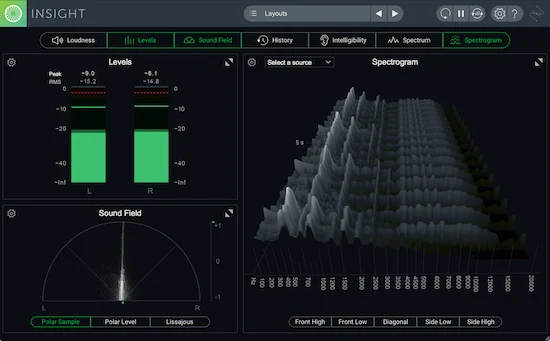 A stereo image can create excitement, depth, and a sense of scale that transforms the listening experience. Yet width alone is not what engineers evaluate during final review. A mix can sound impressively wide while still containing problems that affect translation, consistency, and listener perception. This is why stereo image verification remains a dedicated part of the mixing checklist long after creative decisions have been completed.
One of the first things engineers examine is width consistency. Not every section of a song needs to feel equally wide. In fact, controlled changes in width often help create contrast and movement. The concern is whether those changes feel intentional. If a verse suddenly feels narrow for no musical reason, or a chorus appears wider than expected due to an unnoticed imbalance, the listener may perceive instability even if they cannot identify its source.
Center stability is equally important. Most productions rely on a stable center image to anchor the mix. Lead vocals, key rhythmic elements, and other important sounds often occupy positions that help listeners stay connected to the song. During review, engineers pay close attention to whether that center remains reliable throughout the arrangement. If attention begins drifting unpredictably from one side to another, the mix can feel less focused even when individual elements sound perfectly acceptable on their own.
Imbalance is another issue that often becomes easier to identify during dedicated review. A session may contain dozens or even hundreds of tracks, making it surprisingly easy for one side of the stereo field to accumulate slightly more energy than the other. The difference may be subtle. Perhaps a supporting instrument attracts attention more frequently on one side. Perhaps a series of smaller elements collectively shifts the perceived center. These situations rarely announce themselves clearly during active mixing, but they often emerge when the entire mix is evaluated as a complete listening experience.
Perception of space plays a major role as well. Listeners do not experience stereo width as a technical measurement. They experience it emotionally. A stable stereo image can make a production feel open, immersive, and natural. An unstable one can create a sense of distraction without the listener understanding why. During final review, engineers therefore evaluate how the stereo field contributes to the overall musical experience rather than focusing solely on width itself.
Different playback systems further complicate the situation. A stereo image that feels perfectly balanced on studio monitors may behave differently through headphones, earbuds, televisions, laptops, or consumer speaker systems. Some environments exaggerate width. Others reduce it significantly. Certain playback systems reveal spatial imbalances that remain hidden elsewhere. Reviewing the stereo image from a broader perspective helps identify whether the mix maintains its character across these changing conditions.
Interestingly, many stereo-related concerns have little to do with sounding wider. A mix can become less effective when spatial elements compete for attention, when the perceived center shifts unnecessarily, or when different sections create conflicting impressions of space. These issues often affect listener confidence more than listeners realize. The song may feel less cohesive even though no obvious technical fault can be identified.
This is where final review becomes valuable. Instead of evaluating individual sounds, engineers assess how the stereo image behaves as a complete system. Does the space feel stable? Does listener focus remain clear? Do changes in width support the arrangement? Does the song maintain its identity across different listening environments? These questions matter far more than simply asking whether the mix sounds wide enough.
For projects where spatial balance itself becomes the central concern, our Stereo Width In Mixing guide explores the broader subject in greater detail. The purpose of checklist review is much narrower: verification.
A wide mix is not automatically a strong mix. What matters is stability. When the stereo image remains balanced, predictable, and supportive of the song's priorities, listeners can focus on the music itself rather than the mechanics of the presentation. That is ultimately what professional review is designed to confirm before a mix is considered finished.
Automation Checks That Prevent Small Problems From Becoming Big Ones
Some of the most noticeable issues in a finished mix are not caused by balance, tone, or arrangement. They are caused by movement. More specifically, by movement that behaves differently than intended once the entire song is heard from beginning to end. For that reason, automation receives its own review stage before a mix is approved.
Automation is often created gradually throughout a project. Small adjustments are made to support a vocal phrase, smooth a transition, control energy, or guide attention through the arrangement. Individually, these moves may sound completely reasonable. The challenge is that automation decisions rarely exist in isolation. A change that works perfectly inside one section can create unintended consequences when heard in the context of the entire song.
Transitions are often where these issues first appear. A verse leads into a chorus. A breakdown returns to a full arrangement. Energy rises, then falls. During active mixing, engineers naturally focus on making each transition feel effective. During final review, the objective changes. Instead of evaluating individual moments, the engineer listens for continuity. Does the song move naturally from one section to the next, or does something unexpectedly pull attention away from the music?
Level jumps are a common example. A vocal phrase may suddenly feel louder than surrounding lines. A supporting instrument may become more prominent during a section change. A background element may briefly dominate the mix before settling back into place. None of these situations necessarily indicate poor mixing. In many cases, they are simply small automation inconsistencies that become easier to notice when the song is experienced as a complete performance rather than a collection of individual sections.
Disappearing words create a different kind of problem. The vocal remains present overall, yet certain phrases become difficult to follow. Sometimes this happens for only a single line. Sometimes it occurs repeatedly in dense sections of the arrangement. Because engineers often know the lyrics by memory after extended work on a project, these moments can remain surprisingly difficult to identify during active mixing. Fresh review helps reveal whether important information remains consistently accessible to listeners hearing the song for the first time.
Section changes deserve special attention because they place multiple automation moves in direct interaction with one another. Energy shifts, arrangement changes, effects evolve, and attention moves between different focal points. A transition that feels exciting in isolation may feel abrupt when approached from the preceding section. Likewise, a smooth transition may unintentionally reduce impact if the automation surrounding it becomes too conservative. Final review allows engineers to evaluate these moments from the listener's perspective rather than the editor's perspective.
Listener attention remains the central concern throughout the process. Automation exists to support the musical experience, not to draw attention to itself. When automation works well, listeners rarely notice it. Their focus remains on the song. When automation becomes inconsistent, attention begins drifting toward technical distractions. A sudden change in vocal prominence, an unexpected movement in the arrangement, or a momentary imbalance can interrupt the natural flow of listening even if the cause is difficult to identify consciously.
At our studio, it is common to encounter mixes that appear complete until automation review begins. The overall balance may be strong. The arrangement may feel clear. Yet small inconsistencies emerge once the project is heard continuously without interruption. A phrase that briefly disappears. A chorus entrance that feels slightly exaggerated. A supporting layer that becomes more dominant than intended during a transition. These are often small details individually, but together they influence how polished the final result feels.
When those issues are caused by broader mix decisions rather than automation itself, they often overlap with the types of challenges discussed in our Mixing Problems Guide.
This is precisely why automation review remains part of a professional mixing checklist. Many automation problems hide inside otherwise excellent mixes. They are rarely dramatic. They do not announce themselves with obvious technical errors. Instead, they quietly influence the listener's experience over time. A dedicated review stage helps ensure those details are identified before the mix leaves the studio.
Studio Observations: Issues Frequently Found During Final Mix Reviews
 One reason professional review remains a separate stage is simple: projects often reveal new information after they appear finished. This is not unusual.
In fact, some of the most common issues discovered during final verification occur in mixes that already sound polished, balanced, and ready for delivery.
The review process exists because perception changes when active decision-making stops and objective listening begins.
One reason professional review remains a separate stage is simple: projects often reveal new information after they appear finished. This is not unusual.
In fact, some of the most common issues discovered during final verification occur in mixes that already sound polished, balanced, and ready for delivery.
The review process exists because perception changes when active decision-making stops and objective listening begins.
A recurring example involves vocal balance. During mixing, the vocal may feel perfectly integrated with the arrangement. Hours later, or after listening in a different environment, it becomes clear that the vocal is drawing slightly more attention than intended. The difference is often small. A fraction of a decibel. Yet because vocals naturally occupy the center of listener attention, even minor changes in perceived prominence can influence how the entire song is experienced.
Chorus balance issues appear frequently as well. Choruses typically contain more energy, more layers, and greater arrangement density than surrounding sections. As a result, relationships that feel controlled in a verse can behave differently once the chorus arrives. Sometimes a supporting instrument becomes unexpectedly dominant. Sometimes a background layer contributes more energy than anticipated. Occasionally the chorus itself feels less impactful because multiple elements are competing for the same space.
In many sessions, the issues discovered during final review are surprisingly small. A vocal phrase that feels slightly louder than surrounding lines. A transition that pulls attention a fraction of a second too early. A stereo element that becomes distracting only on headphones. Individually these details seem minor. Together they often determine whether a mix feels finished or unfinished.
Automation inconsistencies are another category that often survives until review. These issues rarely present themselves as obvious mistakes. More commonly, they appear as subtle interruptions to the listening experience. A phrase becomes slightly too prominent. A transition feels more aggressive than intended. A supporting element rises briefly above its intended role. Because these moments may last only seconds, they can easily escape attention during active mixing sessions.
Mono translation checks also continue to uncover surprises. A production may sound stable across multiple stereo listening environments while behaving differently when playback conditions become more restricted. Certain layers lose presence. Important details become less obvious. A previously balanced section may feel different than expected. These discoveries are not necessarily indications of poor engineering. They simply reflect the reality that music is consumed across an enormous range of playback systems.
In one project, the mix appeared finished at the end of the session. During final review the following morning, a chorus vocal was consistently drawing more attention than intended. No new processing was required. A small balance adjustment immediately restored the intended focus of the song.
Another category often identified during review involves distractions. These are details that are technically audible yet attract attention for the wrong reasons. A percussion hit that suddenly feels too prominent. A background texture that briefly competes with a lead element. A transition effect that becomes more noticeable than the transition itself. None of these issues necessarily damage a mix on their own. Collectively, however, they can influence how focused and coherent the listening experience feels.
What makes these observations valuable is their consistency. The same types of issues appear repeatedly across different genres, arrangements, and production styles. They are rarely caused by a lack of effort during mixing. More often, they remain hidden because prolonged exposure reduces objectivity. The engineer becomes familiar with the session. Expectations adapt. Attention shifts elsewhere.
Across different genres, budgets, and production styles, the review stage tends to reveal the same categories of issues repeatedly. The details change from project to project, but the patterns remain remarkably consistent.
This is precisely why final review exists. The goal is not to continue mixing indefinitely. The goal is to create enough distance from the decision-making process to evaluate the result honestly. Many of the issues discovered during professional review are not new problems. They were already present. The review stage simply creates the conditions necessary to notice them before listeners do.
Across countless projects, one pattern remains remarkably consistent: many mix problems are discovered after the mix appears finished. That reality is not a weakness in the process. It is the reason the process includes verification in the first place.
Why Reference Listening Remains One Of The Final Verification Steps
By the time a mix reaches final review, one challenge affects every engineer regardless of experience: familiarity. After spending hours working on the same project, the brain becomes increasingly efficient at predicting what it is about to hear. That efficiency is useful during production, but it can also hide problems. Details that would immediately stand out to a first-time listener may gradually become invisible simply because they have been heard too many times.
Reference listening helps counteract that effect. The purpose is not to copy another production or compare creative choices. The goal is perspective. Hearing another professionally finished record immediately changes the listening context and provides a fresh point of comparison. Suddenly, the engineer is no longer evaluating the mix in isolation. The song exists alongside other real-world productions competing for the listener's attention.
Context matters because perception is relative. A vocal that seemed perfectly clear during a long mixing session may feel slightly less focused when compared against another finished production. A chorus that felt energetic may reveal itself as less impactful once another song establishes a different reference point. These discoveries are often subtle, but they can influence important final decisions.
Reference listening also provides a temporary reset of perspective. When engineers remain inside a single project for an extended period, it becomes easy to normalize characteristics that may not actually serve the song. Certain balances begin to feel familiar. Certain transitions become expected. A reference briefly interrupts that familiarity and asks a simple question: does the mix still communicate effectively when viewed from outside its own environment?
Interestingly, reference listening does not always reveal major problems. More often, it highlights small areas that deserve a second look. Perhaps the center image feels less stable than expected. Perhaps attention drifts away from the lead element more often than intended. Sometimes nothing needs to change at all. The value comes from verification rather than correction.
In one recent project, a reference comparison revealed that the chorus felt slightly smaller than intended despite sounding impressive in isolation. The mix itself was technically solid. The comparison simply exposed a perspective issue that had become difficult to notice after repeated listening.
At our studio, reference listening is often one of the final opportunities to regain objectivity before approving a mix. The process creates enough distance to hear the project more like a listener and less like the person who spent days making decisions inside the session. That shift in perspective can be surprisingly valuable.
For engineers interested in exploring the broader role of references throughout the mixing process, our Reference Tracks For Mixing guide examines the subject in greater depth. During final review, however, the purpose remains straightforward. Reference listening helps reveal issues that familiarity can hide.
A Mix Is Ready When Review Stops Revealing New Problems
One of the most difficult questions in mixing is knowing when to stop. Every project can be adjusted further. Levels can be revisited. Details can be refined. Another listening session can always produce another idea. Yet professional review is not designed to create endless revisions. It exists to determine whether the mix continues revealing meaningful problems that affect the listening experience.
This is why final verification focuses on recurring categories rather than isolated observations. Balance is reviewed to confirm that important elements maintain clear relationships. Mono compatibility is checked to ensure the mix remains reliable outside ideal listening environments. Stereo evaluation verifies that space feels stable and intentional. Automation review confirms that movement supports the song instead of distracting from it.
Eventually a point arrives where these review stages stop uncovering significant concerns. The vocal remains where it should be. The arrangement communicates clearly. Transitions feel natural. Playback remains consistent across different listening conditions. Most importantly, repeated review sessions stop producing new discoveries that materially improve the record.
That moment is often a better indicator of completion than any technical measurement. A mix is not finished because the session has become complicated enough. It is not finished because enough time has been invested. It is finished when objective review no longer reveals problems that need solving.
Professional engineers understand that confidence comes from verification, not assumption. The strongest mixes are approved only after they continue performing as expected under scrutiny. Completion is confirmed through review, not simply declared because the work feels done.
The Best Mixing Checklists Prevent Problems Before They Reach The Listener
Mixing is a creative process, but approval is a responsibility. The goal is not to create the most impressive mix inside the studio. The goal is to deliver a record that communicates clearly once it reaches real listeners in real listening environments. That outcome depends less on how the mix sounds during the final hour of work and more on how it performs after every important aspect has been verified objectively.
This is where a structured checklist becomes one of the most valuable tools in a professional workflow. Review is not about searching for flaws simply to continue making changes. It is about confirming that the mix continues to support the song as intended. Verification creates the distance needed to evaluate the result rather than the process that created it.
A strong mixing checklist approaches the project from the listener's perspective instead of the engineer's perspective. It asks whether important elements remain easy to follow. Whether attention naturally moves toward the parts that matter most. Whether playback remains consistent across different listening situations. Whether transitions feel intentional rather than distracting. These are the experiences that shape how music is perceived outside the studio.
Consistency connects every stage of review. Balance, mono compatibility, stereo stability, automation behavior, and overall translation all influence one another. A mix can sound excellent in one area while still creating problems elsewhere. This is why final verification evaluates the listening experience as a complete system rather than a collection of individual technical decisions.
The approval stage is often less dramatic than people imagine. Major problems are usually discovered earlier. Final review tends to focus on smaller details that influence confidence. A vocal that briefly pulls too much attention. A transition that feels slightly abrupt. A stereo image that behaves differently on another playback system. Individually these issues may seem minor. Together they can affect how finished the record feels.
Many final review discoveries appear only after the engineer stops making adjustments and starts evaluating the record as a complete listening experience. At this stage, the objective is not to create new solutions. The objective is to confirm that previous decisions continue to support the listening experience under different conditions and perspectives. That distinction matters because objective review often reveals details that familiarity previously concealed.
Final approval is therefore not a creative decision. It is a verification decision. The mix earns approval when repeated review stops uncovering meaningful issues that affect communication, clarity, consistency, or listener engagement. At that point, the project is no longer being judged by assumptions. It is being judged by results.
Many mix problems are not created during mixing—they are missed during review. A small automation inconsistency. A balance issue that only becomes obvious after comparison. A translation problem that never revealed itself during long studio sessions. These are exactly the kinds of details a professional checklist is designed to catch before the listener encounters them.
When artists reach the stage where they want confidence rather than guesswork, the conversation naturally shifts from creating the mix to verifying the mix. Our Mixing and Mastering service is built around that same principle: making sure a record communicates consistently beyond the studio and into the real world where listeners actually experience it.
Before a mix is approved, many engineers perform one final pass focused entirely on verification. The questions may differ from project to project, but the purpose remains consistent: confirm that the mix continues to communicate clearly when heard as a complete listening experience.
Quick Mix Approval Questions
Before approving a mix, engineers often ask a small set of questions:
- Does the lead element remain clear throughout the song?
- Do transitions feel natural?
- Does the mix remain stable in mono?
- Does stereo width stay consistent?
- Do automation moves attract attention to themselves?
- Does the mix still work after reference comparison?
The mix is judged where people listen, not where it was mixed
Many projects sound finished inside the studio but reveal balance, translation, automation, or focus issues when heard in real-world environments. A structured review process helps identify those problems before they become part of the listener's experience.
Professional review. Objective verification. Mixes built to translate beyond the studio.
Frequently Asked Questions
What is a mixing checklist?
A mixing checklist is a structured review process used after the main mixing work is complete. It helps engineers verify balance, vocal focus, stereo consistency, mono compatibility, automation behavior, and other factors that affect how a mix translates to listeners.
Why do engineers perform a final mix review?
Long mixing sessions can reduce objectivity. A final review allows engineers to evaluate the song from a fresh perspective and identify issues that may have gone unnoticed during active work on the project.
What should be checked before exporting a mix?
Engineers typically review overall balance, vocal clarity, stereo image stability, mono compatibility, automation consistency, transitions between sections, and how the mix performs across different listening environments.
Why is mono compatibility included in a mixing checklist?
Many listeners use phones, Bluetooth speakers, smart speakers, and other playback systems that may not reproduce stereo information perfectly. Mono checks help ensure important elements remain clear and stable across different devices.
How do engineers evaluate balance during review?
Rather than focusing on individual tracks, engineers evaluate relationships between elements throughout the song. The goal is to confirm that important parts consistently receive the appropriate level of listener attention.
What problems are commonly found during final mix checks?
Common discoveries include vocals that feel slightly too loud or too quiet, section-to-section balance inconsistencies, automation issues, stereo image instability, mono translation concerns, and distracting elements that compete for listener focus.
Why is reference listening important before approving a mix?
Reference listening provides context and helps restore objectivity. Comparing a mix against professionally finished productions can reveal issues that familiarity may have hidden during extended mixing sessions.
How do engineers know a mix is ready to leave the studio?
A mix is generally considered ready when repeated review sessions stop revealing meaningful problems. Final approval comes from verification and consistency, not from assumptions that the project is finished.