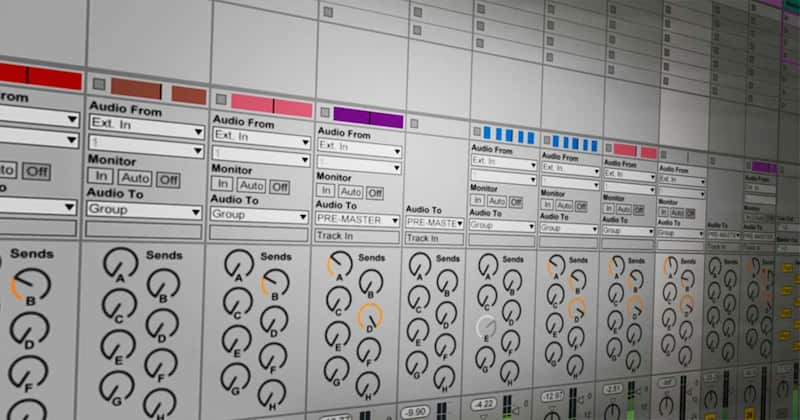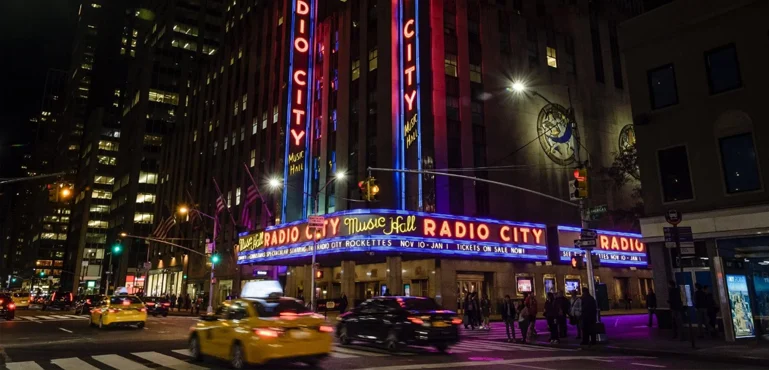
New York is one of the most expensive music production markets in the United States. From Manhattan recording rooms to Brooklyn project studios and Queens rehearsal spaces turned tracking rooms, most local studios still operate on hourly or day-rate pricing. For artists working on tight release schedules, those hours can add up quickly.
At the same time, more New York musicians are turning to remote mixing and mastering services that charge per song instead of per hour. The big question before booking sessions is simple:
Is paying studio hourly in NYC actually cheaper than online per-song services — or does it end up costing more?
This guide breaks down real pricing models, explains what artists actually pay by the end of a project, and shows where New York musicians most often overpay.
Compare NYC studio rates with online pricing before booking sessions.
The Two Pricing Models New York Musicians Deal With
 Most local studios across New York still follow a time-based structure. Sessions are booked by the hour or by the day, often with minimum blocks required. Tracking usually comes first, and mixing is added later as an additional service. Engineers may or may not be included in the base rate, and revisions often mean booking more time.
Remote mixing and mastering services work differently. Instead of charging for hours spent in a room, pricing is set per song or per project. The focus is on the finished result rather than time used. Revisions are usually included within a defined scope, and deliverables are clearly outlined from the start.
Both models exist across NYC — the difference is how predictable the final cost becomes.
— See also: What is aliasing in audio: a complex problem explained in simple terms —
Why Studio Hourly Rates in NYC Add Up Faster Than Expected
At first glance, an hourly studio rate may seem manageable. Many New York rooms advertise numbers that feel reasonable for a single session. The reality is that mixing is rarely finished in one pass.
Edits take time. Vocal tuning may be billed separately. Revisions require recalls. Alternate versions for streaming platforms or clean edits often become extra sessions. When artists come back for adjustments after listening in the car or on earbuds, the clock starts again.
What begins as a few hours of mixing often stretches into multiple sessions. By the end of the project, the final bill is rarely the hourly number that initially looked affordable.
In New York’s high-demand studio environment, time moves fast — and so does the cost.
How Remote Per-Song Pricing Actually Works
 With online mixing and mastering, the price is attached to the finished track rather than the number of hours used. A per-song rate usually covers the full mix or master, a defined number of revisions, and final delivery formats for streaming.
Complexity still matters. A live multitrack band session requires more work than a vocal over a two-track beat, and engineers factor that into quotes. But once agreed, the budget remains stable.
This structure makes costs predictable. Artists know what they are paying before the project begins, without worrying about additional studio hours every time feedback is given.
Real New York Scenarios: Which Option Is Cheaper?
A common NYC single involves vocals recorded in a home setup or small Brooklyn project room over a purchased beat. In a traditional studio, that often means booking mixing time across multiple sessions as balances and vocal tones are refined. With per-song online pricing, the same track is handled in a focused workflow that includes revisions without hourly pressure.
Live multitrack sessions — common for indie bands rehearsing in Queens or tracking in converted warehouse studios — can quickly consume hours in a local room just organizing, editing, and balancing. Remote engineers typically quote these projects as complete mixes, which often ends up cheaper than repeated studio recalls.
For EPs and multi-song releases, studio hourly pricing compounds fast as each track requires separate sessions. Per-song online packages usually scale far more efficiently across multiple tracks.
In most real-world NYC cases, artists find that hourly studios feel cheaper at the start but cost more by the finish line.
What Actually Affects Mixing & Mastering Costs in New York
Final pricing is never just about location. Track complexity plays a major role — dense arrangements, layered vocals, and live instrumentation all require more time. Recording quality matters as well. Home recordings may need more cleanup, while live sessions involve phase alignment and bleed control.
Genre expectations influence workload, especially in bass-heavy hip-hop, polished pop, or dynamic rock mixes. Turnaround urgency can increase costs, as rush projects require priority scheduling. Revision depth also impacts pricing, since some artists want subtle tweaks while others request major tonal changes across multiple versions.
Understanding these variables helps explain why the cheapest hourly rate does not always produce the cheapest project.
— See also: Who Are the Mixing Engineer and the Mastering Engineer? —
Hidden Costs NYC Artists Often Miss
 Many New York musicians budget only for the advertised session rate. What often gets overlooked are hourly revisions, editing fees, vocal tuning charges, file preparation costs, and rush delivery premiums.
Another common expense comes from poorly prepared stems. Engineers may bill extra time simply organizing sessions or fixing technical issues before mixing even begins.
These hidden factors are why final studio invoices are frequently higher than expected.
How Proper Stem Preparation Reduces Total Cost
Clean, organized stems reduce the amount of technical work required before creative mixing begins. When tracks are consolidated correctly, free of clipping, and clearly labeled, engineers spend their time shaping sound instead of repairing sessions. Prepared files mean faster turnaround, fewer revision rounds, and lower overall project costs — whether working with local studios or remote engineers.
You can follow a detailed process in the NYC Stem Export Guide to avoid unnecessary expenses.
Which Pricing Model Makes Sense for Most NYC Releases
For singles, online per-song pricing is almost always more budget-friendly and predictable. For live multitrack projects, remote mixing frequently undercuts the total cost of extended studio hours. Local studios remain valuable for recording and tracking, but for mixing and mastering, time-based pricing often becomes the more expensive option.
In today’s New York release culture, predictability tends to win.
How AREFYEV Studio Keeps NYC Pricing Predictable
AREFYEV Studio operates on transparent per-song pricing with clearly defined workflow, included revisions, and no hourly surprises. Projects are scoped upfront so artists know exactly what they are paying for before work begins. Request a clear per-song quote for your New York project.
Conclusion
 New York’s studio scene offers incredible spaces and talent, but hourly pricing often leads to higher-than-expected mixing and mastering costs. Remote per-song services provide predictable budgets, faster workflows, and fewer hidden fees. For most modern NYC releases, fixed pricing simply saves money.
Order professional online mixing and mastering for your New York release at AREFYEV Studio.
Mini-FAQ
How much does mixing cost in New York?
– Costs vary widely, but hourly studio sessions often exceed per-song online rates by the end of a project.
Is hourly studio mixing cheaper than online services?
– Usually no once revisions, recalls, and extra editing are added.
What’s included in per-song pricing?
– Typically full mixing or mastering, revision rounds, and final delivery formats.
How many revisions are normal?
– Most professional services include a limited number to keep projects efficient.
Does online mixing sound professional?
– Yes — many NYC releases are mixed remotely at industry quality.
How can I reduce mixing costs?
– Prepare stems properly and choose predictable per-song workflows.