
New York is one of the few cities where polished label-level studio productions exist side by side with raw live recordings, fast demo drops, and beat-based singles released between shows. From Brooklyn home studios to Manhattan session rooms and live multitrack captures from clubs across the city, tracks come together in very different ways — and that often creates confusion at the final stage.
One of the most common questions NYC artists ask before spending money is simple: do I need mixing or just mastering for this release? In New York projects especially, mastering is frequently ordered too early, when the track still has balance and clarity problems that mastering simply cannot fix. This guide breaks the difference down in plain language, shows real New York-style scenarios, and gives you a fast decision method so you don’t pay twice.
Use this NYC guide to choose the right service before paying twice.
Mixing vs Mastering — the real difference without studio jargon
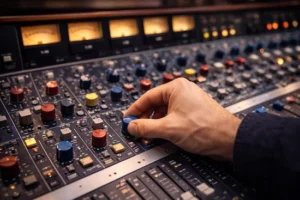 Mixing is the process of working with individual tracks inside your session. It is where vocals are placed properly in the song, low-end is controlled, instruments are balanced, space is created with depth and width, and the entire arrangement becomes clear and powerful. Every sound is shaped so it works together across headphones, cars, club systems, and phones.
Mastering happens only after a mix is already balanced. It works on a finished stereo file to fine-tune tone, control overall dynamics, and prepare the track for streaming platforms. It focuses on loudness standards, consistency, and final polish — not fixing problems inside the mix.
The key truth many New York artists learn the hard way is that mastering does not fix mix problems. If vocals are buried, bass is messy, or the balance feels chaotic, mastering simply makes those problems louder.
Why this confusion is so common in New York projects
New York’s recording culture moves fast. Many tracks start as live captures from club performances, short studio sessions booked by the hour, or quick home demos made between gigs and content releases. Beat-based vocals are recorded rapidly, rough balances feel “close enough,” and the pressure to release quickly pushes artists straight to mastering.
Because mastering is often described online as the final step before release, it feels like the shortcut to professional sound. In reality, most NYC tracks are still mix-stage projects when mastering is ordered. The result is disappointment, wasted budget, and another round of mixing later.
The 60-second test: do you need mixing or mastering right now?
 Play your track on your phone, laptop speakers, and headphones. If the vocal disappears on smaller speakers or jumps out too hard on others, the mix is not finished. If the bass feels different in every system or masks other instruments, the mix needs work. Compare your song to a professional reference in your genre; if clarity, punch, and balance are noticeably behind, mastering is not the solution yet.
When there is any doubt, mixing is almost always the correct next step. Mastering is for tracks that already sound controlled and professional before loudness is applied.
NYC mini-cases: what service each track really needs
A polished studio single recorded with professional tracking and careful balance may sometimes be ready for mastering alone. This usually happens when the mix was already handled by an experienced engineer and only final polish is needed.
A club live multitrack recording almost always requires full mixing before mastering. Bleed between microphones, uneven levels, phase issues, and dynamic variation need detailed mix work to become release-ready.
A singer-songwriter home demo in Brooklyn or Queens typically needs mixing first to correct room tone issues, vocal balance, and instrument clarity before any mastering can help.
A vocal over a purchased beat almost always requires mixing to seat the vocal properly, manage low-end conflicts, and shape the energy of the song. Mastering alone rarely solves these problems.
When mastering alone actually makes sense
There are cases where mastering by itself is appropriate. If your track was already mixed professionally, translates well across systems, and only needs loudness and tonal polish for streaming, mastering is the right choice. This often applies to re-releases, label-mixed songs, or projects that already passed through a full mixing stage.
The key is honesty about the current quality of the mix — not how loud it feels.
Why mixing first saves New York artists time and budget
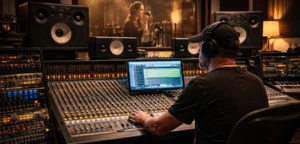 Mixing is where nearly all sonic problems are solved. Mastering enhances what already exists but cannot rebuild balance or clarity. Ordering mastering on an unfinished mix often leads to paying for mastering twice, then mixing later, and mastering again.
Starting with mixing almost always produces a cleaner final master faster and with fewer revisions, especially for NYC projects built quickly in home studios or live environments.
Streaming platforms expose bad mixes immediately
Modern streaming normalization removes extreme loudness advantages. What remains is clarity, balance, and translation. Poor mixes sound muddy, harsh, or weak next to professional releases regardless of mastering loudness. Earbuds, cars, and phone speakers reveal mix issues instantly.
This is why mixing quality matters more than ever before mastering is applied.
Preparing your track for the right service
For mixing, engineers need properly prepared stems or multitracks with clean organization and headroom. For mastering, a high-quality stereo mix without clipping or limiting is essential. Proper preparation dramatically shortens turnaround time and reduces revisions.
If you are unsure how to prepare files correctly, the NYC Stem Preparation Guide covers the process step by step.
How AREFYEV Studio helps NYC artists choose correctly
At AREFYEV Studio, projects never start blindly. Each track is reviewed first to determine whether it needs mixing, mastering, or both. Artists receive an honest recommendation based on sound quality, not upselling. This approach saves New York musicians time, budget, and frustration while ensuring every release reaches professional streaming quality.
Conclusion
 In the New York music scene, where tracks move fast from recording to release, understanding the difference between mixing and mastering is essential. Mixing builds the sound. Mastering finishes it. For most NYC projects, mixing is the true first step toward professional quality. When in doubt, fix the balance before polishing the loudness.
Order professional online mixing and mastering for your New York release at AREFYEV Studio.
Mini-FAQ
Do I need mixing or mastering first?
– In most cases mixing comes first unless the track is already professionally balanced.
Can mastering fix a bad mix?
– No. Mastering enhances a good mix but cannot correct balance or clarity issues.
How long does mixing usually take?
– It depends on complexity, but mixing typically requires several days including revisions.
Is online mixing professional quality?
– Yes. Many top engineers work remotely with fully professional results.
What files should I send for mixing?
– Clean stems or multitracks exported from the start of the session with headroom.
When is mastering alone enough?
– When the mix already sounds balanced, clean, and release-ready.