Fort Worth does not build careers in quiet studios. It builds them under lights, inside the Fort Worth Stockyards, across the dance floors at Billy Bob’s Texas, and through tightly packed West 7th weekend runs. In this city, a record is not only a product. It is a continuation of a live moment. That difference changes everything about mixing and mastering.
Most production advice online assumes a studio-first culture. Fort Worth operates on stage-first momentum. The mix is not designed to sit in isolation on headphones. It is designed to reflect how the band felt when the steel guitar cut through a full room and the kick drum locked with boots on a wooden floor.
Understanding that distinction is the key to making the right production decisions in this market.
Fort Worth Is an Energy Economy, Not a Studio Economy
 In many cities, artists build songs for streaming platforms first and stage them later. In Fort Worth, the stage often comes first. A band plays multiple rodeo weekends before a track ever reaches Spotify. Audiences already know the chorus before it is recorded.
That dynamic creates a unique production pressure. The mix must preserve the emotional credibility earned live. If the recording feels over-polished or detached from the stage identity, the audience senses it immediately.
Texas country in Fort Worth thrives on authenticity. Mixing is not about smoothing edges away. It is about shaping clarity without erasing character.
Why Texas Country Mixing Requires Different Decisions
Texas country productions in Fort Worth frequently include layered acoustic guitars, electric rhythm textures, steel guitar movement, background harmonies, and dynamic rhythm sections. Many of these parts are performed with natural bleed during tracking sessions.
Unlike hyper-edited pop production, Fort Worth recordings often aim to feel alive. That requires a mix approach focused on space management rather than surgical isolation.
Room tone matters. Guitar interaction matters. Vocal grit matters.
Mastering cannot repair balance decisions made incorrectly at the mixing stage. It cannot reposition steel guitar against fiddle. It cannot restore punch to a kick drum masked by stage bleed. These are structural decisions that belong in mixing.
That is why production sequencing matters in this market. Skipping mixing and jumping directly to mastering often leads to paying twice.
The Venue Shapes the Record
 Billy Bob’s Texas has depth and reflection that no plug-in can fully replicate. A Stockyards outdoor set carries air movement and ambient texture that becomes part of the recording. West 7th clubs create tighter reflections and closer microphone proximity.
When these performances are captured as multitracks, the venue is embedded in the audio. Mixing decisions must respect that context.
Removing all room interaction sterilizes the identity of the performance. Leaving everything untouched creates muddiness. The art lies in controlling space without removing authenticity.
Fort Worth artists benefit from mixing strategies that understand these environmental layers rather than fighting them.
The Hidden Cost of “Almost Done”
One of the most common production mistakes in Fort Worth is assuming a track is “almost done” because it sounded strong live. Live excitement masks imbalances. Streaming playback reveals them.
Vocals that felt powerful through a PA system may sit too low in a recorded mix. Bass frequencies that energized a crowd may translate unevenly on smaller speakers. Steel guitar harmonics that shimmered in the room can compete with cymbal wash in stereo playback. Without a structured mixing stage, those translation issues remain invisible until release.
Professional mixing is not about making something louder. It is about ensuring the performance translates across systems while preserving stage energy.
Why Predictability Matters in a Show-Driven City
Fort Worth artists often operate on packed seasonal calendars. Rodeo cycles, festival windows, and club residencies create concentrated performance periods. Production must adapt to that rhythm.
Predictability in mixing workflow protects momentum. Defined revision structure prevents endless tweaking. Clear deliverables prevent last-minute scrambling before distribution.
When workflow is structured, artists can align their release strategy with show promotion rather than reacting to delays.
For many bands evaluating production options, clarity of process matters more than a flashy studio name.
— See also: From Stage to Stream: A Fort Worth Night and the Hidden Art of Live Stem Export —
Mixing as Brand Reinforcement
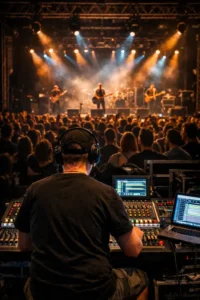 In Fort Worth, a mix is not simply technical refinement. It reinforces brand identity.
A Texas country act that thrives on raw stage presence should not suddenly sound like polished Nashville pop. Conversely, a refined acoustic songwriter should not sound uncontrolled or muddy.
The right mixing approach sharpens identity rather than replacing it. This is where strategic evaluation becomes valuable. If you are unsure whether your recording is structurally ready for full mixing or simply needs final polish, starting with a free demo mastering of one track can clarify how your material translates. Hearing your song processed professionally reveals whether underlying balance issues exist before committing to deeper production work. Clarity at this stage protects both timeline and budget.
The Psychology of Release in Fort Worth
Audiences in Fort Worth often discover new music at shows before they encounter it online. That reverses the traditional discovery funnel. When a track finally appears on streaming platforms, listeners compare it to the live memory they already hold. If the mix fails to capture that emotional weight, engagement drops.
Successful production in this city preserves emotional continuity between stage and stream. It ensures the recorded version does not feel smaller than the live experience.
That continuity requires careful mixing decisions regarding dynamics, spatial depth, and tonal clarity.
When Mastering Is Enough — and When It Isn’t
There are cases where a mix is already structurally balanced and only requires final mastering polish. If a stereo mix translates consistently across systems, maintains headroom, and reflects the intended balance, mastering can enhance loudness and cohesion effectively.
However, if vocal placement shifts between speakers, if low-end weight feels inconsistent, or if instrument relationships compete for space, mastering cannot solve those structural problems.
Understanding this distinction prevents unnecessary expense and frustration.
Fort Worth Production Is Momentum-Driven
Momentum is currency in Fort Worth. A strong performance cycle can expand an audience quickly. Production must support that expansion rather than slow it.
Organized stems, structured revision flow, and defined deliverables protect creative energy. They ensure the transition from stage to streaming feels intentional rather than reactive.
When workflow is clear, artists can focus on performance rather than scrambling over production details.
Conclusion
 Fort Worth does not operate like a studio-centered market. It operates on live identity, seasonal rhythm, and show-based momentum. Mixing in this city is not about perfection for its own sake. It is about translating real stage energy into a format that holds up across every listening environment.
If you want your Texas country or live band recordings to preserve authenticity while achieving professional clarity, request a tailored mixing and mastering quote and begin your structured online production process with AREFYEV Studio today.
FAQ — Fort Worth Mixing & Mastering for Texas Country Artists
How is mixing in Fort Worth different from studio-first cities?
– Fort Worth operates on live momentum. Many songs are performed multiple times at the Stockyards or Billy Bob’s Texas before they are officially released. Mixing here focuses on preserving stage energy and authenticity rather than polishing the track into a studio-only sound.
Can mastering alone prepare a live Fort Worth recording for release?
– Only if the stereo mix is already structurally balanced. Mastering can enhance clarity and loudness, but it cannot fix vocal placement, low-end imbalance, or phase issues captured during a live performance.
Why do live Texas country recordings need careful mixing?
– Texas country sessions often include layered guitars, steel, room interaction, and natural bleed between instruments. Mixing controls space and balance without removing the raw character that defines Fort Worth’s live sound.
Do recordings from Billy Bob’s Texas or the Stockyards require special handling?
– Yes. Large rooms and outdoor environments create reflections and ambience that become part of the recording. A professional mix shapes those elements so the performance feels alive without becoming muddy or uncontrolled.
How do I know if my track needs mixing before mastering?
– If the balance changes noticeably between speakers, if vocals feel buried, or if instruments compete for space, the track likely needs mixing. If it already translates clearly across systems and only lacks final polish, mastering may be sufficient.
Why is structured workflow important for Fort Worth artists?
– Because Fort Worth’s music culture is event-driven. Rodeos, festival cycles, and weekend club runs create momentum windows. A clear mixing and mastering process prevents delays that could disrupt release timing.
Can online mixing preserve the authenticity of a Texas country band?
– Yes. Remote mixing does not mean over-polishing. With the right approach, it reinforces identity by enhancing clarity while maintaining the live character of the performance.
What should I prepare before ordering mixing services?
– Consolidated multitrack stems, a rough reference mix, tempo information, and clear notes about your artistic direction help ensure the mix supports your live brand rather than altering it.
Will professional mixing change my band’s raw sound?
– Not if done strategically. The goal is to sharpen definition and improve translation while preserving the emotional weight your audience already associates with your live shows.
How can I evaluate whether my recording is ready for full mixing?
– Submitting one track for a professional review or demo mastering can reveal whether balance and structural issues are present. This step clarifies whether your project needs deeper mixing work or only final mastering.