
In New York City, finding a mixing engineer is never the problem. Between Brooklyn studios, Manhattan production rooms, freelance profiles, and online marketplaces, artists can scroll through dozens of options in minutes. The real challenge is knowing who will actually deliver the sound your release needs — not just someone who offers mixing as a service.
Ratings and polished profiles rarely explain whether an engineer understands your genre, your recording style, or your release goals. Many New York artists end up paying for impressive names but average results simply because they didn’t know how to evaluate a portfolio beyond surface-level loudness.
This guide shows how NYC musicians can choose an online mixing engineer based on real indicators of quality: how to read portfolios correctly, how to understand credits, and how to match engineers to genre and project type.
Use this NYC buyer’s guide before booking a mixing engineer online.
The Three Real Mixing Options New York Artists Face
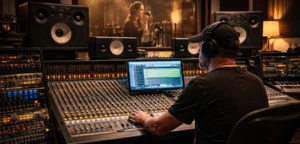 Most NYC musicians move between three worlds. Local studios offer strong rooms and classic recording environments, but mixing is often a secondary service billed by the hour after tracking sessions. Online marketplaces present hundreds of freelance engineers with wide price ranges, leaving the artist responsible for evaluating quality alone. Dedicated remote mixing services operate on structured workflows with defined revisions, fixed project scope, and clear delivery stages.
None of these options are automatically better — the key is understanding which model matches your project and expectations.
Why Genre Fit Matters More Than Price in New York
New York’s music ecosystem is one of the most diverse in the world. Club-focused electronic music demands tight low-end control and translation on loud systems. Hip-hop and modern pop require vocal presence and punch without distortion. Indie and singer-songwriter releases depend on dynamics, space, and emotional clarity. Live and session-style projects recorded across Brooklyn and Queens need engineers comfortable with bleed, phase relationships, and natural energy.
An engineer who excels in one style may struggle in another. Genre experience shortens turnaround time, reduces revision rounds, and results in mixes that feel intentional rather than technically corrected.
How to Audit a Mixing Engineer’s Portfolio Like a Professional
 Listening to a portfolio is not about how loud the track feels. A professional mix maintains vocal clarity across quiet and loud moments, keeps bass controlled without swallowing the rest of the arrangement, preserves punch without distortion, and translates well on phones, laptops, cars, and headphones.
Great mixes feel balanced even at low volume. Amateur mixes often sound impressive loud but collapse when played quietly. This simple test alone reveals most quality differences.
How to Read Credits Without Being Misled
Not every credit tells the same story. Real professional experience usually shows consistency across releases, recurring work with artists, and alignment with specific genres. Be cautious of vague claims, one-off projects with no streaming presence, or inflated associations that don’t reflect actual mixing responsibility.
What matters most is not big names but repeated proof of finished, publicly released work.
Choosing Based on Release Context, Not Studio Reputation
 A club-ready electronic track requires a different sonic approach than a folk single aimed at playlists. A live band EP recorded across multiple rooms needs different engineering skills than a two-track vocal project. The best choice is always the engineer who regularly delivers results in your specific release format.
Matching context beats chasing famous studios every time.
What Actually Predicts a Great Mixing Experience
Strong results almost always come from engineers who explain their workflow clearly, provide realistic turnaround ranges, define how revisions work, specify deliverables up front, and set clear file preparation standards. Communication structure matters just as much as sonic skill.
When the process is transparent, the mix improves faster and with less frustration.
Red Flags New York Artists Should Avoid
Be cautious of engineers without real released portfolios, those promising unlimited revisions without timelines, vague pricing that expands later, unrealistic turnaround promises, and unclear definitions of what the final deliverables include. These issues are responsible for most disappointing mixing experiences.
Smart Questions to Ask Before Hiring
Before paying, ask how long a typical single takes, how many revision rounds are included, what counts as a revision, what final formats are delivered, what file types are preferred, and whether the engineer regularly works in your genre. Clear answers here predict smooth projects later.
How This Checklist Aligns With a Professional Online Workflow
The most reliable remote mixing services already operate around structured timelines, revision stages, clear communication rules, and genre-focused workflows. This approach removes guesswork and replaces it with predictable results. At AREFYEV Studio, every New York project begins with file review, genre assessment, and a clear mixing plan — so artists know exactly what to expect before work starts.
Start your New York mixing project with a clear process and professional workflow.
Conclusion
 Choosing an online mixing engineer in New York isn’t about finding the highest rating or the biggest studio name. The right decision comes from understanding portfolio quality, genre experience, and workflow structure. When portfolio sound, real credits, and process clarity align, great mixes follow.
Order professional online mixing and mastering for your New York release at AREFYEV Studio.
Mini-FAQ
How do I choose a mixing engineer online?
– Focus on portfolio quality, genre experience, workflow transparency, and real released credits.
What should I listen for in a mix portfolio?
– Vocal clarity, controlled bass, strong dynamics, and clean translation across devices.
Do credits really matter?
– Yes — consistent released work in your genre predicts reliable results.
How many revisions are normal?
– Two to three focused rounds are standard across professional services.
Is online mixing as good as studio mixing?
– With the right engineer and workflow, quality is equal or better for most releases.
How long does mixing usually take?
– Singles typically take several days to a week depending on complexity and feedback.