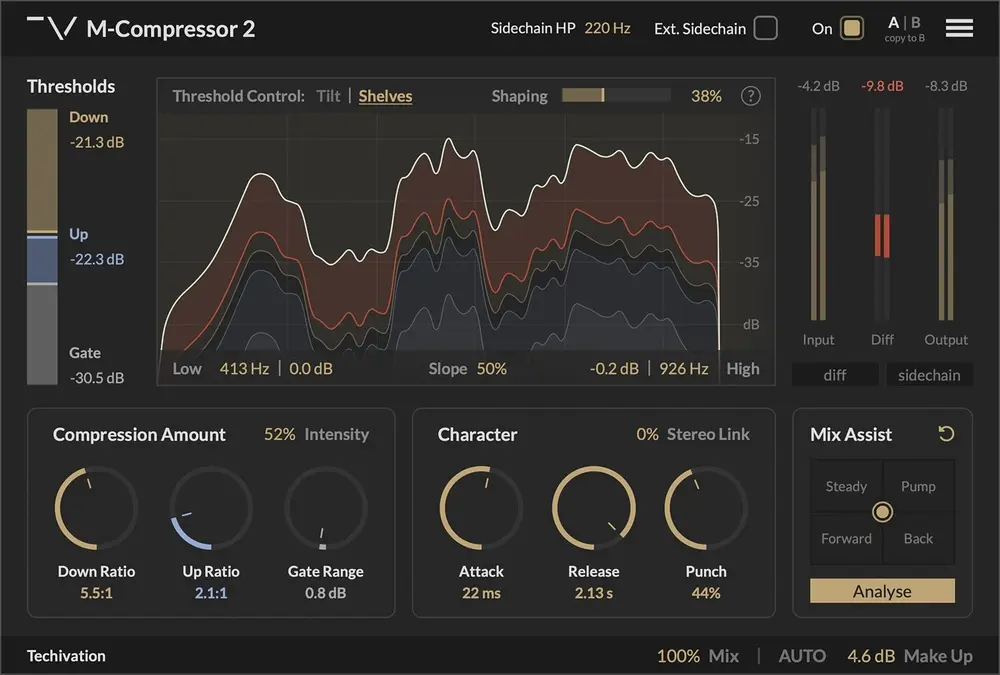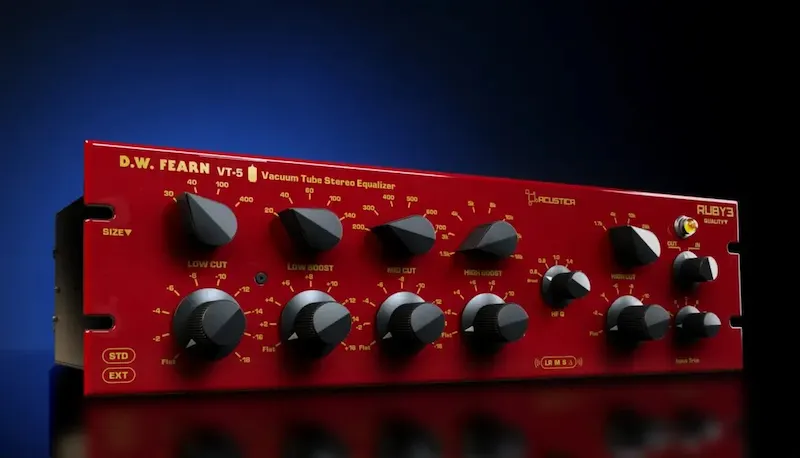
A music production YouTube channel can generate revenue well beyond advertising. Plugin reviews, mixing tutorials, recording demonstrations, and mastering breakdowns create opportunities for affiliate commissions, sponsorships, digital product sales, online education, and professional service referrals.
The most effective monetization strategy depends on the channel’s content and audience. Viewers watching detailed plugin comparisons may be researching software purchases. Those following recording tutorials are more likely to be interested in microphones, audio interfaces, and studio workflows. Audiences focused on mixing and mastering may also need specialized training or professional audio services.
These differences matter because monetization works best when the revenue model matches the viewer’s intent. A product demonstration can support an affiliate recommendation, while an in-depth engineering tutorial may create demand for educational materials or professional services. Treating every video as an advertising opportunity, regardless of its subject, is unlikely to produce the same results.
This guide examines the main ways to monetize a music production YouTube channel, how different video formats support specific revenue streams, and how to develop a business model that extends beyond YouTube advertising.
1. YouTube Partner Program: Eligibility and Ad Revenue
 The YouTube Partner Program (YPP) allows eligible creators to earn revenue from advertising, YouTube Premium subscriptions, and other platform monetization features. For music production channels, advertising revenue is typically generated by long-form content such as plugin demonstrations, mixing tutorials, DAW walkthroughs, and studio equipment reviews.
Depending on channel eligibility and regional availability, YouTube also offers several monetization features beyond advertising:
- Channel memberships: Offer recurring paid memberships with additional content, community access, or other eligible perks.
- Super Chat and Super Stickers: Allow viewers to pay to highlight messages or send animated stickers during eligible live streams and Premieres.
- Super Thanks: Let viewers make optional payments to support eligible videos and Shorts.
- YouTube Shopping: Allows eligible creators to connect a store or promote products from participating brands, subject to the applicable program requirements.
For music production channels, memberships and Super Thanks may be relevant to audiences that regularly follow educational content, while Shopping can provide another way to connect product demonstrations with purchasing decisions. Availability depends on the creator’s location, channel eligibility, and the requirements of each feature.
Video formats particularly relevant to music production channels include:
- Audio plugin reviews, comparisons, and practical demonstrations.
- Mixing and mastering tutorials.
- DAW workflows and production techniques.
- Home recording and studio equipment demonstrations.
- Detailed explanations of recording and audio engineering processes.
YouTube Partner Program Eligibility
YouTube has two main eligibility thresholds for creators in countries where the expanded YouTube Partner Program is available. The lower threshold provides access to selected monetization features, while the higher threshold unlocks advertising revenue sharing.
The published eligibility requirements include:
- Earlier YPP access: 500 subscribers, at least three valid public uploads within the previous 90 days, and either 3,000 valid public watch hours within the previous 12 months or 3 million valid public Shorts views within the previous 90 days. This level provides access to eligible fan-funding and selected shopping features, subject to regional availability.
- Advertising revenue sharing: 1,000 subscribers and either 4,000 valid public watch hours within the previous 12 months or 10 million valid public Shorts views within the previous 90 days. This threshold enables eligible creators to apply for Watch Page Ads, Shorts Feed Ads, and YouTube Premium revenue sharing.
Meeting these numerical requirements does not guarantee acceptance. Channels must comply with YouTube’s monetization policies, meet the applicable account requirements, and pass the platform’s review process. Availability of individual features also depends on the creator’s country and channel eligibility.
Music production channels should also pay particular attention to YouTube’s originality and copyright requirements. Tutorials, plugin demonstrations, and production breakdowns should provide genuine educational or editorial value rather than rely on repetitive or mass-produced material. Creators must also have the necessary commercial rights to use third-party music, samples, loops, and other audio or visual elements included in monetized videos. Meeting the subscriber and watch-time thresholds alone does not guarantee approval if the channel fails to meet these content requirements.
The distinction between the two thresholds is important: reaching 500 subscribers does not automatically qualify a channel for advertising revenue. Creators must meet the higher requirements and complete the relevant YPP approval process before earning a share of advertising revenue.
How Much Can a Music Production YouTube Channel Earn?
YouTube revenue varies with audience geography, advertiser demand, video format, viewing behavior, seasonality, and the proportion of views that generate revenue. A channel attracting viewers from markets with stronger advertising demand may generate more revenue per view than one with a predominantly lower-ad-spend audience.
Music production channels can attract viewers researching software, recording equipment, and professional audio tools. However, a commercially focused audience does not automatically translate into higher advertising revenue. Advertiser demand, viewer location, and actual ad delivery remain important variables.
One useful metric is RPM (Revenue Per Mille), which measures the creator’s revenue per 1,000 video views after YouTube’s revenue share. Unlike CPM, which measures advertiser spending per 1,000 ad impressions, RPM is calculated using video views and provides a more practical indication of the revenue generated by a channel.
YouTube Analytics RPM can include several revenue sources, such as advertising, YouTube Premium, channel memberships, and other eligible monetization features. Therefore, it should not automatically be interpreted as advertising revenue alone.
Consider a hypothetical channel generating 50,000 monthly views. The following examples show how different RPM values affect estimated monthly revenue:
| Hypothetical RPM | Monthly Views | Estimated Monthly Revenue |
|---|---|---|
| $2 | 50,000 | $100 |
| $4 | 50,000 | $200 |
| $7 | 50,000 | $350 |
| $10 | 50,000 | $500 |
These figures are mathematical examples, not verified RPM benchmarks for music production channels. Actual earnings depend on the channel’s audience, monetization mix, and viewing patterns. Shorts and long-form videos also operate under different revenue-sharing models, so their performance should be evaluated separately.
Why YouTube Advertising Should Not Be Your Only Revenue Source
Advertising revenue is tied to factors largely outside the creator’s control, including advertiser demand, YouTube’s monetization policies, seasonal spending patterns, and changes in video distribution. Even an established channel can experience significant fluctuations in monthly earnings.
View counts alone also provide an incomplete picture of commercial performance. A tutorial attracting 10,000 viewers who are actively researching a particular audio plugin may create more affiliate sales than a general production video with considerably more views. Similarly, a detailed mastering tutorial can reach musicians who need professional services rather than additional advertising content.
For music production creators, YouTube advertising is best treated as one revenue component. Combining it with relevant affiliate recommendations, sponsorships, digital products, and professional service referrals reduces dependence on advertising performance and allows the channel to generate revenue from different types of viewer interest.
Take Your Music Production Further With Professional Mastering
Building a music production channel means helping others make better production decisions, but the final sound of a track also depends on how well the mix translates beyond the studio. Professional mastering focuses on tonal balance, dynamics, loudness, stereo image, and consistency across playback systems, while preserving the character of the original mix. You can hear how your own mix is approached before committing to a full project with a free mastering demo. Upload up to 40 seconds of your mix and receive a professionally mastered preview.
Get Your Free Mastering Demo →
2. Affiliate Marketing for Music Production YouTube Channels
Affiliate marketing is a natural fit for music production channels because much of their content involves evaluating, demonstrating, or comparing products that viewers may be considering for their own studios. Unlike advertising revenue, affiliate income is tied to qualifying purchases generated through tracked referral links.
After joining an affiliate program, a creator receives unique tracking links for eligible products or services. These links can be included in video descriptions and other permitted placements. When a viewer follows a link and completes a qualifying transaction within the program’s attribution period, the creator earns a commission according to the program’s terms.
The commercial value of affiliate content depends less on raw view counts than on the relationship between the video topic and the viewer’s purchasing intent. A detailed comparison of two compressors, for example, reaches an audience evaluating specific tools. A general mixing tutorial may attract more exploratory viewers who are not yet ready to buy anything.
Which Music Production Products Can You Promote?
The most relevant affiliate categories depend on the channel’s technical focus and the products actually used or discussed in its videos.
- Audio plugins: Equalizers, compressors, limiters, reverbs, saturation processors, synthesizers, vocal processors, and mastering tools.
- DAW software: Digital audio workstations, virtual instruments, production applications, and workflow extensions.
- Studio equipment: Audio interfaces, microphones, headphones, studio monitors, MIDI controllers, and monitoring accessories.
- Sample libraries: Drum collections, virtual instruments, sound effects, loops, and sound design resources.
- Educational products: Mixing and mastering courses, production training, and specialized technical resources.
- Professional audio services: Mixing, mastering, stem mastering, and other services relevant to independent artists and producers.
Which YouTube Videos Create Affiliate Opportunities?
Affiliate links work best when they address a product or service directly relevant to the subject of the video. The recommendation should follow naturally from the demonstration rather than interrupting the educational content.
- Plugin reviews: Link to the exact processor being demonstrated, including the version reviewed when multiple editions are available.
- Processor comparisons: Provide links to the competing products and explain the differences in their features, workflow, and intended applications.
- Studio setup guides: Reference the specific microphones, interfaces, monitors, and accessories shown in the video.
- Vocal processing tutorials: Identify the plugins used in the signal chain and distinguish essential tools from optional processing choices.
- DAW tutorials: Link to relevant software, instruments, and extensions that support the demonstrated workflow.
Technical credibility matters more than the number of links in a description. A useful recommendation should explain what a tool does, where it fits into a production workflow, and what limitations or alternative solutions a buyer should consider. If a plugin is not essential to the demonstrated process, presenting it as such can undermine the credibility of the review.
How to Place Affiliate Links in YouTube Descriptions
Video descriptions should make relevant product links easy to locate without turning the entire description into a list of commercial offers. A practical structure is:
- A concise summary of the video’s subject.
- Links to the main products demonstrated or reviewed.
- Additional equipment or software references where relevant.
- A clear disclosure identifying affiliate relationships.
- Links to related tutorials and useful resources.
A pinned comment can provide another access point for the primary product recommendation, particularly on longer tutorials. However, it should supplement the description rather than replace it.
Affiliate relationships must be disclosed clearly and conspicuously. Creators should identify affiliate links near the relevant recommendations and, where appropriate, explain the relationship verbally or through an on-screen disclosure. A disclosure placed only at the bottom of a lengthy description may not be sufficiently prominent.
YouTube’s paid promotion declaration is a separate platform requirement for content involving paid product placements, sponsorships, endorsements, or other commercial relationships covered by its policies. A standard affiliate link does not automatically mean that every video requires the paid promotion label. Creators should distinguish between affiliate disclosures and YouTube’s specific branded-content requirements.
For a broader comparison of available opportunities, see our guide to the best music production affiliate programs in 2027.
3. Secure Sponsorships and Brand Partnerships
Sponsorships can become a significant revenue stream for established music production YouTube channels. Unlike affiliate marketing, where earnings typically depend on qualifying purchases, sponsorships often involve a fixed fee for featuring a brand, product, or service in a video.
Potential sponsors include audio software developers, plugin manufacturers, recording equipment brands, sample library companies, and other businesses targeting music producers, mixing engineers, and recording professionals.
Common Sponsorship Formats
- Dedicated product reviews: A video focused on a specific plugin, virtual instrument, or piece of recording equipment.
- Integrated sponsorships: A clearly identified sponsored segment within an otherwise independent tutorial, review, or production video.
- Product demonstrations: Showing how a tool performs in a practical production workflow, including its strengths and limitations.
- Sponsored series: Multiple videos developed around a brand, product range, or specific production topic.
- Product launch campaigns: Demonstrating new software or hardware around its release date.
How to Attract Audio Industry Sponsors
Brands evaluate more than subscriber counts. They want access to an audience that matches their products and is likely to take an interest in what they offer.
A smaller channel focused on mastering processors, professional mixing techniques, or recording equipment may be more valuable to a specialist manufacturer than a much larger general music entertainment channel. Audience relevance, consistent viewership, and the quality of the content all influence a channel’s sponsorship potential.
To improve your chances of securing sponsorships:
- Develop a clearly defined channel niche and consistent visual identity.
- Publish original product demonstrations and technical explanations rather than repeating manufacturer descriptions.
- Track average views per video, audience geography, watch time, and engagement.
- Prepare a professional media kit with audience demographics, channel statistics, content examples, and previous collaborations.
- Approach brands whose products are relevant to your existing content and audience.
- Agree on deliverables, usage rights, exclusivity, payment terms, and publication dates before accepting a campaign.
Avoid accepting sponsorships for products that do not fit your content or that you cannot evaluate honestly. Repeatedly promoting unsuitable tools can undermine audience trust and reduce the long-term commercial value of a channel.
Understand YouTube’s Sponsorship Rules
YouTube allows eligible paid product placements, sponsorships, and endorsements, provided creators comply with its policies and applicable advertising regulations.
When a video includes paid product placement, sponsorship, or another form of covered commercial relationship, creators must select the paid promotion declaration in YouTube Studio. This platform notification does not necessarily replace disclosure requirements under applicable advertising laws. Creators should make the commercial relationship clear to viewers and check the rules that apply in their target markets.
There is also a distinction between an integrated sponsorship and inserting an advertiser’s standalone commercial into a video. YouTube restricts embedding third-party advertisements that replicate advertising formats already offered by the platform, such as pre-roll, mid-roll, or post-roll ads. Sponsored integrations should follow YouTube’s applicable branded-content policies.
4. Sell Digital Products to Your Audience
 Music production creators can turn resources developed during their regular content creation into digital products. DAW templates, plugin presets, sample libraries, and technical guides can be packaged and sold directly to viewers.
This model gives creators greater control over product development, pricing, positioning, and customer relationships. Unlike advertising and affiliate marketing, revenue comes from products the creator owns and sells directly. However, it also involves additional responsibilities, including product updates, customer support, licensing, and payment processing.
Digital Products for Music Production Channels
- DAW templates: Preconfigured recording, mixing, mastering, or music production sessions with organized tracks, routing, and processing chains.
- Plugin presets: Preset collections for synthesizers, compressors, equalizers, reverbs, and other processors.
- Sample packs: Original drum hits, loops, textures, and sound design elements.
- Mixing templates: Session layouts with organized routing, bus configurations, and track structures.
- Production checklists: Downloadable guides for recording preparation, mixing workflows, and mastering delivery.
- Educational PDFs: Technical reference materials, workflow guides, and practical documentation.
- Project files: Demonstration sessions that allow viewers to inspect track organization, routing, processing, and production decisions.
How to Connect Digital Products With YouTube Videos
The strongest approach is to match each product to a specific problem addressed in a video. The product should extend the tutorial by giving viewers a practical resource they can use in their own sessions.
For example, a vocal mixing tutorial can introduce a vocal processing template with organized routing and effect chains. An electronic music production video can demonstrate a synthesizer preset collection. A guide to organizing a mixing session can offer a downloadable DAW template with track groups, buses, and session markers.
Explain exactly what the product includes, which DAW or plugin versions it supports, and what viewers need to use it. For presets and templates, clarify any required third-party plugins or dependencies. Avoid promising specific sonic results, since the outcome will depend on the source material, production environment, and user settings.
Digital products are particularly suitable for creators with a consistent production workflow, specialized technical knowledge, or a recognizable approach to mixing, mastering, or sound design. The key is to turn that expertise into a resource that solves a practical problem rather than simply repackaging information already available in free videos.
5. Create and Sell Music Production Courses
YouTube tutorials can also serve as an entry point for a structured online course. Free videos typically address individual techniques or production problems, while a paid course can provide a complete learning path with a defined curriculum, practical assignments, and measurable learning objectives.
Music production audiences regularly look for structured instruction in areas such as:
- Mixing fundamentals, signal flow, and advanced mixing techniques.
- Mastering workflows, loudness management, and final delivery requirements.
- Vocal recording, editing, tuning, and processing.
- Electronic music production, synthesis, and sound design.
- DAW-specific workflows, session organization, and production techniques.
- Studio setup, recording techniques, and equipment configuration.
What Makes a Music Production Course Worth Buying?
A paid course needs to offer more than a collection of videos covering topics already explained in free YouTube tutorials. Its value should come from a coherent curriculum, detailed instruction, and a practical framework students can follow from start to finish.
A well-designed course should include clear learning objectives, logically sequenced lessons, real-world demonstrations, downloadable project files or other supporting materials, and exercises that help students apply each technique to their own work.
For example, a mixing course could guide students through the complete process, starting with session preparation and gain staging, then covering frequency balance, dynamics processing, spatial effects, automation, and final mix evaluation. Each stage should explain not only which tools to use, but also why particular processing decisions are appropriate in different situations.
Creators can host and sell courses through dedicated learning platforms or their own websites. The choice depends on pricing control, transaction fees, hosting requirements, payment processing, customer support, and the amount of technical administration involved.
A practical sales funnel is to publish focused YouTube tutorials that demonstrate teaching quality and address specific production problems. Viewers who want a more systematic learning experience can then be directed to a paid course covering the subject in greater depth. The free content should provide genuine value rather than withholding essential information simply to pressure viewers into buying.
6. Earn Through Professional Audio Service Referrals
 Not every viewer watching a music production tutorial is looking to buy another plugin or learn a new technique. Some need professional help completing an actual music project.
An independent artist may have recorded a song but lack the experience or monitoring environment to finalize it. A producer may have completed an arrangement but need to work with a professional mixing engineer remotely. Another musician may be preparing an album and looking to hire a professional mastering engineer.
For creators whose audiences include independent musicians, producers, and recording artists, referring viewers to professional audio services can provide an additional revenue stream.
What Services Can You Recommend?
- Professional music mixing.
- Single-track mastering.
- Stem mastering for additional control over individual mix elements.
- Album mastering and release preparation.
- Vocal editing and audio post-production.
These recommendations are particularly relevant to videos about home recording limitations, mixing decisions, preparing a mix for mastering, and the technical requirements of preparing music for release.
AREFYEV STUDIO Partner Program
AREFYEV STUDIO operates a partner program through which music production creators and other publishers can earn commissions by referring new clients to professional mixing and mastering services.
Unlike product affiliate programs, which typically generate commissions from individual software or equipment purchases, this partnership is based on completed audio production projects.
The commission structure is:
| Client’s Project | Partner Commission |
|---|---|
| First fully paid project | 7% |
| Second fully paid project | 5% |
| Third and subsequent fully paid projects | 3% |
Referred clients also receive a 7% discount on their first eligible project.
Key program conditions for content creators include:
- No minimum YouTube subscriber count is specified as a program requirement.
- Partners can promote eligible services through video descriptions, websites, and other permitted channels.
- Only new AREFYEV STUDIO clients qualify for referral commissions. Existing clients are not eligible.
- Each referred client can be assigned to one partner only. Multiple partners cannot receive commissions for the same client.
- Eligible orders must be placed through the English or German versions of the website.
- Payouts are processed monthly once the partner’s payable balance reaches the $25 minimum.
- Available payment methods include PayPal, Wise, and cryptocurrency.
Commissions apply to eligible, fully paid projects under the program terms. A confirmed referral can continue generating commissions on subsequent eligible orders while the partner remains active in the program.
For a YouTube creator, this creates an opportunity to recommend professional audio services when viewers need more than a tutorial can provide. For example, a video explaining the limitations of mastering in an untreated home studio can naturally mention professional mastering as an option for artists preparing a commercial release.
Recommendations should remain relevant to the video’s subject. Avoid implying that professional services are necessary for every musician or that outsourcing is the only way to achieve a good result.
If your audience includes independent artists, music producers, recording engineers, or musicians preparing releases, you can learn more about the AREFYEV STUDIO Partner Program and submit an application.
7. Choose Content That Supports Monetization
Choosing the right video formats is essential for building a music production YouTube channel that attracts a relevant audience and supports multiple revenue streams.
Different types of content serve different commercial purposes. Some videos attract new viewers through search, others demonstrate technical expertise, while product-focused content reaches people comparing tools or considering a purchase. Tutorials can also introduce viewers to educational products and professional services when those solutions are relevant to the topic.
A sustainable channel should combine these formats rather than relying exclusively on one type of video.
Content Formats and Their Monetization Potential
| Video Format | Primary Audience Need | Potential Revenue Sources |
|---|---|---|
| Plugin reviews | Evaluate audio software before purchasing | Affiliate links, sponsorships |
| Plugin comparisons | Compare features, workflow, and sound before choosing a product | Affiliate links, sponsorships |
| Mixing tutorials | Solve specific production and mix-related problems | Courses, digital products, service referrals |
| Mastering tutorials | Understand mastering processes and final delivery requirements | Courses, digital products, professional service referrals |
| Studio equipment guides | Choose recording hardware for a particular setup or budget | Affiliate links, sponsorships |
| DAW tutorials | Improve production workflows and solve software-related problems | Digital products, courses, software affiliate links |
| Recording demonstrations | Understand microphone techniques and recording workflows | Equipment affiliate links, sponsorships |
| Production breakdowns | Understand creative and technical decisions in a real project | Courses, presets, project files |
Balance Searchable Tutorials and Product-Focused Videos
Search-oriented tutorials attract viewers looking for solutions to specific production problems. Product-focused videos address a different intent: viewers are researching plugins, comparing equipment, or evaluating software before making a purchase.
For example, a channel could publish a tutorial on controlling low-frequency buildup in a mix, followed by a comparison of equalizers and dynamic processors that can address different aspects of the problem.
The tutorial establishes technical expertise and attracts viewers interested in improving their mixing skills. The comparison serves an audience with a more specific product research intent and creates a natural opportunity for relevant affiliate links or sponsorships.
Combining these formats helps a channel attract viewers at different stages of the decision-making process. Educational content builds long-term audience interest, while product-focused videos can generate revenue from viewers with more immediate purchasing intent.
8. Build Multiple Revenue Streams Around One Channel
Depending on a single monetization method creates unnecessary business risk. YouTube advertising revenue can fluctuate with views, seasonality, and advertiser demand. Sponsorships may be irregular, while affiliate earnings depend on product relevance, purchase intent, and conversion rates.
A more resilient business model combines several revenue streams that serve different audience needs and do not all depend on the same purchasing behavior.
For example, a music production channel specializing in mixing and mastering could build its revenue model around the following sources:
- YouTube advertising: Earn revenue from eligible views through the YouTube Partner Program.
- Affiliate marketing: Earn commissions by recommending relevant plugins, production software, and studio equipment demonstrated in videos.
- Brand sponsorships: Partner with audio manufacturers and software developers on relevant product campaigns.
- Digital products: Sell mixing templates, plugin presets, project files, and other production resources.
- Online courses: Offer structured training for viewers who want a more comprehensive learning experience.
- Professional service referrals: Earn commissions by referring artists and producers to relevant mixing and mastering services.
These revenue streams do not require six separate content strategies. A single well-planned video can support more than one commercial opportunity while retaining its educational value, provided each recommendation is relevant to the subject.
For example, a detailed mastering tutorial can generate advertising revenue, demonstrate a plugin with a relevant affiliate link, introduce a related educational resource, and mention a professional mastering service for artists who need assistance preparing a release.
However, not every video should promote every available offer. Too many calls to action can distract viewers and weaken the credibility of the content. Select the monetization method that best matches the video’s topic and the audience’s immediate needs.
9. Common Music Production YouTube Monetization Mistakes
Generating revenue from a music production YouTube channel requires more than publishing videos and adding links to descriptions. Certain mistakes can undermine audience trust, reduce conversions, and limit the channel’s long-term commercial potential.
Depending Exclusively on Advertising Revenue
YouTube advertising income is affected by advertiser demand, audience geography, viewing behavior, and platform monetization policies. Creators who rely entirely on ad revenue have limited control over these factors.
Develop additional revenue streams that fit your channel’s subject and audience instead of waiting for advertising income to become substantial.
Promoting Products That Do Not Match Your Audience
A channel specializing in professional mastering techniques is unlikely to benefit from promoting unrelated consumer products. Recommendations should reflect the actual interests, technical needs, and purchasing intent of your viewers.
Irrelevant promotions can reduce click-through rates and make future recommendations less credible.
Publishing Sponsored Content Without Transparency
Failing to disclose commercial relationships can damage audience trust and create compliance problems. Clearly identify sponsored content and affiliate relationships, use YouTube’s paid promotion declaration when required, and follow applicable advertising disclosure regulations.
Confusing Views With Commercial Value
A video with a high view count does not necessarily generate substantial revenue. A specialized tutorial attracting viewers who are actively comparing audio products may generate more affiliate conversions than a broadly appealing video with little purchasing intent.
Evaluate performance using metrics relevant to each revenue stream, including qualified traffic, affiliate link clicks, conversion rates, sponsorship inquiries, and sales of your own products.
Using Affiliate Links Without Useful Demonstrations
Simply listing plugins or equipment rarely gives viewers enough information to make an informed purchasing decision. Explain what each tool does, demonstrate its role in a practical workflow, discuss its limitations, and provide an honest assessment based on actual use.
A channel that frequently switches between unrelated subjects can make it difficult for viewers to understand its focus and decide whether to subscribe. Establish a clear editorial direction and develop recurring video formats for the same general audience.
This does not mean every video must cover the same topic. Plugin reviews, mixing tutorials, mastering demonstrations, and studio equipment guides can work together when they serve a consistent audience of music producers and audio professionals.
Turn Your Production Skills Into a Release-Ready Sound
Building a music production channel means sharing techniques, evaluating tools, and helping others make better decisions in the studio. But knowing how to mix, choosing the right plugins, and applying the techniques demonstrated in tutorials are only part of the process. The final result still needs to be evaluated as a complete mix, with attention to tonal balance, dynamics, stereo image, and how it translates across different playback systems. Rather than guessing whether another processing step will make the difference, hear what a professional mastering approach can do with your actual audio. Upload up to 40 seconds of your mix and receive a free mastering demo prepared by a real mastering engineer. Compare your original mix with the mastered preview and decide for yourself whether the processing brings your track closer to the sound you’re aiming for.
Upload Your Mix and Get a Free Mastering Demo →
Frequently Asked Questions
How can I monetize a music production YouTube channel?
You can monetize a music production YouTube channel through YouTube advertising, affiliate marketing, brand sponsorships, digital products, online courses, and professional service referrals. The right combination depends on your content, audience interests, and stage of channel development.
Can a small music production YouTube channel make money?
Yes. A small channel can earn through relevant affiliate recommendations, digital products, sponsorships, and professional service referrals without relying on YouTube advertising. Revenue depends more on audience relevance, viewer trust, and conversion rates than on subscriber count alone.
Do I need 1,000 subscribers to monetize a music production channel?
No. Eligible creators in countries where the expanded YouTube Partner Program is available can access certain monetization features starting at 500 subscribers, provided they also have at least three public uploads in the last 90 days and meet either 3,000 qualified public watch hours in the previous 12 months or 3 million qualified public Shorts views in the previous 90 days. These lower thresholds provide access to eligible fan-funding and Shopping features, not standard advertising revenue sharing.
As of November 2026, advertising revenue sharing generally requires 1,000 subscribers and either 4,000 qualified watch hours from public long-form videos within the previous 365 days or 10 million qualified public Shorts views within the previous 90 days. Starting February 1, 2027, new applicants will need 1,000 subscribers and either 8,000 qualified watch hours within the previous 365 days or 20 million qualified Shorts views within the previous 90 days. These updated thresholds apply to new applicants seeking advertising and YouTube Premium revenue sharing. Creators already accepted into YPP are not affected by this entry-threshold change.
Are affiliate links allowed in YouTube video descriptions?
Yes. Creators can include relevant affiliate links in video descriptions, provided the links and associated content comply with YouTube’s policies and applicable advertising disclosure requirements. Clearly disclose affiliate relationships so viewers understand that a qualifying purchase may generate a commission. A standard affiliate link does not automatically require the paid promotion declaration used for covered sponsorships and product placements.
What music production videos are best for affiliate marketing?
Plugin reviews, software comparisons, studio equipment demonstrations, DAW tutorials, and product-focused production guides can support affiliate marketing. These formats allow creators to demonstrate tools in context and recommend products that viewers may be considering. The strongest opportunities usually come from content addressing a specific product or purchasing decision.
Can I earn commissions by recommending mixing and mastering services?
Yes. Some professional audio businesses operate referral or partner programs that reward creators for introducing new clients. AREFYEV STUDIO, for example, offers commissions on eligible mixing and mastering projects referred through its Partner Program.
Do music production YouTubers need sponsorships to make money?
No. Sponsorships are optional. A channel can generate revenue through advertising, affiliate recommendations, digital products, online courses, and professional service referrals. Brand partnerships become an additional opportunity when a creator can demonstrate access to a relevant audience and deliver value to audio industry brands.
Is YouTube Shorts a good monetization strategy for music producers?
Shorts can help music production creators reach new viewers through quick demonstrations, production tips, plugin features, and short workflow explanations. However, Shorts advertising revenue follows a different revenue-sharing model from long-form video advertising and has separate eligibility requirements. Shorts are often more useful as an additional audience development and content distribution format than as a replacement for detailed tutorials.
Final Thoughts
Monetizing a music production YouTube channel requires a business model that connects the content with the needs and interests of its audience. YouTube advertising can provide a revenue foundation, but affiliate marketing, sponsorships, digital products, online courses, and professional service referrals offer additional ways to generate income.
Start by building revenue around the content you already produce. Demonstrate products when they are relevant, create educational resources that solve practical problems, and recommend professional audio services when viewers need support beyond what a tutorial can provide.
A specialized audience interested in recording, mixing, mastering, and music production can support several complementary revenue streams. The objective is not simply to maximize views, but to build a channel that consistently delivers useful information, earns audience trust, and turns that trust into sustainable business opportunities.

Yurii Ariefiev approaches music production content from the perspective of a mastering engineer, where technical accuracy, transparent evaluation, and practical relevance matter. For creators covering audio plugins, recording equipment, and professional services, sustainable monetization depends on matching recommendations to genuine audience needs while maintaining editorial independence and the trust of music producers and audio professionals.
Enjoyed this review?
If you found it useful, you can support independent audio research with a coffee. ☕
Buy me a coffee