
How To Mix A Song: Building Relationships Between Sounds Instead Of Fixing Tracks
Most people searching for how to mix a song expect a list of plugins, settings, or tricks. In practice, professional mixing rarely starts there. The strongest mixes are usually built long before anyone worries about a specific EQ curve or compressor setting. They begin with understanding how the elements of a song interact with one another. A vocal does not exist on its own. Neither does a snare drum, a bass guitar, or a synth lead. Every decision affects something else.
At its core, mixing a song means organizing recorded elements into a clear listening experience. Most successful mixes follow a similar process: establish balance, identify priorities, create space between important elements, refine relationships throughout the arrangement, and evaluate the final result as a complete song.
Many artists approach mixing as a series of isolated fixes. The vocal needs clarity. The kick needs impact. The guitars need more presence. Professional mixes are usually built differently. Instead of fixing tracks one by one, engineers focus on how those elements work together inside the song.
That is why successful mixing is often less about processing and more about priorities. The order of decisions matters. Engineers who consistently create strong mixes tend to focus on balance, direction, and interaction before worrying about refinement. If you're looking for a deeper explanation of what mixing actually is, it helps to understand one simple idea first: a mix becomes easier when you stop treating tracks as isolated problems and start treating them as parts of the same musical conversation.
Why Most Mixes Go Wrong Before Any Processing Begins
 A surprising number of mixing problems appear long before any EQ, compression, or other processing enters the picture. Yet many artists do exactly the opposite. They open a session, start inserting plugins, and immediately begin fixing details. The vocal needs more brightness. The kick needs more punch. The guitars need more aggression. Hours later, dozens of adjustments have been made, but the song still feels disconnected.
What often gets overlooked is that technical tools cannot compensate for unclear priorities. Before a mix can benefit from processing, the engineer has to understand what the listener should pay attention to. Is the vocal driving the song? Is the groove carrying the energy? Is the arrangement supporting the emotional message? Without those answers, even well-intentioned processing can move the mix further away from its goal.
We regularly receive projects where the recordings themselves are not the problem. The vocal may be professionally recorded and perfectly in tune, yet it struggles to hold attention because other elements occupy the same space in the arrangement. In other sessions, the drums sound huge on their own but dominate the record so aggressively that the song loses perspective. Sometimes the bass and kick both sound excellent in isolation while constantly pulling against each other once the full mix plays. None of these situations are necessarily caused by poor recordings or insufficient processing.
In one recent project review, the artist had already spent several days adjusting individual tracks. After listening to the full arrangement, the biggest issue turned out to be neither the vocal nor the drums. The chorus simply had no clear focal point. Once priorities became clearer, many of the perceived technical problems largely disappeared.
The deeper issue is usually a lack of hierarchy. Everything is trying to be important at the same time. When every element demands attention, listeners receive conflicting information about where the song wants them to focus. At that point, adding more processing often creates additional complexity rather than clarity.
This is one reason why so many recurring issues show up across completely different genres and production styles. Most of them begin earlier than people expect. Our experience reviewing mix sessions has shown that decision order often matters more than technical limitations. If you're interested in exploring why certain problems continue appearing even in well-recorded projects, our Mixing Problems Guide examines many of the patterns that repeatedly prevent songs from reaching their full potential.
Many successful mixes never begin with fixing tracks. They start with understanding the song. Once priorities become clear, every later decision has a much better chance of serving the music rather than competing with it.
Start With Balance Before You Touch Anything Else
If there is one habit that separates experienced engineers from beginners, it is the ability to delay processing decisions until the balance of the song makes sense. Many people open a session and immediately reach for tools. They start adjusting EQ curves, inserting compressors, or experimenting with effects before they have established whether the song actually works in its simplest form.
One reason this matters is that balance does not depend on expensive software. Whether a session contains premium plugins or basic stock tools, listeners will still respond first to how the major elements relate to one another.
Professional mixing sessions often begin with something far less exciting: faders. Not because faders are more powerful than processing, but because balance reveals the truth about a song faster than almost anything else. When levels are organized properly, it becomes much easier to understand what deserves attention, what feels distracting, and what may not be contributing to the record at all.
Consider a typical session with vocals, drums, bass, guitars, keyboards, and supporting production layers. Every element may sound excellent on its own. The challenge begins when they occupy the same musical space. If the vocal is too low, listeners struggle to follow the message. If the drums dominate every section, the arrangement can start feeling smaller rather than bigger. If the bass becomes the center of attention during moments where it should be supporting the groove, the entire record may feel unstable even though nothing sounds technically wrong.
This is why balance functions as the foundation of a mix. It establishes hierarchy. It tells listeners where to focus first, what supports that focus, and what should remain in the background. Before an engineer decides whether something needs processing, the first question is often much simpler: does the relationship between the elements already feel believable?
We regularly encounter projects where artists assume a particular instrument requires extensive treatment. Once the levels are reorganized, the perceived problem becomes dramatically smaller. The vocal suddenly feels present. The guitars stop masking important details. The rhythm section feels more connected. No major processing was required to reveal those improvements. The relationships between the sounds simply became clearer.
Another reason balance matters so much is that listeners rarely evaluate songs one instrument at a time. They respond to the overall picture. Most people cannot tell you the exact level of a snare drum or the precise volume of a backing vocal. They can tell you whether the song feels focused, engaging, and easy to follow. Much of that perception begins with balance rather than technology.
Once a stable balance exists, deeper questions become easier to evaluate. Which elements are competing for similar frequency space? Which parts complement each other naturally? Which areas feel crowded? Those conversations belong to a broader discussion of frequency balance in a mix, but they become far more productive after the overall level relationships have already been established.
Many engineers spend years discovering the same lesson: a surprising amount of what listeners perceive as a great mix can be achieved before complex processing enters the conversation. Strong balances create strong foundations. Everything else works better when that foundation already exists.
A Typical Mixing Process From Start To Finish
Most successful mixes follow a remarkably similar sequence. The tools may change from project to project, but the order of decisions rarely changes.
- Organize the session so important elements are easy to evaluate.
- Establish balance between vocals, drums, bass, and supporting instruments.
- Identify which elements should lead the listener's attention.
- Create space so important parts do not compete unnecessarily.
- Refine how the elements interact throughout the arrangement.
- Evaluate the mix as a complete listening experience.
While the details vary from project to project, the overall order remains remarkably consistent. Professional mixers typically solve the largest musical questions first and leave refinement until the direction of the song is already clear.
The Order Most Beginners Follow vs The Order Most Engineers Follow
One reason mixing feels overwhelming to many artists is that they often start with the wrong priorities. The instinct is understandable. New engineers tend to focus on what seems most powerful or most technical first—plugins, processing, loudness, or individual track improvements. Experienced engineers usually work in the opposite direction. Before making detailed adjustments, they establish balance, identify the most important relationships in the song, and decide where the listener's attention should naturally go. The difference is not knowledge of tools. It is the order in which decisions are made.
| Beginner Focus | Engineer Focus |
|---|---|
| Plugins | Balance |
| Individual tracks | Relationships |
| Fixing details | Building priorities |
| Processing first | Listening first |
| Loudness | Clarity |
| Effects | Focus |
Building Space So Elements Stop Competing
One of the biggest challenges in mixing is accepting a simple reality: not everything can be the center of attention at the same time. Every song contains more information than a listener can consciously follow. Vocals, drums, bass, guitars, keyboards, effects, textures, transitions, and countless small details all compete for space inside a limited listening experience. When too many elements demand attention simultaneously, the result often feels crowded, confusing, or strangely exhausting.
Listeners rarely describe this problem using technical language. They do not say a mix lacks separation or depth. Instead, they say things like, "I can't focus on the vocal," "everything sounds busy," or "I'm not sure where to listen." Those reactions are often signs that the arrangement has not been organized into a clear sense of space.
Space is not empty audio. It is structure. It helps listeners understand the role of each element without having to work for it. Think about a conversation at a crowded table. If six people try to speak at the same volume and with equal urgency, following the discussion becomes difficult. Music works in a similar way. The listener needs guidance. Certain elements move forward. Others support from a distance. Some moments feel intimate. Others feel wide and expansive.
Depth plays an important role in this experience. Some sounds naturally feel closer. Others feel further away. That contrast helps create dimension and keeps a mix from feeling flat. A song where every element appears equally close to the listener can become surprisingly difficult to follow, even when all the recordings are excellent.
The same principle applies to left-to-right perception. Most people instinctively react to how sounds are distributed across the stereo field. They may not think about it consciously, but they notice when everything feels stacked on top of itself. A mix with thoughtful spatial organization often feels larger, clearer, and more engaging because different elements have room to exist without constantly fighting for the same attention.
We see this regularly in multitrack sessions. The individual tracks are often strong. The performances are solid. The arrangement itself may already work. Yet the song still feels crowded because every important part is competing for the same position in the listener's mind. Once the relationships between those elements become clearer, the entire record can feel easier to understand without changing the musical content itself.
Over time, many mixers discover that perception matters more than isolated sounds. The listener never hears tracks separately. They hear the finished arrangement. The goal is not simply to make each track impressive on its own. The goal is to help the listener move naturally through the arrangement. When space is organized effectively, attention flows where the music wants it to go.
For those interested in exploring how stereo positioning contributes to that experience, our guide on stereo width in mixing takes a deeper look at the role spatial decisions play in creating clarity, separation, and listener engagement.
The best mixes rarely feel crowded because they contain fewer sounds. They feel clear because the sounds no longer compete for the same place in the listener's attention.
Why Experienced Engineers Listen For Relationships Instead Of Individual Sounds
 One of the biggest shifts that happens as engineers gain experience is surprisingly simple: they stop listening to tracks and start listening to relationships. Beginners often evaluate elements in isolation. Does the vocal sound good? Does the kick sound powerful? Does the guitar tone feel aggressive enough? Those questions matter, but they rarely determine whether a mix succeeds.
Listeners do not experience songs one track at a time. They experience interactions. A vocal may sound fantastic on its own, yet feel weak once guitars enter the arrangement. A bass guitar may be full and impressive in solo mode, but become distracting when combined with the kick drum. A lead instrument may have exactly the right tone until it competes with the emotional center of the song. These situations are not necessarily flaws inside individual tracks. More often, they are conflicts created by how the elements interact once the full arrangement comes together.
This distinction changes the way mixing decisions are made. Consider a vocal and a pair of rhythm guitars. In many sessions, both elements sound strong independently. The challenge appears when they try to occupy the listener's attention at the same time. If the vocal loses clarity, the solution is not always about improving the vocal itself. Sometimes the real question is whether the guitars are asking for too much attention during important lyrical moments.
The same pattern appears throughout modern productions. Bass and kick drum often illustrate it clearly. Artists frequently focus on making both elements larger, deeper, or more powerful. Yet the listener does not judge them separately. The listener experiences the combined low-end foundation. When those two elements support each other, the groove feels stable. When they compete, the song can feel inconsistent even though both sounds appear strong on their own.
Lead instruments create another common example. A solo guitar, synth lead, piano hook, or melodic line may sound exciting in isolation. But if every supporting element is trying to occupy the same emotional space, the arrangement loses direction. The problem is rarely that the lead instrument itself is weak. More often, the surrounding elements are not leaving enough room for the lead to perform its role.
This is why experienced engineers spend so much time evaluating context. During mix reviews, we often hear artists describe a track that feels too quiet, too loud, too bright, or too small. Once the session is examined more closely, the issue frequently turns out to be relative rather than absolute. Something sounds wrong because of what surrounds it. Change the context, and the perception changes as well.
Over time, engineers learn that songs behave more like ecosystems than collections of independent sounds. Every decision influences another decision somewhere else in the mix. That perspective explains why professional mixes often feel cohesive even when individual elements are not particularly extreme. The strength comes from how those elements work together.
For a closer look at how these types of evaluations are approached inside real-world projects, our guide on how professional mixing works explores the decision-making mindset that shapes a finished mix.
The most important lesson is that mixing decisions are usually made between sounds, not within them. Once that idea becomes clear, many previously complicated problems start making a lot more sense.
A clear mix usually starts with clearer decisions
Many projects do not suffer from a lack of plugins, processing, or production quality. More often, the challenge is understanding which elements should lead, which should support, and where the listener's attention naturally belongs. We help artists evaluate their mixes from a professional perspective and reduce the trial-and-error that can slow progress.
Experienced engineers. Clear priorities. Better mix decisions.
The Most Common Mistake Self-Mixing Artists Make
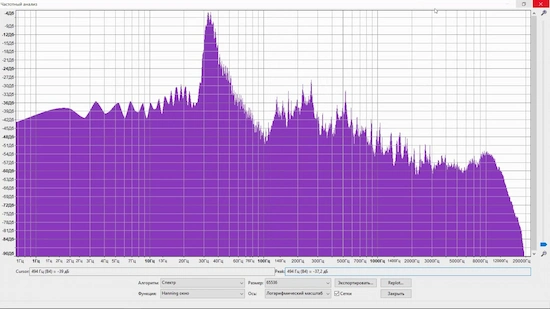 The most common mistake we see in self-mixed projects is not a technical mistake. It is a decision-making mistake. Artists often spend enormous amounts of time trying to perfect individual tracks before they fully understand what the song needs as a whole.
The logic seems reasonable at first. If the vocal sounds better, the song should improve. If the snare hits harder, the mix should become more exciting. If the guitars sound bigger, the production should feel more powerful. The problem is that songs are not judged one element at a time. Listeners react to the overall experience. Improving a single track does not automatically improve the relationship between all the tracks around it.
We regularly review sessions where an artist has spent hours refining details that most listeners will never consciously notice. Meanwhile, the larger questions remain unanswered. What is supposed to lead the song? Where should attention go during the chorus? Which element carries the emotional weight of the record? Without clear answers to those questions, technical improvements often create surprisingly little progress.
A common example involves vocals. An artist may spend days adjusting the vocal sound because it never feels present enough. Yet after listening to the full arrangement, the issue is not necessarily the vocal. The real problem may be that multiple instruments are competing for the same role in the song. Another example appears in dense productions where every instrument has been carefully refined. Everything sounds impressive individually, but the final mix feels crowded because nothing has been prioritized.
This challenge becomes even more difficult because creators naturally lose objectivity over time. After hearing the same song hundreds of times, it becomes harder to judge what a new listener will notice first. Small details begin to feel more important than they actually are. Attention shifts away from the song itself and toward isolated elements inside the session.
That is one reason experienced engineers often rely on external points of reference. Not because they want to copy another production, but because reference listening helps restore perspective. Our guide on reference tracks for mixing explores why comparing perception can be valuable when objectivity starts to disappear.
The most effective mixes are rarely the result of perfect tracks. They are usually the result of clear priorities. When the song becomes the center of every decision, many smaller choices become easier. Some elements move forward. Others step back. Certain details become less important. The mix starts to develop direction instead of simply accumulating improvements.
A mix succeeds when the song leads the decisions. The opposite approach—trying to perfect every track before understanding the song—often creates more work while producing less clarity.
When Processing Helps And When It Only Hides Problems
At some point during every mix, processing becomes part of the conversation. The mistake is assuming it should be the beginning of the conversation. Many artists reach for processing when something feels wrong because it appears to offer a direct solution. The vocal feels disconnected. The drums feel weak. The mix feels crowded. The instinct is to start changing things immediately.
Sometimes that works. Often it does not.
One reason is that processing cannot replace a clear musical hierarchy. If listeners are confused about what deserves their attention, making every element bigger, brighter, stronger, or more aggressive rarely solves the underlying issue. In some cases, it actually makes the confusion worse. The mix becomes more active while becoming less focused.
We frequently encounter sessions where a significant amount of work has already been done before the project arrives. Individual sounds may be heavily refined. Certain tracks may have received enormous attention. Yet the overall record still feels difficult to follow. The challenge is not necessarily the quality of the processing. The challenge is that the song itself has not been fully prioritized.
A vocal that struggles to connect with listeners is not always asking for additional treatment. Sometimes the surrounding arrangement is simply demanding too much attention. A bass guitar that feels inconsistent may not require further enhancement. The issue may be that its relationship with other elements remains unclear. These situations highlight an important distinction: processing tends to amplify decisions that already exist. It rarely creates strong decisions on its own.
This is why experienced engineers spend so much time evaluating context before making significant adjustments. They are not only asking whether something sounds good. They are asking whether it serves the role it is supposed to play inside the song. Once that role becomes clear, processing often becomes far more effective because it is supporting an established direction rather than attempting to invent one.
There is another reason this matters. Excessive processing can sometimes create the illusion of progress. A track feels different, so it feels improved. Yet when the full mix is played back, the listener may experience very little meaningful change. The core relationships remain unchanged. The focus remains unclear. The arrangement still struggles to guide attention.
In contrast, when priorities are already established, even modest processing decisions can produce significant results. The song feels more intentional. Important elements become easier to follow. Supporting elements contribute without distracting from the main message. The processing is not carrying the mix. It is reinforcing choices that were already working.
For many projects, clarity of direction matters far more than additional processing. The question is not whether processing should be used. The question is whether the mix has earned it yet. If you're interested in how professionals typically organize those decisions once priorities are clear, our guide on mixing chain decisions explores how processing is approached inside larger mixing workflows.
Processing works best after priorities are already clear. When the song is leading the decisions, processing becomes a powerful way to reinforce direction. When the priorities remain unclear, it often becomes a sophisticated way of hiding the real problem.
How To Know When A Mix Is Actually Working
One of the hardest parts of mixing is knowing when to stop. Most artists can easily hear when something feels wrong. Recognizing when a mix is actually working is often much more difficult. The challenge becomes even greater after listening to the same song hundreds of times. At that point, familiarity starts replacing objectivity.
Many people judge a mix by how impressive individual sounds have become. The vocal feels bigger. The drums hit harder. The bass sounds deeper. Those changes may be positive, but they do not automatically mean the mix is successful. Most audiences rarely evaluate songs that way. They react to how naturally the music communicates its message from beginning to end.
A working mix usually feels easy to follow. The listener understands where attention belongs without consciously thinking about it. Important moments arrive with purpose. Transitions feel natural. The arrangement makes sense. Nothing important is fighting unnecessarily for attention. The song guides the experience instead of forcing the listener to figure it out.
In contrast, a struggling mix often creates subtle friction. Everything may technically be audible, yet the listener feels uncertain about what matters most. The vocal exists, but it never fully connects. The groove is present, but it lacks direction. The arrangement contains strong ideas, yet they seem to compete instead of support each other. These issues are not always dramatic. Often they appear as a general feeling that something still isn't clicking.
We encounter this regularly during project evaluations. Sometimes artists describe a mix as unfinished even though they cannot identify a specific problem. In many cases, their instincts are correct. The song may not need another dramatic change. It may simply need stronger relationships between key elements so the listener can follow the musical intention more easily.
In some reviews, artists arrive expecting a major technical problem. After listening through the full arrangement, the issue often turns out to be much simpler: the song lacks a clear center of attention. Once that is addressed, the mix frequently feels more complete without dramatic changes.
Another useful sign involves repeated listening. Strong mixes tend to remain understandable even after multiple playbacks. The listener does not have to work harder to stay engaged. Weak mixes often produce the opposite effect. The more they are heard, the more attention is drawn toward conflicts, distractions, and competing elements that interrupt the experience.
This is why experienced engineers often evaluate perception rather than individual sounds. The question is not whether every track has been maximized. The question is whether the song communicates clearly. Clarity of intention matters more than the number of adjustments made along the way.
Before calling a mix finished, many engineers perform a structured final review to make sure nothing important has been overlooked. Our guide on mixing checklist considerations explores the types of questions commonly asked during that final stage of evaluation.
Many memorable mixes are surprisingly simple to follow. The listener rarely has to wonder where the song wants their attention. When the listener instinctively understands where to focus, the music feels natural, intentional, and complete.
Why Independent Artists Across The United States Still Hire Mixing Engineers
Not long ago, professional mixing was often associated with major recording facilities in cities like Los Angeles, Nashville, New York, or Atlanta. Access to experienced engineers depended heavily on geography, studio budgets, and industry connections. That reality has changed dramatically.
Today, independent artists across the United States record music in home studios, project rooms, rented creative spaces, and personal production setups. The tools required to capture professional-quality recordings are more accessible than ever. As a result, the number of self-produced releases continues to grow every year.
What has not changed is the complexity of making dozens of recorded elements work together as a single listening experience. Recording technology has become easier to access. Objective evaluation has not.
Many artists can successfully write, produce, arrange, and record their own material. The challenge often appears later when they attempt to step back and judge the project from a listener's perspective. After weeks or months spent creating a song, it becomes difficult to hear it with fresh ears. Small details begin to feel important. Larger relationship problems become harder to recognize.
This is one reason professional mixing remains relevant even as production tools continue improving. The value is not simply technical knowledge. It is perspective. An experienced engineer evaluates how vocals, drums, bass, instruments, and production layers function together instead of focusing exclusively on individual sounds.
Project complexity also plays a role. Modern sessions frequently contain dozens of tracks, layered arrangements, vocal stacks, programmed elements, live instruments, and detailed automation. As complexity increases, maintaining clarity becomes more challenging. Decisions that seem minor inside a session can significantly influence how listeners experience the song as a whole.
We routinely receive sessions containing 40, 60, or even more than 100 tracks. In those projects, the challenge is rarely a lack of sounds. More often, the challenge is helping those sounds support the same musical goal without competing for attention.
Many independent artists now produce music entirely on their own. The challenge is no longer access to recording technology. The challenge is maintaining objectivity once dozens of creative decisions have already been made.
For many independent releases, the decision is not about outsourcing creativity. It is about introducing an objective perspective at a stage where objectivity becomes difficult to maintain. The goal is helping the song communicate more clearly, not changing the artist's vision.
For artists evaluating professional options across the country, our guide on hiring a mixing engineer in the USA explores what to consider when looking for experienced mixing support nationwide.
Professional mixing is no longer limited to major recording hubs. Today, artists throughout the United States can access experienced engineers who help transform complex recording sessions into focused, cohesive musical experiences.
Mixing A Song Is Ultimately About Making Better Decisions
Many artists spend years searching for better tools, better processing, or better techniques. Those things can be valuable, but they are rarely what separates a strong mix from a weak one. More often, the difference comes down to decisions.
Which element should lead the listener through the song? Which sounds should support that idea? Which details deserve attention, and which ones are distracting from the bigger picture? Every successful mix is built on hundreds of small choices that work toward a common goal.
That is why mixing becomes easier when the focus shifts away from individual tracks and toward how sounds work together. The vocal does not succeed because it sounds impressive on its own. The drums do not succeed because they are powerful in isolation. Every element succeeds when it contributes to the overall experience of the song.
The strongest mixes are not necessarily the most processed, a reality that often surprises artists who spend most of their time searching for new techniques instead of improving their decision-making. They are often the most intentional. Clear priorities create clear decisions. Clear decisions create clarity for the listener.
In the end, successful mixing is not about perfecting every track individually. It is about building relationships between sounds. When those relationships make sense, the song starts guiding the decisions instead of the technology—and that is usually where great mixes begin.
Great Mixes Are Built Through Relationships, Not Isolation
By the time a mix reaches its final stages, a pattern becomes impossible to ignore. The songs that feel clear, engaging, and effortless to follow are rarely the songs with the most aggressive processing or the most complicated technical decisions. They are usually the songs where interaction between elements makes sense.
Throughout the mixing process, the same themes appear again and again. Balance determines what the audience notice first. Priorities determine what deserves attention and what supports the bigger picture. Space helps separate important ideas so they do not compete unnecessarily. Focus guides the listener through the arrangement. Every one of these decisions influences perception far more than most individual track adjustments.
This is why successful mixes are built from context rather than isolation. A vocal only has meaning relative to the instruments around it. The rhythm section only works when its internal relationships feel stable. A lead instrument only feels important when the arrangement allows it to become important. Listeners may never consciously analyze these interactions, but they respond to them immediately.
In our experience evaluating multitrack projects, the strongest mixes are not always the most technically ambitious. They are often the easiest to understand. Attention flows naturally from one moment to the next. Important musical ideas feel intentional. Supporting elements contribute without distracting from the song's direction. Nothing is fighting unnecessarily for attention because every element understands its role.
That perspective also explains why mixing can feel difficult when viewed as a collection of separate technical tasks. Once every track becomes an individual problem to solve, the larger musical picture starts to disappear. The opposite approach is far more effective. Start with the song. Build the relationships. Let the priorities guide the decisions.
Many artists eventually discover that building strong relationships between sounds is easier with an objective outside perspective. That is one reason professional mixing remains an important part of modern music production. If you're planning a future release and need to estimate costs before moving forward, the mixing cost calculator can help you evaluate project scope and budgeting requirements.
The central idea remains simple. Successful mixing is not about processing tracks individually but about building relationships between sounds. When those relationships become clear, the listener stops hearing separate recordings and starts hearing a song.
Strong recordings deserve a mix that reveals their full potential
Recording, production, and arrangement can take a project a long way, but turning dozens of tracks into a focused listening experience requires objective decisions. We help artists, producers, and bands evaluate multitrack sessions, reduce unnecessary trial and error, and build mixes that communicate the song with greater clarity and purpose.
Experienced engineers. Album projects. Multitrack sessions. Clear direction before deadlines.
Frequently Asked Questions
How do you mix a song from start to finish?
Most engineers follow a similar sequence:
- Organize the session.
- Establish balance.
- Identify priorities.
- Create space.
- Refine relationships.
- Evaluate the complete mix.
The specific tools may change, but the overall order remains remarkably consistent.
What should be adjusted first when mixing a song?
Balance should come first. Before making detailed adjustments, it is important to understand how the vocal, drums, bass, and supporting instruments relate to each other. Many issues become easier to identify once the basic level relationships are established.
Why is balance more important than plugins?
Listeners respond to interaction between sounds more than individual processing decisions. A well-balanced mix often feels clear and musical even before significant processing is added. Plugins can strengthen good decisions, but they rarely replace them.
How do professional engineers approach a mix?
Experienced engineers focus on direction, focus, and perception. Rather than asking how each track sounds on its own, they evaluate how the elements interact and whether the song naturally guides the audience from one moment to the next.
What are the most common mixing mistakes?
One of the most common mistakes is trying to perfect every track before understanding the song as a whole. Other frequent issues include unclear priorities, overcrowded arrangements, competing elements, and making processing decisions before establishing a solid balance.
How do you know if a mix is working?
A strong mix is usually easy to follow. Listeners can instinctively understand where their attention should go, important musical ideas remain clear, and the arrangement feels organized rather than confusing. Clarity often matters more than complexity.
Can you mix a song without expensive software?
Yes. Professional results depend more on decision-making, critical listening, and understanding relationships between sounds than on expensive tools. Strong balances and clear priorities can often improve a mix more than additional software.
When should you hire a professional mixing engineer?
Many artists seek professional mixing help when they have reached the limits of their own objectivity or when a project contains enough complexity that an outside perspective becomes valuable. An experienced engineer can evaluate the song from a listener's perspective and help create a more focused and cohesive final mix.