
Lofi Mastering — Why Atmosphere Often Disappears After Release
Many artists assume lofi mastering is about making a track cleaner, smoother, or more polished. That assumption makes sense at first. After all, mastering is the final stage before release. But lofi rarely succeeds because it sounds perfect. Most memorable lofi tracks succeed because they create a feeling that listeners want to stay inside for a while.
What initially feels warm, inviting, and deeply personal during production can feel surprisingly different after release. Nothing appears broken. The balance is still there. The release remains technically correct. Yet the atmosphere feels smaller. The textures that once felt comforting become less noticeable. The imperfections that gave the track personality seem less important than before. Listeners may not know exactly what changed, but they often notice the result. The listening experience no longer feels quite as easy to spend time with.
That is why lofi mastering is often less about changing a track and more about protecting the feeling people connected with during production. If you're unfamiliar with what audio mastering actually is, its purpose is not to replace the identity of the music. In lofi, mastering often becomes an exercise in preservation. What matters most is helping warmth, atmosphere, emotional closeness, and character survive the transition from the production environment to real-world listening. Many releases remain clean, balanced, and technically correct while losing the qualities that originally made people want to leave them playing for hours. Those qualities are often what matter most.
Why Lofi Listeners Notice Different Things Than Most Music Audiences
 Many genres are built around moments. A pop listener may wait for the chorus. A rock listener may anticipate a powerful vocal entrance or a memorable guitar section. EDM often builds toward a drop. Hip-hop frequently relies on standout verses, hooks, or beat switches to create excitement and maintain attention.
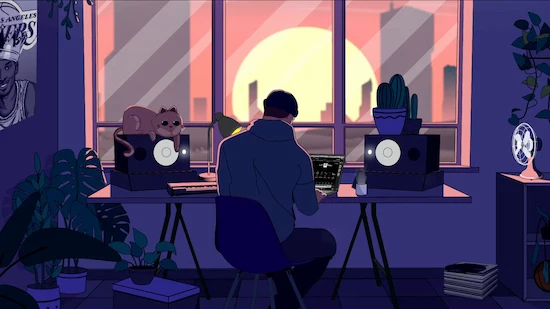
Lofi behaves differently. Most listeners are not waiting for a dramatic event. In many cases, they are not actively analyzing the music at all. The track becomes part of a larger environment. It plays while someone studies for an exam, works through a long afternoon, reads a book, answers emails, or simply tries to slow down after a busy day. The music is present, but it is rarely demanding attention.
Many listeners discover new lofi music through study playlists, chillhop streams, instrumental collections, and focus-oriented listening environments. In those situations, tracks are rarely evaluated on their own. They are judged by how naturally they fit into the overall experience.
That listening behavior changes what people notice. A lofi listener may not remember a specific melody twenty minutes later, but they will remember how comfortable the music felt. They will remember whether the atmosphere remained inviting. They will remember whether the track helped them stay focused or whether something gradually became distracting. Those reactions often happen subconsciously.
This is one reason repeated playback matters so much in lofi. Many people eventually realize that music which feels enjoyable during a quick first listen can feel completely different after thirty minutes, an hour, or an entire study session. Small details become surprisingly important. A texture that feels pleasant at first can become tiring later. What initially feels immersive can slowly lose its effect over time. Unlike genres that depend on constant variation, lofi asks listeners to spend extended periods inside a relatively stable emotional space.
We see this frequently when evaluating releases from independent producers. The music often sounds excellent during production because the creator already understands the emotional intention behind every sound. Once the track leaves that environment, however, the experience can change. This is one reason many artists working from home studios eventually explore mastering for bedroom producers. Atmosphere is often much harder to judge objectively than balance, timing, or arrangement.
The challenge is not creating a mood. Most lofi artists already do that well. The challenge is helping that mood survive repeated listening across different environments and different listeners. A person may spend two hours with a lofi playlist without paying conscious attention to any individual track. Yet certain songs keep them engaged while others quietly disappear into the background. The difference is often not excitement, impact, or complexity. More often, it comes down to comfort, atmosphere, and the feeling of wanting to remain inside the world the music creates.
Why Cleaner Is Not Always Better in Lofi
Many genres reward precision. The cleaner the production sounds, the more professional the result often feels. That logic works in a lot of musical situations. It does not always work in lofi.
One of the most common surprises artists experience after release is discovering that a technically improved version of a track can sometimes feel less enjoyable than the original. Everything appears better on paper. The balance is more controlled. Certain distractions have disappeared. Individual elements sound more refined. Yet the emotional connection somehow feels weaker.
The reason is simple. Lofi listeners rarely fall in love with perfection. They connect with personality.
Consider two versions of the same release.
Track A is extremely clean. Every element feels controlled and predictable. Nothing stands out as problematic. The music sounds polished from beginning to end. Yet after several listens, the track begins to blend into countless similar releases. It functions correctly, but leaves little emotional impression.
Track B contains small imperfections. Certain textures feel slightly worn. Some details are less polished than they could be. The overall presentation feels more human, more lived-in, and more personal. Technically, it may be less perfect. Emotionally, however, listeners often remember it longer.
We encounter this distinction frequently when mastering lofi projects. The objective is not to preserve flaws for the sake of preserving flaws. The objective is understanding which characteristics contribute to the identity of the music and which characteristics actively interfere with the listening experience. Those are not always the same thing.
Some textures that appear imperfect during analysis are often the very reason the listening environment feels inviting. Slight roughness can help music feel intimate rather than sterile. Remove too much of that character and the music can become emotionally distant without becoming emotionally stronger.
This is partly why discussions around analog mastering vs digital mastering often extend beyond pure technical performance. Listeners frequently associate texture, character, and subtle irregularities with authenticity. Whether that perception is objectively measurable matters less than the fact that people genuinely respond to it.
Lofi places unusual value on those responses. The genre is rarely trying to impress listeners with scale or intensity. Instead, it creates familiarity. Comfort. Presence. The feeling of spending time inside a particular atmosphere.
When mastering moves too aggressively toward technical perfection, that atmosphere can begin to disappear. The music may become cleaner while becoming less recognizable as itself. Ironically, the very qualities that seemed imperfect during production are often the same qualities listeners later describe as warm, nostalgic, inviting, or memorable.
That does not mean every rough edge should survive unchanged. It means mastering decisions need to respect the emotional role those details play. In lofi music, character is not decoration added after the fact. Character is often part of the composition itself. Remove enough of it, and the track may remain balanced, professional, and technically correct while losing the personality that encouraged listeners to return in the first place.
Many of the most recognizable lofi releases are built around small emotional cues rather than obvious musical events. Vinyl noise, environmental ambience, distant textures, and subtle imperfections often become part of the listening experience itself. Listeners rarely focus on these elements individually, yet they frequently notice when those elements stop contributing to the atmosphere.
How Atmosphere Gets Lost Between Production and Release
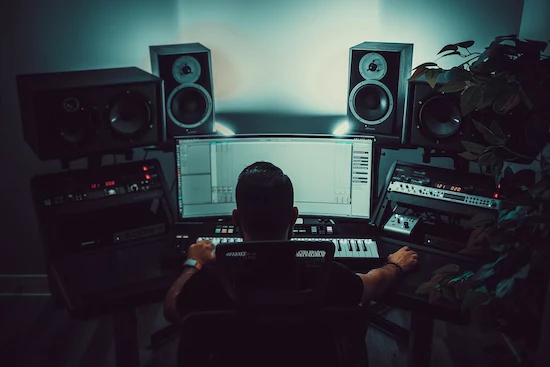 For many listeners, atmosphere is the reason lofi works in the first place. It is also one of the hardest things to evaluate objectively.
Listeners rarely describe atmosphere using technical language. They do not say a track contains the correct balance of frequencies or an ideal relationship between individual elements. Instead, they describe a feeling. The listening experience feels warm. It feels distant. It feels nostalgic. It feels like a late-night train ride, a rainy afternoon, or a quiet room after a long day.
That reaction often begins before the listener consciously notices any specific musical detail. The surrounding character works quietly in the background. It shapes how listeners perceive the music long before they begin analyzing individual sounds. In many cases, it becomes the reason people return to a track repeatedly even when they cannot explain exactly why.
This is where release translation becomes surprisingly important.
What feels deeply immersive during production can feel surprisingly different after release. The space between sounds feels natural. Ambient textures seem to wrap around the listener. Small background details create depth without drawing attention to themselves. Everything exists inside a convincing emotional environment.
Then the track gets released.
Sometimes the difference only becomes obvious when the music appears inside a playlist surrounded by dozens of other lofi releases.
We occasionally hear this from artists after release: a section that felt rich and immersive inside the session suddenly feels ordinary when heard between twenty other lofi tracks. Nothing in the arrangement changed. The listening context did.
A producer may spend weeks refining a late-night piano loop, a layer of vinyl texture, or a distant ambient element only to discover that listeners barely notice those details after release. The sounds are still there, but the feeling they originally created is no longer as strong.
Nothing obviously breaks. The arrangement remains identical. The melodies remain unchanged. The mix still sounds recognizable. Yet the emotional space feels smaller somehow. The sense of space that once surrounded the music no longer feels as convincing. Listeners spend less time inside the emotional world the track originally created.
We encounter similar situations when reviewing masters that initially seem successful. During production, a particular texture may contribute to a feeling of depth. Months later, after release, the same section feels flatter than expected. The detail is still present, but the emotional impact attached to it has weakened.
In some projects, artists are surprised to discover that the elements they worried about most before mastering were not the elements affecting the listening experience after release. More often, the larger issue involved how the atmosphere translated as a complete environment rather than any individual sound.
Part of the challenge is that these changes rarely announce themselves clearly. A listener may never identify the exact reason their experience changed. They simply stop feeling the same connection. The music becomes easier to ignore. The environment surrounding the track becomes less believable.
Lofi is especially sensitive to this because so much of the genre depends on emotional space rather than obvious musical events. Many tracks are intentionally understated. There may be no dramatic transition, no explosive chorus, and no attention-grabbing moment designed to pull the listener back in. The listening environment itself carries much of that responsibility.
Once that emotional space weakens, the entire listening experience can change. A release may remain balanced and technically correct while feeling less personal than it did during production. The music still functions, but the emotional environment surrounding it becomes harder to enter and easier to leave.
This is one reason so many release-related issues only become visible after music leaves the session where it was created. The production environment is familiar. The artist understands every sound and every intention behind it. Outside that environment, listeners experience only the finished result. As discussed throughout our Mastering Problems Guide, some of the most important release issues are not obvious technical failures. They are changes in perception that become noticeable only when real listeners spend time with the music.
For lofi artists, that distinction matters enormously. The mood is often the first thing a listener feels when a track begins. It is also frequently the first thing that disappears when release translation alters the surrounding character of the music. Preserving that atmosphere is not about protecting a single sound. It is about protecting the environment those sounds create together.
Why Long Listening Sessions Expose Problems Faster Than Quick Playback Tests
Many releases make an excellent first impression.
The listening environment remains pleasant. The balance seems comfortable. Nothing immediately stands out as distracting. During a quick playback test, the track appears ready for release.
Then real listening begins.
An hour later, the experience can feel completely different.
This happens because lofi is rarely consumed the same way people consume many other genres. Listeners often do not press play for a single song and stop there. Instead, the music becomes part of a longer environment. A study playlist may run for several hours. A work session can last an entire afternoon. Background listening often continues without interruption while attention shifts between tasks.
Under those conditions, different qualities begin to matter.
The question is no longer whether a track sounds good during the first few minutes. The question becomes whether the music remains comfortable after repeated exposure. Can listeners stay with it without feeling fatigue? Does the atmosphere continue supporting concentration? Does the emotional space remain inviting over time?
Many issues only reveal themselves during that longer experience.
What feels charming during the opening minutes may gradually become distracting. Some tonal characteristics seem warm at first but begin drawing unnecessary attention after repeated playback. It is possible for music to feel immersive during a short audition while becoming surprisingly easy to skip later in a playlist.
We see this pattern regularly when evaluating releases. Five minutes sounds excellent. Twenty minutes still feels good. After an hour of continuous listening, however, something changes. Attention begins to drift away from the music. The mood becomes slightly less compelling. The listener starts looking for another track without fully understanding why.
This is one reason we often revisit lofi masters multiple times throughout the day rather than relying on a single review session. What feels comfortable in the morning can feel surprisingly different after several hours of continuous listening.
A master that feels perfectly comfortable during a focused review session can behave very differently after ninety minutes inside a study playlist. That difference is often impossible to predict from a quick production check.
In some evaluations, a beat that feels immersive during a three-minute review becomes noticeably less engaging after forty or fifty minutes of continuous playlist playback. Nothing obvious changes. The arrangement remains identical. Yet the atmosphere gradually loses some of its ability to hold attention. These longer listening tests often reveal issues that never appear during quick production checks.
Lofi artists often assume that if a track survives several quick playback checks, the listening experience is secure. In reality, long-session listening creates a completely different test. Small details accumulate. Repetition becomes more noticeable. The emotional environment either continues working or gradually loses effectiveness.
This is one reason playlist placement matters so much within the genre. Lofi rarely exists in isolation. Most listeners encounter it alongside dozens of similar tracks during study sessions, focus playlists, relaxation mixes, and background listening routines. As discussed in our guide to mastering for streaming platforms, music is often experienced within larger listening environments rather than as a standalone event.
The tracks that perform best over time are not always the ones that create the strongest first impression. More often, they are the tracks that remain comfortable after thirty minutes, an hour, or even longer. They continue supporting the listener's mood without becoming distracting. They remain present without demanding attention.
That is why long listening sessions reveal so much about lofi mastering. A release may sound balanced and professional during a quick test yet struggle when exposed to the type of listening environment it was actually created for. The most important question is not whether the track sounds good for five minutes. It is whether people still want it playing an hour later.
What Lofi Mastering Helps Preserve Throughout a Release
Most listeners do not evaluate lofi music through a single chorus, a dramatic transition, or one memorable moment. The genre is usually experienced over extended listening sessions where atmosphere, comfort, and emotional consistency matter more than immediate impact. A successful release often keeps listeners engaged without demanding their attention. For that reason, lofi mastering is frequently less about making something stand out and more about preserving the qualities that encourage people to stay with the music over time.
| Element | Why It Matters in Lofi |
|---|---|
| Atmosphere | Preserves emotional space |
| Texture | Maintains character |
| Warmth | Supports comfortable listening |
| Listener Comfort | Encourages long sessions |
| Imperfections | Retains authenticity |
| Ambience | Preserves depth |
| Consistency | Improves translation |
| Cohesion | Supports complete releases |
Before release, make sure the atmosphere survives the transition
Lofi tracks often sound perfect inside the production session and completely different after release. Warmth, depth, atmosphere, and listener comfort can change in ways that are difficult to notice until the music reaches real listeners. Send us your track and receive a free demo master (up to 35 seconds). We'll evaluate how well the atmosphere translates and identify potential issues before release.
Free evaluation. Real engineer. Hear the difference before committing.
Why Independent Lofi Artists Across the United States Still Work With Mastering Engineers
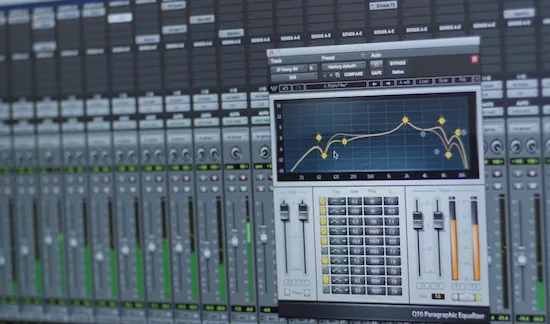 One reason lofi mastering remains relevant is that the qualities listeners value most in the genre are often difficult to evaluate objectively before release.
Today, a producer can build an audience from a bedroom studio, release music independently, appear on curated playlists, collaborate with artists across multiple states, and grow a loyal listener base without ever signing to a major label. Some artists release instrumental projects under their own name. Others work through small niche labels. Many simply upload music directly to streaming platforms and develop organically over time.
That independence has changed how music gets made, but it has not changed one important reality: artists still need a way to judge how their music will feel to listeners who have never heard it before.
In fact, many lofi artists discover the opposite.
The longer someone works on a project, the harder it becomes to judge the listening experience from the perspective of a first-time listener. After hearing the same beats, textures, and atmospheres hundreds of times, the creator naturally adapts to them. Subtle translation issues become difficult to notice. The emotional impact that feels obvious during production may not be experienced the same way by people hearing the music for the first time.
This is one reason professional mastering continues to play an important role throughout the lofi community. Artists are not necessarily looking for dramatic changes. More often, they want confirmation that the atmosphere they worked hard to create will remain convincing once the music leaves the production environment.
We regularly evaluate releases from beatmakers, instrumental producers, playlist-focused artists, and independent labels throughout the United States. One pattern appears repeatedly: projects that feel immersive during production often translate differently once they enter real listening environments and compete alongside thousands of similar releases. Some release a few tracks each year. Others publish music every month. Despite those differences, the goal is often similar: making sure the finished release feels the way it was intended to feel when real listeners encounter it.
The issue is rarely obvious. Most releases still sound good. The difference usually appears in how long listeners remain engaged once the initial novelty of the track fades.
Independent lofi artists often release music without the support structures that once surrounded commercial releases. That makes objective evaluation even more valuable. A fresh perspective before release can reveal atmosphere and listening-experience issues that remain invisible after months of working on the same project.
That shift has been especially valuable for lofi creators because the genre depends so heavily on atmosphere, comfort, and emotional perception. Those qualities are difficult to measure objectively. Having a fresh perspective before release often provides insights that remain invisible during months of production work.
The result is a music landscape where independent artists have access to the same level of release preparation that was once available only through larger industry structures. What matters today is not location or infrastructure. What matters is whether the final release delivers the experience listeners are expecting when they press play.
What Artists Usually Notice After Professional Lofi Mastering
One of the interesting things about lofi mastering is that the biggest improvements are often not immediately obvious.
Artists sometimes expect a dramatic before-and-after moment. They press play and look for a huge change. In lofi, that is not always how success reveals itself. The most valuable differences frequently appear later, after the music has been heard repeatedly in real listening situations.
We often hear similar observations from artists once a release has spent time in the world.
One observation appears especially often among artists who release music regularly. The tracks they worry about most before release are rarely the tracks that create problems afterward. More often, the surprises come from subtle changes in atmosphere, comfort, and emotional consistency that only become obvious after weeks of listening.
Listeners often describe the experience as feeling more consistent from one listening session to the next. Music that originally felt immersive during production continues creating a similar feeling after release. Listeners stay connected to the mood longer without fully realizing why.
Another common observation involves listening comfort. Nothing sounds dramatically different, yet the music becomes easier to spend time with. An hour-long playlist remains enjoyable. Focus sessions feel uninterrupted. The track blends naturally into the environment without becoming distracting.
Artists also notice that textures tend to remain interesting over repeated playback. Small details that contribute to the personality of the music continue to feel alive rather than fading into the background after a few listens. The emotional identity of the track survives longer than expected.
In some projects, the difference becomes obvious only weeks after release. A beat tape that originally felt repetitive begins holding attention longer than expected, while subtle background details remain noticeable even after dozens of listens. Those reactions are often more meaningful than any immediate before-and-after comparison.
A common example appears when a track moves from the production session into a real playlist environment. During production, the atmosphere may feel obvious because the creator already understands every detail. After release, listeners have no such context. The releases that perform best tend to preserve their emotional identity even when heard casually between dozens of other tracks.
Consistency is another area where improvements often become noticeable. A release feels more predictable across different listening situations. The listening experience that worked well in one environment does not suddenly disappear in another. Listeners encounter a more reliable experience regardless of where the music finds them.
We occasionally see this with playlist-focused releases. A track that seemed almost invisible during production suddenly becomes one of the songs listeners return to most often. Not because it became more dramatic, but because the atmosphere continues working long after the novelty of the first listen disappears.
Perhaps most importantly, there are fewer surprises.
Many artists know the feeling of releasing a track they loved in the studio only to discover something feels different afterward. The music is still recognizable, but the emotional connection seems weaker than expected. With stronger release preparation, those moments become less common. The gap between the intended experience and the listener's experience becomes smaller.
This is one reason release evaluation remains valuable even in a genre that rarely depends on obvious impact. The goal is not creating a dramatic transformation. The goal is helping the qualities that already make the music enjoyable remain intact once the track enters real listening environments.
For many lofi artists, that confidence becomes one of the most meaningful benefits. Not because the music suddenly sounds different, but because it continues feeling right after the excitement of release day has passed. Weeks later, months later, the atmosphere still works. The listening experience still feels natural. The music still invites people to stay a little longer.
A Simple Way to Think About Lofi Mastering
The easiest way to misunderstand lofi mastering is to assume the goal is making everything bigger.
Not louder. Not brighter. Not cleaner.
Those changes can sometimes help, but they are not what makes people return to a lofi track weeks or months after hearing it for the first time.
A better way to think about lofi mastering is preservation.
Listeners rarely fall in love with lofi because it sounds impressive. They stay because it feels comfortable. The atmosphere feels familiar. The textures feel personal. The listening environment creates a space they want to revisit during a study session, a late-night walk, or a quiet afternoon.
That experience is fragile. It is possible for music to remain technically correct while losing some of the warmth, character, and emotional closeness that originally made it enjoyable.
Successful lofi mastering helps protect those qualities.
A useful question is this: if someone discovers the track six months from now inside a study playlist, will it create the same feeling that existed during production? Lofi mastering exists to improve the chances that the answer remains yes.
The objective is not changing the identity of the music. The objective is preserving atmosphere, comfort, and character so listeners experience the same emotional environment that made the track worth releasing in the first place.
Final Thoughts: Lofi Mastering Is About Preserving Character, Not Perfecting Everything
The most common misconception about lofi mastering is the belief that every imperfection should be removed.
That approach works against the very qualities many listeners value most.
Lofi has never been defined by perfection. The genre grew around atmosphere, warmth, texture, and emotional comfort. People often return to a favorite lofi track for the same reason they return to a familiar place. It feels welcoming. Familiar. Easy to spend time with. The connection is emotional long before it becomes technical.
That is why release translation matters so much.
Many projects sound beautiful inside the production environment where they were created. The emotional space remains intact. The textures feel alive. Every detail contributes to a particular mood. Yet once the music leaves that environment and reaches real listeners, some of those qualities can become less convincing than expected.
The change is rarely dramatic. More often, it appears gradually. The warmth becomes less apparent. The listening environment feels less immersive. Long listening sessions become a little less comfortable. The release still functions, but the emotional connection weakens in ways that are difficult to describe.
For lofi artists, those subtle shifts matter because the genre depends on sustained listening. Many releases are designed to accompany study sessions, work sessions, reading, relaxation, and long playlists. Listeners are not searching for a single explosive moment. They are looking for an environment they can stay inside for an extended period of time.
The strongest lofi releases tend to preserve that environment after the music leaves the production session. They protect the sense of space surrounding the music. They help textures remain interesting over repeated listening. They allow warmth and comfort to survive beyond the production session. Most importantly, they help the emotional identity of the track remain recognizable once the music reaches the outside world.
This release-focused perspective becomes especially valuable when preparing music for public release through professional quality track mastering. The objective is not perfection. The objective is preserving the experience that made the track worth releasing in the first place.
The same principle applies to larger projects as well. Beat tapes, instrumental collections, and multi-track releases often introduce additional listening-context challenges where songs begin interacting with one another. In those situations, thoughtful album mastering helps maintain consistency while allowing each track to retain its individual character.
Some releases remain clean, balanced, and technically correct after mastering while losing the warmth, atmosphere, and imperfect character that originally made them emotionally engaging. The best lofi masters do the opposite. They preserve the qualities that encourage listeners to stay with the music, return to it repeatedly, and spend more time inside the world it creates.
Keep the Atmosphere Intact Before Your Music Reaches Listeners
The qualities that make lofi memorable are often the easiest to lose after release. Warmth, atmosphere, texture, and listener comfort can change in subtle ways that only become obvious once the music leaves the studio. Send us your track and receive a free demo master (up to 35 seconds) to hear how your release translates before it reaches your audience.
Hear how your atmosphere holds up before release. Ideal for singles, beat tapes, and multi-track projects.
Common Questions About Lofi Mastering
What makes lofi mastering different from mastering other genres?
Lofi mastering focuses on preserving atmosphere, warmth, texture, and listener comfort. Unlike genres that depend on impact or intensity, lofi often succeeds because listeners enjoy spending long periods inside the environment the music creates.
Why do some lofi tracks lose atmosphere after release?
Atmosphere depends on subtle details that influence depth, mood, and immersion. A track can feel spacious during production yet feel smaller after release if those details translate differently across listening environments.
Does cleaner mastering always improve lofi music?
Not always. Some imperfections contribute directly to the personality of a lofi track. Removing too much texture or character can make the music feel less engaging even when it becomes technically cleaner.
How does mastering affect listener comfort during long sessions?
Many lofi listeners engage with music for extended periods while studying, working, reading, or relaxing. Effective mastering helps maintain a comfortable listening experience throughout those longer sessions.
Why do imperfections matter in lofi production?
Listeners often associate subtle imperfections with authenticity and emotional character. In lofi music, those qualities can help a track feel more personal, human, and memorable.
Can mastering help preserve warmth and texture?
Yes. While mastering cannot create character that is missing from the production, it can help preserve warmth, texture, and atmosphere so they remain consistent after release.
Is professional mastering important for independent lofi artists?
Professional mastering provides objective release evaluation before music reaches listeners. Independent artists often benefit from a fresh perspective that helps identify translation issues that may go unnoticed during production.
How do I know if my lofi track is ready for mastering?
A lofi track is usually ready for mastering when the creative decisions are complete and the intended atmosphere is already established. Mastering works best when the artistic direction is finalized before release preparation begins.