
Analog Mastering vs Digital Mastering — What Actually Matters After Release
If you're looking for a simple answer, here it is: analog mastering and digital mastering can sound different, but neither approach is automatically better. The right choice depends on the music, the release format, and how the audience will actually hear the final record.
Many artists arrive at the mastering stage convinced that analog mastering must sound better than digital mastering. Yet once a release reaches phones, cars, earbuds, Bluetooth speakers, and modern distribution environments, the answer becomes far less obvious.
That is where many discussions start moving in the wrong direction. The real question is not which approach uses more hardware or which process carries a higher price tag. The question is whether the differences remain meaningful after release and whether those differences actually help the music connect with audiences.
Most artists start by asking whether analog or digital mastering sounds better. We usually start somewhere else. What exactly should the master accomplish once the song leaves the studio? The answer often reveals far more than the technology involved.
Why This Debate Still Exists in Modern Mastering
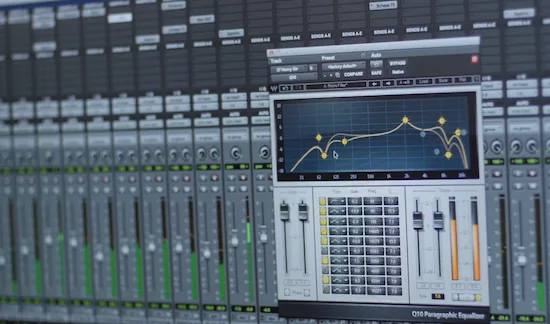 The discussion around analog mastering versus digital mastering has survived for decades because it is not driven by technology alone. It is driven by perception, expectation, marketing, and personal preference.
Long before an artist sends a mix to a mastering studio, they have often absorbed years of messaging from interviews, studio documentaries, gear marketing, online forums, and conversations with other musicians.
Over time, a simple idea becomes deeply rooted: analog sounds better.
The discussion around analog mastering versus digital mastering has survived for decades because it is not driven by technology alone. It is driven by perception, expectation, marketing, and personal preference.
Long before an artist sends a mix to a mastering studio, they have often absorbed years of messaging from interviews, studio documentaries, gear marketing, online forums, and conversations with other musicians.
Over time, a simple idea becomes deeply rooted: analog sounds better.
The belief is easy to understand. Many legendary records were created during eras when analog equipment dominated professional production environments. As a result, artists sometimes connect the sound of those records directly to the mastering process itself. In practice, the situation is far more complicated. Songwriting, arrangement, performance, recording quality, mixing decisions, and mastering all contribute to the final result. Isolating one stage and assigning all of the credit to it creates a simplified story that is easy to repeat but difficult to prove.
Studio culture also plays a role. Walk into a high-end mastering room and large racks of equipment immediately communicate experience, investment, and professionalism. Even before hearing a single note, many people associate physical hardware with expertise. That reaction is human. We naturally place value on things we can see and touch. Digital processes often feel invisible by comparison, even when they are delivering equally effective results.
Then there is the language itself. Terms like "warmth," "depth," "glue," and "musicality" appear constantly in discussions about analog mastering. Some artists begin pursuing these qualities before identifying whether their mix actually needs them. Expectations form first. Listening comes second.
The same expectation bias appears throughout audio production. The conversation around AI mastering versus human mastering engineers often follows the same path. Assumptions are made before real-world results are evaluated. Technology becomes the center of attention, while listener experience becomes secondary.
That is why the analog versus digital debate remains active today. It is not simply a technical comparison. It sits at the intersection of reputation, psychology, marketing, and personal expectation. Many artists enter the mastering stage already convinced that one option must be superior. The challenge is separating those expectations from what actually happens once the music reaches real-world playback environments.
What Analog Mastering Is Actually Trying to Achieve
One of the biggest misconceptions surrounding analog mastering is the idea that it automatically improves a mix. In practice, that is not what mastering engineers are trying to accomplish. Analog mastering is rarely about fixing a good track or transforming a weak one into something extraordinary. The objective is far more specific. It is about introducing certain sonic characteristics that some artists, producers, and labels find appealing.
When people describe analog mastering positively, they often talk about things that are difficult to measure but easy to perceive. A vocal may feel slightly more connected to the instrumental. A snare may seem less detached from the rest of the arrangement. The center of the mix can appear more solid. These changes are often subtle. Often, listeners would struggle to identify exactly what changed, yet they may describe the result as feeling more natural or more cohesive.
Artists are often drawn toward analog processing because certain forms of signal behavior can create the perception of additional richness without dramatically changing the balance of the mix. The result is not necessarily louder or clearer. Instead, the music may feel a little denser, a little more substantial, or slightly more engaging over longer listening sessions.
Perceived depth is another factor that frequently enters the conversation. Some productions benefit from a greater sense of front-to-back dimension, especially when the arrangement relies on space and atmosphere. This does not mean analog mastering suddenly creates depth that was missing during recording or mixing. Rather, it can influence how existing elements interact and how listeners perceive those relationships.
Texture also plays a role. A completely clean signal path is not always the goal. Some artists intentionally want a small amount of character. Not distortion. Not obvious coloration. Just enough subtle movement to make the playback experience feel less clinical. Acoustic recordings, singer-songwriter projects, jazz releases, Americana productions, and certain rock records are common examples where these preferences often emerge during mastering discussions.
We occasionally encounter artists who request analog mastering before hearing a single test version. Interestingly, once comparisons are made, their priorities often change. What they were actually looking for was not analog processing itself. They were looking for a particular emotional response. Sometimes analog tools contribute to that outcome. Sometimes they do not. The desired result matters far more than the method used to reach it.
In many cases, the request disappears after the first comparison. Not because analog processing failed, but because the artist realizes the original concern was translation, not character. The workflow may change, but the underlying objective usually does not.
Projects intended for physical formats often enter this discussion as well. Many musicians who plan a vinyl release naturally associate analog mastering with the listening experience they hope to create. While the relationship between analog processing and vinyl production is often misunderstood, expectations surrounding both subjects tend to overlap. That is why discussions about vinyl mastering frequently intersect with conversations about analog workflows, even though they solve different problems.
At its core, analog mastering is not about making music objectively better. It is about introducing specific sonic behavior that may complement a particular production, artistic vision, or listening experience. Whether that behavior is beneficial depends entirely on the release itself.
What Digital Mastering Is Actually Trying to Achieve
If analog mastering is often associated with character, digital mastering is frequently associated with control. Unfortunately, that word sometimes creates the wrong impression. Many artists hear the word "digital" and immediately assume the result will sound clinical or emotionally detached. What surprises many artists is that the goal is often the opposite of what they expect. It is not about imposing a sound. It is about preserving one.
Every mix arrives with its own identity. The vocal has already been shaped. The low end has already been developed. The emotional balance between instruments is already present. In many situations, the mastering stage is not looking for additional character. The objective is to ensure that what made the mix work in the first place survives the transition into a commercial release.
Precision becomes valuable because modern releases face countless playback variables. A track may move from studio monitors to AirPods, from a car stereo to a smart speaker, and from there to multiple streaming services. Small changes that seem insignificant during production can become noticeable once a song enters thousands of different listening environments. Digital mastering allows engineers to make highly controlled decisions while minimizing unintended side effects.
Consistency is another major advantage. This becomes especially important for singles that go through multiple revisions before release. A label may request changes. An artist may update the mix. A producer may deliver a new version at the last minute. The ability to return to a project and reproduce previous decisions with extreme accuracy can be critical. What sounds like a workflow benefit on paper often becomes a practical necessity in real-world release schedules.
We regularly receive updated mixes only days before release. In those situations, maintaining continuity between versions becomes far more important than pursuing a particular analog or digital philosophy. In some projects, the approved master is created from the third or fourth mix revision rather than the first. The ability to maintain continuity throughout those changes becomes part of the mastering process itself.
For many modern releases, the biggest advantage of digital mastering is not sound. It is confidence. Engineers can make highly specific decisions, revisit them later, and know the project will remain consistent throughout the release process.
Transparency is perhaps the most misunderstood aspect of digital mastering. Transparency does not mean a master lacks personality. It means the engineer can make decisions without automatically adding additional coloration. For some projects, that level of restraint is exactly what serves the music best. A modern Pop record, a dense Hip-Hop production, or an electronic track built around precise low-end relationships may benefit more from preservation than enhancement.
The same consideration becomes important once music reaches modern distribution environments. Modern distribution introduces countless playback variables that exist outside the artist's control. Digital precision often helps engineers maintain consistency as music moves through those environments.
For many modern productions, viewing digital mastering as a compromise misses the point entirely. For many modern productions, it represents the most direct path between the finished mix and the listener. Rather than adding a new layer of identity, it focuses on protecting the identity that already exists.
The Real Question: Will Listeners Notice the Difference?
This is where the analog versus digital conversation becomes far more interesting. Not inside a mastering room. Not during a gear demonstration. Not while comparing screenshots or equipment photos online. The real test begins after release, when the music reaches people who have no idea how the master was created.
Imagine two versions of the same track. One has been mastered using a predominantly analog workflow. The other follows a predominantly digital approach. A mastering engineer may hear subtle differences while moving back and forth between them in a controlled environment. What matters is what happens when those same versions leave the studio.
Most music fans consume music through earbuds, phones, Bluetooth speakers, cars, laptops, smart TVs, and streaming services. These environments introduce their own limitations, their own coloration, and their own listening habits. In many cases, those variables influence perception more than the mastering format itself.
Take wireless earbuds as an example. A listener is walking through a city, sitting on a train, exercising at the gym, or working in a coffee shop. Environmental noise competes with the music constantly. Fine details that seem obvious during a critical listening session often become far less significant. Most people are responding to the song, the vocal, the emotion, and the overall presentation. They are rarely evaluating whether subtle harmonic behavior came from an analog stage or a digital process.
Cars tell a similar story. Some vehicles provide excellent playback systems. Others exaggerate bass, soften high frequencies, or introduce resonances that dramatically reshape the listening experience. We regularly evaluate masters in automotive environments because they reveal how unpredictable real-world playback can be. A tiny difference between analog and digital mastering may be completely overshadowed by the acoustic character of the vehicle itself.
In some projects, artists spend hours comparing tiny differences between two masters. Then both versions are tested in a typical vehicle and the discussion changes completely. Suddenly the focus shifts from workflow to vocal balance, low-end control, and overall translation.
Bluetooth speakers create another reality. Many portable systems are optimized for convenience rather than accuracy. They often compress perception into a smaller acoustic space while emphasizing certain frequency ranges. Under those conditions, differences that seemed meaningful inside a mastering room can become extremely subtle.
That does not mean audiences never hear a distinction. They sometimes do. On high-quality playback systems, in quiet environments, during attentive listening sessions, certain characteristics may remain noticeable. A release built around spacious acoustic performances, delicate arrangements, or long-form listening experiences may reveal nuances that survive outside the studio. Context matters.
What surprises many artists is how often the opposite happens. After comparing different mastering approaches on multiple consumer systems, they discover that translation, balance, and reliability influence the listening experience more than the choice between analog and digital processing. The conversation shifts from "Which workflow sounds better?" to "Which version works better everywhere?"
Independent artists encounter this issue frequently working from home studios. Many production decisions are made in controlled environments and then judged through headphones or monitors that do not reflect how the majority of listeners will actually hear the release. That is one reason we frequently discuss playback translation when working with bedroom producers. The challenge is creating one that remains convincing across many different playback systems.
The same principle applies once music leaves the production environment and begins interacting with real-world playback systems.
That is one reason the analog versus digital debate remains active today. It encourages artists to focus on the mastering process itself rather than the listening experience that follows. Most audiences do not evaluate workflows. They evaluate records. And in the real world, the playback environment often shapes perception far more than the mastering format ever will.
One of the most interesting patterns we see during mastering evaluations is how expectations influence perception. Artists often assume they will immediately prefer the analog version during a comparison. Yet blind listening sessions frequently produce different results. Once labels, workflows, and expectations are removed, many listeners focus on balance, clarity, vocal presence, and overall impact rather than the mastering path used to create the finished record. This does not mean analog and digital sound identical. It means the perceived difference is often smaller than the marketing surrounding the debate suggests.
Can Analog and Digital Masters Sound Identical?
Not exactly. Analog and digital mastering do not process audio in identical ways, so perfectly matching the two approaches is unrealistic. The more useful question is whether the remaining differences are large enough to influence how people experience the finished record.
Analog and digital mastering do not behave in exactly the same way. Given enough experience, a controlled listening environment, and carefully chosen material, mastering engineers can often identify subtle differences between versions. Small changes in texture, transient behavior, depth perception, or overall presentation may still remain audible under close examination.
The more important question is whether those differences remain meaningful outside the studio.
Under real-world conditions, the gap becomes much smaller than artists expect. Once a release reaches digital release environments, phones, cars, earbuds, Bluetooth speakers, and countless listening environments, playback conditions begin influencing perception just as much as the mastering process itself. A listener may immediately notice a stronger vocal, clearer low end, or a more balanced presentation. Identifying whether those qualities originated from an analog or digital workflow is often much more difficult.
We occasionally perform comparison evaluations where artists expect one version to be an obvious winner. The results are often surprising. One listener may gravitate toward the analog version while another prefers the digital master. Many focus on completely different aspects of the track than they originally expected. The outcome usually depends less on ideology and more on how the music itself responds to the mastering approach.
One pattern appears again and again during mastering evaluations. Artists often expect the analog version to win immediately. Once comparisons become blind, those expectations frequently disappear. Preferences become far less predictable, and the discussion shifts toward the music itself rather than the technology behind it.
In blind comparison sessions, one of the most common surprises is how quickly attention shifts away from the workflow. Artists often begin by searching for analog warmth or digital precision. After several comparisons, the discussion usually moves toward vocals, low-end balance, stereo image, and overall emotional impact. The workflow becomes less important than the listening experience it creates.
In practice, the question is rarely whether analog and digital masters can sound identical. The more useful question is whether the differences are significant enough to influence the listener's experience. In some releases, the answer is yes. In many others, the overall quality of the master matters far more than the workflow used to create it.
The opposite question appears frequently as well: can digital mastering recreate qualities often associated with analog processing? In many situations, modern mastering tools can move surprisingly close to those characteristics. That is one reason blind comparisons often produce less predictable results than artists expect.
Why Modern Mastering Is Rarely Purely Analog or Purely Digital
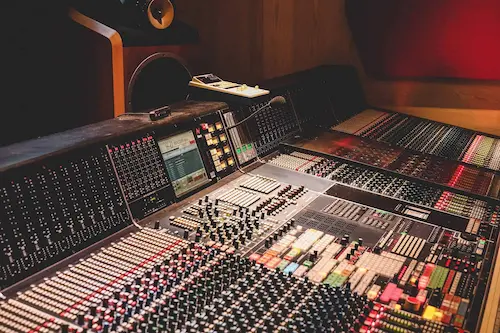 The analog versus digital debate often feels outdated because it assumes artists must choose one side. Today, most professional mastering projects no longer fit neatly into either category.
The industry has gradually moved away from the idea of opposing camps and toward a more practical question: what combination of tools best serves the release?
The analog versus digital debate often feels outdated because it assumes artists must choose one side. Today, most professional mastering projects no longer fit neatly into either category.
The industry has gradually moved away from the idea of opposing camps and toward a more practical question: what combination of tools best serves the release?
This shift happened for a simple reason. Engineers discovered that both approaches offer advantages, and there is rarely a compelling reason to ignore one set of strengths in favor of the other. A project may benefit from a particular type of sonic behavior during one stage of evaluation while requiring the precision and flexibility of digital processing during another. The decision is usually driven by outcomes, not ideology.
We see this frequently when reviewing projects that arrive with very specific goals. One artist may want to preserve every detail of a carefully balanced mix. Another may be searching for a slightly more organic presentation. A third may be preparing a release that requires multiple revisions before approval. These situations do not automatically point toward an exclusively analog or exclusively digital solution. They point toward problem-solving.
That distinction matters because many online discussions still frame mastering as a competition between technologies. Inside working mastering rooms, the conversation is usually much less dramatic. Most mastering engineers are not trying to prove that one approach is superior. They are evaluating how different tools behave when applied to a specific piece of music. If a particular process improves translation, consistency, or listener perception, it becomes useful. If it does not, it becomes unnecessary.
Inside professional mastering environments, most engineers are not loyal to a single philosophy. They choose tools based on the needs of the project. A great release does not become successful because it followed an analog workflow or a digital workflow. It becomes successful because the decisions behind the master were appropriate for the music.
Hybrid workflows have also become more common because of the changing nature of modern music production itself. Contemporary releases often move through multiple stages of feedback, revisions, and distribution requirements. Modern release schedules demand flexibility and efficiency. The ability to adapt quickly without compromising quality matters. Those practical realities have influenced mastering decisions just as much as sonic preferences.
This is also why many artists are surprised when they discover how little attention is given to labels such as "analog" and "digital" during actual project evaluation. Discussions inside mastering sessions tend to focus on outcomes. Does the vocal connect? Does the low end remain controlled? Does the release translate across playback systems? Those questions usually matter far more than categorizing the workflow itself.
The same principle applies to the broader mastering process. As explained in How Professional Mastering Works, professional mastering is ultimately an evaluation stage. The goal is not to defend a particular technology. The goal is to make informed decisions that support the project once it reaches listeners.
That is why the modern mastering landscape looks very different from the simplified debates that still dominate online conversations. Most engineers are no longer choosing between analog and digital. They are choosing between different solutions, combining strengths when appropriate, and focusing on the final listening experience rather than the label attached to the workflow.
For that reason, many modern mastering projects are no longer defined as analog or digital at all. The question has shifted from technology selection to outcome selection. In today's mastering environment, the value of analog processing is not that it exists. The value is whether it contributes something meaningful to the final release.
Not Sure Which Approach Fits Your Release?
Many artists assume they need analog mastering simply because of its reputation. Others automatically choose digital mastering because it seems more modern. In reality, neither approach is universally better. The best choice depends on the track itself. A free demo master can often reveal more in a few minutes than hours of reading articles, watching videos, or comparing opinions online.
Free demo mastering up to 35 seconds. Real engineer evaluation. No automated processing.
When Analog Mastering Can Be the Better Choice
After all the debate, there are situations where analog mastering can genuinely make sense. Not because it is automatically superior. Not because it carries more prestige. And certainly not because someone on a forum claimed it sounds more professional. The strongest reason to choose analog mastering is much simpler: it helps achieve a specific artistic objective.
Some recordings are built around subtlety. A jazz ensemble performing together in a room. A singer accompanied by an acoustic guitar. A small folk arrangement with natural dynamics and plenty of space between instruments. In these situations, audiences are often paying attention to details that might be less important in denser modern productions. Small shifts in texture, depth, and overall presentation can become part of the listening experience itself.
We occasionally encounter acoustic projects where the artist is not looking for greater loudness, more impact, or additional energy. Their goal is to preserve a sense of realism. They want the recording to feel less like a collection of isolated tracks and more like a performance taking place in front of the listener. In those cases, analog characteristics may complement the artistic direction of the release.
We occasionally receive acoustic projects where loudness is barely discussed during evaluation. The artist is focused almost entirely on presentation, depth, and the feeling of sitting in front of a performance rather than a production.
Certain rock productions can benefit for similar reasons. Not every rock record is trying to sound hyper-polished or surgically precise. Some artists deliberately want a presentation that feels slightly less controlled and slightly more organic. This is particularly true when the identity of the music is tied to performance energy rather than technical perfection. Discussions around Rock mastering often involve this balance between maintaining impact and preserving the human qualities that make the recording feel alive.
Vinyl-oriented projects also frequently enter the analog conversation. Part of that comes from listener expectations. Many collectors associate vinyl with a particular listening experience and naturally expect every stage of production to support that goal. While analog mastering is not a requirement for a successful record release, artists planning a physical edition often explore these options during project preparation. Similar expectations regularly appear in conversations about Vinyl mastering, where the focus shifts toward how the release will behave in a physical playback environment.
The key factor is intent. Analog mastering works best when it is chosen to achieve a clearly defined outcome. The engineer knows what the release needs. The artist understands what they are listening for. The decision is tied to the music itself.
Problems usually begin when analog mastering is selected for the wrong reason. Sometimes artists request it because they assume expensive hardware guarantees a better result. Others choose it because it has become part of the mythology surrounding professional music production. Neither motivation says anything about the actual needs of the project.
The strongest analog mastering decisions are rarely driven by trends. They are driven by context. When the desired listening experience aligns with the strengths of an analog approach, the choice can be entirely justified. When it does not, the reputation of analog processing alone provides very little value.
When Digital Mastering Can Be the Better Choice
There are also situations where digital mastering is not simply a practical alternative to analog processing—it may be the stronger choice from the start. This usually happens when predictability, consistency, and release translation become more important than adding additional sonic character.
Modern music production often operates in fast-moving environments. Singles are updated days before release. Labels request revisions. Artists compare multiple versions before making a final decision. Distribution schedules change. Cover art gets approved late. New mixes arrive unexpectedly. In these situations, maintaining complete control over the mastering process can become extremely valuable. An artist preparing a single release often values consistency and speed more than introducing additional sonic character.
Consider a producer preparing a track for release across multiple platforms. Making the music sound different is often not the priority. What matters is ensuring the final version remains reliable from approval to release. Every change needs to be repeatable. Every adjustment needs to remain consistent. When deadlines become tight, predictability stops being a luxury and becomes part of the workflow itself.
This is one reason digital mastering is commonly associated with modern electronic music. Many projects within EDM mastering depend on highly controlled relationships between low end, transient energy, atmosphere, and stereo presentation. Producers often spend months refining these elements. Their priority is usually preserving those decisions rather than introducing additional coloration during the final stage.
Similar situations appear throughout contemporary urban music. In Hip-Hop mastering, the balance between vocals, bass, and overall impact often defines how a release competes in playlists and daily listening environments. Small shifts can influence the listener's perception more than many artists realize. Maintaining consistency across playback systems frequently becomes more important than pursuing a specific analog aesthetic.
The same pattern appears in modern Trap mastering, where producers often build tracks around carefully designed low-end relationships and highly intentional production choices. In these projects, predictability is not about being conservative. It is about protecting decisions that already work.
Releases that require predictable version management and broad playback consistency often benefit from digital precision. Most audiences today encounter new music through phones, earbuds, Bluetooth devices, smart speakers, and streaming apps. A release may be played thousands of times on systems the artist will never see. Under those circumstances, many mastering decisions revolve around translation and consistency rather than adding more character.
Another important factor is scale. An independent artist releasing one single may not require extensive revision management. A larger project with multiple collaborators often does. We regularly see projects pass through producers, managers, labels, distributors, and artists before reaching the final approval stage. The ability to revisit a master weeks later and maintain complete consistency can significantly reduce problems during release preparation.
None of this means digital mastering is inherently superior. It simply excels under different conditions. When reliability, precision, and predictable translation become the highest priorities, digital mastering often provides the most direct route to the desired result. For a large number of modern productions, that level of control is exactly what the release needs.
Why “Better” Is Usually the Wrong Way to Compare Them
 By the time artists reach the end of the analog versus digital discussion, many are still asking the same question: which one is better? It sounds logical. People compare microphones, speakers, instruments, cars, cameras, and software every day. Naturally, they expect a clear winner here as well.
The problem is that mastering does not work that way.
A comparison only becomes useful when both options are trying to accomplish the same goal. In mastering, that is rarely the case. Different releases arrive with different priorities, different audiences, and different expectations. Judging every project through a single standard often creates more confusion than clarity.
Consider two completely different releases. One is an intimate acoustic album intended for attentive listening. The other is a modern streaming-first single designed to compete inside playlists alongside thousands of contemporary releases. Both projects require professional mastering. Both deserve careful evaluation. Yet the factors that define success are not necessarily the same.
The first release may benefit from preserving subtle details, spatial relationships, and natural movement. The second may require maximum consistency across phones, cars, earbuds, Bluetooth speakers, and modern distribution environments. Neither objective is inherently superior. They simply reflect different listening environments and different listener expectations.
We see this repeatedly when artists request analog mastering before discussing their actual release goals. They are often chasing a perceived advantage rather than identifying a specific need. Once conversations shift toward audience behavior, playback environments, and distribution plans, the decision-making process becomes much clearer.
Listener expectations matter more than many people realize. A jazz enthusiast sitting in a dedicated listening room is evaluating music differently than someone discovering a new single while scrolling through a playlist during a commute. Both experiences are valid. Both influence how mastering decisions should be approached. The idea that one workflow must automatically outperform the other ignores these realities.
Release context matters as well. An independent artist releasing a single every few weeks may prioritize speed, consistency, and repeatability. A label preparing a carefully curated physical release may focus on different qualities altogether. The music has not changed. The objectives have.
This is where marketing language often creates unnecessary confusion. Terms like "premium analog mastering," "fully analog chain," or "high-end digital precision" can sound impressive on a website. Yet none of those descriptions automatically tell us whether the chosen approach is right for the project. They describe tools. They do not describe outcomes.
At our studio, the strongest mastering decisions rarely begin with a preference for analog or digital processing. They begin with questions about the release itself. How will music fans discover the music? Where will they hear it? What aspects of the production matter most to the audience? What should remain unchanged? What needs improvement?
That approach is ultimately the foundation of effective mastering decision-making. Success is not measured by proving one workflow superior to another. It is measured by how effectively the music performs once it reaches listeners.
That is why "better" is often the wrong comparison. A mastering process should not be judged by how impressive it sounds in a marketing statement. It should be judged by how effectively it serves the song, the artist, the distribution strategy, and the listening experience waiting on the other side.
Analog vs Digital Mastering Comparison Table
By this point, one thing should be clear: neither approach automatically guarantees a better release. Analog and digital mastering solve different priorities and often serve different production goals. The comparison below summarizes the practical differences most artists consider when evaluating which direction may fit their project. The focus is not on marketing claims, but on real-world release considerations.
| Factor | Analog Mastering | Digital Mastering |
|---|---|---|
| Workflow | Character-oriented | Precision-oriented |
| Recall | Less immediate | Instant and exact |
| Precision | Moderate | Very high |
| Character | Often enhanced | Often preserved |
| Consistency | Project-dependent | Highly repeatable |
| Revision Flexibility | More limited | Very flexible |
| Streaming-First Releases | Can work well | Often preferred |
| Vinyl-Oriented Releases | Commonly requested | Also widely used |
| Cost Considerations | Often higher | Often lower |
| Typical Use Cases | Jazz, acoustic, folk, vinyl-oriented projects | EDM, Hip-Hop, Trap, streaming-first releases |
If you prefer a simplified summary, analog mastering is typically chosen when additional character, texture, or a more organic presentation is desired. Digital mastering is usually preferred when precision, consistency, rapid revisions, and predictable playback translation are the primary goals.
Pros and Cons at a Glance
Analog mastering advantages: added character, subtle texture, perceived depth, and a more organic presentation for some releases.
Analog mastering limitations: less immediate recall, reduced revision flexibility, and often higher costs.
Digital mastering advantages: precision, consistency, rapid revisions, repeatability, and predictable release management.
Digital mastering limitations: artists seeking additional sonic character may prefer a different approach.
A Quick Rule of Thumb
If the goal is adding a bit more character, subtle texture, or a slightly more organic presentation, analog-oriented processing may be worth exploring. This is often why artists working with acoustic recordings, jazz ensembles, folk productions, or vinyl-focused projects become interested in analog mastering in the first place.
If the goal is consistency, precision, fast revisions, and predictable translation across modern playback systems, digital workflows often make more sense. These priorities are common in streaming-first releases, modern electronic music, Hip-Hop, Trap, and projects that require multiple approval stages before release.
The most successful masters are rarely defined by whether they are analog or digital. They are defined by whether the chosen approach supports the music, the audience, and the way the record will actually be heard after release.
Final Thoughts: Choosing the Right Process for the Release
After comparing analog mastering, digital mastering, listening environments, workflow considerations, and real-world release scenarios, one conclusion becomes difficult to ignore: neither approach guarantees a better result on its own.
A great master is not created by choosing the most expensive equipment. It is not created by selecting the workflow with the strongest marketing appeal. And it certainly is not created by following assumptions that may have little connection to the actual music.
Successful mastering decisions usually begin with understanding the project.
What kind of release is being prepared? Who is going to hear it? How will listeners discover it? Will the music primarily live on digital release environments? Is a physical release planned? Will the project go through multiple revisions before publication? These questions often influence the ideal mastering approach far more than the analog-versus-digital debate itself.
Real-world playback experience matters just as much. A mastering process should support the way music is actually consumed, not the way engineers wish people listened. Modern audiences move between earbuds, phones, cars, Bluetooth speakers, laptops, smart TVs, and dedicated listening systems every day. The master that performs consistently across those environments usually creates a stronger long-term impression than one built around a particular technology preference.
We regularly see projects where artists begin the conversation focused on workflow. They want to know whether analog mastering is superior. Whether digital mastering is safer. Whether one choice will automatically produce a more professional result. By the end of the evaluation, the discussion is usually centered somewhere else entirely: what does this release need in order to connect with listeners?
The answer is rarely identical from one project to the next. A standalone single may require a different approach than a multi-track release. An artist preparing a larger project may need to think beyond individual songs and consider how tracks interact as a complete listening experience. Similar considerations often emerge during album mastering, where consistency between songs can become just as important as the sound of any individual master.
That is why mastering decisions are ultimately based on evaluation rather than technology selection. The purpose is not to prove that analog or digital is universally better. The objective is to identify the approach that best supports the music, the distribution strategy, and the listening experience waiting on the other side.
In the end, listeners remember songs. They remember performances. They remember how a record made them feel. The mastering workflow only matters when it helps achieve that outcome.
Hear the Difference on Your Own Track
Every mix reacts differently. A workflow that complements one release may be the wrong choice for another. The most reliable comparison is not reading another opinion online—it is hearing how your actual music responds in mastering. Send a section of your track and receive a free demo master along with a professional engineer review focused on release readiness, playback translation, and the specific needs of your project.
Free demo mastering up to 35 seconds. Real engineer evaluation. Hear the results before making a decision.
Frequently Asked Questions
Is analog mastering better than digital mastering?
Not necessarily. Analog mastering and digital mastering serve different purposes. Analog processing is often chosen for its perceived character and texture, while digital mastering is frequently preferred for precision, consistency, and flexibility. The better choice depends on the goals of the project rather than the technology itself.
Can listeners hear the difference between analog and digital mastering?
Sometimes. In controlled listening environments with high-quality playback systems, subtle differences may be noticeable. In everyday listening situations involving earbuds, phones, cars, and Bluetooth speakers, those differences often become much less obvious than many artists expect.
Why do some mastering engineers still use analog equipment?
Many engineers value certain sonic characteristics associated with analog processing. In some projects, those qualities may complement the artistic vision of the record. The decision is usually based on the desired outcome rather than nostalgia or tradition.
Is digital mastering more accurate?
Digital mastering generally offers greater precision, repeatability, and recall. Engineers can revisit projects, reproduce previous decisions, and maintain consistency across revisions with a level of accuracy that is often difficult to match in purely analog workflows. This becomes especially valuable when releases involve multiple versions, approvals, or late-stage updates.
What is hybrid mastering?
Hybrid mastering combines analog and digital tools within the same workflow. This approach allows engineers to draw on the strengths of both methods rather than limiting the project to a single processing philosophy.
Does analog mastering improve streaming releases?
Not automatically. A streaming release succeeds because it translates well across different devices and listening environments. Analog processing may contribute positively in some cases, but it is not a guaranteed advantage for every project distributed through digital release environments.
Is analog mastering worth the extra cost?
It can be, but only when the release benefits from the specific qualities analog processing provides. Paying more for analog mastering does not automatically produce a better result. The value depends on whether those characteristics support the music.
Which mastering approach is best for independent artists in the United States?
There is no universal answer. Many independent artists in the United States release music primarily through streaming services and often prioritize consistency, translation, and flexibility. The best approach is the one that supports the release strategy, audience expectations, and artistic goals of the project.
Can a digitally mixed song be analog mastered?
Absolutely. Most modern productions are recorded and mixed digitally before reaching the mastering stage. Analog mastering refers to the tools and workflow used during mastering, not how the original mix was created. A digitally mixed song can move through an analog mastering chain, a digital workflow, or a hybrid combination of both.