
Vinyl Mastering — Why Digital Masters Often Fail on Vinyl Records
One of the most common mistakes we see happens long before a record ever reaches a pressing plant. An artist finishes a project, approves the master, uploads it to Spotify, Apple Music, YouTube, and every major platform, then decides to release the same music on vinyl. The assumption feels logical: if the master already sounds great everywhere, why create another version? Unfortunately, that line of thinking is responsible for many of the problems that appear later in the vinyl production process.
The misunderstanding comes from treating vinyl as another delivery format rather than a completely different playback environment. Streaming services reproduce data. Vinyl reproduces physical movement. That distinction sounds simple, but it changes everything. A digital platform can play back information that exists purely as data. A vinyl record cannot. Most artists discover the difference only after a vinyl release enters production. What sounded perfect online suddenly creates problems during cutting, manufacturing, or playback. That is where vinyl mastering becomes important.
We've seen projects arrive for vinyl preparation after successful streaming releases where nothing seemed wrong. The mixes were strong. The masters translated well across headphones, cars, Bluetooth speakers, and consumer systems. Yet when the same material was evaluated for vinyl manufacturing, potential issues immediately became visible. Sometimes it was unstable bass. Sometimes it was harsh high-frequency content. In other cases, the problem wasn't obvious at all until engineers started assessing how the record would behave once physical playback entered the equation.
This doesn't mean the original master was bad. Quite the opposite. Many modern masters are optimized for digital listening environments, which is exactly where most music consumption happens today. Those priorities are completely valid for digital distribution. The challenge is that vinyl rewards a different set of decisions.
A streaming platform doesn't care whether a groove becomes difficult to track. It doesn't care how aggressively certain frequencies push a cutting head or whether a stylus may struggle with specific playback conditions. Vinyl does. The physical medium introduces boundaries that simply don't exist inside Spotify, Apple Music, or YouTube. That is why a master that performs flawlessly online can still require adjustments before it becomes a reliable vinyl release.
Vinyl mastering is not about creating a different record. It is about helping the approved record survive a different playback system. Its purpose is preserving the original listening experience while reducing the risks that can appear during cutting, pressing, and playback. We want listeners to experience the energy, balance, punch, emotion, and intent of the original production without creating unnecessary risks during cutting, pressing, or playback. Sometimes that requires only minor refinements. Sometimes it requires a deeper evaluation of how the release translates beyond the digital world.
The question is not whether a digital master sounds good. The question is whether that same master can move from a file to a physical record without introducing problems that never existed during digital playback.
Why Streaming-Ready Masters Create Problems During Vinyl Cutting
 The biggest challenge in modern vinyl mastering is not vinyl itself. It's the way music is mastered today.
Over the last decade, production styles across many genres have become increasingly dense, aggressive, and loud. Artists want impact. Labels want competitive energy. Producers want records that immediately feel powerful when playback starts. As a result, many modern masters are pushed much harder than releases intended exclusively for physical formats in previous eras.
In the digital world, that approach often works. A tightly controlled master can feel exciting, stable, and emotionally intense. Heavy limiting can increase perceived energy. Strategic saturation can make elements feel larger than life. Clipping can add aggression that fits modern hip-hop, trap, EDM, rock, and pop productions. The problem appears when those same decisions must survive the transition into a physical groove.
Vinyl does not respond to extreme loudness the same way digital playback systems do. Every additional layer of density increases the workload placed on the cutting process. The more aggressively a waveform is pushed, the harder it becomes to translate that information cleanly into a record that can be manufactured and played back consistently.
We've seen situations where a master sounded excellent online but immediately raised concerns during vinyl preparation. The issue wasn't obvious distortion. In fact, many of these masters sounded polished and professional. The problem was cumulative. Extremely dense low end combined with aggressive saturation. Heavy limiting combined with sharp transients. Wide stereo information combined with high playback levels. Individually, none of these elements seemed dangerous. Together, they created a master that demanded far more from the vinyl format than intended.
In several cases, the release had already been distributed for months before vinyl production was considered. Nothing appeared problematic during streaming playback. The concerns only became visible once the project was evaluated through the requirements of physical cutting and playback.
This is one reason modern streaming-oriented productions often require additional evaluation before cutting begins. As discussed in our guide on loudness and clipping in mastering, many techniques used to increase perceived loudness involve trade-offs. Those trade-offs may be acceptable—or even desirable—in digital playback environments. Vinyl introduces different priorities.
One common consequence is groove stress. As loudness increases, the groove often requires larger physical movement to represent the audio signal accurately. Excessive movement can reduce available cutting headroom and increase the likelihood of playback inconsistencies. Another issue is distortion. Not necessarily distortion heard inside the master itself, but distortion introduced during playback when a stylus is forced to track demanding material under less-than-ideal conditions.
This becomes especially important because vinyl is played on an enormous variety of systems. Some listeners own high-end turntables with carefully aligned cartridges. Others use entry-level setups purchased primarily for casual listening. A master that barely survives cutting may reveal far more problems on consumer equipment than it does in a controlled studio environment.
Tracking problems can appear as well. Aggressive high-frequency content, excessive energy in certain sections, or heavily compressed passages may place additional demands on playback systems. The result is not always catastrophic failure. More often, it's a gradual loss of quality. Transients become less defined. High frequencies feel harsher. Complex passages become less stable. The listening experience slowly drifts away from what the artist originally approved.
Ironically, many of the characteristics that help a master feel competitive online can contribute to these issues. The pursuit of loudness is not inherently wrong. Modern genres often benefit from it. The mistake is assuming that a master optimized for digital playback automatically remains optimal when transferred to vinyl.
A successful Spotify release can still become a problematic vinyl release.
This distinction becomes even more relevant when a release has already been developed around streaming-first priorities. Many modern productions are shaped by expectations created inside digital listening environments where physical playback limitations never enter the conversation. Vinyl exists outside those ecosystems. It follows physical rules rather than platform rules, and those rules can expose weaknesses that were never apparent during online playback.
The louder, denser, and more aggressively controlled a master becomes, the more carefully its vinyl translation should be evaluated. Not because loud music cannot work on vinyl, but because every additional step toward maximum digital impact increases the likelihood that compromises will eventually appear during cutting, manufacturing, or playback.
The Physical Limits That Do Not Exist in Digital Audio
One of the reasons vinyl mastering remains relevant today is that vinyl playback is governed by physical behavior rather than digital reproduction. A streaming platform can reproduce almost anything contained inside a file. Vinyl has to translate that same information into a groove that can be manufactured, played, and tracked consistently across thousands of different playback systems. When that reality is ignored, stability becomes the first casualty.
Low frequencies are often where problems begin. Deep bass sounds impressive in modern productions, especially in genres built around sub energy and powerful low-end movement. Digital playback systems have no issue reproducing those frequencies as long as the playback device itself is capable of handling them. Vinyl introduces a different challenge. Excessive low-frequency movement can demand more physical space inside the groove and create conditions that make playback less predictable. Listeners may never notice a problem on studio monitors, but a turntable can expose weaknesses that remained hidden throughout the entire digital release process.
The issue becomes even more noticeable when bass information contains significant stereo movement. Wide low-end content can create instability that affects how the groove behaves during playback. The result is not always dramatic distortion. More often it appears as reduced tracking accuracy, softer low-end definition, inconsistent playback, or a record that becomes less forgiving across consumer turntables. This is one reason we often evaluate bass behavior differently for vinyl releases than for streaming releases. Artists experiencing low-end translation issues in general can find additional context in our guide on fixing bass problems in mastering.
Phase relationships create another layer of complexity. Inside a digital environment, certain phase interactions may seem harmless. The mix feels wide, spacious, and exciting. Yet when that same information reaches a physical format, phase-related movement can produce unintended consequences. Playback may become less stable, stereo imaging may feel inconsistent, and some musical elements may no longer translate as predictably as they did during monitoring. The problem is rarely obvious while mixing or mastering for digital platforms, which is why it often goes unnoticed until vinyl preparation begins.
High frequencies create their own set of challenges. Sibilance is a perfect example. A vocal may sound bright, modern, and commercially competitive during digital playback. Then the same vocal reaches vinyl production and suddenly every aggressive "S" sound becomes far more important. Excessive sibilance can make playback more demanding and increase the likelihood of audible artifacts, particularly toward the inner sections of a record. Similar issues can occur with bright hi-hats, sharp percussion, distorted guitars, or highly energetic synthesizers. The music itself is not the problem. The physical demands placed on playback systems are.
We've occasionally seen projects where the artist focused heavily on bass management while overlooking high-frequency behavior. The result was a technically manageable low end paired with a top end that became increasingly uncomfortable during playback. In practice, harshness often causes just as many vinyl translation problems as excessive bass. Our article on harsh highs in mastering explores similar translation issues from a broader mastering perspective.
Transient energy can also influence how comfortably a record plays back. Modern production techniques often emphasize punch, attack, and impact. That works extremely well in digital environments where transient information can be reproduced with remarkable precision. Vinyl must physically represent those events. Extremely aggressive transients increase demands throughout the cutting and playback chain. Sometimes the effect is subtle. Other times the result is reduced playback stability, increased distortion potential, or a record that becomes far more sensitive to cartridge quality and setup accuracy.
Then there is side length, one of the most overlooked factors in independent vinyl releases. Many artists spend months perfecting the mix and master but give little attention to how much music must fit onto each side of the record. The longer a side becomes, the more compromises may be required to maintain reliable playback quality. This is not a manufacturing problem. It is a physics problem. A record has finite space. Trying to push too much information into that space can affect loudness potential, playback consistency, and overall listening quality.
The record doesn't care about streaming trends. Physics wins every time.
These limitations are one reason cutting engineers evaluate vinyl releases differently from digital releases. Their responsibility is not simply transferring audio to a record. It is ensuring that the music can be cut, manufactured, and played back reliably once it leaves the studio.
A skilled cutting engineer is constantly balancing musical impact against playback reliability, which is why vinyl preparation often begins long before a record reaches the lathe. Two records cut from the same source material can behave very differently depending on the decisions made during preparation. That is why experienced cutting engineers evaluate more than sound alone. They evaluate how a release is likely to behave once real listeners start playing it on real turntables.
What makes all of these factors important is that they rarely appear as isolated technical issues. They interact with one another. Low-end movement influences groove behavior. Phase relationships influence stability. Sibilance affects tracking. Transients increase playback demands. Side length affects the amount of available space. Small compromises accumulate until a release that sounded perfectly healthy in the digital world becomes noticeably less reliable on vinyl.
That is why vinyl mastering is fundamentally about protection rather than correction. Nobody wants to redesign the record. The job is simply to spot potential playback risks before they become manufacturing problems. When those risks are addressed early, the listener experiences what matters most: stable playback, consistent translation, and a release that feels every bit as intentional on vinyl as it does online.
Why Vinyl Translation Is a Release Problem, Not Just a Technical Problem
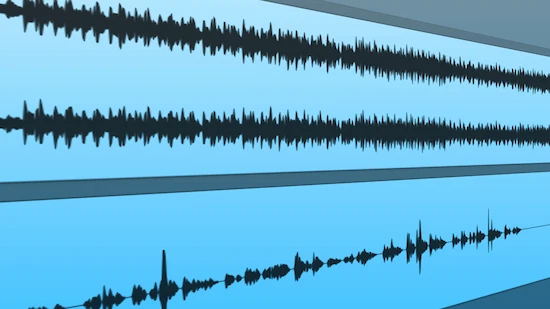 Many discussions about vinyl mastering focus on technical limitations. Groove spacing. Bass movement. Tracking behavior. Cutting considerations. All of those topics matter, but they often distract from a much larger issue: listeners don't judge a vinyl release based on technical specifications. They judge it based on the listening experience.
That difference has real consequences once a release reaches listeners.
When a streaming release has minor flaws, listeners often move on without noticing. Playback happens through phones, earbuds, laptops, smart speakers, car systems, and dozens of other environments. Vinyl is different. People tend to listen more intentionally. They sit down with the record. They pay attention. They interact with the physical product. Expectations are often higher because the listener has made a deliberate investment in the release itself.
As a result, problems that might go unnoticed during casual digital playback can become much more obvious on vinyl. Excessive distortion, unstable low end, harsh passages, inconsistent playback, or sections that feel uncomfortable to listen to do more than create technical concerns. They change how the entire release is perceived.
It's not uncommon for artists to feel completely satisfied with a digital master and then react very differently once the first test pressing arrives. Nothing had changed about the songs. The performances were identical. The production remained the same. What changed was the listener experience. Certain details suddenly drew attention away from the music itself. Instead of focusing on the songwriting, emotion, or performance, listeners became aware of playback problems.
This is particularly important for independent artists and labels investing significant money into manufacturing. Pressing records is expensive. Packaging, distribution, shipping, and inventory all add costs long before a listener drops a needle onto the record. If playback issues appear after production begins, the consequences extend far beyond technical discussions. The quality of the release itself comes into question.
Customer feedback often reflects this reality. Rarely does a buyer complain using engineering terminology. They don't usually talk about groove geometry or phase relationships. They say the record sounds harsh. They mention distortion. They notice that one section feels weaker than expected. Sometimes they simply describe the release as disappointing without understanding the technical reason behind the experience.
That is why vinyl mastering should never be viewed as a process designed solely to satisfy manufacturing requirements. The goal is much broader. Vinyl mastering helps protect the way music is experienced once it reaches real listeners. Every decision is ultimately connected to how comfortably, consistently, and confidently the record communicates the artist's work.
This listener-focused perspective becomes especially important when a release represents a major investment. Whether an artist is preparing a standalone vinyl edition of a single or planning a larger physical release, the record itself becomes part of the product. Larger physical releases introduce additional manufacturing considerations that can influence planning, scheduling, and production decisions long before records reach listeners.
At its core, vinyl mastering is not about protecting a waveform. It is about protecting the moment when a listener places a record on a turntable, lowers the stylus, and experiences the music exactly as intended. When that experience feels natural, stable, and engaging, nobody thinks about the technical work behind it. They simply enjoy the record. That's the outcome that matters.
Digital Master vs Vinyl Master
One of the most persistent misconceptions surrounding vinyl releases is the idea that a vinyl master and a digital master are fundamentally different pieces of audio. In reality, they often begin with exactly the same mix and the same artistic vision. The difference lies in the priorities. A digital master is optimized for digital playback environments. A vinyl master is optimized for physical playback stability.
At this stage, the question is no longer whether vinyl behaves differently than streaming. The real question becomes how those differences affect an actual release once manufacturing starts. What matters is preserving the emotional impact of the release while acknowledging the realities of physical playback. The songs stay the same. The playback conditions do not. Understanding those different priorities helps explain why a master that performs beautifully online may still require additional attention before manufacturing begins.
| Digital Master | Vinyl Master |
|---|---|
| Often prioritizes maximum competitive impact within digital playback environments. | Prioritizes stable physical playback while maintaining musical impact. |
| Loudness Approach: Higher loudness targets are often acceptable. | Loudness Approach: Loudness is balanced against groove and playback limitations. |
| Low-End Handling: Deep and aggressive bass can often be reproduced without physical constraints. | Low-End Handling: Bass behavior is evaluated for tracking stability and groove compatibility. |
| Stereo Information: Wide stereo imaging is generally limited only by playback systems. | Stereo Information: Stereo content must remain compatible with physical playback requirements. |
| Playback Environment: Streaming platforms, mobile devices, headphones, cars, and smart speakers. | Playback Environment: Turntables, cartridges, tonearms, and physical record playback systems. |
| Distortion Risk: Primarily related to production and playback equipment. | Distortion Risk: Includes playback-related limitations introduced by the physical format. |
| Cutting Considerations: Not applicable. | Cutting Considerations: Physical groove creation and playback reliability are part of the evaluation process. |
The important takeaway is that neither approach is inherently better. They are designed to solve different problems. A digital master focuses on surviving modern digital playback ecosystems. A vinyl master focuses on surviving the journey from cutting lathe to pressing plant to turntable without compromising the listener experience.
For vinyl releases, the key idea is simple: the mix may stay the same, the music may stay the same, but the mastering priorities often change once physical playback becomes part of the equation.
A properly prepared vinyl master is not designed to sound different for the sake of being different.
Ideally, the release retains its original character while avoiding unnecessary playback risks once transferred to vinyl. Ideally, listeners should experience the same emotional impact they heard in the approved master—without unexpected playback issues becoming part of the experience.
Discover Vinyl Translation Problems Before Manufacturing Begins
Many artists only discover vinyl playback issues after test pressings arrive. At that stage, changes become slower, more expensive, and far more frustrating. A professional mastering review can identify potential risks before cutting begins, helping you spot low-end instability, excessive loudness, harsh playback behavior, and other translation problems that may not be obvious during digital listening.
Free demo mastering available for new projects. Fast response from a real mastering engineer.
When a Separate Vinyl Master Actually Becomes Necessary
 One question comes up in almost every conversation about vinyl production:
Do you always need a dedicated vinyl master?
The honest answer is no. Most well-balanced releases can be pressed successfully without creating a completely different artistic version of the master. The need for vinyl-specific preparation usually grows as loudness, density, low-end energy, and playback demands increase.
Some releases translate surprisingly well from digital distribution to vinyl without requiring major adjustments. A well-balanced production with moderate loudness, controlled low-end energy, and reasonable dynamics may already be operating comfortably within the limits of the format. Creating a separate vinyl master simply because a project is being pressed onto vinyl doesn't automatically improve the result.
At the same time, modern productions often push much harder than that.
This is usually where vinyl translation starts affecting real production decisions.
The need for a dedicated vinyl master usually increases as production density increases. The louder, wider, heavier, and more aggressively controlled a release becomes, the more likely it is that digital priorities and vinyl priorities will begin moving in different directions.
We've seen this happen across a wide range of contemporary projects. The common factor is rarely genre itself. The real factor is production behavior. Modern releases often combine deep sub-bass, aggressive transient control, extensive saturation, wide stereo fields, and highly competitive loudness targets. Those characteristics can work extremely well in digital environments while simultaneously increasing the complexity of vinyl translation.
For example, many modern electronic productions rely on enormous low-end energy and tightly controlled dynamics. Certain hip-hop and trap releases build much of their impact around powerful bass movement and heavily saturated master buses. Some contemporary rock productions combine dense arrangements with aggressive limiting designed to maintain constant energy throughout the entire song. None of these choices are wrong. In fact, they are often essential to the artistic identity of the record.
As density increases, the margin for error becomes smaller. Decisions that work perfectly in a digital release may leave far less room for flexibility once the project moves toward vinyl production.
This is why dedicated vinyl preparation often becomes valuable for modern releases that are already operating near the practical limits of digital mastering. This is not about creating a different version of the record. It is about identifying where digital optimization may introduce unnecessary risks once the project enters vinyl production.
Some projects reveal translation issues that are difficult to address at the stereo-master level. In situations like these, additional mastering flexibility may become valuable before vinyl production begins.
The same principle appears in many streaming-oriented productions. While genres such as trap, EDM, and modern hip-hop are often associated with vinyl translation challenges, the underlying issue is not genre classification. It is production density. A carefully balanced electronic record may translate beautifully, while a heavily pushed rock production may require additional evaluation. What matters is how aggressively the master has been optimized for digital playback.
Many artists working with highly dense modern productions are often surprised to discover that the very characteristics that create excitement online can become the same characteristics that deserve closer attention during vinyl preparation.
The safest way to think about vinyl mastering is not as a mandatory extra step. Think of it as risk assessment. Some projects pass through that assessment with very few concerns. Others reveal potential issues that are far easier and less expensive to address before manufacturing begins.
Not every release requires a dedicated vinyl master. But as modern productions become louder, denser, and more demanding, the likelihood of benefiting from one increases considerably. The goal isn't changing the record. It's making sure the approved master can move into a physical format without introducing problems that never existed in the digital release. The music itself doesn't change. The challenge comes from asking that music to perform inside a completely different playback environment.
Common Vinyl Release Mistakes We See Before Manufacturing
Most vinyl playback problems do not begin at the pressing plant.
They begin weeks or even months earlier, often during decisions that seem completely reasonable at the time. By the point a project reaches manufacturing, many of the conditions that affect playback quality have already been established. That's why some of the most important vinyl-related decisions happen long before a cutting engineer ever receives the audio files.
The most common mistake is also the simplest: using a streaming master without any additional evaluation. We understand why this happens. The release sounds great online. The artist receives positive feedback. Everything appears finished. From a practical standpoint, sending the same approved master to vinyl manufacturing feels efficient. Unfortunately, digital success does not automatically guarantee vinyl compatibility.
We've seen projects where the streaming version performed exceptionally well across Spotify, Apple Music, YouTube, and social platforms, yet concerns emerged almost immediately once vinyl production entered the conversation. Nothing was technically "wrong" with the master. It simply had never been assessed through the lens of physical playback. In some cases, the artist had already approved test files, artwork, manufacturing quotes, and release dates before anyone evaluated the master specifically for vinyl. At that point, even small changes become more complicated than they should be.
In several projects, the digital release had already accumulated months of successful streaming activity before anyone evaluated the material specifically for vinyl production.
Another common issue involves side duration. Many independent artists focus heavily on mixing, mastering, artwork, and manufacturing budgets but give little attention to how much music will be placed on each side of the record. Eventually the running time begins working against the format. This is not always obvious during production because side length rarely affects digital distribution. Vinyl, however, operates within physical space limitations that cannot be ignored indefinitely.
Excessive loudness remains another frequent problem. Modern releases are often designed to feel powerful, dense, and competitive. Those qualities can work extremely well in digital environments. The challenge appears when the pursuit of loudness starts reducing flexibility during vinyl preparation. The issue isn't that loud music and vinyl are incompatible. The issue is assuming that decisions made exclusively for digital playback will always transfer without consequence.
Low-end instability creates another category of avoidable mistakes. Deep bass is a defining feature of countless contemporary productions, yet many artists only evaluate that low end through digital playback systems. Once the music moves from digital reproduction to a record groove, weaknesses that were previously hidden can become much more apparent. In some cases, the bass itself isn't the problem. The interaction between bass, stereo information, and overall playback behavior becomes the real concern.
High frequencies create their own challenges. Harsh vocals, aggressive cymbals, bright percussion, and heavily energized upper frequencies may feel exciting during digital playback. Then the vinyl test pressing arrives and those same elements draw more attention than intended. What sounded energetic online may feel fatiguing during record playback, especially on consumer turntables.
Perhaps the biggest mistake of all is assuming that digital playback and vinyl playback are essentially the same experience. They are not. They reward different decisions, expose different weaknesses, and create different listener expectations. A listener casually streaming music through earbuds may never notice issues that become obvious during a dedicated vinyl listening session.
What's interesting is that most of these problems are rarely caused by poor engineering. More often, they come from incomplete evaluation. The release was optimized for one environment and simply never assessed for another. That's a very different problem than a bad mix or a bad master.
Many of the projects that reach us for vinyl preparation are already successful releases. By the time vinyl production begins, the music itself is often proven. The release may have accumulated streams, positive feedback, and successful digital distribution. The goal is making sure those strengths survive the transition into a physical format without introducing unnecessary compromises.
If you're experiencing translation concerns that extend beyond vinyl production, our guides on common mastering problems and how to identify a problematic master explore broader diagnostic issues that can affect playback quality across multiple listening environments.
The pattern is consistent: most vinyl problems do not begin when the record is pressed. They begin when a release is prepared under the assumption that what works digitally will automatically work everywhere else.
Vinyl Test Pressings Don't Fix Problems
Many of the mistakes discussed above don't become obvious immediately. They often surface during one specific stage of production: the test pressing.
One of the most expensive misconceptions in vinyl production is the belief that test pressings exist to solve mastering problems.
They don't.
A test pressing is primarily a verification stage. It helps confirm how the finished record behaves after cutting, plating, pressing, and manufacturing. By the time a project reaches this point, most of the important mastering decisions have already been made. The record is no longer being prepared for production. Production has already started.
By the time a cutting engineer receives approved production files, many of the most important mastering decisions have already been made. That is why translation issues are easier to address before cutting begins than after manufacturing enters the workflow.
This creates a false sense of security for many artists. They assume that if something sounds wrong later, the issue can simply be corrected after hearing the test pressing. In reality, test pressings usually reveal problems rather than solve them.
A test pressing is where problems become visible, not where they disappear.
We've seen releases arrive at the test pressing stage with excessive loudness, unstable low-end behavior, aggressive sibilance, or playback distortion that wasn't obvious during digital listening. Once those issues become audible on a physical record, the available solutions are often more limited, more expensive, and far slower than they would have been during mastering.
In several cases, the original digital master had already been approved for distribution months earlier. Nothing sounded problematic online. Only after vinyl evaluation did potential cutting and playback concerns become visible. Addressing them before manufacturing was significantly easier than recutting the project later.
In practice, this often means restarting part of the production workflow. New masters must be approved, new lacquers may need to be cut, and manufacturing timelines can shift by weeks. The earlier translation issues are identified, the easier they are to manage.
In some cases, the record must be cut again. In others, production schedules get delayed while revised masters are prepared and approved. Manufacturing costs increase. Release dates move. None of these outcomes are caused by the test pressing itself. The test pressing simply exposes decisions that were already present in the delivered master.
By this stage, lacquer cutting, plating, and manufacturing preparation have already consumed time and budget. That is exactly why experienced production teams try to identify translation issues before the project reaches the pressing plant.
That is why experienced labels and mastering engineers treat test pressings as confirmation rather than correction. The goal is to identify potential translation risks before manufacturing begins, not after physical copies already exist.
A successful test pressing should answer one question: does the record translate as expected? If the first time major problems become apparent is during the test pressing stage, the release is already much further into the production process than most artists realize.
Why Problems Become Expensive After Lacquer Cutting
Many artists assume that any remaining issues can be addressed later if something unexpected appears during production. In reality, the cost of a problem often has less to do with its severity and more to do with when it is discovered.
During mastering, adjustments are usually straightforward. The project is still flexible. Decisions can be reviewed. Potential translation concerns can be evaluated before they affect anything else. Once the release moves deeper into production, that flexibility begins to disappear.
After lacquer cutting, manufacturing preparation, and production scheduling have already started, even relatively small revisions can create consequences beyond the audio itself. Approval timelines may need to be revisited. Manufacturing schedules may need to be adjusted. Release plans that seemed finalized suddenly become less predictable. Approved masters, manufacturing schedules, and release commitments may suddenly need to be reconsidered.
We've seen situations where a concern that could have been addressed quickly during mastering became significantly more expensive simply because it was discovered later. The issue itself was not necessarily severe. The timing was.
We've seen projects where a revision that would have taken hours during mastering ended up affecting manufacturing schedules that had already been booked weeks in advance.
That reality explains why experienced production teams focus heavily on identifying vinyl translation risks before manufacturing begins. The earlier a potential problem is found, the more options remain available. The later it appears, the more decisions, schedules, and budgets become connected to the outcome.
A record release is rarely just an audio project. It is a production project. Manufacturing deadlines, artwork approvals, distribution plans, pre-orders, and release dates often depend on one another. When a revision becomes necessary late in the process, the impact can extend far beyond the master itself.
That doesn't mean every vinyl release requires extensive changes. Most don't. It simply means that evaluating potential playback issues before production begins is usually easier, faster, and less expensive than discovering them after the release is already moving toward manufacture.
Vinyl Mastering for Independent Artists and Labels
Independent artists now account for a significant share of modern vinyl releases.
A significant percentage of today's vinyl releases are not coming from major labels with massive manufacturing budgets and dedicated production departments. They are coming from independent artists, boutique labels, crowdfunding campaigns, community-supported projects, and direct-to-fan releases. Across the United States, thousands of musicians are using vinyl not simply as a distribution format, but as a way to create a stronger connection with their audience.
Suddenly, vinyl preparation becomes less about format delivery and more about protecting the investment behind the release.
For a major commercial release, manufacturing costs are often spread across large production volumes. Independent projects rarely have that luxury. A limited vinyl run of a few hundred copies represents a meaningful investment. With smaller production runs, decisions that seem minor on paper often have a much larger impact on the final release. A limited vinyl edition is rarely just about the music. Artwork, packaging, manufacturing quality, and the listening experience all become part of the product people are paying for.
For many independent releases in the United States, manufacturing costs can easily exceed the cost of mixing and mastering combined. That reality changes how production risks should be evaluated before pressing begins.
This is exactly where vinyl mastering becomes a production decision rather than a technical one. When an artist is funding a project personally, running a crowdfunding campaign, or selling records directly to fans, there is much less room for avoidable playback issues. Every copy placed into a listener's hands becomes part of the artist's reputation.
We've worked with projects where vinyl represented the most valuable physical product in the entire release strategy. The artist wasn't expecting millions of streams. They weren't building a major retail campaign. Instead, they were offering a carefully produced record to dedicated supporters who genuinely wanted a physical connection to the music. In situations like these, listeners tend to be highly engaged. They read liner notes. They study artwork. They listen actively. Small playback issues become far more noticeable when attention levels are that high.
Boutique labels face a similar challenge. Many specialize in niche genres, collector-focused releases, and limited-edition pressings. Their audiences often own quality playback systems and purchase records specifically because they value the listening experience. A release that translates well on vinyl helps reinforce trust between the label and its audience. A release that suffers from avoidable playback problems can have the opposite effect.
The growth of direct-to-fan sales has made this even more relevant. Artists no longer rely exclusively on traditional retail channels. Vinyl records are frequently sold through artist websites, Bandcamp campaigns, touring merchandise tables, fan clubs, and community-supported pre-orders. In these situations, every record shipped directly to a supporter becomes a representation of the artist's brand. The quality of the listening experience carries real long-term value.
This is why vinyl mastering should never be viewed as an optional luxury reserved for large commercial projects. In many cases, the opposite is true. The more significant the manufacturing investment becomes relative to the size of the release, the more important it is to reduce unnecessary risks before production begins.
Every vinyl release involves trade-offs. The goal is deciding where those trade-offs happen before they reach the listener.
What artists and labels really need is trust in the final result. The finished record should represent the music they approved, not introduce distractions that shift attention away from the songs themselves.
When listeners drop the needle onto a record, they should be thinking about the music, not the playback. That's ultimately what successful vinyl preparation is designed to protect.
For many independent musicians, this evaluation process naturally connects with broader questions about release planning and production budgets.
For independent artists, the calculation is straightforward: pressing vinyl is a substantial commitment. Whether the release involves a boutique label, a limited pressing, a crowdfunding campaign, or a direct-to-fan launch, the investment placed into manufacturing makes mastering decisions more important—not less. Once records have been produced and shipped, playback problems become expensive. Evaluating those risks beforehand is usually the smarter move.
Manufacturing Is Expensive. Problems Get More Expensive.
Once records enter production, changing course becomes expensive, time-consuming, and sometimes impossible. Whether you're planning a limited vinyl run, a label release, a crowdfunding campaign, or a direct-to-fan pressing, mastering decisions deserve attention before manufacturing begins. Our studio evaluates how your music translates beyond digital playback and helps ensure your release is prepared for the realities of vinyl production without sacrificing the impact of the original master.
Free demo mastering available for new clients. Hear the result before committing to a full release.
Frequently Asked Questions
What is vinyl mastering?
Vinyl mastering is the process of preparing music for reliable transfer to a physical record. While a digital master is optimized for streaming and digital playback systems, a vinyl master considers the limitations of groove cutting, physical playback, tracking stability, and the behavior of turntables. The goal is to preserve the intended sound while ensuring the record plays back consistently across different systems.
Can I use my Spotify master for vinyl?
Sometimes, yes. Many projects can be transferred successfully without major changes. However, modern streaming masters are often optimized for digital playback environments and may contain characteristics that create challenges during vinyl production. Evaluating the master before manufacturing helps identify potential risks before they become expensive problems.
Why does loudness create problems on vinyl?
As loudness increases, the physical demands placed on the record groove often increase as well. Extremely dense and heavily limited masters can reduce flexibility during cutting and playback. This doesn't mean loud music cannot work on vinyl. It simply means that loudness decisions should be evaluated differently when a physical format is involved.
Does vinyl require a separate master?
Not always. Some releases translate very well from digital distribution to vinyl without requiring significant adjustments. The need for a dedicated vinyl master usually increases as productions become louder, denser, wider, and more aggressive. Modern streaming-oriented releases are often the most likely to benefit from additional vinyl-specific evaluation.
What happens if bass is too wide for vinyl?
Excessive stereo movement in low frequencies can reduce playback stability and create additional challenges during the cutting process. In some cases, listeners may experience weaker bass definition, tracking difficulties, or reduced playback consistency. This is one reason low-end behavior receives special attention when preparing music for vinyl.
Can clipping affect vinyl playback?
Yes. Clipping that sounds acceptable in a digital environment may contribute to additional challenges when transferred to a physical format. The impact depends on the severity of the clipping and how it interacts with the rest of the master. As discussed in our guide on loudness and clipping in mastering, aggressive clipping combined with high playback levels can increase the likelihood of distortion and tracking-related issues once music is transferred to a physical format.
How long can each vinyl side be?
There is no single universal limit because playback quality depends on loudness, frequency balance, groove spacing, and cutting requirements. As a general guideline, many commercial releases aim for approximately 18–22 minutes per side. Longer sides are certainly possible, but they often require additional compromises that can affect playback quality and loudness potential. This is why side duration should be considered during release planning rather than after manufacturing begins.
When should vinyl mastering be done during production?
Ideally, vinyl considerations should be evaluated before audio files are delivered for cutting and manufacturing. The earlier potential translation issues are identified, the easier they are to address. Waiting until test pressings reveal problems can increase costs, delay production schedules, and limit available solutions.