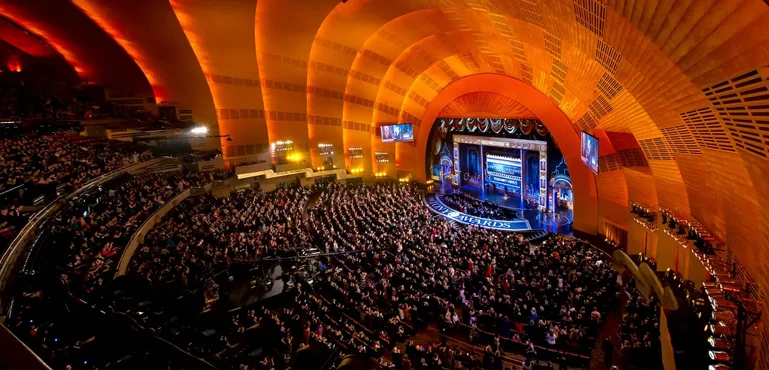
In San Diego, release timing is rarely abstract. It’s tied to real stages, real crowds, and real booking windows. A band plays The Observatory North Park, lands a supporting slot at House of Blues in the Gaslamp Quarter, or secures a weekend at The Casbah — and suddenly the question isn’t “Should we mix?” but “Can we finish this before the next show?”
Unlike purely studio-driven cities, San Diego operates on a coastal performance cycle. Spring and summer compress timelines. Tourist season increases venue traffic. Major events like Comic-Con week tighten availability across downtown. Add LA booking spillover and you get a very specific challenge: mixing turnaround must be planned strategically, not reactively.
This guide breaks down how remote mixing turnaround actually works in San Diego, how long projects realistically take, and how to align your release with show schedules without paying unnecessary rush fees.
How Remote Mixing Turnaround Actually Works (And Why Artists Misjudge It)
 Most artists underestimate mixing timelines because they only see the visible stage: “the mix.” In reality, the process moves through structured phases that determine speed and predictability.
A project begins with file review. This is where stems are checked for consolidation, clipping, sample-rate consistency, and completeness. If this stage reveals problems — common after live recordings in North Park or East Village venues — the timeline already shifts before mixing begins.
The first mix pass follows. This is not a final product. It’s a structural interpretation of balance, vocal placement, spatial decisions, and low-end control. In remote workflows, this stage is typically delivered within several business days for clean studio projects and longer for live multitrack material.
Revisions then refine decisions. A revision is not a new arrangement or re-record; it is adjustment within an agreed creative direction. Projects with clear feedback cycles move quickly. Projects with scattered, piecemeal feedback extend naturally.
Mastering occurs only after mix approval. It finalizes loudness, tonal balance, and translation across systems, preparing the track for streaming or distribution.
Understanding these stages is the foundation of planning mixing turnaround in San Diego.
Why San Diego Timelines Are Different From Other Cities
San Diego’s live scene shapes production behavior. In North Park and the Gaslamp Quarter, artists often perform multiple times within short windows. A track debuted at a show one weekend may be expected online before the next appearance.
Summer season intensifies this pressure. Tourism-driven foot traffic increases venue bookings. Downtown congestion during Comic-Con week affects both rehearsal and post-production scheduling. Engineers, producers, and musicians alike face compressed windows.
Additionally, LA proximity influences release timing. Artists often coordinate San Diego and Los Angeles performances, which shortens preparation cycles.
Because of these local dynamics, mixing turnaround in San Diego must be built backward from show dates, not forward from file delivery.
— See also: San Diego Stem Export Guide: How to Send Files After a Live Show for Online Mixing —
Realistic Mixing Timelines for San Diego Projects
 A clean single recorded in a controlled studio environment typically requires one to three business days for initial file review and preparation. The first mix pass may follow within several additional days. With one or two focused revision rounds and mastering, total completion often falls within approximately one to two weeks, provided stems are prepared correctly and feedback is centralized.
A live multitrack recording captured at The Observatory North Park or a Gaslamp venue requires more time. Phase alignment between drum microphones, bleed control, crowd noise management, and dynamic correction add technical depth before creative mixing even begins. Such projects commonly extend into a two-to-three-week window, depending on editing complexity and revision cycles.
For multi-track projects such as EPs scheduled around festival slots, planning must expand further. Consistency between tracks, tonal continuity, and album-level mastering decisions demand coordination. A realistic planning window may extend four to six weeks, especially if targeting summer show cycles.
In San Diego, underestimating this difference between studio singles and live captures is the most common scheduling mistake.
The Cost of Rushing Before a Show
Rush fees are not arbitrary. They exist because compressed schedules require reallocation of engineer time. In San Diego, rush situations most frequently arise before downtown weekend shows, seasonal festival announcements, or promotional pushes aligned with tourism peaks.
When a project enters rush mode, feedback cycles shorten. Decisions become faster, not always better. Additional editing time may incur extra cost. Mastering may be expedited, reducing revision flexibility.
Strategic planning avoids these costs. Most artists can prevent rush scenarios simply by submitting files earlier and organizing feedback efficiently.
60-Second Timeline Readiness Check
Before sending files for mixing, ask yourself a few critical questions. Are all stems consolidated from bar one? Has vocal comping been finalized? Is tuning complete? Is feedback likely to come from a single document rather than multiple scattered messages? Are reference tracks ready?
If the answer to any of these is no, your timeline is already expanding.
San Diego’s live-driven workflow rewards preparation. Artists who treat post-show exports seriously move through remote mixing faster than those who wait until the next gig approaches.
How to Align a Release With San Diego Show Cycles
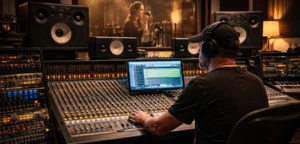 If performing in North Park or the Gaslamp Quarter, aim to finalize mastering at least ten to fourteen days before the performance date. This allows time for streaming distribution, playlist pitching, and promotional content.
For festival-related appearances or summer bookings, extend that window further. A three-to-four-week buffer allows flexibility for revisions and promotional rollout.
If coordinating shows between San Diego and Los Angeles, consider transportation time and rehearsal windows as part of your production calendar. Many delays come not from mixing itself but from divided attention during performance weeks.
The strongest San Diego releases are not the fastest — they are the best-timed.
What Counts as a Revision (And Why It Matters)
Clarity around revisions protects deadlines. A revision typically means adjustments to balance, tone, vocal level, spatial effects, or dynamic intensity within an established arrangement. It does not include rewriting song sections, replacing instruments, or major structural changes.
Projects without clear revision boundaries often stall. Unlimited revision promises may sound attractive, but they frequently indicate undefined workflow. In high-demand periods, especially during summer event cycles, structured revision policies ensure delivery predictability.
Understanding this protects both timeline and budget.
Evaluate Before You Commit
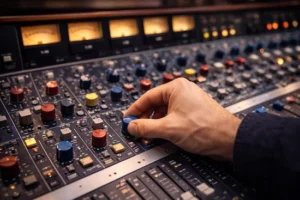 If you’re unsure whether your track is timeline-ready or needs deeper work before scheduling full mixing, AREFYEV Studio offers a free demo mastering option. This allows you to hear how your current mix translates and whether technical or balance issues should be addressed first. It’s a practical way to test readiness without locking into a full project timeline.
How Preparation Prevents Delays in San Diego Projects
 The majority of timeline issues in San Diego are not caused by mixing complexity. They stem from incomplete preparation.
Live recordings often arrive without consolidated start points. Home studio projects may include inconsistent sample rates. Beat-based singles sometimes lack organized vocal stacks. Each of these adds time before mixing even begins.
Clean, consistent stems dramatically accelerate remote workflows. When files are structured correctly, the engineer can focus on creative decisions instead of technical repairs.
In a city where show cycles move quickly, this distinction matters.
Remote vs Local Studio Timeline Logic
Local studios in Mission Valley or East Village are ideal for tracking sessions and live recordings. However, their booking schedules may not align with rapid post-production needs. Studio time must be reserved in advance, and revisions may require recall sessions.
Remote mixing eliminates physical scheduling constraints. Files move digitally. Feedback cycles occur asynchronously. Projects can progress without waiting for studio room availability.
For San Diego artists balancing rehearsals, gigs, and cross-city travel, this flexibility often translates into faster real-world turnaround.
A Sample San Diego Timeline (Realistic Planning Model)
Imagine a band finishing a show at House of Blues on a Saturday. By Sunday night, stems are consolidated and uploaded. File review occurs Monday. The first mix pass arrives midweek. Revisions are submitted in a single document the next day. Final mix approval happens within days. Mastering follows immediately, and distribution begins early the following week.
With proper preparation, a two-week total window is achievable without rush fees.
Without preparation, the same project may extend unpredictably.
Why Mixing Turnaround San Diego Requires Strategy
The phrase mixing turnaround San Diego is not just a search term — it reflects a regional behavior pattern. Artists here operate inside live cycles, coastal tourism compression, and festival-adjacent momentum. Success depends on understanding that production is part of performance strategy, not separate from it.
Plan backward from your show. Protect revision windows. Prepare stems correctly. Communicate clearly. These factors influence release success more than speed alone.
Conclusion
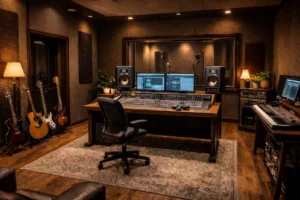 San Diego’s music scene moves fast, especially in North Park, the Gaslamp Quarter, and during peak summer months. But fast does not mean rushed. A structured remote mixing workflow, aligned with real show calendars and realistic revision cycles, creates releases that are both timely and polished.
If you want a clear timeline and predictable turnaround for your San Diego project, AREFYEV Studio can review your files and provide a realistic schedule and quote. Order professional online mixing and mastering for your San Diego release and align your next show with a confident, release-ready track.
FAQ
How long does mixing take in San Diego?
– For a clean studio single, mixing and mastering can take 1–2 weeks. Live multitrack recordings from venues like The Observatory North Park usually require 2–3 weeks due to editing and phase alignment.
Can I finish a mix before a North Park show in two weeks?
– Yes, if stems are prepared correctly and feedback is centralized. Tight schedules may require structured revision limits to stay on track.
Is remote mixing fast enough for festival deadlines?
– Often yes. Remote workflows eliminate studio booking delays, which can make them faster than traditional studio recall sessions.
What slows down mixing turnaround the most?
– Unconsolidated stems, scattered feedback, and late arrangement changes are the most common causes of delay.
How many revisions are normal?
– Most professional workflows include 1–2 focused revision rounds. Clear boundaries protect both quality and deadlines.