Audio production affiliate marketing offers a way to build an online business around music technology, recording equipment, audio software, and professional engineering services. Instead of developing products or handling transactions, affiliates earn commissions by referring potential customers to companies whose products or services match their audience’s needs.
The audio market covers several distinct customer segments. Music producers purchase plugins, digital audio workstations, sample libraries, studio monitors, headphones, and recording equipment. Independent artists and professional studios also require specialized services, including mixing, mastering, vocal editing, and audio restoration. Each segment presents different referral opportunities, commission structures, and customer acquisition challenges.
However, placing affiliate links on a website is not a business strategy. A sustainable operation requires a clearly defined niche, relevant commercial partnerships, a reliable source of qualified traffic, and a content structure designed to connect audience needs with appropriate offers. Conversion tracking is equally important: without performance data, it is difficult to distinguish a commercially viable channel from one that generates traffic without revenue.
This guide examines how to establish an audio affiliate business, from selecting a market and building a partnership strategy to developing content, acquiring targeted traffic, measuring conversions, and improving revenue performance.
1. Choose a Specific Audio Affiliate Niche
 Start by identifying the segment of the audio industry you intend to serve. A business that attempts to promote every type of music production product from day one will struggle to establish a clear editorial focus, build topical authority, and attract a consistent audience.
A specialized niche gives you a more defined customer profile and makes it easier to align content with purchasing decisions. It also allows you to develop partnerships across complementary product and service categories without diluting the website’s focus.
Popular Audio Affiliate Business Niches
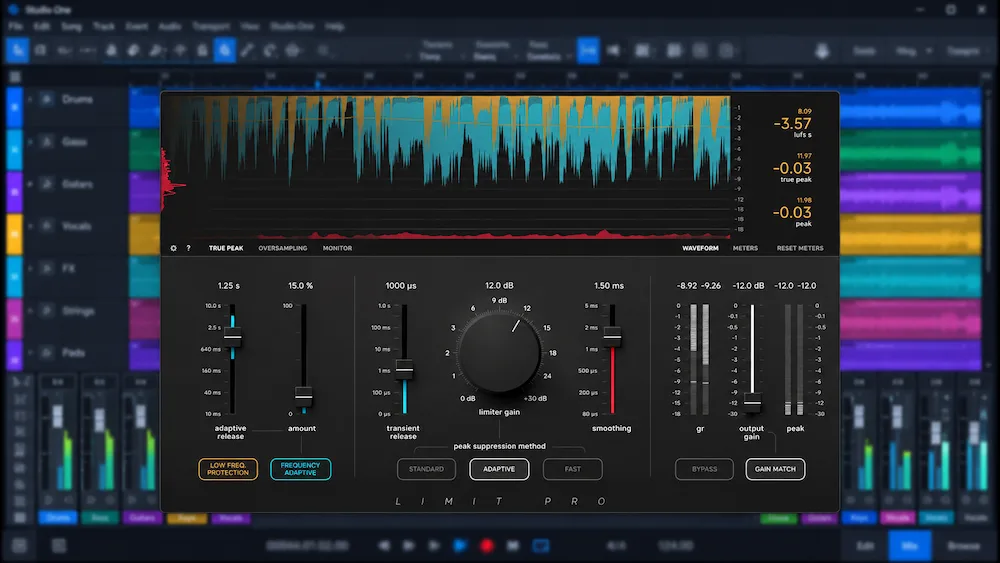
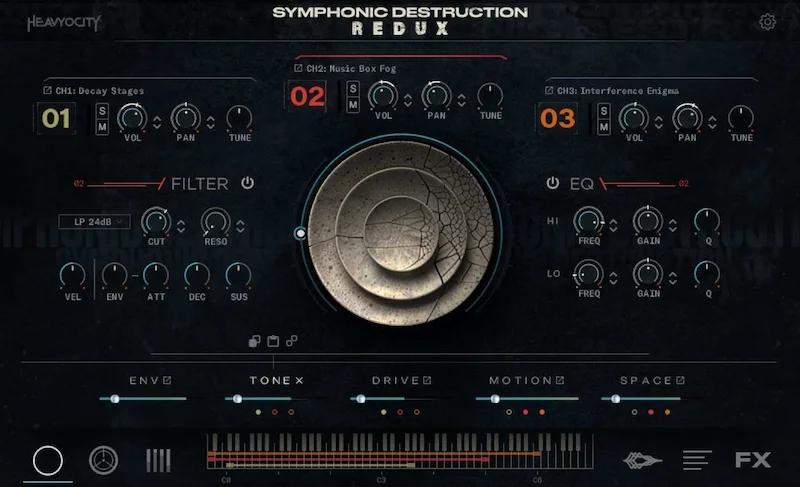
- Audio plugins and software: Equalizers, compressors, limiters, reverbs, synthesizers, virtual instruments, vocal processors, and mastering tools.
- Recording equipment: Audio interfaces, microphones, studio headphones, monitor controllers, and recording accessories.
- Music production technology: Digital audio workstations (DAWs), MIDI controllers, sample libraries, virtual instruments, and production software.
- Mixing and mastering: Audio processing tools, monitoring solutions, educational resources, and online engineering services.
- Podcast and voice production: Microphones, audio interfaces, editing software, noise reduction tools, and remote production services.
- Professional audio services: Online mixing, mastering, stem mastering, vocal editing, and audio restoration.
These categories have different commercial characteristics. Equipment-focused publishers typically need to address product specifications, compatibility, build quality, and price comparisons. Plugin-focused websites can concentrate on software reviews, workflow applications, and comparisons between processing tools. Professional audio services introduce a different referral model: instead of recommending another piece of equipment, publishers connect artists with engineers who can handle specific production tasks.
Evaluate the Commercial Potential of Your Niche
Before investing in a website or content strategy, assess whether the selected market offers realistic opportunities to generate qualified referrals and commissions. Consider the following factors:
- Audience demand: Are musicians, producers, or audio professionals actively searching for products and services in this category?
- Purchase frequency: How often does the target audience invest in new equipment, software, subscriptions, or professional services?
- Average transaction value: Are typical purchases large enough to support meaningful commissions after accounting for the applicable referral rate?
- Competition: Can a new publisher compete with established review websites, technical publications, and specialist retailers?
- Content opportunities: Can you produce original reviews, technical comparisons, and practical tutorials rather than republishing manufacturer descriptions?
- Partnership availability: Do relevant manufacturers, retailers, software developers, and service providers accept affiliates from your target countries and allow promotion through your intended channels?
Search volume alone is a poor measure of commercial potential. A broad keyword may generate substantial traffic while attracting visitors who have no immediate purchasing requirements. A smaller audience searching for a specific mastering tool or professional mixing service may generate more valuable referrals.
For a new audio affiliate business, a focused niche with identifiable customer needs and realistic conversion opportunities is generally a stronger starting point than a broad website attempting to cover the entire music production market.
2. Define Your Affiliate Business Model
After selecting a niche, determine how your business will attract potential customers and generate referrals. The operating model affects everything from content production and audience acquisition to partnership management and conversion tracking. Three approaches are particularly relevant to the audio industry: a specialized affiliate website, a product review platform, and an independent referral network.
Build a Specialized Affiliate Website
A dedicated website gives you control over editorial content, search engine optimization, page architecture, and referral tracking. You can organize information into topic clusters that address specific production workflows, technical problems, product categories, and purchasing decisions.
For example, a website focused on mastering could cover loudness management, dynamic range, monitoring accuracy, delivery specifications, and mastering workflows. Supporting commercial content could evaluate relevant software, monitoring equipment, and professional mastering services.
The objective is to build a connected content structure in which informational articles attract relevant search traffic, while product comparisons, reviews, and service recommendations provide appropriate referral opportunities. Internal linking should guide readers toward relevant resources without forcing commercial recommendations into unrelated technical content.
Develop a Product Review Platform
A product review platform focuses on evaluating audio equipment and software to help readers make informed purchasing decisions. Its value depends on the depth and reliability of the technical analysis, not the number of products covered.
For audio plugins and production equipment, useful evaluation criteria include:
- Processing capabilities: Available controls, signal processing functions, routing options, and supported operating modes.
- Technical performance: Relevant specifications, processing behavior, latency, and CPU usage where these can be reliably assessed.
- Workflow integration: How the product fits into recording, mixing, mastering, and common DAW workflows.
- Compatibility: Supported DAWs, plugin formats, operating systems, and hardware requirements.
- Practical applications: The production tasks and technical problems the product is designed to address.
- Competitive positioning: Meaningful differences from alternative products in terms of functionality, workflow, and cost.
Original measurements, controlled product testing, audio demonstrations, and clearly documented observations can make a review substantially more useful than a summary of manufacturer specifications. Distinguish verified technical information from subjective assessments, and disclose when an evaluation is based on published specifications rather than independent testing.
Build an Independent Referral Network
An audio affiliate business does not have to depend entirely on search traffic or product reviews. Another approach is to establish direct referral relationships with musicians, recording studios, educators, producers, and other professionals who regularly interact with potential customers.
In this model, you develop partnerships with relevant companies and service providers, then introduce potential clients through tracked referral links, unique codes, or other approved attribution methods. The commercial arrangement may involve commissions on qualifying purchases or completed services.
This model is particularly relevant to professional audio services, where customers often need more than a product recommendation. Choosing a mixing or mastering engineer, for example, involves evaluating technical competence, service suitability, communication, pricing, and the ability to meet specific production requirements. A referral from a trusted industry contact can therefore carry more weight than a conventional product advertisement.
For publishers and professionals with established relationships in the music industry, a referral network can complement a content-based affiliate business and provide an additional source of qualified leads.
3. Establish Your Affiliate Infrastructure
An audio affiliate business needs a practical infrastructure for publishing content, managing referral relationships, tracking performance, and handling the operational side of the business. The initial setup does not need to be expensive or technically complex. A functional website, reliable analytics, and a consistent system for managing affiliate links are enough to begin validating the business model.
Set Up a Dedicated Website
A self-hosted website gives you greater control over content, site architecture, analytics, and search engine optimization than relying exclusively on third-party publishing platforms. It also provides a permanent destination for your editorial content and referral links.
WordPress is a practical option for building an audio affiliate website. Its content management system supports custom page structures, SEO plugins, analytics integrations, and affiliate link management. You can start with a relatively simple configuration and add functionality as traffic and partnership activity grow.
A functional website should include the following elements:
- Homepage: Establish the website’s subject, target audience, editorial focus, and main content categories.
- Product categories: Organize articles around relevant audio technologies, equipment, software, and services.
- Reviews and comparisons: Provide detailed evaluations that help readers assess products and make purchasing decisions.
- Educational resources: Publish technical tutorials addressing specific recording, mixing, mastering, and production problems.
- About page: Explain the publisher’s background, technical expertise, and editorial approach.
- Contact page: Provide a communication channel for manufacturers, service providers, potential partners, and readers.
- Affiliate disclosure: Clearly explain when links may generate commissions or other compensation.
- Privacy and legal pages: Address applicable privacy, cookie, data collection, and website compliance requirements.
Keep the initial architecture focused. A new affiliate website does not need dozens of empty categories or a large volume of thin content. Every category and landing page should serve a defined editorial or commercial purpose.
Choose Your Traffic Acquisition Channels
Your infrastructure should reflect how you intend to attract visitors. An SEO-driven website requires a technically sound publishing platform, crawlable page architecture, and effective internal linking. A video-focused operation needs a repeatable production workflow, while an email-driven business requires a subscriber management system and a consistent distribution process.
The main acquisition channels available to audio affiliate publishers include:
- Organic search: Attract visitors through technically informed product reviews, comparisons, tutorials, and search-focused landing pages.
- YouTube: Publish product demonstrations, workflow explanations, plugin comparisons, and recording or mastering tutorials. For a platform-specific monetization strategy, see our guide to monetizing a music production YouTube channel.
- Email marketing: Build a subscriber base and distribute relevant educational content, product updates, and carefully selected recommendations.
- Social media: Share production techniques, technical insights, demonstrations, and editorial content with relevant audiences.
- Professional communities: Participate in discussions among musicians, producers, and audio engineers, providing useful information rather than relying on repetitive promotional posts.
- Direct partnerships: Develop referral relationships with educators, recording studios, production channels, and specialized publishers.
Do not attempt to operate every channel from the beginning. Choose one primary acquisition channel and one supporting channel based on your existing skills, available resources, and audience access. Establish a repeatable publishing and distribution process before expanding into additional platforms.
4. Build a Content System That Generates Referrals
 For an audio affiliate business, content is the primary mechanism for attracting potential customers and directing them toward relevant offers. However, publishing more articles does not necessarily increase commissions. Each page should serve a specific purpose, whether it attracts search traffic, addresses a technical problem, compares available solutions, or helps readers make a purchasing decision.
An effective content strategy distinguishes between informational searches and commercial research. Informational content establishes relevance and attracts an audience, while product evaluations, comparisons, and service recommendations address visitors who are actively considering a purchase or professional solution.
Create Content Around Specific Customer Problems
Audio professionals generally search for products because they need to solve a particular production problem or improve an existing workflow. A mastering engineer might be evaluating true-peak control, a producer might need a more suitable monitoring setup, and an independent artist might be looking for professional mastering before releasing a track.
These situations provide a more useful starting point for content development than simply selecting products with available affiliate programs.
For example, a website focused on mastering technology could address topics such as:
- How to Control Low-Frequency Energy During Mastering.
- How to Choose a True-Peak Limiter for Streaming Releases.
- What to Consider When Choosing an Audio Interface for a Mastering Studio.
- How Different Stereo Imaging Plugins Affect Width and Mono Compatibility.
- Monitoring Considerations for a Small Home Mastering Room.
These topics attract readers with identifiable technical requirements. Where appropriate, an article can introduce relevant plugins, monitoring equipment, or professional services as potential solutions. The recommendation should follow from the technical discussion rather than determine its content.
Use Commercial Content Formats
Different editorial formats address different stages of the purchasing process. A useful affiliate website combines educational material with content that helps readers evaluate specific products and services.
- Product reviews: Examine a specific plugin, hardware device, or professional service, including its functionality, limitations, and intended applications.
- Head-to-head comparisons: Analyze meaningful differences between competing solutions, such as processing capabilities, workflow, compatibility, and pricing.
- Buying guides: Help readers evaluate available options against their budget, technical requirements, and production environment.
- Problem-solving tutorials: Explain practical approaches to production challenges and identify tools that may be appropriate for specific tasks.
- Workflow guides: Examine how particular products fit into recording, mixing, mastering, or post-production workflows.
- Case studies: Document a specific production workflow or technical application, making clear which results are measured, observed, or based on documented project information.
Commercial relevance is essential. A tutorial about vocal editing should not contain unrelated recommendations for studio monitors simply because those products also have affiliate programs. Every referral link should have a clear connection to the problem being discussed and provide a legitimate next step for the reader.
Build Topic Clusters Instead of Publishing Random Articles
A topic cluster is a group of related pages connected through deliberate internal linking. Instead of treating every article as an isolated publication, this structure organizes content around a broader subject and allows readers to move between technical explanations, product evaluations, and relevant commercial resources.
For example, a website focused on mastering technology could organize its editorial content into several clusters:
- Mastering tools: Limiter reviews, equalizer comparisons, loudness metering, and stereo processing tools.
- Monitoring: Studio monitor comparisons, headphone evaluations, room acoustics, and monitoring calibration.
- Mastering techniques: Dynamic range management, true-peak control, tonal balance, and streaming delivery requirements.
- Professional services: Online mastering, stem mastering, and specialized audio production services.
Each cluster should provide enough informational depth to address its subject while incorporating commercial pages where they genuinely fit. Internal links should connect related resources based on their relevance to the reader, not simply to increase the number of links between pages.
This structure also helps identify content gaps. If a cluster contains several technical tutorials but no useful product comparisons, for example, there may be an opportunity to create additional pages that address the evaluation stage of the purchasing process.
5. Attract Qualified Traffic to Your Affiliate Business
Traffic acquisition directly affects the commercial potential of an audio affiliate business, but total visitor numbers reveal little about its ability to generate commissions. A website attracting thousands of visitors researching general audio concepts may produce fewer referrals than a smaller publication reaching producers who are actively evaluating specific plugins, equipment, or professional services.
The objective is to attract visitors whose technical requirements and purchasing interests align with the products and services you promote. This requires selecting the right search topics, understanding user intent, and building content around commercially relevant queries.
Prioritize Search Intent
Keyword research should identify not only what people search for but also what they expect to accomplish when they visit a page. In the audio industry, similar technical subjects can attract users at very different stages of the purchasing process.
Consider the following examples:
- Informational: What Is Audio Mastering?
- Problem-oriented: How to Reduce Harshness in a Vocal Mix.
- Commercial investigation: Best Mastering Limiter Plugins.
- Transactional: Buy a Professional Mastering Plugin.
These queries indicate different levels of commercial intent. Informational content can attract users who are still learning about a subject, while product comparisons and buying guides reach visitors evaluating specific solutions. Transactional searches are more directly associated with purchasing decisions, although their traffic volume may be lower.
Tools such as Google Search Console and Ahrefs can help evaluate search demand, keyword difficulty, competing pages, and the queries already generating impressions and clicks for your website. Examine the actual search results as well: the pages ranking for a keyword provide useful evidence of the content format and level of detail search engines consider relevant to that query.
Do not pursue every keyword in your niche. Prioritize topics where you can provide stronger technical coverage, produce genuinely useful content, and compete with existing publications. A realistic assessment of ranking difficulty and the commercial value of the expected traffic is more useful than selecting keywords based on search volume alone.
Develop a Repeatable Publishing Schedule
A sustainable editorial process is more valuable than publishing a large volume of articles without sufficient research or technical depth. Product reviews, equipment comparisons, and engineering tutorials often require substantial preparation, particularly when accurate specifications, compatibility, and practical applications need to be evaluated.
A small affiliate website could begin with a monthly publishing schedule such as:
- Two detailed product reviews.
- Two technical tutorials.
- One product comparison.
- One comprehensive buying guide.
This is an example of an editorial workload, not a recommended publishing frequency or a search ranking formula. The appropriate schedule depends on available resources, research requirements, competition, and the complexity of the subject matter.
Allow sufficient time for technical verification, original analysis, editing, and internal linking. For audio-related publications, inaccurate specifications or superficial product evaluations can undermine credibility, particularly when readers rely on the information to make equipment or software purchasing decisions.
6. Track Clicks, Conversions, and Affiliate Revenue
An audio affiliate business should be managed using measurable performance data rather than assumptions about which articles, traffic sources, or partnerships generate revenue. Without reliable tracking, it is difficult to determine whether a content strategy attracts potential customers or simply generates visits without meaningful commercial activity.
Performance analysis should connect the entire referral process: where visitors come from, which pages they read, which affiliate links they follow, and whether those referrals result in qualifying transactions. This makes it possible to identify commercially effective content and allocate resources accordingly.
Essential Affiliate Performance Metrics
- Impressions: The number of times a page or promotional asset is displayed in search results or another distribution channel.
- Visitors: The number of users reaching your website or a specific landing page. Distinguish between users and sessions when analyzing traffic.
- Outbound clicks: The number of interactions that take visitors from your website to an affiliate partner’s website.
- Click-through rate (CTR): The percentage of visitors or page views that result in an affiliate link click. Define the denominator consistently when comparing performance.
- Conversion rate: The percentage of tracked affiliate referrals that result in a qualifying purchase or other commission-generating action.
- Earnings per click (EPC): The average commission generated per tracked affiliate click, calculated over a defined reporting period.
- Average commission: The average amount earned per qualifying transaction after applicable commission adjustments.
- Refund and cancellation rate: The proportion of transactions that are refunded, canceled, reversed, or otherwise excluded from commission payments.
Use a Simple Revenue Model
A basic revenue model helps estimate the financial potential of an affiliate campaign and compare different promotional opportunities.
Estimated affiliate revenue = Affiliate clicks × Conversion rate × Average commission.
Consider the following hypothetical example:
| Metric | Example |
|---|---|
| Monthly affiliate clicks | 1,000 |
| Conversion rate | 2% |
| Qualifying conversions | 20 |
| Average commission | $15 |
| Estimated monthly revenue | $300 |
This example assumes that all 1,000 clicks are eligible for attribution, that the 2% conversion rate applies to those clicks, and that all 20 transactions qualify for the stated commission. Actual results depend on traffic quality, offer relevance, attribution windows, tracking accuracy, transaction approval, and cancellations.
Gross affiliate commissions should also be distinguished from operating profit. Account for website hosting, content production, software subscriptions, paid advertising, payment processing, and other business expenses when evaluating the financial performance of a campaign.
Implement Reliable Tracking
Start with the reporting systems provided by your affiliate partners. Depending on the program, the dashboard may report referral clicks, attributed transactions, pending commissions, approved earnings, rejected conversions, and completed payments. These records are particularly important because a tracked click does not necessarily become an approved commission.
For website analytics, Google Analytics 4 can measure outbound link interactions and help identify which landing pages generate affiliate clicks. Google Search Console provides complementary data about organic search impressions, clicks, queries, and landing pages. Combining these sources helps connect search performance with referral activity, although neither independently verifies the commissions reported by an affiliate network.
Where supported, use consistent campaign identifiers and descriptive tracking parameters to distinguish individual articles, promotional channels, and campaigns. Preserve the original affiliate tracking parameters and follow the partner’s URL requirements. Modifying referral links incorrectly can interfere with attribution or violate program conditions.
A simple spreadsheet can provide an additional overview of partnership performance:
| Performance metric | What to monitor |
|---|---|
| Partner | Company or professional service provider |
| Traffic source | Website, article, video, or campaign |
| Referral clicks | Number of tracked outbound visits |
| Conversions | Attributed purchases or qualifying actions |
| Pending commission | Earnings awaiting validation or approval |
| Approved commission | Confirmed commission eligible for payment |
| Payments received | Commission amounts actually paid |
Review performance at both the page and partnership levels. If an article attracts substantial organic traffic but generates very few affiliate clicks, examine whether its search intent matches the offer and whether the recommendation is sufficiently relevant. If visitors click through but rarely convert, investigate the partner’s landing page, pricing, service positioning, geographic availability, and audience fit.
These distinctions help identify where the problem occurs: traffic acquisition, content relevance, referral engagement, or the partner’s conversion process. Improving the weakest stage is generally more productive than simply increasing publishing volume.
7. Diversify Your Affiliate Partnerships
 Relying on a single affiliate provider creates unnecessary business risk. Commission rates can change, programs can close, tracking arrangements can be modified, and individual products or services can become unavailable. If one partnership generates most of your revenue, any disruption can have a disproportionate effect on the business.
A more resilient audio affiliate business develops partnerships across complementary product and service categories. Before applying, review relevant music production affiliate programs and compare their audience fit, commission terms, attribution rules, and promotional requirements. For example, a specialized publisher could combine:
- Audio plugin affiliate programs.
- Recording equipment referral partnerships.
- DAW and music production software programs.
- Sample library and sound design partnerships.
- Professional mixing and mastering service referrals.
However, diversification should not become an excuse to promote unrelated offers. Every partnership should serve the audience you have chosen to attract and fit the website’s editorial focus. A smaller portfolio of relevant, reliable partners is generally more valuable than a large collection of programs that have little connection to one another.
Evaluate Partners Beyond Commission Rates
A high advertised commission does not necessarily represent the best commercial opportunity. Evaluate the complete partnership, including the quality of the offer, the reliability of attribution, and the conditions under which commissions are approved and paid.
- Product or service quality: Does the offer provide genuine value and meet the technical requirements of your audience?
- Brand reputation and customer support: Does the company have a credible market presence and a reliable process for handling customer issues?
- Commission structure: How are commissions calculated, and do rates vary by product, transaction type, or customer status?
- Referral tracking reliability: Does the program provide clear reporting and consistent attribution of referred customers?
- Geographic eligibility: Can customers in your target markets access and purchase the promoted products or services?
- Cookie duration and attribution rules: How long can a referral be attributed to your link, and what happens when multiple marketing channels are involved?
- Payment terms: What are the payment schedule, minimum payout threshold, supported payment methods, and approval conditions?
- Promotional restrictions: Are there limitations on paid advertising, branded keywords, email marketing, coupon distribution, or other promotional methods?
- Reporting and performance data: Can you access referral clicks, attributed transactions, commission status, and payment records?
For professional audio services, also evaluate the quality of the customer experience. Consider service suitability, communication, delivery expectations, pricing transparency, and the provider’s ability to handle the types of projects your audience is likely to refer.
A reliable service provider can create more long-term value than an offer selected solely for its advertised commission rate. Partner selection should therefore prioritize audience relevance, customer outcomes, and dependable commercial terms.
8. Professional Audio Services as an Affiliate Business Opportunity
Many audio affiliate businesses focus primarily on software and recording equipment. Although these categories offer numerous promotional opportunities, professional audio services provide a different type of referral opportunity: connecting potential customers with specialists who perform the work rather than selling them another product.
Musicians and independent producers do not always need another plugin or hardware upgrade. They may need an experienced engineer to mix multitrack recordings, master a finished track, process individual stems, or prepare an album for release.
This creates an opportunity for publishers whose audiences include independent artists, music producers, music educators, recording engineers, and visitors to specialized music production websites. For these audiences, professional services can be a relevant recommendation when a technical problem requires expertise or dedicated engineering work.
Example: AREFYEV STUDIO Partner Program
 Commercial disclosure: AREFYEV STUDIO operates the Partner Program described in this section. As the service provider, the studio has a direct commercial interest in receiving eligible client referrals through the program.
The AREFYEV STUDIO Partner Program is an example of a referral partnership in the professional audio services market.
Unlike conventional affiliate programs built around plugin or equipment sales, this program focuses on referring new clients to professional music production services. Partners can introduce musicians and producers who need audio engineering assistance, including:
- Music Mixing: Balancing, processing, and preparing multitrack recordings for mastering or release.
- Single-Track Mastering: Final processing of a stereo mix to meet the technical and delivery requirements of a release.
- Stem Mastering: Mastering using separately supplied instrument groups, allowing additional control over specific mix elements.
- Album Mastering: Consistent mastering across multiple tracks within an album or music release.
How the AREFYEV STUDIO Commission Structure Works
The program uses a tiered commission structure based on eligible orders placed by referred clients:
| Referred client’s order | Partner commission |
|---|---|
| First fully paid project | 7% |
| Second fully paid project | 5% |
| Third and subsequent fully paid projects | 3% |
Referred clients receive a 7% discount on their first project. This gives partners an additional incentive to introduce the service to their audience while offering new customers a reduced initial project cost.
Key program conditions include:
- The program applies to eligible orders placed through the English and German websites.
- Only new clients qualify. Existing AREFYEV STUDIO clients are excluded.
- Each referred client can be assigned to only one partner.
- To identify a referral, the new client must provide the partner’s name or email address in their first order enquiry. Referrals cannot be claimed retroactively.
- Commissions are credited only after an eligible project has been fully paid. Deposits and unpaid orders do not qualify.
- Partner payments are processed monthly once the available balance reaches the $25 minimum payout threshold.
- Available payout methods include PayPal, Wise, and cryptocurrency, subject to provider availability.
This structure is relevant to publishers and professionals who already communicate with independent artists, producers, and other potential customers of online audio engineering services.
Who Can Benefit from This Partnership?
The program may be particularly relevant to publishers and professionals working with audiences such as:
- Music production bloggers who publish recording, mixing, and mastering tutorials.
- Audio plugin reviewers whose audiences include independent producers and recording engineers.
- Recording and mixing educators who work with developing musicians.
- Music production communities that connect artists with professional resources.
- Independent audio professionals who maintain relationships with musicians and producers.
- Websites covering music production, recording, mixing, and mastering.
For example, a publisher writing about preparing tracks for commercial release could introduce professional mastering as a next step for readers who have completed their mixes and need a final engineering service.
Similarly, a website focused on mixing techniques could recommend professional mixing assistance to artists whose projects require dedicated engineering work rather than additional tutorials or software recommendations.
The central requirement is relevance. A referral should address an actual customer need and follow naturally from the subject of the article. Inserting a service recommendation into unrelated content is unlikely to generate qualified referrals and can undermine editorial credibility.
Interested in becoming a partner? Review the AREFYEV STUDIO Partner Program for eligibility requirements, referral conditions, commission rates, payout terms, and application details.
9. Common Mistakes When Starting an Audio Affiliate Business
Many new affiliate publishers invest substantial time in content production before establishing whether their business model can generate meaningful referral revenue. Avoiding several common mistakes can reduce wasted effort, prevent unnecessary expenses, and improve the chances of building a sustainable operation.
Promoting Too Many Unrelated Products
A website covering microphones, mastering plugins, gaming headsets, guitar accessories, podcast equipment, and unrelated software may struggle to establish a clear editorial identity and attract a consistent audience.
Start with a defined audience and a focused set of product or service categories. Expand only when new topics genuinely complement your existing content and address the needs of the same audience.
Choosing Partners Based Only on Commission Rates
High commission rates cannot compensate for poor product quality, unreliable referral tracking, weak customer support, or low conversion rates. An attractive percentage is commercially irrelevant if the offer does not meet customer expectations or generate qualifying transactions.
Evaluate the complete partnership and prioritize products and services that provide genuine value to your audience, have clear attribution rules, and offer dependable payment terms.
Publishing Content Without Commercial Intent
Technical tutorials can attract relevant search traffic, but not every informational visitor is ready to purchase a product or professional service. A website consisting entirely of educational articles may struggle to convert its audience into revenue.
Build a balanced content portfolio that combines educational resources with product reviews, commercial comparisons, buying guides, and pages addressing specific purchasing decisions. Each format should serve a clear purpose within the customer journey.
Relying on a Single Traffic Source
Search algorithms, social media distribution, and advertising costs can change. A business that depends entirely on one platform is exposed to external risks that may reduce its reach and referral revenue.
Develop additional acquisition channels over time. An owned website and an email subscriber list can provide greater control over content distribution and audience communication, while complementary channels such as YouTube and professional communities can broaden your reach.
Ignoring Affiliate Disclosure Requirements
Readers should understand when a recommendation may generate financial compensation for the publisher. Failing to disclose affiliate relationships can undermine audience trust and create regulatory compliance risks.
Place a clear affiliate disclosure where readers can easily notice it, including near the beginning of relevant content. Add contextual disclosures close to promotional recommendations when appropriate. Follow applicable advertising, consumer protection, and privacy requirements in the markets where you operate.
For example, a website disclosure could read: “This article contains affiliate links. We may earn a commission if you make a purchase through these links, at no additional cost to you.” Place the disclosure where readers can see it before or alongside the relevant recommendations. For video content, disclose the affiliate relationship within the video itself when appropriate rather than relying only on the description.
Scaling Before Validating Conversions
Publishing dozens of articles or investing in paid advertising before understanding your conversion economics can create unnecessary costs without establishing a reliable source of revenue.
Start with a focused content portfolio and a limited number of relevant affiliate partnerships. Measure referral clicks, qualifying conversions, approved commissions, and operating expenses. Identify which pages and offers generate commercially valuable results, then expand based on observed performance rather than traffic volume alone.
10. A Practical 90-Day Plan for Starting an Audio Affiliate Business
A structured launch plan helps prioritize the work required to establish an audio affiliate business and avoid spending resources on activities that do not support its commercial objectives. The first 90 days should focus on building the infrastructure, publishing useful content, establishing relevant partnerships, and collecting enough data to evaluate the business model.
Days 1–30: Research and Setup
- Select one primary audio niche and define the target audience.
- Research competing websites, search demand, keyword difficulty, and commercially relevant search queries.
- Identify relevant companies, products, professional services, and potential affiliate partners.
- Register a domain and establish a functional website.
- Create essential pages, including About, Contact, and Affiliate Disclosure.
- Set up Google Analytics 4 and Google Search Console.
- Prepare an initial editorial plan based on specific audience needs and search intent.
- Define the initial affiliate business model, including target partnerships and the intended sources of revenue.
Days 31–60: Content and Partnerships
- Publish the first technical tutorials, product reviews, and other commercially relevant articles.
- Apply to suitable affiliate programs and review their eligibility and promotional requirements.
- Integrate approved referral links into relevant content, with appropriate affiliate disclosures.
- Develop internal links between related articles and commercial landing pages.
- Begin distributing content through one or two relevant acquisition channels.
- Establish a consistent editorial, technical verification, and fact-checking process.
- Check that outbound affiliate link interactions are being recorded correctly in your analytics setup.
Days 61–90: Measurement and Optimization
- Review search impressions, organic clicks, traffic sources, and landing page performance.
- Identify which articles attract visitors relevant to your target audience.
- Measure outbound affiliate clicks and review available conversion and commission data from partner dashboards.
- Improve underperforming titles, page structures, internal links, and calls to action where the data indicates a problem.
- Evaluate individual affiliate partnerships based on referral activity, qualifying conversions, commission terms, and customer relevance.
- Expand topics that demonstrate genuine audience interest and commercial potential.
- Revise or remove content that provides insufficient value, is outdated, or no longer serves a clear purpose.
The first 90 days should be treated as a validation period, not a guaranteed path to profitability. Organic search rankings may take longer to develop, while affiliate programs can require additional time to attribute referrals, approve transactions, and process payments.
The objective is to establish a functioning business model, collect meaningful performance data, and identify the most promising opportunities for further investment. At the end of this period, decisions about expanding content production, adding partners, or investing in paid acquisition should be based on observed results rather than assumptions.
Frequently Asked Questions About Audio Affiliate Marketing
What Is Audio Affiliate Marketing?
Audio affiliate marketing is a business model in which publishers earn commissions by referring customers to audio-related products and services. These may include music production plugins, digital audio workstations (DAWs), recording equipment, sample libraries, online mixing services, and professional mastering providers.
How Do I Start an Audio Affiliate Business With No Experience?
Start by selecting a focused audio niche that you understand or are prepared to research in depth. Build a website or another suitable publishing platform, create useful content, identify relevant partnership opportunities, and apply to affiliate programs that accept your promotional channel. You do not need to develop your own products, but you do need to provide reliable information, build audience trust, and attract visitors with relevant needs.
Do I Need a Website to Become an Audio Affiliate?
No. Some affiliate programs accept YouTube channels, social media accounts, email publications, and other promotional platforms. However, a dedicated website provides greater control over content organization, search visibility, and long-term audience acquisition. Individual affiliate programs may have their own platform eligibility requirements, so check their terms before applying.
Can I Make Money Promoting Audio Plugins?
Yes. Audio plugin developers and specialist retailers may offer affiliate programs that pay commissions on qualifying purchases. Reviews, comparisons, tutorials, and practical demonstrations can help potential customers evaluate software before buying. Actual revenue depends on audience relevance, product demand, commission terms, attribution rules, and conversion performance.
Can Professional Mixing and Mastering Services Be Promoted Through Affiliate Marketing?
Yes. Some professional audio businesses operate referral or partner programs that compensate publishers for introducing new customers. These arrangements can be particularly relevant to music production educators, audio engineers, recording websites, and publishers whose audiences include independent artists and producers.
How Much Money Can an Audio Affiliate Business Make?
There is no fixed income level for an audio affiliate business. Revenue depends on audience size and purchasing intent, the relevance of promoted offers, conversion rates, average commissions, and operating expenses. A smaller specialized publisher can potentially generate meaningful commissions if its visitors have strong purchasing intent, but profitability is never guaranteed.
How Long Does It Take to Make the First Affiliate Sale?
The time required varies considerably. Publishers with an established audience may generate referrals relatively quickly, while new websites often need time to publish content, attract search traffic, establish credibility, and obtain affiliate program approvals. A realistic business plan should include a validation period rather than assume immediate revenue.
Is Audio Affiliate Marketing Suitable for Beginners?
Yes, provided beginners are prepared to learn about the audio market, research products and services, create useful content, and analyze performance. Technical expertise is a significant advantage, but a focused publishing business can also be developed through careful research, accurate product evaluation, and transparent affiliate disclosures.
Final Thoughts: Build a Specialized Audio Affiliate Business
Audio affiliate marketing can become a viable online business when it is approached as a structured commercial operation rather than a collection of promotional links.
The most important decisions happen before scaling: choosing a commercially relevant niche, understanding the target audience, selecting suitable partners, and establishing reliable systems for measuring referrals, conversions, and commissions.
Focus on a limited number of relevant products and services, create content around real production problems, and prioritize qualified traffic over vanity metrics. As performance data accumulates, allocate more resources to the topics, acquisition channels, and partnerships that demonstrate the strongest commercial potential.
The audio industry offers opportunities beyond traditional software and equipment sales. Professional production services, including mixing and mastering, can also form part of a specialized referral business.
For publishers who already reach musicians, producers, and audio professionals, developing direct relationships with relevant service providers can turn existing industry knowledge and audience trust into a measurable referral channel.
Explore the AREFYEV STUDIO Partner Program to learn how referring new mixing and mastering clients can become part of your audio affiliate business.

Building an audio affiliate business requires more than identifying products with attractive commission rates. From an engineering perspective, recommendations should reflect real production requirements, technical suitability, and the quality of the service behind the offer. Yurii Ariefiev approaches audio partnerships with an emphasis on connecting musicians and producers with relevant tools and professional services while maintaining a clear distinction between technical guidance and commercial promotion.
Enjoyed this guide?
If you found it useful, you can support independent audio research with a coffee. ☕
Buy me a coffee