
Radio Mastering and Why Some Tracks Fall Apart After FM Broadcast Processing
Some records only start falling apart after they leave the studio and hit real FM broadcast processing. The mix feels clean, wide, and powerful inside the studio. Everything feels controlled — until commercial FM transmission starts reshaping the mix continuously outside the studio.
FM broadcast processing often exposes problems that felt controlled inside the studio. Harsh vocals become sharper, low end loses stability, and punch starts collapsing once the record reaches commercial FM rotation.
FM playback tends to reveal balance problems very quickly once the track leaves controlled studio monitoring. Problems that feel manageable in the studio often become obvious once the record reaches commercial FM rotation, car systems, and long-form real-world listening.
Radio mastering is not about pushing loudness harder. It is about building a master that stays stable once broadcast processing reshapes the dynamics, stereo field, tonal balance, and vocal presence. If you need a broader overview of professional mastering itself, explore our What Is Audio Mastering guide or visit our professional mastering service page for real-world examples and free demo mastering.
Why Radio Broadcast Processing Changes the Sound of a Master
 A lot of modern masters are optimized around short-term impact instead of long-form playback stability under broadcast conditions. Loud choruses. Bright vocals.
Wide stereo imaging. Strong perceived energy during isolated digital playback. The bigger problems usually appear after the master reaches real FM transmission and commercial playback environments.
A lot of modern masters are optimized around short-term impact instead of long-form playback stability under broadcast conditions. Loud choruses. Bright vocals.
Wide stereo imaging. Strong perceived energy during isolated digital playback. The bigger problems usually appear after the master reaches real FM transmission and commercial playback environments.
Commercial FM stations reshape music aggressively before it reaches listeners. Songs, advertisements, and spoken segments all compete for constant perceived energy, so radio playback behaves very differently than direct digital listening.
Most FM chains apply additional multiband compression, limiting, stereo management, and loudness control before the signal reaches the audience.
Different FM stations can also reshape the same master differently depending on how aggressively the air chain is configured. A release that feels controlled on one station may become noticeably denser or brighter on another.
This is usually where translation problems start becoming obvious very quickly.
A master with overly aggressive upper mids may still feel exciting during short studio playback, but FM transmission often exaggerates that energy further. Vocals become sharper, cymbals start smearing together, and guitars lose smoothness during extended playback.
Over-limited masters create a different kind of instability once FM radio starts compressing the material again. Tracks that were already heavily limited before broadcast often lose impact once FM compression starts reacting to them again. Transients soften, low-end definition weakens, and the record can start feeling smaller despite measuring loud on paper.
We see this often with modern releases that chase aggressive loudness without considering what happens after additional transmission processing. When the mix is already heavily compressed before broadcast, FM processing has very little room left to react naturally. Instead of sounding bigger, the record often starts feeling tense and unstable.
Stereo image is another common casualty. FM broadcast systems do not always preserve extreme width gracefully, especially in noisy listening environments. Wide reverbs, stereo effects, and side-heavy layers can become unstable once FM stereo control starts reshaping the signal. Extreme stereo width often feels stable during controlled studio monitoring. Inside a moving car, the perception changes quickly once road noise and FM stereo control start interacting with the mix.
We occasionally receive revisions from artists who only noticed the problem after hearing the release during daytime FM rotation. The record still felt exciting inside the studio, but repeated FM playback made the vocal and cymbal range noticeably more aggressive outside controlled monitoring.
We sometimes verify those revisions by comparing direct studio playback against actual FM recordings captured from car systems instead of relying only on nearfield monitoring. Low-volume FM listening often reveals problems that stay hidden during loud studio playback, especially when upper mids and vocal presence are already carrying too much constant pressure.
In some revision sessions, we intentionally monitor FM captures at low playback volume because harshness and vocal pressure become easier to identify once the ear stops reacting to loudness itself.
Radio playback happens in messy environments. Cars. Stores. Offices. Traffic. People talking over the music. Because of that, vocal clarity becomes far more important once the master leaves the studio. A master that feels smooth on nearfield monitors may lose vocal focus entirely once broadcast processing and real-world playback conditions start interacting together.
That is why radio mastering is usually about stability more than raw loudness. The master still needs energy, but it also needs to stay controlled once broadcast processing starts reshaping the signal. Sometimes backing the limiter off slightly creates a bigger result on FM radio because the broadcast chain can finally react more naturally.
We sometimes end up lowering loudness slightly during revisions for radio-focused releases because the FM chain itself restores perceived density once the master starts breathing more naturally again. Some records even behave differently between daytime and nighttime FM rotation depending on how aggressively individual stations process their broadcast chain.
Music behaves very differently once it leaves broadcast radio environments and moves into isolated playback systems.
Streaming playback follows a very different set of mastering priorities compared to FM radio.
Our mastering for streaming platforms guide explores those playback differences in more detail.
Why Loud Streaming Masters Often Perform Worse on FM Radio
One of the biggest misconceptions in modern mastering is the idea that louder always translates better. A heavily limited record may feel exciting during isolated playback, but FM radio reacts to that same density very differently.
Once a heavily limited master enters a broadcast chain, the station applies another layer of processing on top of material that is often already running close to maximum density. This is where things start falling apart. Not instantly. Sometimes the track still sounds “loud.” But the movement inside the record changes. Punch softens. The vocal edge becomes more aggressive. Cymbals begin stacking in the upper mids. What originally felt energetic slowly turns exhausting during continuous playback.
A lot of modern releases arrive at radio already carrying constant density. Once the station processing starts reacting to material that has almost no dynamic movement left, the record often loses depth instead of gaining energy.
Sometimes the failure is less dramatic but more damaging long-term. The mix stops feeling open. Choruses lose emotional lift. Instruments begin stacking on top of each other instead of moving naturally.
The change is gradual. After enough repeated playback, the mix simply starts feeling tiring.
We occasionally hear noticeable tonal differences between stations playing the same release because every FM processing chain is configured differently.
Inside a car, the effect becomes even more obvious because road noise already competes with the same upper-mid frequencies that FM processing tends to push forward aggressively. That is why a master that feels exciting in the studio can suddenly become tiring during a twenty-minute commute.
This is why some tracks that measure louder in the studio actually feel smaller on FM radio. By that point, the mix is often already running at nearly constant intensity before FM processing even touches it. Once the broadcast chain compresses the material again, there is very little transient contrast left to preserve excitement. After enough compression stages, the record stops feeling dynamic and starts feeling constantly pushed forward.
Less aggressive masters sometimes perform surprisingly better because they leave space for broadcast processing to react more naturally. The low end stays more controlled. Vocals remain easier to follow. Percussion keeps its shape instead of turning into a flat layer of constant impact. Ironically, those masters can feel larger on commercial FM stations even if they appear slightly less aggressive before transmission.
In some revision cases, reducing limiter pressure by even a small amount improved vocal clarity on FM playback more than adding another stage of EQ or saturation ever did.
Another issue is distortion accumulation. Tiny amounts of clipping or upper-mid saturation that seem harmless in the studio often become exaggerated after multiple stages of radio processing. What originally sounded “modern” or “forward” can quickly turn brittle once broadcast limiting starts emphasizing the same frequency ranges repeatedly.
Radio has always been competitive. The real problem starts when the master leaves no space for additional broadcast processing to react naturally. FM systems tend to reward stability, vocal clarity, and transient definition far more than raw waveform density alone.
Many artists only notice the problem after hearing the release on commercial FM radio for the first time. The vocal starts feeling more aggressive, the chorus loses size, and the entire mix becomes harder to sit with during long playback.
Broadcast radio and direct platform playback create very different pressure on a master.
Streaming playback follows a very different mastering logic compared to FM radio.
Our mastering for streaming platforms guide breaks those differences down in more detail.
Mono Compatibility Matters More on Radio Than Most Producers Expect
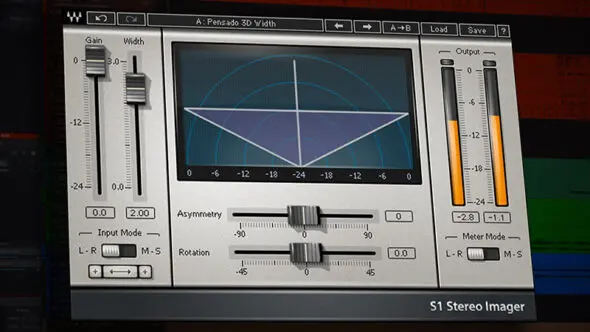 Stereo decisions that feel immersive during headphone playback often behave very differently once the signal reaches commercial FM transmission.
Certain stereo effects that feel impressive in headphones often become unstable once FM transmission and real-world playback conditions start reshaping the signal.
Background layers can create an expensive, immersive sense of width during headphone playback.
Under FM transmission, those same spatial decisions may become unstable once stereo control and real-world playback conditions start interacting with the mix.
Stereo decisions that feel immersive during headphone playback often behave very differently once the signal reaches commercial FM transmission.
Certain stereo effects that feel impressive in headphones often become unstable once FM transmission and real-world playback conditions start reshaping the signal.
Background layers can create an expensive, immersive sense of width during headphone playback.
Under FM transmission, those same spatial decisions may become unstable once stereo control and real-world playback conditions start interacting with the mix.
FM radio does not always preserve extreme stereo width gracefully. Because of that, phase and imaging problems usually become more obvious outside the studio. Add car speakers, road noise, imperfect speaker placement, and aggressive station processing on top of that, and small phase inconsistencies become much more noticeable.
One of the most common issues is partial stereo collapse. Certain elements that feel wide and immersive inside headphones may weaken dramatically once the signal folds closer toward mono behavior during broadcast playback. Vocals can lose stability. Delays start smearing the center image. Low-end information drifts instead of staying locked in place.
This becomes especially obvious with kick and bass interaction. In the studio, stereo-enhanced low frequencies may sound impressive on full-range monitors, but FM radio tends to punish unstable low-end positioning very quickly. Inside a moving car, the bass suddenly feels inconsistent from note to note. The kick loses definition. Instead of hearing controlled impact, the listener hears a low-frequency blur competing with road noise and station compression.
Centered vocal stability matters just as much. Commercial radio environments are crowded. DJs speak between records. Advertisements are heavily compressed. Listeners are rarely sitting in perfect stereo positions. If the lead vocal relies too heavily on side information or unstable stereo processing, intelligibility drops fast once the track enters real-world playback conditions.
A lot of these problems stay hidden until the track leaves headphones completely. The stereo image may still feel impressive during isolated monitoring, but FM playback often reveals how unstable certain spatial decisions become outside controlled listening conditions. The track may still sound wide, but the vocal and low end stop feeling anchored the same way.
The problem is not stereo width itself. Wide masters can absolutely work on radio. The issue is uncontrolled phase behavior once the stereo image starts interacting with aggressive radio playback conditions. A stable stereo image keeps the emotional size of the track intact even after transmission reshapes the signal. An unstable one gradually loses focus every time another stage of compression or stereo control reacts to it.
This is also why some harshness problems become more obvious on radio than inside the studio. Once stereo information partially narrows, upper mids often pile up closer to the center, making vocals, cymbals, and synth layers feel sharper than intended. Our fix harsh highs in mastering guide explains why aggressive upper-mid buildup becomes exhausting under playback pressure, while our fix bass in mastering guide explains why unstable low-end balance creates playback problems outside controlled monitoring environments.
Test your master before FM radio exposes the problems
Some mastering issues only appear after broadcast compression starts reshaping the track. Harsh vocals, flattened punch, unstable low end, listener fatigue — all of it becomes easier to hear once the music leaves the studio. Send us your track and receive a free 30-second demo master created by a real mastering engineer. No automated processing. No AI chain presets. Just a practical way to hear how your release behaves under real-world playback pressure before it goes live.
Useful for singles, EPs, radio campaigns, and multi-track releases preparing for commercial playback.
Radio Translation Problems That Usually Start Before Mastering
A surprising number of radio translation problems begin long before the mastering stage. FM broadcast processing may expose the issue, but the actual instability often starts inside the mix itself. Mastering can improve balance, control dynamics, and protect playback consistency, but it cannot completely rebuild a mix that already collapses under pressure.
This becomes obvious on commercial radio because FM chains amplify weaknesses instead of hiding them. A vocal that feels slightly sharp in the studio can become painfully aggressive after additional broadcast compression. A dense low-mid buildup that seems manageable on nearfield monitors suddenly turns muddy inside a car once road noise and transmission processing enter the equation.
One common example is over-compressed mix buses. Producers sometimes lock the mix into constant intensity before mastering even begins. At first the mix feels consistently energetic because the entire record operates at nearly constant intensity. But once FM radio processing adds another layer of compression on top, the record often loses separation completely. The chorus no longer expands. The groove feels smaller. Listener fatigue builds fast because the ear never gets a moment to breathe.
Harsh upper mids create another major problem on radio. Inside a treated studio, aggressive vocals or bright cymbals may still feel exciting during short playback sessions. But FM broadcast chains tend to push presence ranges forward even harder to maintain clarity across noisy listening environments. The tonal balance may still feel exciting inside the studio, but long FM playback often makes those same frequencies feel exhausting much faster. The brightness itself may not even seem extreme at first. The problem appears later, when repeated FM playback keeps pushing the same frequencies forward over and over again.
We hear this especially often with brittle cymbal transients and sharp vocal consonants. The mix sounds acceptable at moderate volume inside the studio, but once the station processing starts reacting dynamically to the high-frequency content, the entire top end becomes unstable. Suddenly the vocal feels thinner. Cymbals smear together. Sibilance cuts through the mix more aggressively than intended.
Low-end control matters just as much. Radio playback rarely happens under ideal listening conditions. Cars, portable speakers, work environments, and consumer systems all reshape bass perception differently. If the kick and bass relationship is already inconsistent before mastering, FM processing tends to exaggerate that instability further. Instead of hearing punch, listeners hear low-frequency buildup competing against the rest of the arrangement.
Another issue that appears frequently on radio is density accumulation. Layer after layer of saturation, clipping, limiting, and bus compression may create excitement during production, but once broadcast processing starts interacting with that density, the track often becomes flatter rather than larger. After enough layers of compression, everything starts feeling equally loud and emotionally flat.
We occasionally hear this after artists compare rough masters against actual FM rotation recordings instead of direct studio playback. The difference is often much larger than expected.
This is why mastering should never be treated as emergency repair for unstable mix decisions. A strong master can improve translation significantly, but FM radio still exposes unresolved balance problems very quickly. If the mix already struggles with harshness, congestion, transient instability, or vocal clarity, broadcast processing will usually make those problems easier to hear — not harder.
That is also why preparation before mastering matters far more than many artists expect. Our prepare mix for mastering guide explains the most common technical issues that reduce translation stability later in the process. If your release already feels crowded, harsh, or inconsistent across playback systems, the mastering problems guide breaks down the underlying causes behind those failures. And for artists still unsure where mixing problems end and mastering problems begin, the mixing vs mastering article explains how both stages affect final playback differently.
Radio Master vs Streaming Master: What Actually Changes
 A lot of modern masters are optimized for immediate impact before broadcast processing ever enters the picture.
FM radio behaves differently because the signal continues passing through additional processing long after the master leaves the studio.
A lot of modern masters are optimized for immediate impact before broadcast processing ever enters the picture.
FM radio behaves differently because the signal continues passing through additional processing long after the master leaves the studio.
The difference is not just radio versus streaming. FM playback puts far more pressure on long-term listening comfort and playback stability. Radio playback keeps reacting to the master continuously instead of reproducing the signal in a relatively fixed listening environment. Because of that, radio tends to reward stability, intelligibility, and controlled dynamics far more aggressively than direct digital playback do.
This is where many engineers and artists get surprised. A streaming-focused master may sound larger during short headphone playback but become flatter during long FM listening sessions. Upper mids build up faster. Stereo width becomes less reliable. Dense limiting starts competing against broadcast compression instead of working with it.
| Playback Factor | Streaming-Focused Master | Radio-Focused Master |
|---|---|---|
| Loudness Behavior | Often pushed aggressively for instant impact | Balanced for stability under additional broadcast compression |
| Transient Handling | Can become flattened after heavy limiting | Designed to preserve punch after FM processing |
| Stereo Width | Often optimized for headphone immersion | Built for stronger mono and car playback stability |
| Harshness Sensitivity | Upper mids may become aggressive over time | Controlled to survive broadcast emphasis safely |
| Listener Fatigue | Can increase during long playback sessions | Focused on maintaining long-term listening comfort |
| Car Playback Performance | May lose clarity under road noise and FM compression | Prioritizes vocal clarity and low-end stability |
For FM radio, the goal is rarely maximum loudness alone. The goal is keeping the master emotionally stable once commercial broadcast processing starts reshaping the signal continuously throughout real-world playback. In many cases, the goal is finding the balance point where the master remains emotionally powerful without becoming unstable once additional processing enters the chain.
A lot of radio translation problems begin because mastering decisions were made only around studio playback. A chorus feels exciting for thirty seconds, so the limiter gets pushed harder. A brighter vocal cuts through headphones, so more upper-mid energy gets added. Then the track reaches commercial FM radio and all of those choices become exaggerated by transmission processing.
That is why radio mastering is often less about maximizing loudness and more about protecting translation under pressure. Stable transients, controlled upper mids, reliable vocal presence, and low-end consistency tend to outperform raw aggression once the music leaves the studio environment.
Our mastering for streaming platforms guide explains how direct digital playback environments shape mastering priorities differently from FM radio, especially once long-form playback stability becomes part of the equation.
Why Radio Still Exposes Weak Masters Faster Than Streaming Platforms
FM radio still remains one of the most demanding real-world playback environments for mastering because the signal keeps getting reshaped long after the final master is delivered. Radio exposes problems fast because people rarely hear it under perfect listening conditions.
A listener on Spotify may hear a song for thirty seconds through earbuds before skipping to the next track. Radio works differently. Songs play back-to-back for long periods of time, often through cars, office speakers, kitchen systems, portable radios, and noisy environments where listener fatigue builds much faster. Weak mastering decisions that feel acceptable during short direct digital playback suddenly become impossible to ignore after twenty or thirty minutes of continuous FM listening.
Listener fatigue on FM radio rarely arrives instantly. The tonal pressure builds over time, especially during long playback sessions in cars and consumer environments. The fatigue usually builds slowly. Vocals begin feeling more aggressive. Cymbals start sitting too far forward. Eventually the entire tonal balance becomes tense during long playback sessions. By the third or fourth song, the entire tonal balance starts feeling crowded and tense — especially inside a car where FM processing already pushes presence forward aggressively.
The same thing happens with over-limited masters. Inside a playlist, excessive density may still create short-term impact. On radio, especially during long drives, that constant intensity becomes tiring much faster because broadcast compression continues reshaping the signal on top of an already dense master. After enough repeated playback, the mix simply starts feeling tiring instead of exciting.
This matters more than many artists realize because commercial radio in the US is extremely competitive. Stations fight constantly for listener retention. Every transition between songs, advertisements, and spoken segments is carefully processed to maintain energy without driving people away. A master that becomes harsh, flat, or exhausting during continuous playback simply struggles to hold attention in that environment.
We occasionally hear this during revision requests after artists compare the release against commercial FM rotation for the first time. The track still sounds loud enough, but the energy starts feeling flatter once it leaves the studio environment.
In some cases, the artist never noticed the harshness issue until hearing the record during an actual commute instead of inside the studio.
Car playback makes the situation even more unforgiving. Road noise naturally masks parts of the low end and lower midrange, while FM processing often pushes presence frequencies forward to maintain intelligibility. If the master already carries unstable upper mids, sharp transients, or weak vocal focus, those problems become magnified almost immediately once the listener leaves the studio environment.
That is why radio still exposes weak mastering faster than most streaming platforms do. Streaming often hides problems behind short listening sessions and personalized volume control. Radio does the opposite. It continuously stress-tests the tonal balance, dynamics, stereo stability, and listening comfort of a master across imperfect playback systems.
A strong radio-ready master is not necessarily the loudest one in the playlist. It is the one that stays clear, stable, and emotionally engaging after extended playback under real-world pressure.
Long-form listening pressure affects spoken-word productions differently as well. Our mastering for podcasts page explores how dialogue-focused audio develops fatigue and intelligibility problems during extended listening sessions across real-world playback systems.
Frequently Asked Questions About Radio Mastering
Does radio mastering require different loudness targets?
Not necessarily lower loudness — but usually better loudness control. FM broadcast chains apply additional compression and limiting after the master leaves the studio. If a track is already pushed too aggressively, radio processing often exaggerates harshness, transient flattening, and listener fatigue instead of increasing perceived power. In many cases, slightly more dynamic masters survive FM playback better because the broadcast chain still has room to react naturally.
Why do some tracks sound harsher on FM radio?
FM radio tends to emphasize upper-mid energy more aggressively than direct digital playback. Vocals, cymbals, guitars, and bright synths that feel exciting in the studio may become sharp or tiring once broadcast compression starts reshaping the signal continuously. This becomes even more obvious in cars and consumer playback systems where road noise already competes with the same frequency ranges.
Can a Spotify-ready master fail on radio?
Absolutely. Streaming playback and FM broadcast processing behave very differently. A master optimized heavily for streaming loudness can become unstable once radio stations apply additional compression, stereo control, and transmission processing. The result is often flatter punch, more aggressive upper mids, weaker vocal focus, and faster listener fatigue during long playback sessions.
Does FM radio reduce stereo width?
Sometimes, yes. Extremely wide stereo information may become less stable after FM transmission, especially in noisy real-world environments. This does not mean radio requires narrow masters. It means stereo balance needs to remain controlled and phase-consistent enough to survive broadcast processing without losing center focus, low-end definition, or vocal clarity.
Why do vocals disappear after broadcast processing?
Usually because the vocal balance was already unstable before transmission. FM processing can exaggerate masking problems inside dense arrangements, especially when vocals compete heavily against bright instruments, layered reverbs, or aggressive upper mids. Inconsistent stereo placement and over-compression can also reduce vocal intelligibility once the track reaches radio playback systems.
Can mastering fully fix radio translation problems?
Not always. Mastering can improve tonal balance, transient behavior, stereo stability, and playback consistency, but it cannot completely repair an unstable mix. If harshness, low-mid congestion, phase problems, or over-compression already exist inside the production, FM broadcast processing will usually expose those weaknesses even more clearly after release.
Hear what happens before FM radio hears it first
A track can feel polished in the studio and still become harsh, flat, or unstable once broadcast processing starts reshaping the master. Most radio translation problems only appear after the release leaves controlled monitoring environments and hits real-world playback systems. Our free 30-second demo mastering lets you hear how your single, EP, or full album behaves under real playback pressure before it reaches streaming platforms, FM radio stations, cars, and consumer speakers. Every demo is mastered manually by a real engineer — not by automated software or AI-generated chains.
Built for independent artists preparing music for real commercial playback — not just studio monitors.