
Suno Mastering — Why AI-Generated Songs Sound Different After Release
Suno mastering is the process of evaluating how a Suno-generated song performs outside the generation platform and preparing it for real-world listening environments.
One of the most surprising things about Suno is how finished a song can feel the moment it appears. You enter a prompt, wait for the generation to complete, press play, and hear something that resembles a complete record. The vocals are there. The arrangement exists. The energy feels convincing. For many creators, that first reaction creates a simple assumption: the song is ready for release.
Then the track leaves Suno.
It ends up in playlists, cars, headphones, Bluetooth speakers, and streaming platforms. That is often where perception changes. A vocal that felt believable during generation may feel less convincing later. A chorus that sounded huge may not stand out against commercial releases.
This is why Suno mastering is not really about the generation itself. The bigger question is what happens after the generation. Once a track leaves the platform, it enters the same listening environment as every other release competing for attention. Understanding how a song translates outside Suno becomes far more important than how impressive it felt during the first playback. If you're unfamiliar with what audio mastering actually does, the goal is not to change the identity of the music. The goal is to evaluate how well that identity survives when the song enters the real world.
Why So Many AI Songs Still Sound Wrong After Generation
 One reason Suno has attracted so much attention is that it delivers instant gratification. A creator enters a prompt, generates a song, and hears a finished piece of music within minutes. That experience changes the way people evaluate quality. Instead of asking whether the track would compete with commercial releases, they often focus on something much simpler: "Did the AI successfully turn my idea into a song?" In that moment, the answer often feels like yes.
The generation environment itself plays a role. When you're actively creating, your attention is usually directed toward lyrics, melodies, concepts, and unexpected ideas. The brain naturally prioritizes novelty. A surprising vocal line, a clever arrangement choice, or a genre blend that shouldn't work but somehow does can create a strong positive reaction. Small imperfections often become secondary because the excitement of creation dominates the listening experience.
The perspective changes later. The song gets exported. It gets played again the next day. Maybe through earbuds during a commute. Maybe on studio monitors. Maybe next to tracks already sitting in a release playlist. The emotional context disappears and analytical listening begins. That's when different details start emerging. A vocal may feel less believable after the fifth listen than it did during the first. An energetic chorus may suddenly seem less impactful. Sections that originally felt smooth may begin drawing attention for reasons the listener cannot immediately explain.
We see this pattern regularly when reviewing AI-generated material. The first listening session often focuses on possibilities. Later listening sessions focus on consistency. Those are very different experiences. As discussed throughout our Mastering Problems Guide, problems rarely become obvious because they appear suddenly. More often, they become obvious because repeated exposure removes the excitement that originally distracted attention from them.
This is why a track that feels complete inside Suno can feel very different during release preparation. The song itself may not have changed. The listening context has. Once the novelty fades, listeners begin evaluating the music the same way they evaluate every other release competing for their attention.
What Changes When a Suno Song Leaves the Generation Environment
The moment a song leaves Suno, the listening experience changes. Not because the audio file suddenly becomes worse, but because the environment around it becomes much more demanding. Inside the platform, the track exists in isolation. Outside the platform, it begins competing for attention against everything else people listen to every day.
This creates another misconception. Because Suno songs often sound polished immediately, many creators assume the platform has already solved every release-related challenge. In reality, sounding finished during generation and performing well after release are not always the same thing.
A common example is headphones versus real-world playback. A Suno song may feel balanced during generation, yet reveal completely different characteristics once it reaches earbuds, car speakers, Bluetooth devices, laptops, or studio monitors. Certain sections that felt smooth can suddenly draw attention. A vocal may seem convincing at first but start feeling less natural on different systems. Low-end energy may shift unexpectedly. Small details become easier to notice when the listener is no longer focused on the excitement of creation.
Repeated listening plays an equally important role. The first playback often focuses on the idea itself. By the fifth or tenth listen, attention shifts toward execution. This is where many creators experience an unexpected change in perception. The chorus that originally felt huge may no longer deliver the same impact. A transition that seemed perfectly acceptable during generation may begin feeling abrupt. A section that initially sounded energetic may reveal inconsistencies that were hidden during the excitement of hearing a new song for the first time.
This comparison stage is where many creators first notice characteristics that never attracted attention during generation. Nothing inside the audio may be different, yet the standard used to judge it has changed dramatically. Inside the platform, the song exists on its own. During release preparation, it starts sharing space with professionally released material. That comparison often exposes differences that were difficult to notice before. A vocal may suddenly feel more artificial next to a commercial record. The balance between sections may seem less stable. Energy levels may fluctuate in ways that become easier to hear when songs are played back-to-back.
Distribution preparation creates another layer of scrutiny. Once creators start thinking about streaming platforms, playlists, audience expectations, and long-term listening, they naturally begin evaluating the track differently. This is one reason why preparation for services such as streaming platform delivery often reveals concerns that were invisible during generation. Similar questions frequently appear when artists compare how a track behaves before and after upload, which is something we regularly discuss when reviewing projects intended for services such as Spotify releases.
The important point is simple. Exporting a Suno song changes the context in which it is judged. Listeners stop evaluating the success of the generation and start evaluating the quality of the release. Those are two very different standards, and many of the weaknesses creators notice later only become visible after the song leaves the generation environment and enters the real world.
The Most Common Patterns We Hear in Suno-Generated Songs
After reviewing a large number of AI-generated releases, certain patterns appear often enough to become recognizable. Not in every song. Not in every genre. But frequently enough that experienced listeners begin noticing them before they can even explain exactly why something feels different. These patterns are not necessarily flaws. They are recurring characteristics that often separate AI-generated productions from traditionally produced records.
Across AI-generated projects submitted to our studio, these patterns rarely appear in isolation. A track that shows vocal inconsistency often reveals unexpected arrangement changes as well. Songs with unstable energy frequently display shifts in spatial presentation. Over time, certain combinations become recognizable long before a specific technical explanation is identified.
One of the most noticeable examples involves vocal realism. A vocal may sound surprisingly convincing during one section and noticeably different in the next. The change is not always dramatic. Sometimes it is subtle. A verse feels emotionally connected, then a chorus introduces a slightly different character. The voice still sounds like the same performer, yet the continuity feels less stable than listeners expect from a traditional recording. This is one reason conversations around vocal-focused mastering often become relevant when evaluating modern AI-generated releases, even when the issue itself has nothing to do with mastering decisions.
Energy shifts are another recurring pattern. A song may begin with strong momentum, build naturally, and then suddenly feel less confident in a later section. Nothing obvious appears to have changed. The arrangement is still moving forward. The tempo remains the same. Yet the emotional weight of the performance seems to fluctuate unexpectedly. Listeners often describe this sensation as a track feeling slightly less focused from one section to another.
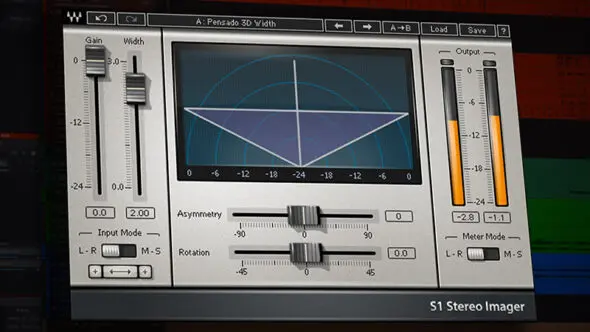
Stereo presentation can also behave differently from what many artists are accustomed to hearing in conventional productions. Some sections feel wide and immersive, while others seem to narrow unexpectedly. The effect may only last for a few moments before the image expands again. During casual listening these shifts can pass unnoticed. During repeated listening they often become more apparent because the listener begins recognizing changes in spatial consistency rather than individual sounds.
Another pattern involves instruments that appear unusually prominent and then seem to retreat without a clear musical reason. A guitar texture may feel important during one phrase and almost disappear during the next. A background element suddenly attracts attention before fading back into the arrangement. These moments do not necessarily sound wrong. They simply behave differently from the type of continuity listeners often expect from manually produced recordings. Similar observations occasionally appear in instrumental-focused projects, which is one reason discussions around instrumental and beat releases frequently involve translation and consistency rather than loudness alone.
Arrangement density is another characteristic that surfaces repeatedly. Some Suno songs move between sections with dramatic changes in complexity. A verse may feel spacious and controlled. The next section introduces a large amount of information almost instantly. Then the arrangement becomes sparse again moments later. Traditional productions can certainly use contrast as a creative tool, but AI-generated material often approaches these transitions with a different sense of pacing that listeners gradually notice over time.
What makes these patterns interesting is that they rarely announce themselves immediately. The first listen is usually dominated by the song itself. The melody, the concept, the lyrics, the overall mood. These recurring behaviors tend to emerge later, once the novelty fades and attention shifts toward consistency. That is why many Suno-generated songs can feel remarkably impressive during creation while still revealing characteristics that experienced listeners recognize as distinctly different from traditional productions.
Not Sure Whether Your Suno Track Is Ready for Release?
Many Suno songs sound impressive during generation but reveal different characteristics once they are compared on multiple systems, prepared for release, or heard repeatedly over time. A free demo master and professional evaluation can help identify what is translating well, what deserves closer attention, and whether the track is truly ready for release.
Free demo mastering up to 35 seconds. Honest feedback before release.
Why Release Preparation Matters More Than Generation Quality
 A strong generation and a strong release are not the same thing. This distinction is easy to miss because Suno is remarkably good at creating a powerful first impression. A song appears, playback begins, and within seconds the listener is reacting to the idea, the style, the vocal, or the overall mood. In that moment, the generation feels successful. But a successful generation is only the beginning of the release process.
Many creators assume Suno has already completed the mastering stage because generated songs often arrive with a polished presentation. In practice, a polished first impression and a release-ready master are not necessarily the same thing. The difference usually becomes visible only after the track leaves the platform and enters real listening environments.
What ultimately matters is how the music behaves after the excitement of creation fades. Listeners do not hear the track while watching prompts being generated. They do not experience the curiosity that comes with hearing a brand-new AI creation for the first time. They simply hear a song. Their expectations immediately shift from innovation to enjoyment. The question changes from "How did this get made?" to "Do I want to hear this again?"
That shift in perspective is where many creators begin hearing the track differently. A track can deliver an impressive first listen and still struggle during long-term listening. The core idea may be excellent. The melody may work. The atmosphere may be engaging. Yet repeated listening can expose inconsistencies that were hidden during the initial excitement. A section that felt powerful on day one may feel less convincing after a week. A chorus that seemed huge during generation may no longer stand out when placed alongside commercial releases.
Another important factor is translation. Inside Suno, songs are often judged in isolation. During release preparation, they begin interacting with real listening environments. People compare them to songs already sitting in playlists. They hear them through different devices. They revisit them weeks later. The standard becomes much higher because the track is no longer being evaluated as an AI experiment. It is being evaluated as a release.
We regularly see creators focus on generation quality while underestimating release quality. The difference is significant. One measures how effectively an idea became a song. The other measures how effectively that song holds attention after the novelty disappears. Those are very different tests, and the second one is ultimately the test that matters.
Professional release preparation becomes valuable for a different reason. The goal is not to judge the generation itself. The goal is to understand how the music behaves once it enters the same world as every other commercial release. This is the foundation behind our Quality Track Mastering approach: evaluating how a track translates beyond the moment it was created and into the environment where real listeners will experience it.
How Professional Evaluation Changes the Outcome of a Suno Release
One of the biggest misconceptions surrounding Suno-generated music is the assumption that the first identified problem is also the real problem. In practice, that is often not the case. What an artist hears and what is actually limiting the release can be two very different things. This is why evaluation matters. It helps separate symptoms from underlying limitations before important decisions are made.
Consider a common situation. An artist listens to a Suno track and feels that it lacks impact. The immediate conclusion is usually simple: the song needs to be louder. On the surface, that sounds reasonable. Yet after careful listening, the real issue may have nothing to do with loudness at all. The track may already have plenty of level. What it lacks is consistency. One section feels powerful, another feels restrained, and the listener interprets that contrast as a volume problem. Increasing loudness alone does not change the experience because loudness was never the actual limitation.
A similar pattern appears when artists request additional brightness. Sometimes a Suno song feels slightly dull during playback, leading to the assumption that more top-end energy is needed. However, closer evaluation may reveal something entirely different. The issue is not brightness. The issue is realism. Certain vocal phrases may draw attention because they feel less natural than surrounding sections. Adding more brightness can actually make those characteristics more noticeable rather than less noticeable.
Requests for additional punch often follow the same logic. The artist wants a bigger chorus, stronger energy, or more excitement. Yet the perceived lack of punch may come from how densely information is packed into certain sections. When multiple elements compete for attention at the same time, listeners often interpret the result as weak impact even though the underlying issue is really about how energy is distributed throughout the arrangement.
We occasionally review Suno tracks where the artist requests more impact in the chorus, only to discover that the chorus is already louder than the verse. The perceived lack of impact comes from arrangement density rather than playback level.
What makes evaluation valuable is not that it immediately provides answers. It changes the quality of the questions being asked. Instead of asking how to make a track louder, brighter, or more aggressive, the conversation becomes focused on what is actually preventing the song from translating the way the artist expects.
This distinction becomes increasingly important as AI-generated music moves closer to commercial release standards. Small decisions made at the evaluation stage often have a larger effect than much bigger decisions made later. That is one reason why many artists seek professional review before finalizing a release. As explored through our Mastering Feedback Service, understanding the true limitation of a track often leads to better outcomes than immediately trying to force a specific solution.
The strongest releases are rarely the result of guessing correctly. They are usually the result of identifying the right problem before attempting to solve it.
How Much Improvement Is Realistic for a Suno Track?
 This is one of the most important questions creators ask after generating a song in Suno. The answer is not always simple because improvement is rarely measured by a percentage. Some tracks improve dramatically. Others improve modestly. The difference usually comes down to the quality of the source material rather than the amount of processing applied later.
We occasionally receive Suno tracks that already have surprisingly strong foundations. The arrangement feels coherent. The energy remains consistent. The vocal holds attention throughout the song. In those situations, relatively small refinements can create a noticeably more polished release experience. The song already works. The goal becomes helping it maintain the same impact wherever listeners hear it.
Other tracks arrive with a different set of challenges. The core idea may be excellent, but certain characteristics reduce the overall impact. Perhaps the emotional energy varies from section to section. Maybe the vocal feels convincing in one moment and less convincing in another. Sometimes the song creates a strong first impression but struggles to maintain the same level of engagement during repeated listening. In these situations, improvement is often more modest because the source itself places limits on how far the final result can realistically go.
This is why expectations matter. Many creators assume every track can be transformed into something dramatically different. In reality, the strongest results usually come from strong foundations. A compelling song with solid consistency often responds well to professional preparation. A track carrying deeper limitations may still benefit, but the changes tend to be less dramatic because the starting point is different.
The most useful way to think about improvement is not in terms of volume, brightness, or technical adjustments. Think about translation. How well does the song hold up across different systems? How confidently does it compete with other releases? How enjoyable is it after the tenth listen instead of the first? For most listeners, those answers matter far more than any technical specification.
This is also why affordable services are not simply about lowering cost. As discussed on our Affordable Mastering Service page, the real value comes from understanding what the source can realistically achieve before release. The ceiling of improvement is almost always determined by the quality of the material that enters the process in the first place.
Why Suno Songs Often Change After the First Few Days
Many creators experience the same surprising reaction after generating a Suno song. The first listen feels exciting. The second listen still sounds impressive. A few days later, however, the track can feel different even though nothing in the audio has changed.
Part of the reason is simple: novelty fades. During the initial generation, listeners are focused on the achievement itself. An idea became a complete song within minutes. That experience naturally shapes perception. Small inconsistencies often receive less attention because the listener is concentrating on the overall result rather than individual details.
A few days later the listening experience changes. The excitement of creation is gone. Attention begins shifting toward execution, consistency, and long-term enjoyment. The listener is no longer asking whether the generation succeeded. The listener is asking whether the song holds up.
This is when repeated listening starts revealing characteristics that were easy to miss at first. A vocal may feel slightly different from section to section. Certain transitions may attract more attention. Energy levels may seem less consistent than they appeared during the original playback. None of these observations necessarily mean the track is bad. They simply become easier to notice once the novelty effect disappears.
We see this pattern regularly when evaluating AI-generated releases. Songs that continue holding attention after several days of playback often have a much stronger foundation for release. Songs that feel less convincing with each replay usually benefit from closer evaluation before moving forward. In many cases, the most important listening session is not the first one. It is the fifth.
Common Suno Track Behaviors and What They Usually Indicate
Many Suno-generated songs share recurring characteristics that become easier to recognize with experience. These observations do not automatically indicate a problem, nor do they predict the quality of a release. They simply reflect patterns that frequently appear when AI-generated music moves beyond the generation stage and into real-world listening environments. Understanding these behaviors can help creators evaluate their tracks more objectively before release preparation begins.
| Observation | Often Indicates |
|---|---|
| Vocal realism changes between sections | Generation consistency |
| Chorus feels smaller than expected | Arrangement density |
| Sudden tonal shifts | Source variation |
| Instruments appear unexpectedly | Generation behavior |
| Stereo image feels unstable | Source complexity |
| Track sounds different across devices | Translation concerns |
| Energy drops between sections | Arrangement imbalance |
| Repeated listening reveals flaws | Source limitations becoming noticeable |
For example, a chorus that feels smaller than expected is not always a loudness issue. Many Suno songs introduce additional layers during bigger sections, which can reduce the sense of impact even when the overall level increases.
How Independent Artists Across the United States Are Using Suno Today
Just a few years ago, creating a full song required a very different set of resources. Songwriters needed collaborators, producers needed musicians, and many artists spent months developing ideas before reaching a release stage. Suno has changed that reality dramatically. Across the United States, independent artists can now move from concept to completed song in a fraction of the time that traditional production once required.
The impact is especially visible among bedroom producers and self-releasing musicians. Artists who previously struggled to transform ideas into finished songs can now experiment with genres, arrangements, vocals, and concepts almost instantly. For many creators, Suno has become part of the songwriting process rather than a replacement for creativity. The speed of iteration allows ideas to be explored that might never have reached a demo stage in the past.
Content creators have adopted similar workflows. Music is no longer limited to traditional release schedules. Songs are being created for videos, social media projects, personal brands, niche audiences, and independent campaigns. The barrier to creation has fallen significantly, which explains why the volume of AI-generated music entering the market continues to grow at a remarkable pace.
At the same time, increased creation has introduced a new challenge. More songs are being finished, but not every finished song is automatically prepared for release. The easier it becomes to generate music, the more important evaluation becomes. When thousands of tracks are competing for attention, listeners rarely care how quickly a song was created. They respond to how the final release feels.
This shift has made release preparation increasingly relevant for creators working outside traditional studio environments. Many artists who generate music from home eventually face the same questions that have always existed in professional production: How does the track translate on different systems? How does it compare against commercial releases? How does it hold up after repeated listening? Similar concerns appear throughout our work with bedroom producers, where the challenge is often translation rather than creation.
As AI music continues expanding across the United States, one trend becomes increasingly clear. Generating songs is becoming easier every year. Evaluating them properly is becoming more important. That reality applies equally to hobbyists, content creators, and independent artists preparing their own releases. Even when affordable production tools are available, as discussed through our Affordable Mastering Service, the value often comes from understanding how a song performs outside the environment where it was originally created.
A Quick Rule of Thumb
If a Suno song still feels convincing after repeated listening, that is usually a positive sign. Play it on different systems. Compare it against commercial releases in a similar style. Leave it alone for a few days and come back with fresh ears. If the track continues holding your attention and maintains a consistent experience across devices, release preparation often makes sense because the foundation is already doing its job.
The opposite situation is equally revealing. If every listening session uncovers a new concern, if the track feels less convincing over time instead of more convincing, or if major differences appear between playback systems, it is often worth slowing down and evaluating the song more carefully before moving toward release.
A simple rule works surprisingly well: first impressions tell you whether a song has potential. Repeated listening tells you whether that potential survives. In many cases, the second test is the one that matters most.
Final Thoughts: A Great Suno Generation Is Not Automatically a Great Release
Suno has changed what is possible for independent creators. Ideas that once required teams, budgets, and months of production can now become complete songs in a remarkably short period of time. That shift is significant. It has opened the door for more experimentation, more creativity, and more music than ever before.
At the same time, generation and release are not the same achievement. Creating a song is one milestone. Preparing that song for listeners is another. The export button does not determine whether a release succeeds. Neither does a generation score, a prompt, or the excitement that comes from hearing a new creation for the first time.
A creator experiences the generation process. The audience never does. Listeners only hear the finished release, which means they judge the result rather than the creation experience behind it.
Listeners evaluate music differently. They hear songs while driving, working, exercising, relaxing, and moving through everyday life. They compare one release against thousands of others without thinking about how it was made. They notice consistency. They notice whether the track keeps their attention. They notice whether it feels enjoyable after repeated listening. In other words, they experience the release rather than the generation process.
That is why translation matters. Consistency matters. Release readiness matters. A track that survives different playback systems, repeated listening sessions, and comparisons against commercial releases has already passed a much more meaningful test than simply sounding impressive during generation.
The goal is not to remove what makes a Suno song unique. The goal is to understand how that uniqueness behaves once the music leaves the platform and enters the real world. This is the same philosophy that guides our Quality Track Mastering approach. Every release ultimately succeeds or fails based on how listeners experience it, not on how it was created.
And if a project grows beyond a single track into a larger release, consistency becomes even more important. Whether the music is part of an EP or a full-length release, preparation across multiple songs introduces another layer of decision-making, which is why many artists eventually explore options such as album mastering when building a cohesive listening experience.
The most important question is not whether the generation succeeded. The most important question is whether the release succeeds once real listeners press play.
Hear How Your Suno Track Performs Outside the Generation Environment
A Suno song can sound impressive during generation and behave very differently once it is compared against commercial releases, played across multiple systems, and prepared for distribution. A free demo master and professional evaluation help reveal how the track translates beyond the platform before you commit to a final release.
Free demo mastering up to 35 seconds. Hear the difference before making release decisions.
FAQ
What is Suno mastering?
Suno mastering is the process of evaluating and preparing a Suno-generated song for release outside the generation platform. The focus is not only on sound quality, but also on translation, consistency, and how the track performs across real-world playback systems.
Why do Suno songs sound different after export?
Inside Suno, songs are usually judged during the excitement of creation. After export, they are heard on different devices, compared against commercial releases, and listened to repeatedly. This often reveals characteristics that were less noticeable during generation.
Does Suno automatically master tracks?
Suno applies processing that helps generated songs sound polished during generation and playback inside the platform. However, a song that sounds finished inside the platform is not automatically optimized for release across streaming services, playback systems, and long-term listening.
Why do some Suno vocals sound less realistic after repeated listening?
The first listen is often dominated by the overall idea of the song. With repeated listening, attention shifts toward vocal consistency, emotional delivery, phrasing, and realism. Small details that initially go unnoticed can become more obvious over time.
Can professional mastering improve a Suno-generated song?
In many cases, yes. Professional mastering can improve translation, balance, consistency, and overall listening experience. The amount of improvement depends heavily on the quality and stability of the original Suno generation.
Why do Suno tracks sometimes feel different on other devices?
Different playback systems emphasize different parts of a mix. A track that feels balanced on one device may reveal new characteristics on headphones, car speakers, Bluetooth systems, or studio monitors. This is why translation testing remains important before release.
Should a Suno song be evaluated before release?
For serious releases, evaluation is often valuable. It helps identify whether the track maintains its impact across different listening environments and whether any characteristics become more noticeable after repeated listening.
How much improvement is realistic for a Suno-generated track?
There is no universal answer. Some Suno songs respond extremely well to professional preparation, while others see more modest improvements. The ceiling is usually determined by the quality, consistency, and strength of the original source material.