Nashville is unlike most music cities. Between legendary stages like the Ryman Auditorium, nightly club shows across Broadway, and a deep network of session musicians, tracks here often start as live performances or fast home-studio recordings between gigs. Country, rock, Americana, pop, hip-hop, and indie artists all share the same ecosystem — but they do not share the same mixing needs.
It is easy to find studio lists, engineer directories, and marketplace profiles in Music City. What is harder is knowing who is actually right for your genre and recording style rather than simply offering the service. Many Nashville artists end up paying for revisions they did not expect or workflows that do not fit live-recorded material.
This guide shows how to choose a remote mixing engineer for Nashville projects based on genre fit, live-session experience, workflow clarity, and real deliverables — not rankings or buzzwords.
Use this guide before hiring a remote mixing engineer for your Nashville release.
Studio Sessions vs Remote Engineers in Nashville
 Local studios remain a core part of the Nashville scene, especially for tracking bands, capturing vocals with session players, and recording live takes. These spaces usually operate on hourly or day-rate models, and mixing often becomes an added service once recording is finished.
Marketplaces now offer hundreds of engineers advertising per-song services, revisions, and fast turnaround. The choice is wide, but the responsibility for evaluating quality falls entirely on the artist.
Direct remote engineers sit between these two worlds. They typically focus only on mixing and mastering, work in defined stages, charge per song rather than by the hour, and include revision rounds as part of the process. For many Nashville releases — especially singles and EPs — this model offers more predictable results than open-ended studio sessions.
Why Genre Fit Matters More in Nashville Than Most Cities
Nashville is not a single-sound market. The way a country vocal sits in a mix is completely different from how a pop hook or hip-hop low end should feel. Americana records prioritize natural dynamics and space, while rock mixes demand density and punch. Modern pop and hip-hop require tight low frequencies, vocal presence, and loudness that translates to streaming platforms.
An engineer who excels at polished pop mixes may struggle with live band bleed and room tone. A specialist in organic folk recordings may not deliver competitive loudness and clarity for urban releases.
When genre experience is missing, projects usually take longer and require more revision rounds because the engineer is learning the style during your session rather than applying proven decisions.
The Live Performance Reality in Nashville
 Many Nashville projects begin with multitrack live recordings — either from studio band sessions or captured performances refined later. These sessions include drum bleed, room microphones, phase relationships, and dynamic playing that cannot be handled like loop-based productions.
A mixing engineer working with live material must know how to manage bleed without killing energy, align phase across drum mics, preserve dynamics while controlling peaks, and blend room ambience naturally.
Not every studio-focused engineer is skilled in live multitrack mixing. Choosing someone with real experience in this workflow dramatically improves both sound quality and turnaround time.
What Actually Predicts a Great Mix
Portfolio listening should focus on clarity rather than loudness. Vocals should sit naturally without being buried or overly sharp. The low end should feel controlled rather than boomy. The track should translate clearly on small speakers without collapsing.
- Workflow transparency matters just as much as sound. A professional engineer explains how files are reviewed, when the first mix is delivered, how feedback is handled, how many revision rounds are included, and what final formats are provided.
- Turnaround should be realistic rather than exaggerated. Fast delivery is valuable, but vague promises usually signal rushed work or revision bottlenecks later.
- Revisions need defined scope. Clear policies prevent projects from dragging on endlessly while ensuring real improvements are made.
- File requirements should be explained upfront. Engineers who guide stem preparation save time and money for everyone involved.
Common Nashville Project Scenarios and Who Fits Best
 A vocal-over-beat single usually needs an engineer strong in vocal balance, low-end control, and fast workflow. Live band multitrack projects demand experience with acoustic energy and phase management. EP releases benefit from engineers who think in terms of consistency across songs rather than one-off mixes.
Matching the engineer to the project type is often more important than reputation.
Red Flags Nashville Artists Should Watch For
Lack of real released work, unclear workflows, promises of unlimited revisions without timelines, and no file preparation standards usually signal future frustration. Professionals structure projects — they do not improvise them.
Smart Questions to Ask Before Hiring
Ask about typical turnaround, how many revision rounds are included, what files you will receive at the end, experience with live recordings, preferred file formats, and how feedback is exchanged. These questions quickly reveal whether the engineer operates with a professional system or an ad-hoc approach.
Comparing Engineers Without Overpaying
True value comes from scope of service, not just price. A cheaper hourly option can easily become more expensive after revisions and session extensions. A slightly higher per-song rate often includes editing, revisions, mastering coordination, and predictable timelines. Comparing workflows rather than numbers leads to better results.
How AREFYEV Studio Fits the Nashville Workflow
AREFYEV Studio works with both live multitrack recordings and home-studio projects, following a structured remote process with clear turnaround, included revision rounds, and genre-adapted mixing approaches. Start with a quick file review for your Nashville project.
Conclusion
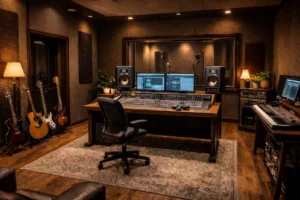 In Nashville, choosing the right mixing engineer is less about finding a name and more about matching genre experience, live-session skill, and workflow clarity. When the process fits the project, mixes sound better, timelines shorten, and releases stay stress-free.
Order professional online mixing and mastering for your Nashville release at AREFYEV Studio.
Mini-FAQ
How do I choose a mixing engineer online?
– Focus on genre experience, workflow clarity, real releases, and revision structure.
Does genre experience really matter?
– Yes. Different styles require completely different balance and processing decisions.
Can live recordings be mixed remotely?
– Absolutely — many Nashville multitrack sessions are finished online.
How many revisions are normal?
– Two to several focused rounds are standard in professional workflows.
Is remote mixing professional quality?
– Yes, when handled by experienced engineers with clear processes.
What should I send first?
– Prepared stems or multitracks along with a rough mix and reference tracks.