Lectrosonics S1 Shotgun Microphone — Specs, MKH 416 Comparison, and Real-World Verdict
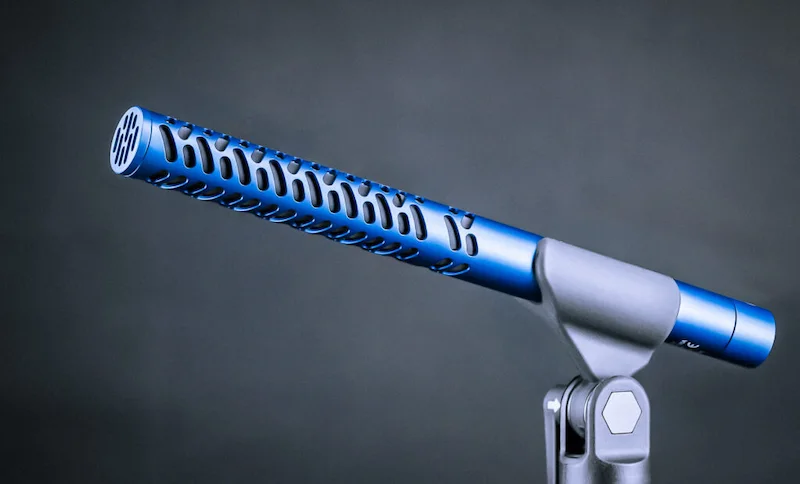
Lectrosonics S1 shotgun microphone is a new RF-bias condenser shotgun mic built for film, TV, and broadcast production. It offers 10 dBA self-noise, ultra-low power draw, and a lightweight boom-friendly design. At $1639, it directly competes with industry standards like Sennheiser MKH 416 and Schoeps CMIT 5U — but without long-term field validation.
Quick verdict: technically strong, but still unproven in real production environments.
Specs at a glance
- Type: RF-bias condenser shotgun microphone
- Polar pattern: Supercardioid
- Frequency response: 20 Hz – 20 kHz
- Self-noise: 10 dBA
- Max SPL: 130 dB
- Power: 48V phantom (<2 mA)
- Length: 215 mm
- Weight: 78 g
- Price: ~$1639
- Release: H2 2026
What makes the Lectrosonics S1 different
The defining feature is its RF-bias capsule design, which provides stability in humid environments and reduces performance drift. This is not new technology, but it is rarely implemented outside legacy designs.
Lectrosonics also claims a new line-tube geometry with radial symmetry, aiming for consistent off-axis rejection and reduced coloration. If accurate, this directly addresses one of the biggest issues in shotgun microphones — tonal inconsistency when the source moves.
The 78 g weight is another aggressive design choice, clearly targeting boom operators working long takes.
Lectrosonics S1 vs MKH 416 vs CMIT 5U
| Microphone | Self-noise | Weight | Price | Strength |
|---|---|---|---|---|
| Lectrosonics S1 | 10 dBA | 78 g | $1639 | Low weight + RF stability |
| Sennheiser MKH 416 | 13 dBA | 175 g | $1000–1200 | Reliability + industry standard |
| Schoeps CMIT 5U | 13 dBA | 89 g | $2000+ | Natural off-axis response |
Key takeaway: S1 is trying to combine RF reliability with modern acoustic design, but it lacks the proven track record of its competitors.
Real-world use cases
- Film dialogue recording — stable off-axis response reduces post-processing
- Broadcast and ENG — low power draw suits mobile rigs
- Outdoor production — RF design improves resistance to humidity
In practical audio production workflows, capture quality directly affects mixing and mastering decisions. A cleaner source reduces corrective EQ and preserves intelligibility, which ultimately impacts translation across platforms. This is why final mastering quality depends heavily on the integrity of the original recording.
Who should buy the Lectrosonics S1
- Production sound mixers working in unstable environments
- Boom operators prioritizing weight and endurance
- Mobile recording setups with limited power
Who should avoid it
- Studio-only workflows
- Users needing proven reliability
- Budget-conscious setups
Limitations and concerns
- No long-term field data
- 130 dB SPL is not class-leading
- High price for an unproven product
The biggest issue is not performance — it’s trust. In production sound, reliability outweighs innovation.
FAQ
Is Lectrosonics S1 better than MKH 416?
Not yet. On paper, it offers advantages in weight and noise, but MKH 416 remains more reliable in real-world use.
Is S1 a good microphone for dialogue recording?
Yes, if its off-axis performance matches claims. That’s the key variable.
Is it worth $1639?
Only if you specifically need its design advantages and are willing to accept risk.
Final verdict
Lectrosonics S1 shotgun microphone is a technically credible attempt to modernize a conservative category. It targets real problems — weight, humidity, and consistency — but enters a market where trust is built over years, not specs.
Bottom line: promising, but not yet a replacement for established tools.