San Diego is a city built on live momentum. From packed nights at The Observatory North Park to touring acts at House of Blues San Diego in the Gaslamp Quarter, and intimate performances at The Casbah, artists here move fast. A show ends, a multitrack recording exists, and within days musicians want that performance on streaming platforms.
That urgency leads to one recurring question:
“Do I need mixing, or is mastering enough?”
The most common mistake local artists make is ordering mastering too early. The track feels close, the energy is there, but the balance, clarity, or low-end control is not fully resolved. This guide gives San Diego artists a clear decision framework, plus realistic local scenarios, so you can choose the right service the first time.
The Difference (In Plain English)
 Mixing is the stage where all individual tracks are balanced and shaped. It involves adjusting levels, controlling the low end, placing instruments in stereo space, refining vocals, managing bleed in live recordings, and solving technical issues inside the session. Mixing works inside the multitrack project.
Mastering happens after mixing. It works on a finished stereo file. The goal is final polish: adjusting overall loudness, subtle tonal balance, and ensuring translation across headphones, car systems, and streaming platforms. Mastering does not rebalance vocals against drums or fix phase issues in live recordings. It enhances what is already there.
In short, mixing builds the foundation. Mastering refines the result.
The 60-Second Test: Is Your Track Ready for Mastering?
Before paying for mastering in San Diego, run a quick listening test across everyday systems.
Start with your phone speaker. If the vocal disappears in the chorus or the bass vanishes completely, that is a mixing issue. Move to laptop speakers. If the track sounds muddy, crowded, or harsh, that is also a mixing problem. Finally, compare your track to a reference song in a similar genre. If your version feels noticeably less clear or unbalanced rather than simply quieter, it likely needs mixing first.
If even one of these tests exposes instability in balance or clarity, mastering alone will not solve it. Mastering can amplify strengths, but it also reveals weaknesses.
San Diego Mini-Cases: Realistic Local Scenarios
Live Recording After a North Park Gig
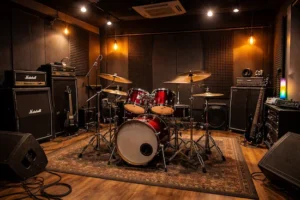 Many San Diego artists record multitracks after shows in North Park or Gaslamp venues. These recordings often include drum bleed, vocal mic spill, room reflections, and audience noise. Even if the performance is strong, the tracks usually require editing, phase alignment, and balance adjustments.
In these cases, mixing is almost always necessary before mastering. Attempting to master a raw live stereo bounce typically exaggerates bleed and imbalance rather than fixing it.
Home Studio Demo in Barrio Logan
San Diego has a growing DIY recording culture in neighborhoods like Barrio Logan and Little Italy. Home sessions often suffer from uneven vocal levels, untreated room reflections, and low-end inconsistency due to limited monitoring environments.
Mastering cannot reposition a vocal that sits too far back in the mix or correct inconsistent dynamics between verses. A proper mix addresses those core elements first.
Beat + Vocal Single for Streaming
For artists recording vocals over purchased or produced beats, especially in hip-hop or pop, the most common issue is vocal placement. The instrumental may already be mastered or pre-limited, but the vocal needs integration, EQ shaping, and dynamic control.
Even when the beat sounds polished, the combined project almost always benefits from a dedicated mix before final mastering.
When Mastering Alone Is Enough
 There are situations where mastering by itself is appropriate. If your stereo mix is professionally balanced, free of clipping, consistent across listening systems, and the vocal sits clearly in the track, mastering can be sufficient.
This often applies to fully produced studio projects that were already mixed by an experienced engineer. It can also apply to re-releases of previously mixed material.
The key factor is whether the mix itself is stable and finished.
— See also: San Diego Stem Export Guide: How to Send Files After a Live Show for Online Mixing —
Quick Comparison Snapshot
For most live club sets recorded in North Park or Gaslamp, mixing is required before mastering. For home demos recorded in small apartments or project studios, mixing is usually essential. For fully produced and already balanced studio mixes, mastering alone may be appropriate.
San Diego’s live-driven and DIY ecosystem means that the majority of locally created tracks benefit from mixing first.
Try a Free Demo Mastering
If you are unsure whether your San Diego track truly needs full mixing or is already close to release-ready, you can start with a free demo mastering at AREFYEV Studio. Send one song or even a short section, and hear how your mix translates through professional processing. This low-risk step can reveal whether deeper mix adjustments are necessary before committing to a full project.
Why San Diego Artists Often Choose the Wrong Service
 The decision mistake usually happens under pressure. An upcoming show in Gaslamp, a festival appearance, or a quick follow-up performance in North Park creates urgency. Artists assume mastering is faster and cheaper, so they skip mixing.
Budget limitations also influence decisions. Mixing feels like an extra step, but in reality, skipping it can lead to paying twice—first for mastering, then for a remix when problems become obvious.
Another factor is confusion created by online marketplaces that promote mastering as a “quick fix.” Mastering is powerful, but it is not corrective in the way mixing is.
How Mixing First Can Actually Save You Money
In San Diego’s studio market, hourly models often mean every revision costs additional time and budget. If a stereo master exposes issues that should have been addressed in mixing, the project returns to square one.
A properly executed mix reduces revision rounds during mastering and ensures a smoother, more predictable workflow. Clean stems, consolidated files, and a stable mix foundation reduce total production cost over time. Planning correctly from the start prevents expensive rework.
FAQ
Do I need mixing or mastering in San Diego?
– Most live and home-recorded tracks in San Diego require mixing before mastering, especially after performances in venues like North Park or Gaslamp.
Can live recordings be mastered without mixing?
– Usually no. Live multitracks often contain bleed, phase issues, and balance problems that must be corrected during mixing.
What is the difference between mixing and mastering?
– Mixing balances and processes individual tracks. Mastering enhances the final stereo mix for loudness, clarity, and streaming readiness.
How fast can mixing be done after a gig in North Park?
– With properly prepared stems, a first mix can often be delivered within a few business days, depending on complexity.
Is mastering enough for a home studio track?
– Only if the stereo mix is already balanced, clear, and free of technical issues. Otherwise, mixing is recommended first.
Planning Around San Diego Show Cycles
San Diego’s live calendar influences release strategy. Artists performing regularly in North Park or the Gaslamp Quarter often aim to release tracks between shows to maintain audience momentum. Little Italy venues and neighborhood events also create short promotional windows.
A smart workflow builds in time for mixing before scheduling mastering. If a release is planned around a major show, allow buffer days for revisions. Live recordings nearly always require more preparation than expected. Remote mixing often moves faster than waiting for studio booking availability, especially during busy seasonal periods.
Conclusion
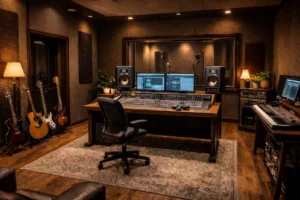 San Diego’s music culture thrives on live energy and independent production. But that same speed creates confusion about when to mix and when to master.
In most live and home recording scenarios, mixing comes first. Mastering is the final stage that enhances an already balanced track. Choosing correctly saves time, protects your budget, and ensures your release reflects the quality of your performance. Get a free file review and a full mixing and mastering quote for your San Diego release at AREFYEV Studio.