
Mastering for Streaming Platforms — Why Tracks Change After Upload
A master can feel controlled during export, then behave very differently once listeners hear it through streaming platforms, phones, cars, earbuds, and wireless playback systems.
The uploaded file may technically stay the same, but Spotify, Apple Music, YouTube, TikTok, and mobile devices can change how the master actually feels after upload.
Most independent artists releasing music in the US still assume the uploaded WAV remains untouched after distribution. It does not.
Streaming platforms rebuild uploaded audio differently for phones, earbuds, cars, Bluetooth playback, and compressed mobile streaming.
That is why modern streaming mastering is really about preventing the release from falling apart once upload processing begins changing playback behavior.
One master now has to survive phones, earbuds, cars, laptops, Bluetooth speakers, and heavily compressed mobile playback.
Our studio approaches mastering for streaming platforms as a playback consistency problem, not just a loudness target.
Even small mastering decisions can change how aggressively streaming platforms expose harshness, clipping, low-end instability, and transient collapse later.
Why Streaming Platforms Change Audio After Upload
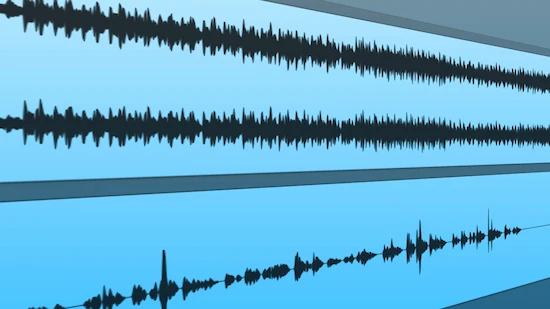 One of the biggest misunderstandings in modern music releases is the idea that streaming platforms simply “play back” the file you upload. They do not.
The original WAV becomes the starting point for another chain of processing — and that chain changes the way the master behaves in real playback conditions.
One of the biggest misunderstandings in modern music releases is the idea that streaming platforms simply “play back” the file you upload. They do not.
The original WAV becomes the starting point for another chain of processing — and that chain changes the way the master behaves in real playback conditions.
The moment a track reaches Spotify, Apple Music, YouTube, TikTok, or SoundCloud, the platform begins rebuilding the audio for its own ecosystem. The file may be converted into multiple compressed formats, adapted for different bandwidth conditions, normalized for playback consistency, and delivered differently depending on the listener’s device.
A master that feels aggressive and exciting inside the studio can suddenly lose impact after upload. The kick stops hitting the same way. The bass feels softer or less controlled. Cymbals that sounded clean become brittle. Small clipping artifacts that were barely noticeable in the DAW suddenly jump forward once streaming codecs start reacting to dense transients and pushed upper mids.
Some tracks lose punch and depth online even when playback level stays similar to the original export.
This is why artists often compare the uploaded version against the original WAV and immediately feel that something became flatter, harsher, or less emotional — even when the platform technically did not "damage" the file in a traditional sense.
We see this constantly with independent releases coming through streaming-first distribution pipelines in the US. A mix may sound impressive during production, especially when monitored loudly in treated rooms, but consumer listening introduces conditions that expose weaknesses differently. Phones exaggerate upper-mid harshness. Bluetooth speakers flatten transient detail. Earbuds often over-emphasize unstable low-end movement that sounded fine on full-range monitors.
The same problems usually appear over and over after upload: weaker kicks, sharper cymbals, unstable vocals, and flatter choruses.
Once the release gets normalized, compressed, and distributed across different devices, the balance can react very differently from the original studio export. As a result, mastering decisions that seem harmless before export can trigger unexpected behavior later.
For example, heavily limited transients may survive local playback but lose depth once compression algorithms begin simplifying the waveform. Extremely dense low-end can blur faster during codec conversion. Bright masters designed to feel “expensive” sometimes become fatiguing after upload because online listening chains amplify the sharpest frequency areas first.
Two masters can hit nearly identical playback levels and still feel completely different once listeners move between phones, cars, earbuds, and Bluetooth playback. real-world playback consistency is less about peak numbers and more about how stable the record remains outside the studio.
Some of these playback shifts become even more obvious on platforms that aggressively reshape media environments. We explored this in more detail in our breakdown of YouTube mastering.
Similarly, many clipping issues artists notice after release are not caused by “bad exports” at all. They often appear because platform processing reacts unpredictably to already stressed peaks and over-limited material. We covered this behavior separately in our article about loudness and clipping in mastering.
Some platforms expose harsh highs, clipped transients, and unstable stereo width much faster than others once the upload gets compressed for streaming delivery.
Normalization discussions often distract artists from the larger issue — whether the master itself still feels balanced once streaming ecosystems begin reshaping it. The bigger issue is that streaming platforms reshape dynamics, tonal balance, and transient behavior differently once the release goes live.
Upload is where the master finally leaves controlled studio playback and starts reacting to real consumer listening conditions.
The Real Streaming Problem Is Translation, Not Loudness
Most conversations about streaming mastering still revolve around loudness. Artists often focus too heavily on playback level and competitive volume. Producers chase “competitive level.” Somebody uploads a track, notices it got turned down, and immediately assumes the platform ruined it.
For most modern releases, loudness is no longer the main problem.
A modern release does not live in one playback environment. The same master moves through earbuds on the subway, phone speakers in kitchens, Bluetooth systems in cars, smart speakers in untreated rooms, laptops with exaggerated upper mids, gaming headsets, gym speakers, and compressed wireless playback chains that reshape dynamics before the listener even notices.
A track can sound huge in controlled playback and still collapse in the real world. Sometimes the vocal becomes strangely disconnected once the song hits smaller speakers. Sometimes the kick loses authority even though the low end looked massive during mastering. Other times the top end becomes exhausting after twenty seconds on AirPods even though the original export sounded polished in the studio.
Making the master louder rarely fixes those problems. In many cases, it makes them easier to hear once the track reaches real listening environments.
Aggressive masters usually break faster across streaming platforms because there is less space left for consumer listening systems to breathe. Once the master becomes too dense, smaller playback systems start losing separation and clarity almost immediately. The result can feel strangely lifeless online even if the original file sounded exciting during export.
We see this pattern constantly with independent releases prepared for modern streaming releases and online distribution. The track feels “finished” because it is loud. Then the release goes live and the mix starts feeling smaller, sharper, narrower, or more fatiguing than expected.
The problem is not always the platform itself. Very often the master was optimized for level instead of playback stability.
Streaming normalization does not protect tonal balance. It does not preserve punch. It does not repair stressed transients or unstable upper mids. It simply adjusts playback level according to the platform’s own behavior. A distorted master turned down by normalization is still distorted. A harsh master stays harsh. A congested chorus remains congested.
This is one reason why two tracks at similar loudness can feel completely different online. One remains open and controlled across devices. The other starts fighting playback systems immediately.
Think about how listeners actually consume music now. A huge percentage of streaming playback happens through compact speakers with limited physical depth. Low-end information competes for survival inside tiny drivers. Vocal presence becomes more critical because background listening environments are noisy. Bluetooth compression chains smear transient edges and subtly reshape stereo width before the signal even reaches the listener.
Cars expose translation weaknesses very differently because road noise, cabin acoustics, and playback volume constantly change the way the balance feels.
A master that feels balanced on studio monitors can become unstable inside modern vehicle systems where low frequencies are exaggerated differently at every volume level. In weaker masters, the center image can suddenly lose focus. Others become overly dense once road noise masks quieter dynamic movement.
Good mastering prevents the vocal, low end, and transients from collapsing once the track leaves the studio environment. Perfect consistency across every device is unrealistic now.
Many of the most stable commercial masters are not the loudest ones. They are the masters that keep their balance and impact across unstable playback conditions.
Ironically, many artists only discover translation problems after release day. A track sounds huge in the session, then feels weak once listeners hear it outside the studio bubble.
If a release consistently feels smaller online than it did during mastering, the issue is usually deeper than playback level alone. We explored some of those causes separately in our article on why songs sound quiet after release.
Bedroom producers run into this especially often because streaming playback exposes weaknesses that remain hidden during production sessions.
And when a master begins falling apart online — harsh clipping, smeared low end, flattened impact — the issue is often less about “platform damage” and more about how aggressively the audio was pushed before upload. We covered that separately in our breakdown on how to fix distorted masters that collapse during streaming playback.
Streaming mastering today is not about winning the loudness race.
It is about keeping the record controlled and believable after the real-world playback chain starts reshaping the original balance of the master.
Why the Same Master Reacts Differently Across Streaming Platforms
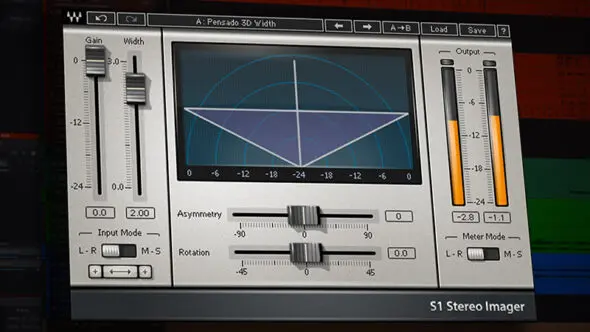 One of the hardest things for artists to accept is this:
the “perfect” streaming master does not exist.
One of the hardest things for artists to accept is this:
the “perfect” streaming master does not exist.
Not because engineers lack skill. Because streaming platforms themselves do not behave the same way.
Every major platform rebuilds playback around its own priorities. Different streaming services can expose translation problems differently once the release reaches real consumer playback environments.
That means the exact same master can feel wider on one service, flatter on another, sharper somewhere else, and strangely smaller in a completely different playback environment.
In many cases, the platform is simply exposing weaknesses that were less obvious before upload.
Some playback shifts are subtle at first. The vocal may feel more forward than intended. Low-end weight can soften. Stereo edges may lose focus once compression and consumer playback systems start simplifying the image. Hi-hats start feeling harder after compression chains simplify upper-frequency detail.
A decision that improves one playback environment can easily hurt another one. More aggressive limiting may increase impact on headphones while making the same record feel smaller in cars. Extra stereo width may sound exciting in the studio and then lose focus on phones or Bluetooth speakers later.
Push one area too hard and another environment starts reacting badly.
For example, a hyper-dense master designed to feel massive on headphones may lose depth quickly once compressed streaming playback chains begin reducing microdynamic movement. On the other hand, a cleaner and more open master may survive translation more naturally across Bluetooth playback, smart speakers, and smaller consumer devices.
Every streaming master involves tradeoffs between punch, clarity, stereo stability, and long-term listening comfort.
Modern mastering engineers are not creating identical playback across platforms anymore. That goal became unrealistic years ago. The real objective is maintaining a stable listening experience even after different platforms begin reshaping the playback experience.
| Platform | Main Playback Behavior | Most Common Translation Issue | Typical Mastering Risk |
|---|---|---|---|
| Spotify | Normalization-focused playback across highly varied consumer devices | Dense masters losing movement after normalization and codec conversion | Over-limited masters collapsing dynamically |
| Apple Music | Codec-sensitive playback with strong focus on clarity and detail | Upper-frequency harshness becoming more obvious | Bright masters reacting aggressively after encoding |
| YouTube | Video-oriented playback with inconsistent listening environments | Dialogue or vocal focus shifting unpredictably | Dense masters losing separation after compression |
| TikTok | Phone-first playback with short-form listening behavior | Low-end instability on mobile speakers | Overloaded bass masking vocal clarity |
| SoundCloud | Wide variety of upload quality and playback systems | Loss of stereo focus and transient detail | Weak translation across consumer playback chains |
A lot of artists only realize their master is unstable after the release goes public. The song sounded expensive during export. Then somebody plays it from a phone in a car, or through cheap earbuds, and suddenly the vocal feels buried, the kick loses weight, or the chorus turns aggressive. Streaming playback exposes those weaknesses very quickly.
This is exactly why platform-specific discussions became so fragmented over the last few years. Different streaming ecosystems often expose very different playback weaknesses inside the same master.
The same thing happens with long-form playback ecosystems. A track that survives compressed phone playback may still react differently once video-based delivery systems start rebuilding the audio chain around dialogue, loudness balancing, and multi-device consumption. Harsh upper frequencies often become far more obvious after streaming conversion, especially when the original master already pushes aggressive top-end energy. That problem becomes much easier to notice in releases struggling with fixing harsh highs in mastering.
Different platforms can expose brightness and transient issues differently after upload. This is one reason artists sometimes notice harshness or transient brittleness appearing after release even when the original export sounded controlled. Those differences become much easier to notice once the release starts reacting differently across streaming services.
Even platforms with simpler delivery chains can expose weak translation surprisingly fast once playback conditions become inconsistent. That behavior creates its own mastering challenges, especially around stereo focus and low-end control, which we covered further in our article about SoundCloud mastering.
The best streaming masters hold together more naturally as playback conditions shift from platform to platform.
Hear how your track reacts to streaming platforms before release
A master can feel powerful inside the studio and still lose depth, punch, or balance after upload. Send us your mix and get a free demo master (up to 30 seconds) to compare your original version against a streaming-ready master built for real playback environments — not just meters.
Used by independent artists releasing music to Spotify, Apple Music, YouTube, TikTok, and other streaming platforms.
Codec Survival and Why Some Masters Fall Apart Faster
Not every master reacts to streaming compression the same way.
Some tracks stay surprisingly stable after upload. The punch remains intact, the vocals hold their position, the low end keeps its weight, and the stereo image still feels controlled across different playback systems.
Others begin losing stability very early in the streaming conversion process.
The kick loses weight and physical movement. Hi-hats become sharper than expected. Dense choruses begin collapsing together. Stereo depth feels less focused on smaller playback systems.
Most artists blame the platform when this happens.
In reality, streaming codecs usually do not create problems from nowhere. They expose problems that were already sitting inside the master before upload.
Streaming codecs simplify audio aggressively once the upload process begins. During that process, unstable mastering decisions tend to become more obvious. Dense transients lose definition faster. Overloaded upper mids become sharper. Hyper-limited sections flatten further because there is very little dynamic movement left for the codec to preserve naturally.
Overly aggressive masters often sound impressive at first and exhausting later.
Inside a loud studio session, extreme density can feel exciting at first. But streaming playback often turns that intensity into harshness, congestion, and listening fatigue much faster than artists expect.
We hear this regularly during revisions. A loud master may feel exciting during the session, then reveal brittle cymbals, flattened kick transients, or unstable vocal edges once checked through earbuds, phones, or car playback outside the studio.
Transient collapse is one of the easiest streaming-related failures to recognize after release.
When transients are clipped too aggressively during mastering, streaming codecs tend to exaggerate the damage instead of hiding it. Snares lose depth. Kicks stop moving air naturally. Cymbals become grainy instead of sharp. The entire rhythm section starts feeling smaller even though the waveform itself still looks “big.”
Low-frequency translation creates another major problem during streaming playback.
Large sub-heavy masters may sound controlled on full-range systems but become unstable once platform processing hits phones, Bluetooth speakers, and compressed wireless listening chains. Low frequencies begin competing for limited speaker space. Bass notes lose consistency from one device to another. Sometimes the low end disappears entirely at lower playback volumes, then suddenly overloads larger systems later.
Weak low-end control becomes extremely obvious once the release hits phones, earbuds, and Bluetooth playback. The codec itself is not “breaking” the bass. It is reacting to information that was already difficult to translate cleanly.
High-frequency instability becomes much easier to hear once streaming conversion starts reshaping aggressive top-end information.
A lot of modern masters rely too heavily on aggressive top-end energy that becomes harder to control after streaming conversion. Locally, this can feel expensive and modern. But streaming codecs often magnify the sharpest parts of those frequencies first. Suddenly the vocal edges feel piercing. Hi-hats start sounding brittle. Listener fatigue arrives much faster than expected.
Harsh upper frequencies often become far more obvious after streaming conversion, especially when the original master already pushes aggressive top-end energy. That problem becomes much easier to notice in releases struggling with fixing harsh highs in mastering.
Stereo width creates another hidden problem.
Some masters rely heavily on exaggerated side information to sound “larger than life” during production playback. But mobile listening environments are rarely ideal for wide stereo presentation. Bluetooth speakers, phones, laptops, cars, and smart devices constantly reshape stereo balance in unpredictable ways. Once codec compression enters the chain, unstable stereo content can blur together surprisingly fast.
That is when masters begin losing center focus. Vocals drift backward. Low-end imaging becomes cloudy. The mix can start feeling smaller and less focused even though the tonal balance itself did not change dramatically.
This is one reason muddy masters often become dramatically worse online compared to local playback. We explored that behavior separately in our article about fixing muddy masters, especially how density buildup reacts during streaming playback.
What makes streaming mastering difficult is that local playback can hide many of these problems temporarily. Loud monitoring environments smooth over transient distortion. Expensive headphones mask weak translation. Full-range studio systems make unstable low end feel more controlled than it really is.
Those weaknesses become much easier to hear once the track reaches consumer playback systems.
It forces the master into unpredictable consumer environments where stressed processing decisions become easier to hear. That is why codec damage is often less about the codec itself and more about how fragile the master already was before conversion started.
We see this especially often with distorted masters that were pushed too aggressively during final limiting stages. Once streaming compression begins reacting to clipped peaks and flattened dynamics, artifacts become much harder to ignore. Our article on fixing distorted masters breaks down why some records fall apart online even when they sounded acceptable before upload.
They are the ones that remain controlled after codecs, wireless playback chains, and real-world listening systems begin stripping pieces away from the original file.
Streaming-First Mastering Decisions in Modern Releases
 The streaming era changed mastering priorities more than many artists realize.
A decade ago, engineers were often mastering for controlled playback environments first — clubs, CDs, radio systems, physical media, dedicated listening spaces. Today, most releases in the US enter a completely different ecosystem from day one.
For most modern releases, streaming playback becomes the primary listening environment from the first day the track goes live.
That changes the way modern mastering decisions are made long before the limiter stage even begins.
The goal is no longer to create the loudest possible file for a predictable playback chain. The goal is to create a record that survives unstable listening environments while still sounding controlled and modern next to commercial releases.
For example, preserving dynamics became far more important than many producers expected. Not because streaming platforms “reward” dynamics directly, but because modern playback systems punish overly flattened masters faster than older formats did.
A track with breathing room often keeps its impact longer across phones, earbuds, cars, and smart speakers. The record keeps its impact because enough dynamic movement still survives after streaming processing begins reshaping the master. When everything gets crushed for maximum density, streaming systems tend to expose the fatigue almost immediately.
Modern streaming releases depend more on stable playback behavior than on maximum output level alone.
A streaming master does not need extreme loudness to remain competitive across modern playback systems. In fact, many modern commercial releases feel powerful specifically because they avoid forcing every section to hit maximum intensity all the time. The energy moves more naturally. Choruses expand instead of collapsing into saturation. Kicks maintain shape instead of turning into flat blocks of low-frequency pressure.
That kind of control matters far more now because listeners move between devices constantly throughout the day.
A track may begin on AirPods during a morning commute, continue through laptop speakers at work, move into a car system later, then finish on a Bluetooth speaker at night. The balance has to remain convincing through every transition.
Low-end behavior became far harder to control once streaming playback replaced predictable studio listening environments.
Huge uncontrolled sub-bass may sound impressive during production playback, but streaming environments rarely reproduce low frequencies consistently. Modern mastering often focuses less on “more bass” and more on stable low-end behavior — keeping the low end stable and audible without making it collapse on smaller systems or overload larger ones unpredictably.
Vocal placement also became far more important in streaming-first releases.
Streaming playback rarely happens in ideal listening conditions. If the vocal placement is unstable, the vocal focus of the song starts disappearing quickly once real-world playback begins. Modern streaming masters often prioritize vocal consistency more carefully than older release formats did because the voice usually carries the strongest emotional anchor across consumer devices.
Modern streaming releases fail fast when the balance only works on one playback system. A master that only works on one playback system usually falls apart once real-world device switching begins.
Some mastering decisions that feel impressive during production playback become much harder to control once streaming conversion and consumer listening environments enter the chain. Likewise, over-dense low mids may sound warm locally while turning muddy after playback compression reshapes the stereo image.
A streaming master that feels huge for thirty seconds but exhausting after two minutes usually fails in real listening conditions. That is why modern mastering decisions focus more heavily on long-term balance, movement, and consistency across devices instead of short-term loudness impact alone.
For most modern releases, streaming playback is now the primary mastering target by default.
For most commercial releases today, mastering decisions are made with streaming playback already in mind because upload processing will reshape the final listening experience anyway.
No matter where the release ends up, streaming playback reshapes the listening experience long after export. Platform-aware mastering is no longer optional because the platforms themselves became the primary listening environment.
A lot of artists still imagine mastering as a final loudness stage at the end of production. In reality, modern mastering decisions are tied directly to translation behavior, playback adaptation, and long-term listening stability. We broke down some of those decision-making stages further in our article about how professional mastering works.
The preparation stage matters more now as well. Small balance problems that seem harmless before mastering often become exaggerated once streaming playback enters the picture. That is one reason proper preparing a mix properly before mastering plays such a major role in streaming translation later.
And while listeners rarely think about the mastering chain itself, the sequencing of dynamics, tonal shaping, stereo control, and limiting decisions directly affects how well a release survives modern streaming ecosystems. The order of processing decisions matters more than many artists realize, especially once streaming playback starts exposing weak balances and unstable dynamics.
Why Streaming Problems Often Start in the Mix
A lot of artists discover streaming problems only after release day.
The master suddenly feels muddy online. The vocals lose clarity inside playlists. The low end behaves differently on every speaker. Harshness appears that somehow was not obvious during production.
Most of the time, streaming playback is exposing instability that was already sitting inside the mix before mastering even began.
Streaming playback exposes unstable balances much faster than controlled studio monitoring. Small masking problems that seem harmless during production become much easier to hear once codecs, consumer playback systems, and real-world environments start reshaping the audio.
This happens constantly with low-end control.
Inside a treated room, dense bass layering may feel powerful and cinematic. But once the track reaches phones, Bluetooth playback chains, laptops, and streaming compression systems, uncontrolled low frequencies begin competing for limited space. The kick starts losing definition once smaller playback systems enter the chain. Bass notes blur together. The center of the mix feels unstable depending on playback volume.
Upper mids create another common problem.
A mix can sound exciting while producing and still become exhausting after streaming conversion begins. Slightly aggressive vocal edges or sharp synth harmonics often become more exposed online because streaming playback systems simplify and exaggerate the most forward frequency areas first.
As a result, some tracks become surprisingly tiring after release even though nothing technically “breaks” during upload.
Stereo width causes similar issues.
Wide mixes may sound impressive in isolated production environments but lose focus quickly once consumer playback conditions enter the picture. Smart speakers collapse depth differently than headphones. Cars shift stereo perception depending on seating position. Bluetooth playback chains reduce separation in subtle ways that slowly flatten the depth and movement of the record.
Streaming distribution simply makes unstable balances harder to hide once the mix leaves the studio environment.
Many artists misunderstand what mastering can realistically fix once the mix itself becomes unstable.
Professional mastering can absolutely improve translation. It can stabilize tonal balance, control dynamics, reduce harshness, tighten low-end behavior, and improve playback consistency across platforms.
But mastering cannot completely rebuild a broken mix.
If the vocal is heavily masked, if the low mids are overcrowded, if stereo movement is fighting the center image, or if transient balance is already collapsing, streaming playback usually magnifies those weaknesses instead of hiding them.
We see this especially often with independent streaming releases where producers spend weeks chasing loudness but very little time evaluating how the mix itself translates outside the studio session. Then the song reaches major streaming platforms and suddenly the emotional impact feels smaller than expected.
Artists often blame the platform first because the playback problems only become obvious after release.
But the real issue often started much earlier.
That is one reason modern mastering workflows begin evaluating translation problems before final processing decisions happen. The strongest results usually come from identifying unstable balances early instead of trying to “repair” them aggressively later during limiting stages.
That boundary becomes much easier to understand once streaming playback starts exposing which problems belong to the mix and which belong to mastering. This becomes especially obvious when comparing how balance decisions behave differently during mixing vs mastering stages in real streaming releases.
Preparation becomes critical once the release is headed toward streaming distribution.
Small export mistakes, overloaded processing chains, clipped buses, and unstable balances often become far more obvious after streaming conversion begins. Proper mix preparation before mastering directly affects how well a release survives online playback later.
And sometimes artists simply need an experienced second perspective before release. A track may sound finished emotionally while still hiding translation problems that only become obvious outside the production environment. This is one reason our studio offers pre-mastering feedback before final delivery, especially for streaming-focused releases where playback consistency matters across multiple platforms and devices.
What Artists Should Check Before Uploading Music to Streaming Services
A surprising number of streaming problems can be spotted before the track is ever uploaded.
The issue is that many artists never test the master outside the production environment until release day. The export sounds finished inside the studio, so the song goes straight to distribution. Then the streaming version appears online and suddenly something feels wrong.
The vocal sits differently. The low end becomes unstable. The chorus loses impact. The track feels harsher on phones than it did during mastering.
At that point, fixing the release becomes much harder.
Modern streaming mastering works best when playback problems are predicted before upload, not diagnosed afterward.
One of the most important checks is simple real-world playback testing.
The goal is not expensive testing. The goal is hearing how the track reacts outside the studio.
Listen quietly. Listen on a phone speaker. Try low playback volume in a car. Move to cheap earbuds. Switch between devices quickly instead of staying inside one ideal monitoring chain for hours.
A surprising number of balance problems only become obvious once the excitement of loud monitoring disappears.
Weak balances usually reveal themselves fast when the environment changes.
- If vocals disappear quietly, the center balance is unstable
- If the kick loses definition on phones, the low end is overloaded
- If cymbals become sharp on earbuds, the upper mids are already overstressed
- If the chorus collapses in the car, the master is too dense
If the vocal disappears at low volume, the center focus may already be unstable. If the bass only feels powerful on large speakers, the low-end translation probably depends too heavily on sub information. If the chorus suddenly becomes tiring on earbuds, the upper mids may already be overstressed before streaming codecs even touch the file.
Clipping should be checked carefully too.
Not just visible clipping inside the DAW — audible clipping during realistic playback conditions. Some masters remain technically clean during export but begin producing audible artifacts once consumer playback systems and streaming compression chains start reacting to pushed transients.
A streaming release does not need identical playback everywhere, but it does need stable emotional balance across different devices.
A track does not need to feel identical everywhere. That goal is unrealistic now. But the emotional balance should remain stable enough that the record still feels intentional across multiple listening environments.
This is one reason many experienced engineers test masters quietly before delivery. Low-volume playback exposes balance problems very quickly because excessive density, weak vocal placement, and unstable tonal relationships become harder to hide once the excitement of loud monitoring disappears.
Phone playback is especially important now because a massive portion of streaming consumption happens through mobile devices. If the song completely loses impact on a phone speaker, the issue usually started long before distribution.
The biggest mistake artists make is treating upload as the first real-world test.
Streaming platforms are not quality-control tools. They are playback ecosystems. By the time the track reaches Spotify, Apple Music, YouTube, TikTok, or SoundCloud, the master should already be stable enough to survive translation changes predictably.
That does not mean obsessing over every tiny detail. It means catching obvious playback weaknesses before release day instead of after listeners hear them.
We covered broader final-release preparation separately in our mastering checklist, especially the final-stage issues artists commonly overlook before distribution.
Sometimes the fastest solution is simply identifying the real problem before release instead of trying to force another louder export. We explored that process further in our article on how to fix a weak or unstable master before the streaming version starts exposing every issue publicly.
The strongest releases usually sound predictable before upload.
Well-controlled streaming releases usually sound predictable before upload because the translation problems were already addressed earlier in the mastering stage.
A streaming release should survive outside the studio
A master can sound impressive during production and still lose impact once Spotify, Apple Music, YouTube, TikTok, and real-world playback systems start reshaping it. Our studio focuses on playback consistency — keeping punch, clarity, balance, and emotional weight intact after upload processing begins. Send your track for a free demo master and hear how your release responds to actual streaming playback conditions before it goes live.
Free demo mastering up to 30 seconds. Real engineer. Real streaming translation analysis.
Streaming Mastering FAQ
Does every streaming platform change audio differently?
Yes. Every platform processes playback differently because each ecosystem uses its own combination of codec behavior, normalization logic, playback adaptation, and listening environments. A master that feels balanced on Spotify may react differently on Apple Music, YouTube, TikTok, or SoundCloud once compression chains and consumer playback systems begin reshaping the audio.
Should music be mastered separately for Spotify and Apple Music?
In most cases, no. Most professional releases use one primary streaming master designed to remain stable across multiple platforms. The real goal is not creating separate masters for every service, but preventing the record from collapsing once different codecs, playback systems, and normalization behaviors start reshaping it after upload.
Why does my track sound worse after upload?
Usually because streaming playback exposed problems that were less obvious locally. Compression codecs, playback normalization, Bluetooth listening chains, phone speakers, and consumer playback systems often reveal harshness, clipping, weak low-end control, masking, or unstable stereo balance much faster than studio playback does. The platform itself is not always “damaging” the track — it is often exposing how fragile the translation already was before upload.
Does normalization make mastering unnecessary?
No. Playback normalization does not repair weak mastering decisions. It cannot fix distorted transients, harsh vocals, unstable bass, masking, or collapsed dynamics. It only changes playback level. A weak master turned down by normalization still sounds weak.
Can clipping appear after uploading music?
Yes. Artists run into this constantly after release. The original export may sound acceptable inside the DAW, then suddenly produce crackling cymbals, flattened kicks, harsh vocal edges, or brittle transients once streaming conversion begins reacting to clipped peaks and overloaded frequency ranges.
What is the safest loudness approach for streaming releases?
The safest approach is usually the one that preserves playback stability instead of chasing maximum level. A controlled master with healthy dynamics, stable low-end behavior, and balanced transients will often survive streaming playback more naturally than an overly crushed master optimized only for loudness. Modern streaming releases succeed when they remain emotionally consistent across phones, earbuds, cars, laptops, and real-world playback systems — not when they simply measure louder on meters.
Streaming Mastering Is About Survival, Not Just Loudness
The idea that mastering for streaming platforms is only about hitting the “correct” loudness target is outdated now.
Modern streaming playback is far more complicated than simple level matching. Every release moves through playback adaptation, platform processing, and device-dependent playback behavior, wireless playback chains, mobile devices, smart speakers, cars, laptops, and unpredictable listening environments that reshape the master after upload.
That changes the role of mastering completely.
A streaming-ready master is not built around one platform, one meter reading, or one perfect playback system. It is built around keeping the balance believable after upload processing begins reshaping the audio.
Modern streaming mastering is largely about control under unstable playback conditions. The low end has to remain stable on small speakers. Vocals need to stay clear and stable in noisy listening environments. Harshness has to be controlled before codecs exaggerate it. And the track still needs to feel intentional after phones, cars, Bluetooth playback, and streaming conversion begin reshaping the master differently.
That is why modern streaming mastering is now focused far more on translation stability than on loudness targets alone.
The moment a track gets uploaded, the mastering environment changes completely. From that point forward, the release starts reacting to codecs, normalization systems, mobile playback, and consumer devices instead of the studio alone.
Streaming platforms will always reshape audio in some way. The strongest streaming masters are usually the ones that still feel controlled after the platform starts changing the playback conditions around them.