
Video Game Mastering — Why Music Falls Apart Inside Gameplay and How to Prevent It
A soundtrack that feels balanced in the studio can quickly lose stability once gameplay systems begin competing for space.
Combat audio, dialogue, ambience, UI sounds, and adaptive systems constantly reshape how music behaves during gameplay.
Why Great Soundtracks Fail Inside Real Gameplay
 A soundtrack can feel technically solid during production and still lose impact once gameplay systems enter the mix.
Here is where things usually start going wrong: players do not hear game music the same way they hear standalone music releases. Inside a game, the soundtrack is no longer the center of attention. It becomes part of a constantly shifting environment.
Gunfire enters the mix. Dialogue cuts through the midrange. UI sounds stack on top of transient-heavy combat effects. Ambience changes from open outdoor scenes to small reflective interiors within seconds. The frequencies that felt balanced in the studio start competing for the same space.
Many soundtrack masters start falling apart the moment the audio engine begins layering real player interaction on top of the music. A lot of these problems only appear once the build reaches extended testing.
Low-end weight that feels controlled during isolated playback but turns muddy once explosions and environmental rumble appear in gameplay. On smaller systems — especially handheld consoles or portable speakers — the bass often loses definition completely. Instead of sounding powerful, the soundtrack becomes soft and unfocused.
We see this constantly when projects arrive with unresolved low-end problems once gameplay systems become dense and unpredictable. The issue usually is not “not enough bass.” It is uncontrolled interaction between the soundtrack and the game environment itself.
High frequencies create a different type of failure. Music may feel exciting during the first few minutes, especially in aggressive combat sequences. But after thirty or forty minutes of gameplay, repeated exposure changes perception dramatically. Harsh upper mids begin building listener fatigue. Cymbals feel sharper. Synth textures become tiring. Repetitive transient spikes start wearing down the ears.
Games expose mastering problems quickly because players hear the same musical material repeatedly under changing gameplay conditions. Small EQ imbalances become easier to notice over time. Even small harshness problems become much more obvious during long gameplay sessions.
The goal is keeping long gameplay sessions comfortable instead of exhausting.
Dialogue competition creates another layer of problems. In many modern titles, especially narrative-driven games, the soundtrack constantly shares space with speech. If the emotional center of the music sits too heavily in the same frequency range as dialogue, clarity disappears. Players may not consciously identify the issue, but they feel it immediately. Scenes lose focus. Scene pacing starts losing impact. Conversations stop feeling natural.
Exploration shifts into combat. Combat drops into stealth. Menus interrupt gameplay. Cutscenes suddenly change dynamics and tonal balance. Music that feels stable during one gameplay state may become unstable in another if the mastering does not account for these transitions.
A soundtrack that feels massive in the studio can still lose stability once real gameplay pressure enters the mix.
When mastering decisions ignore real gameplay behavior, problems usually appear very quickly — unstable low end, harsh repetition fatigue, buried important musical details, inconsistent playback translation. Most of these issues are not caused by composition or mixing alone. They appear later, once the soundtrack enters a living game environment and starts reacting against everything around it.
That is also why many common mastering problems become far more obvious in games than in traditional music playback. A lot of hidden problems only show up after players spend extended time inside the same gameplay systems.
Dynamic Range in Games Feels Different From Music Playback
A song and a game soundtrack may technically use the same audio tools, but people experience them in completely different ways.
Music releases are usually passive listening experiences. Traditional music playback is usually short-form and self-contained. Even aggressive loudness can feel exciting in short bursts because the brain is focused almost entirely on the music itself.
Games work differently because the soundtrack remains active for hours while the player’s attention constantly shifts between gameplay systems. Players are reacting to gameplay, movement, dialogue, objectives, and environmental noise at the same time. That changes how dynamic range behaves over time.
A hyper-loud master that feels impressive during isolated playback can become exhausting surprisingly fast once it is tied to continuous gameplay. After a while the soundtrack stops feeling dynamic and starts feeling constant. The sense of movement slowly disappears. The contrast between quiet exploration and intense gameplay starts collapsing.
One major reason is simple: overly dense game soundtracks often lose impact instead of gaining energy.
Real gameplay depends heavily on contrast because exploration, combat, tension, and quiet environmental moments all compete for different amounts of space and intensity. Suspense builds gradually. Then action hits harder because the soundtrack has room to expand emotionally.
When mastering removes too much dynamic movement, those transitions flatten out. Combat no longer feels larger than exploration because everything already feels equally dense. The transition between exploration and combat feels forced instead of natural.
Projects designed around maximum playback density often reveal this problem very quickly once extended gameplay testing begins. The soundtrack may feel powerful at first, but during longer sessions players often lower the volume or stop reacting emotionally because the intensity never changes.
In practice video game mastering separates itself from normal loudness-focused workflows discussed in standard commercial loudness approaches. Game soundtracks behave differently because players remain inside the same audio environment for extended periods while gameplay systems constantly reshape perception.
For many games, slightly more breathing room creates a far better player experience than maximum loudness ever could. A soundtrack that breathes naturally tends to survive longer listening sessions much better across different environments — especially on headsets, portable systems, and smaller speakers where excessive density quickly becomes tiring.
Combat-heavy gameplay exposes another major problem. Gunshots, impacts, engines, destruction layers, interface sounds — all of them start competing against the soundtrack simultaneously once gameplay intensity rises.
If the soundtrack already fills every inch of space, gameplay has nowhere left to breathe.
Good game mastering is not about making the soundtrack weak. It is about controlling how intensity behaves once hours of gameplay, dialogue, and environmental audio start stacking together.
This is also why techniques commonly associated with loud commercial releases can become problematic in interactive environments. Processing designed for aggressive standalone music playback does not always translate well once gameplay systems and long-session exposure enter the equation.
In games, dynamic range is not only a technical decision. It directly shapes immersion, emotional pacing, and how long players can comfortably stay connected to the soundtrack without fatigue setting in.
Traditional Music Mastering vs Video Game Mastering
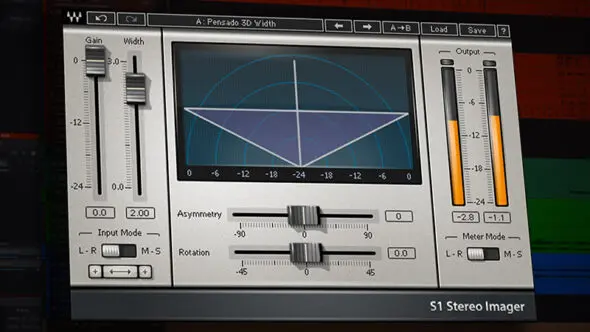 At first glance, mastering a soundtrack for games may look similar to mastering a regular music release. The same tools exist. EQ, dynamics processing, tonal balance, stereo control — all of it still matters.
Everything changes once the soundtrack leaves the studio and enters real gameplay.
Traditional music playback is predictable. A listener presses play and hears the song in a relatively controlled listening flow. Game audio behaves differently because the soundtrack constantly reacts against gameplay systems, player actions, dialogue, environmental changes, and hardware limitations.
In music releases, the focus often stays on direct standalone listening during direct listening. In games, the soundtrack must remain stable while the player’s attention shifts somewhere else. The music becomes part of an interactive environment instead of the center of attention.
This is also why video game mastering cannot simply follow the same assumptions used in traditional release pipelines or standard mixing and mastering workflows. Gameplay changes how the soundtrack behaves after implementation.
| Factor | Traditional Music Mastering | Video Game Mastering |
|---|---|---|
| Playback behavior | Linear listening experience | Interactive and constantly changing |
| Listener attention | Focused mainly on music | Shared between gameplay, dialogue, and sound effects |
| Dynamic expectations | Short-form energy and impact | Long-session comfort and emotional pacing |
| Loop exposure | Usually limited repetition | Continuous repetition exposes flaws faster |
| Environmental masking | Relatively controlled playback | Constant competition with SFX and dialogue |
| Implementation complexity | Static final master | Adaptive layers and gameplay transitions |
| Speaker variability | Music-focused listening systems | TVs, handhelds, gaming headsets, portable playback |
The tools may be similar, but the playback behavior changes completely once music enters gameplay.
Check how your soundtrack behaves outside the studio
A game soundtrack can sound cinematic during production and still lose clarity, depth, or emotional impact once it enters real gameplay.
We offer a free human-made demo master (up to 30 seconds) so indie developers, composers, and soundtrack creators can hear how their audio translates under real-world playback conditions before release.
Working on a larger OST or multi-track project? Consistency between gameplay themes, combat layers, and ambient sections matters just as much as the individual master itself.
Built for developers, composers, and soundtrack creators working in real gameplay environments.
Loop Stability Changes Everything in Game Audio
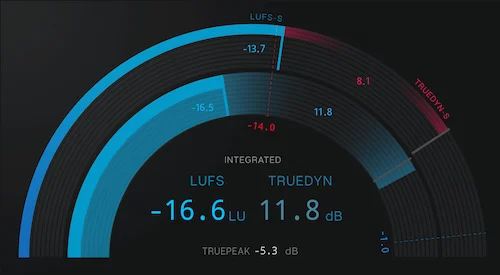 A soundtrack does not need to sound bad to become exhausting.
One major difference becomes obvious very quickly between traditional music playback and game audio. In traditional listening, a track may play once or twice before the listener moves on. In games, the same musical section can repeat for twenty minutes straight during exploration, inventory management, boss fights, grinding loops, or open-world traversal.
A slightly aggressive hi-hat transient that feels exciting during a single pass can start wearing the listener down surprisingly fast after dozens of loop cycles. Upper-mid synth textures that initially sound sharp and detailed may slowly start dominating the ear once the player remains inside the same gameplay zone for an extended period of time.
After enough repetition, players stop reacting to the soundtrack emotionally and start reacting to the fatigue instead.
Gameplay loops expose tiny mastering flaws much faster because the player keeps hearing the same frequency behavior over and over again during active interaction.
Fast percussion, distorted layers, sharp attacks — everything may feel energetic during the first few minutes. But after continuous exposure, the ear starts reacting differently. Players begin lowering volume without consciously understanding why. Emotional tension turns into listening fatigue. This usually appears during extended gameplay testing where the soundtrack technically remains balanced, yet listening fatigue builds much faster after repeated loop exposure than it did during studio playback.
High-frequency buildup is especially dangerous here because repetition amplifies harshness far more aggressively than standard music playback. Tiny EQ imbalances that seem harmless during mastering sessions can become major immersion problems once loops start repeating under gameplay conditions.
Controlling harsh high-frequency buildup becomes critically important for long-session gameplay audio because repetition magnifies fatigue much faster than traditional music playback. Not to remove excitement. To preserve listening comfort after extended exposure.
In looping environments, bass energy accumulates psychologically over time. A soundtrack may technically remain balanced, yet repeated sub movement and constant low-end pressure slowly begin masking detail, reducing clarity, and creating ear exhaustion during gameplay.
This becomes even more obvious in games with environmental rumble, cinematic impacts, vehicle movement, or layered ambient effects. If the low end inside the soundtrack is not tightly controlled, the mix can gradually feel cloudy and oversized even when no individual moment sounds obviously broken.
We regularly encounter this kind of buildup in projects struggling with soundtracks that gradually lose clarity during extended gameplay loops. The problem usually appears after repetition — not during the first playback.
Seamless looping itself also changes mastering priorities.
Good looping should feel invisible to the player. The player should stay immersed in the gameplay world without noticing where the loop resets. But aggressive limiting, unstable stereo movement, exaggerated transients, or inconsistent tonal balance can accidentally expose loop boundaries and make repetition feel mechanical.
For example, slightly exaggerated upper mids may make loop restarts feel sharper every time the cycle repeats. Low-end resonance can make environmental sections feel heavier and heavier as gameplay continues. A transient that sounds exciting once may become distracting after fifty repetitions.
Game mastering stops being only about how the soundtrack sounds during the first playback. It is about how the soundtrack behaves after prolonged exposure.
Loops constantly stress-test the master. And unlike normal music releases, players rarely experience those repetitions in a quiet listening environment. They experience them while interacting, concentrating, reacting, and staying inside the same world for hours at a time.
Adaptive Music Systems Expose Problems Static Playback Never Reveals
Music may feel perfectly balanced as a single stereo file and still break apart once adaptive gameplay systems begin switching layers in real time.
This is where many otherwise polished soundtrack masters begin falling apart unexpectedly.
Unlike traditional music releases, game soundtracks often do not exist as one fixed playback experience. The music constantly changes depending on player behavior, environment, pacing, combat intensity, exploration state, scripted events, or emotional progression inside the game world.
Music layers keep changing depending on what the player is doing moment to moment.
Ambient layers may shift into tension builds while percussion enters during combat or disappears during stealth sections. Some transitions only trigger under specific gameplay conditions, which means tonal problems often stay hidden until late implementation testing.
And once those layers begin interacting dynamically inside the engine, tonal balance can change far more aggressively than expected during offline playback.
A lot of these issues stay hidden until the soundtrack starts reacting dynamically inside the engine.
For example, an ambient exploration layer may sound smooth and spacious on its own, but once combat percussion enters, the upper mids start fighting for space almost immediately. A low-frequency drone that feels stable during isolated playback may suddenly overpower dialogue once multiple gameplay stems stack together simultaneously.
In many cases, the imbalance only becomes obvious after implementation starts reacting dynamically. Often the imbalance only appears during interaction between layers.
Transitions should feel natural instead of technically noticeable. If one layer feels dramatically brighter, narrower, harsher, or denser than the next, transitions stop feeling immersive. The transitions themselves become noticeable instead of staying inside the gameplay experience.
This usually shows up in projects where individual stems sound polished independently but behave unpredictably once combined during gameplay. Low-end pressure changes too aggressively between exploration and combat. Stereo width collapses during transitions. Midrange energy suddenly spikes when additional layers enter. Sometimes these problems stay hidden until developers test unusual gameplay paths that were never part of the original soundtrack review process.
This is why mastering decisions affect far more than tonal balance alone. They directly influence how naturally runtime playback behaves during real interaction.
A well-mastered adaptive soundtrack should feel stable even while changing constantly underneath the player experience. Transitions should feel intentional. Layer combinations should maintain clarity without sounding disconnected from one another. Energy should evolve smoothly instead of jumping unpredictably between states.
In many modern productions, different gameplay layers are triggered independently depending on player actions. That means certain stems may play together in combinations that were not always monitored during traditional stereo playback sessions. Slight EQ buildup, competing transient ranges, or low-end overlap can suddenly become much more obvious after implementation. Some layer combinations may only appear during specific gameplay triggers, which is why certain masking problems stay hidden until late implementation passes.
QA testing often reveals balance problems that never appeared during early soundtrack review. Some layer combinations may only appear during unusual gameplay behavior, which is why certain masking issues survive deep into production.
Projects involving layered gameplay systems often benefit from dedicated stem mastering workflows instead of relying entirely on a single stereo master. Players should never feel the audio system struggling underneath the music.
A player should not feel the technical side of the audio system working in the background. Good adaptive mastering helps transitions feel invisible. Exploration should naturally evolve into danger. Combat intensity should rise without suddenly becoming harsh or overwhelming. Quiet moments should still preserve depth and immersion without feeling disconnected from the rest of the soundtrack.
Problems that stay hidden during stereo playback often become obvious once gameplay systems begin rearranging the soundtrack dynamically.
In games, mastering is not only shaping the sound itself. It is shaping how the soundtrack behaves while the experience changes around the player in real time.
Middleware Systems Change How Masters Behave Inside Gameplay
Many soundtrack problems only become obvious after implementation inside middleware systems like FMOD or Wwise.
A soundtrack that feels balanced during stereo playback may react very differently once runtime parameters, adaptive transitions, layered stems, and gameplay triggers begin interacting together inside the engine.
Volume automation, environmental processing, and dynamic layer switching can reshape tonal balance much more aggressively than offline playback reveals during production.
This is why some game soundtracks suddenly feel harsher, narrower, or less stable after implementation even though the original master sounded controlled in the studio.
Once the soundtrack enters the engine, the music is no longer reacting only to itself. It starts reacting to gameplay systems in real time.
Why Game Audio Must Survive Unpredictable Playback Systems
Most players never hear a soundtrack under ideal listening conditions.
Studio assumptions stop working very quickly once players enter the equation.
A music release might be tested mainly on studio monitors, headphones, car speakers, and streaming playback. Game audio lives in a far less controlled world. Players move constantly between different systems, different rooms, different speaker types, and wildly different listening habits.
Players may begin on a living room TV, continue later on a handheld console, then switch to a gaming headset at night. Some players use compact desktop speakers. Others rely entirely on laptop playback or portable gaming devices with limited low-end response.
If the master only works on one playback system, players notice very quickly.
And unlike dedicated music listening, gameplay environments are usually chaotic from an acoustic perspective. Fans are running. Mechanical keyboards are clicking. Voice chat is active. Rooms are untreated. Background noise exists almost constantly. The player is focused on gameplay objectives, not carefully analyzing tonal detail.
Music that feels balanced in the studio can behave very differently once players hear it through TVs, handheld systems, or gaming headsets.
In many modern games, especially large open-world or multiplayer titles, the soundtrack is competing against environmental distractions before it even reaches the player’s speakers. If the master only works under ideal studio conditions, the music begins losing connection with the gameplay experience once real-world playback enters the equation.
For example, low-end information that feels deep and cinematic on full-range monitors may almost vanish on handheld consoles or portable gaming devices. Meanwhile, aggressive upper mids that seemed controlled in the studio can suddenly become piercing on compact TV speakers or bright gaming headsets.
What feels controlled on studio monitors may become harsh or unstable once the soundtrack reaches smaller gaming systems.
Steam Deck and handheld gaming ecosystems created another interesting challenge over the last few years. Players now spend long sessions listening through smaller built-in speakers while holding the system close to their ears. That changes perceived harshness, stereo width, and transient behavior much faster than traditional living room playback.
Low-end collapse often becomes obvious immediately on handheld systems even when the soundtrack felt completely stable on studio monitors during production.
We often see projects where the soundtrack technically sounds “correct” but still feels unstable across real gaming systems because the master was optimized primarily for isolated studio listening instead of practical playback stability.
Independent productions run into this constantly. Many independent developers run into the same playback instability across gaming systems common in smaller home studio environments, but gameplay systems usually expose those weaknesses much faster once the soundtrack enters real implementation.
Headsets create a different problem altogether.
Modern gaming headphones often exaggerate certain frequency areas intentionally — sharper highs, heavier bass, wider stereo effects. A soundtrack that already pushes those areas aggressively during mastering may quickly become tiring or lose clarity after extended sessions.
Meanwhile, living room TVs tend to compress perceived depth and narrow the soundtrack dramatically. Suddenly atmospheric details disappear while dialogue and effects dominate the center image.
We often hear these problems during final playback checks when a soundtrack that felt balanced in the studio suddenly becomes harsh on gaming headsets or loses low-end definition on handheld systems. Sometimes the soundtrack still feels balanced on studio monitors, yet collapses immediately once handheld speakers and in-game effects begin interacting together during actual gameplay.
The goal is not making the soundtrack sound identical everywhere. Perfect consistency across every system does not exist.
The goal is preserving stable behavior across wildly different gaming systems so the soundtrack still feels immersive whether the player is using a headset, a TV, a laptop, or a portable device halfway through a late-night session.
Game audio usually falls apart faster because players hear it under constantly changing conditions. Gameplay introduces too many uncontrolled variables for loudness alone to solve the problem.
Game soundtracks fail faster than regular music releases because gameplay constantly reshapes how players perceive the audio.
Mastering Priorities Change Between Indie Games and Large AAA Productions
Not every game soundtrack is built for the same type of player experience.
An atmospheric indie title and a large-scale AAA production may both require high-level mastering, but the priorities behind those decisions can be completely different once the soundtrack enters gameplay.
Indie games often rely heavily on close-up atmospheric detail. The music usually spends more time exposed in quieter environments where players notice texture, movement, ambience, and tonal detail very closely. A small imbalance in harshness or low-end buildup becomes obvious faster because the soundtrack is not constantly hidden behind large-scale effects or dense cinematic sequences.
In many indie projects, the soundtrack also carries more atmospheric weight directly. The music often carries the atmosphere of the game world for long uninterrupted stretches of gameplay. Push the soundtrack too hard, and immersion starts collapsing much faster.
A hyper-dense master might initially sound exciting in the studio but feel exhausting after an hour of exploration gameplay.
AAA projects often place the soundtrack under much heavier pressure. Combat effects are louder. Dialogue systems are more active. Gameplay pacing changes faster. In some cases, the music may only have small windows where emotional detail can fully breathe before another gameplay event interrupts the mix.
Large-scale productions usually demand tighter control over density and transition behavior.
Instead of focusing mainly on intimacy and long-form listening comfort, AAA projects often require stronger control over scale management, transition stability, and tonal consistency across highly dynamic gameplay states.
Even during heavy combat scenes, the music still has to stay emotionally readable.
Platform expectations matter too.
An indie PC release played primarily through headphones may tolerate very different mastering choices than a large console-focused production expected to translate across living room TVs, gaming soundbars, handheld systems, and competitive multiplayer setups. The playback ecosystem shapes the mastering priorities long before release.
This is also where game audio begins separating itself from more linear cinematic workflows often associated with linear soundtrack production workflows. Gameplay conditions constantly reshape how players perceive the soundtrack, which changes how mastering decisions behave after implementation.
Large AAA projects usually go through far more playback testing before release. That means mastering problems tend to reveal themselves faster once the soundtrack reaches different gameplay environments, speaker systems, and long QA sessions.
The same mastering decisions behave very differently depending on the type of gameplay experience the soundtrack supports.
A small emotional exploration game may require restraint, softness, and extended gameplay listening stability. A large-scale action title may need stronger control over density and impact while surviving chaotic gameplay transitions.
The scale of the project changes the mastering priorities because the player experience changes with it.
Interactive soundtracks rarely fail because of one dramatic mistake. Most problems appear gradually after implementation, long-session testing, and real gameplay exposure begin revealing weaknesses hidden during studio playback.
Professional Video Game Mastering Is Part of the Release Strategy
Game audio mastering does not end when the final export leaves the studio.
This is where game audio starts behaving very differently from traditional music releases. In games, mastering decisions continue affecting the project long after implementation begins because the soundtrack starts reacting against active game environments, player behavior, and technical playback environments.
The release pipeline is much more interconnected than many people expect.
A soundtrack may sound finished during isolated listening sessions, then reveal completely different problems once integrated into gameplay. Dialogue masking appears. Environmental effects reshape tonal balance. Combat layers create unexpected density. Quiet ambient sections suddenly feel disconnected from the rest of the experience.
Some masking problems only show up late in development after gameplay scripting changes how layers overlap.
Audio mastering works best when it is treated as part of the deployment process rather than the final cosmetic stage.
On larger productions, mastering begins before full implementation but continues evolving after integration testing starts. The initial master establishes tonal balance, dynamics, emotional pacing, and behavior across gameplay environments, but real gameplay often exposes details impossible to hear during offline playback alone. Some issues only appear once the soundtrack reaches full QA testing inside the actual game build. Certain problems may stay hidden for weeks until longer gameplay sessions expose repetition fatigue or unstable layer interaction.
Some teams only discover these problems near release, once testers begin reporting listening fatigue, unstable dialogue clarity, or music that feels inconsistent between gameplay sections.
We sometimes hear completely different tonal behavior once the soundtrack is tested inside Unreal or Unity builds, especially after layered combat systems and environmental effects begin stacking together in real gameplay.
A common example is soundtrack consistency between gameplay and standalone OST releases.
An official soundtrack album may require slightly different priorities than the in-game version itself. During direct listening, players focus entirely on the music. Inside gameplay, attention constantly shifts between mechanics, dialogue, environmental audio, and visual information.
Both versions need to feel related even though the listening environments behave completely differently.
We sometimes see projects where the album release sounds large-scale and highly immersive, while the gameplay implementation feels narrower, harsher, or less immersive after integration. Other times the opposite happens — the gameplay version feels stable, but the standalone OST lacks depth during direct listening because it was optimized too aggressively around implementation concerns.
Professional game mastering tries to maintain continuity between both experiences.
That often requires revision logic after implementation testing begins.
For example, once adaptive layers start interacting dynamically, small tonal imbalances may appear between gameplay states. A combat stem may overpower dialogue unexpectedly. Certain low-frequency areas may become unstable once environmental effects stack together during longer sessions. Transition points that felt smooth during production may suddenly feel abrupt during actual gameplay flow.
Some transition problems only become obvious after extended playtesting sessions where players remain inside the same gameplay loop for much longer than during studio review.
These are not unusual problems. They are normal parts of interactive audio deployment.
This is also why mastering for games rarely behaves like a completely fixed “one-pass” process. Real-world playback testing matters because implementation changes perception. Before release, the soundtrack needs to stay stable across TVs, gaming headsets, handheld systems, laptops, and long gameplay sessions.
Many of the broader concepts behind this process overlap with how professional release-stage mastering handle playback stability, consistency, and release preparation. The difference is that game audio introduces far more unpredictable interaction after delivery.
Preparation also matters on the technical side.
Organized exports, consistent file handling, stem preparation, alternate versions, and clean delivery structure become important once the soundtrack moves into integration pipelines. Even small mistakes during export preparation can create problems later during implementation or revision stages.
In practice many developers and composers spend time carefully preparing soundtrack assets before integration begins. The smoother the preparation stage is, the easier it becomes to maintain consistency between gameplay behavior and the final release version.
A soundtrack that only sounds impressive in the studio is usually not enough for modern games.
It is part of making the entire player experience feel consistent under gameplay pressure, technically reliable, and ready for release across real-world live game audio.
Before your soundtrack reaches players, hear how it survives real gameplay
Game music can feel huge during production and still lose clarity, depth, or emotional impact once it enters actual gameplay environments.
We create free human-made demo masters (up to 30 seconds) so developers, composers, and game audio creators can hear how their soundtrack translates across unpredictable gaming environments before release.
Whether the project is a layered indie soundtrack or a larger multi-track OST, mastering decisions affect far more than loudness alone. Long-session comfort, gameplay transitions, loop stability, and playback consistency all shape how players experience the world you built.
Hear how the soundtrack behaves before release decisions become difficult to change.
Video Game Mastering FAQ
What is video game mastering?
Video game mastering focuses on keeping the soundtrack stable under gameplay pressure. A track may sound cinematic during production and still become harsh, muddy, tiring, or less convincing during gameplay after implementation if the master does not account for dialogue, sound effects, loops, and changing gameplay intensity.
Is mastering for games different from music mastering?
Yes. Traditional music mastering usually focuses on direct listening experiences where the song remains the center of attention. In games, the soundtrack competes against gameplay systems, environmental audio, voice chat, menus, and player interaction. Dynamic behavior, loop exposure, fatigue resistance during extended gameplay, and stable behavior across unpredictable gaming systems become much more important.
Why can a soundtrack feel different after it gets added into the game?
Because the soundtrack stops existing in isolation once it enters the game engine. Dialogue, combat effects, ambience, UI sounds, repetition, and player interaction all reshape how the music feels during actual gameplay. A soundtrack that felt balanced during studio playback may suddenly feel crowded, harsh, or emotionally flat once everything begins reacting together in real time.
Why do some game soundtracks lose impact after long play sessions?
Some soundtracks feel exciting during short review sessions but slowly lose emotional weight once players spend hours inside the same gameplay systems. What initially feels intense can eventually start feeling flat, tiring, or emotionally predictable after long exposure.
Why do some gameplay loops become tiring so quickly?
Gameplay loops expose mastering flaws much faster than traditional music playback. Slight harshness, repetitive transient spikes, unstable low-end movement, or overly dense upper mids may feel acceptable during short listening sessions but become exhausting after repeated gameplay exposure. Proper mastering helps maintain loop stability and long-session listening comfort.
Why do indie game soundtracks often need different mastering decisions than AAA titles?
Indie games often leave the soundtrack more exposed during gameplay, which makes harshness, low-end buildup, and long-session fatigue easier to notice. AAA titles usually operate inside denser gameplay environments with heavier dialogue, effects, and transition complexity, so mastering priorities shift toward stability under constantly changing playback conditions.