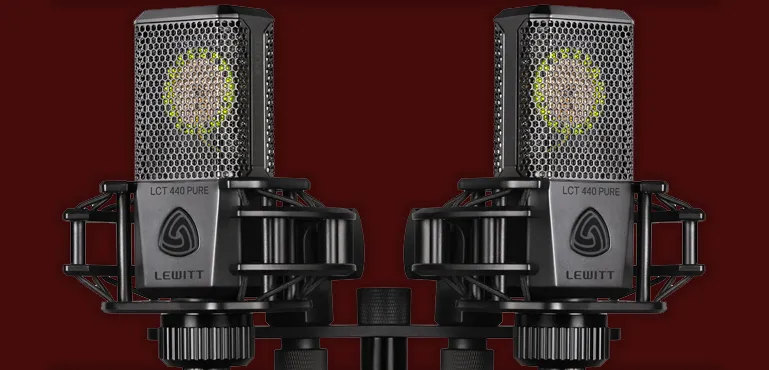
Lewitt LCT 440 Pure Stereo Pair Review: A Serious Budget Option for Drum Overheads and Stereo Recording
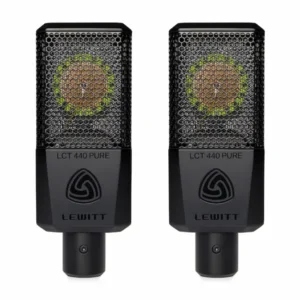
The Lewitt LCT 440 Pure Stereo Pair enters a part of the microphone market that is saturated with low-cost condensers marketed for “professional” recording but rarely engineered for critical stereo work.
That difference becomes obvious fast on drum overheads.
Many budget condensers sound acceptable on solo sources, then fall apart once stereo imaging, cymbal decay and phase consistency start affecting the mix. Harsh upper mids, unstable left-right balance and uneven transient response become far more noticeable after bus compression, saturation and mastering limiting.
That is the actual context behind Lewitt’s stereo release.
Instead of redesigning the LCT 440 Pure or adding DSP features, Lewitt focused on something more practical: a factory-matched stereo pair built for real recording applications including overheads, acoustic instruments, piano and room capture.
For mixing engineers, that matters because poorly matched microphones create downstream correction work that should not exist in the first place. Stereo image drift, asymmetrical EQ decisions, phase compensation and transient repair all slow down sessions once productions become dense.
The original LCT 440 Pure already established itself as one of the more reliable large-diaphragm condensers in the affordable studio category. Its reputation came less from marketing hype and more from consistent behavior during actual production work. The stereo version expands that positioning directly into stereo recording and hybrid mixing workflows.
Contents
- Why the LCT 440 Pure Became a Studio Workhorse
- What Makes the Stereo Pair Different
- Is It Good for Drum Overheads?
- Lewitt vs Rode NT5
- Best Real-World Uses
- Technical Specs That Actually Matter
- Where the Marketing Oversells Reality
- Professional Mixing Workflows
- Modern Audio Production Relevance
- Pricing and Market Position
- Final Verdict
- FAQ
Why the Lewitt LCT 440 Pure Became a Legitimate Studio Workhorse
 The original LCT 440 Pure gained traction for a simple reason: it avoided many of the tuning decisions that make budget condensers difficult to mix.
A large portion of the affordable microphone market is voiced for short demos rather than long production sessions. The result is usually predictable:
- Artificial top-end boost
- Overhyped “air” frequencies
- Sharp upper-midrange emphasis
- False detail created by brightness
- Weak off-axis response
Those microphones initially sound impressive, especially during isolated listening. Inside dense productions, the problems surface quickly. Cymbals become brittle after bus compression, vocals start fighting saturation stages and stereo recordings lose stability once mastering processing pushes upper harmonics forward.
The LCT 440 Pure approached things differently.
Instead of chasing vintage coloration or exaggerated modern brightness, Lewitt focused on controlled transient response, low self-noise and more balanced upper-mid behavior. In practical sessions, that made the microphone easier to place into finished mixes without excessive corrective EQ.
That is one of the main reasons engineers started using the LCT 440 Pure far beyond entry-level vocal recording.
Common real-world applications quickly expanded into:
- Drum overheads
- Acoustic guitar stereo recording
- Piano tracking
- Room microphones
- Percussion sessions
- Choir and ensemble capture
- Clean modern vocals
During overhead sessions especially, the microphone developed a reputation for staying controlled once heavy compression entered the chain. That matters because many low-cost condensers become noticeably harsher after parallel compression, tape saturation or mastering limiting.
The LCT 440 Pure generally holds together better under that kind of processing.
That reputation is what gives the stereo pair release actual relevance. Lewitt is not introducing an unknown platform into stereo recording. They are extending a microphone that already proved usable in demanding mixing environments.
What Actually Separates the Lewitt LCT 440 Pure Stereo Pair From Typical Budget Bundles
The important part of this release is not the stereo bar or the accessory package.
It is the capsule matching process.
According to Lewitt, every LCT 440 Pure undergoes individual sensitivity and frequency-response measurement before microphones are grouped into stereo pairs using automated analysis. That matters because stereo recording exposes microphone inconsistencies far more aggressively than single-source tracking.
On paper, small capsule differences may look insignificant. Inside real sessions, they become obvious quickly.
During drum overhead recording, poorly matched condensers often pull cymbal energy unevenly across the stereo field once bus compression starts reducing transient peaks. Piano recordings can develop unstable imaging during mastering limiting, while stereo acoustic guitars frequently lose center definition after widening or saturation processing.
Those are not niche engineering problems. They are common issues in affordable stereo recording setups.
Better matching reduces the amount of corrective work later in the chain:
- Less stereo image compensation
- Fewer asymmetrical EQ corrections
- Reduced phase alignment repair
- More stable center imaging
- Cleaner translation after mastering processing
That becomes increasingly relevant in modern audio production because streaming playback systems are less forgiving than many older monitoring environments. Loudness normalization, codec conversion and spatial enhancement processing tend to exaggerate stereo inconsistencies that might once have remained hidden.
In other words, stereo matching is no longer just a recording-stage concern. It directly affects how mixes survive real-world playback after compression, limiting and platform processing.
Is the Lewitt LCT 440 Pure Stereo Pair Actually Good for Drum Overheads?
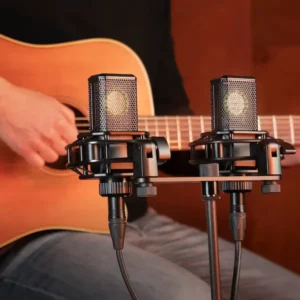 For many engineers, this is the main reason the stereo pair makes sense.
Affordable condensers often struggle with overhead recording because manufacturers tune them to sound “detailed” during quick demos instead of designing them for compressed full-range mixes. The result is familiar: harsh cymbals, smeared transients and top-end buildup that becomes difficult to control once the drum bus starts working hard.
A large percentage of budget overhead microphones rely on aggressive boosts in the 8kHz–12kHz range to simulate clarity. Soloed in isolation, that voicing can sound impressive. Inside dense productions, especially modern rock and metal sessions, it frequently turns cymbal energy into brittle high-frequency wash after saturation and limiting.
The LCT 440 Pure handles overhead duties with more restraint.
Its top-end response stays comparatively controlled once compression enters the chain, while the transient response remains fast enough to preserve stick definition and cymbal articulation. That balance is difficult to achieve in lower-priced condenser microphones.
In practical sessions, the microphone tends to maintain:
- Cleaner cymbal separation
- More stable stereo imaging
- Less upper-mid harshness after compression
- Better crash decay definition
- More consistent snare center positioning
That becomes especially useful in:
- Modern rock productions
- Metal drum tracking
- Indie live sessions
- Jazz overhead recording
- Hybrid acoustic/electronic arrangements
One area where the stereo pair performs particularly well is center image stability during aggressive drum bus processing. Many low-cost stereo sets begin drifting once parallel compression, tape saturation or mastering limiting start emphasizing cymbal sustain and room information.
The LCT 440 Pure generally holds the stereo field together more convincingly under those conditions.
That matters because overhead recordings are rarely judged raw. The real test starts later in production, once transient shaping, clipping, bus compression and mastering enhancement expose weaknesses in the microphones themselves.
Several budget condensers sound usable before processing. Far fewer survive the full production chain without becoming fatiguing.
The Lewitt stereo pair appears engineered with that reality in mind.
Lewitt LCT 440 Pure vs Rode NT5: Which Stereo Pair Works Better in Modern Mixes?
The Rode NT5 remains one of the most widely used stereo microphone pairs in project studios, particularly for drum overheads and acoustic instruments. Comparisons with the Lewitt LCT 440 Pure are unavoidable, but the two microphones solve stereo recording differently.
The NT5 leans toward classic small-diaphragm behavior: faster transient articulation, tighter imaging and a more forward sense of detail. That precision works well for acoustic instruments, percussion and cleaner room environments where engineers want maximum attack information.
But the same voicing can become unforgiving in dense modern productions.
On aggressive cymbal material or heavily compressed drum sessions, the NT5’s upper-mid presentation can push harsh frequencies forward faster than expected, especially after saturation, clipping or mastering limiting start accumulating harmonic energy.
The LCT 440 Pure approaches stereo recording from the opposite direction.
Its larger diaphragm presentation delivers slightly more body through the mids and a smoother top-end response that tends to stay more controlled once full mix processing begins. The microphone does not feel as surgically sharp as the NT5, but it often integrates into modern productions with less corrective work later.
In practical mixing environments, the difference usually looks like this:
- Rode NT5: faster, tighter, more analytical
- Lewitt LCT 440 Pure: fuller, smoother, easier to balance in dense mixes
That distinction becomes increasingly important during mastering-oriented workflows where long-term translation matters more than exaggerated transient detail.
Many microphones sound impressive before bus processing. Far fewer remain controlled after drum compression, stereo widening, limiting and codec conversion start reshaping the top end.
The LCT 440 Pure generally survives that transition with less brittleness.
There is also a room factor that matters here.
In untreated or semi-treated studios, highly analytical condensers tend to exaggerate ceiling reflections, cymbal splash and upper-mid buildup. The NT5 can expose those issues aggressively. The Lewitt pair is usually more forgiving without becoming dull.
That does not make the LCT 440 Pure “better” universally. Engineers prioritizing ultra-fast transient response and highly detailed stereo articulation may still prefer the NT5 approach.
But for modern rock, hybrid productions, compressed overhead workflows and mix-heavy sessions, the Lewitt pair arguably fits contemporary production chains more naturally.
Lewitt LCT 440 Pure vs Rode NT5 Comparison
| Feature | Lewitt LCT 440 Pure Stereo Pair | Rode NT5 Matched Pair |
|---|---|---|
| Microphone Type | Large-diaphragm condenser | Small-diaphragm condenser |
| Overall Tonality | Fuller mids, smoother top-end | Brighter, faster, more analytical |
| Drum Overheads | More controlled after compression | Sharper cymbal articulation |
| Stereo Imaging | Stable and forgiving in dense mixes | Tighter and more surgical |
| Room Sensitivity | More forgiving in untreated rooms | Reveals room reflections aggressively |
| Best Use Cases | Rock, metal, hybrid production, overheads | Acoustic detail, percussion, cleaner spaces |
| Mix Translation | Smoother after mastering processing | Can become aggressive in dense masters |
| Workflow Character | Mix-friendly and controlled | Detailed and highly revealing |
Best Real-World Uses for the Lewitt LCT 440 Pure Stereo Pair
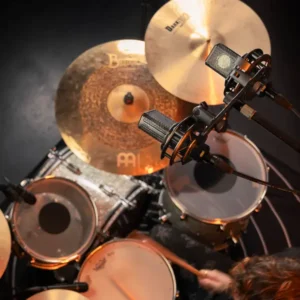 The biggest strength of the LCT 440 Pure stereo pair is versatility.
Many affordable stereo microphone kits end up becoming single-purpose tools that spend most of their life in storage after the initial purchase. The Lewitt pair makes more sense because it can realistically move between multiple recording tasks without feeling compromised in any one area.
Drum overheads remain the most obvious application. This is where the stereo matching process matters most. The microphones maintain solid center stability under drum bus compression while avoiding the brittle cymbal response that often makes budget condensers difficult to mix after saturation and mastering processing.
For acoustic guitar recording, the pair works particularly well in XY and ORTF setups where stereo image stability becomes critical. The top end stays comparatively controlled, which helps prevent aggressive pick attack and upper harmonic buildup from becoming fatiguing once the track is pushed forward in modern mixes.
The microphones also translate well on piano recording, especially in productions where engineers want clarity without exaggerated hammer attack. Many low-cost condensers overemphasize transient sharpness in the upper mids, making pianos feel smaller and more brittle during mastering. The LCT 440 Pure tends to preserve more body through the midrange.
As room microphones, the pair benefits from low self-noise and relatively balanced off-axis behavior. In practical sessions, that makes ambience capture feel more natural and less hyped, particularly in cinematic, indie and live-tracked productions where exaggerated room brightness quickly becomes distracting.
The microphones are also well suited for choir recording and ensemble capture. Instead of aggressively separating every transient, the stereo image remains cohesive enough to preserve natural group interaction. That characteristic becomes useful in recordings where realism matters more than hyper-detailed isolation.
One reason the stereo pair stands out in this price range is that it does not force engineers into highly specialized workflows. The microphones remain flexible enough for everyday studio use while still performing competently in more demanding stereo recording scenarios.
Which LCT 440 Pure Specifications Actually Matter in Real Sessions?
Most microphone spec sheets are loaded with numbers that look impressive but reveal very little about real-world performance. The LCT 440 Pure is different in a few important areas.
- Self-noise: 7dB(A)
- Max SPL: 140dB
- Dynamic range: 133dB(A)
- Frequency response: 20Hz–20kHz
The 7dB(A) self-noise is more relevant than it may initially appear. In heavily layered productions, room microphones and stereo ambience tracks often undergo aggressive compression, widening and harmonic enhancement later in the mix. Higher-noise condensers start exposing hiss and upper-frequency grain quickly under that kind of processing.
The LCT 440 Pure remains comparatively clean during those stages, which makes it more usable for quieter acoustic recordings, room capture and dynamic live sessions.
The 140dB SPL rating is equally important, particularly for overhead recording. Many budget condensers advertise high SPL handling but become unstable once transient density increases. Hard cymbal hits, loud snare bleed and aggressive percussion can push cheaper microphones into brittle upper-mid behavior long before actual clipping occurs.
The LCT 440 Pure generally maintains better composure under high transient load. During drum sessions, that translates into smoother cymbal decay, more controlled crash response and less high-frequency collapse after compression.
The 133dB dynamic range also contributes to why the microphone scales more effectively into professional workflows than many similarly priced condensers. Fast transient material retains more depth before processing starts flattening the signal.
None of these specifications guarantee great recordings on their own. Placement, room acoustics and source quality still dominate the result.
But in practical mixing environments, the LCT 440 Pure’s technical behavior explains why the microphone continues appearing in studios far beyond the typical entry-level market.
Where the Lewitt Marketing Pushes Things Too Far
 Lewitt describes the LCT 440 Pure stereo set as a “perfectly matched” pair. From an engineering standpoint, that wording should be taken carefully.
No condenser microphones are truly identical. Capsule tolerances, component variance, environmental conditions and long-term aging always introduce small differences between units. The important question is not whether the microphones are mathematically identical, but whether the matching remains tight enough to preserve stable stereo behavior once real processing begins.
That is where the LCT 440 Pure pair appears to perform well.
But there is another reality many stereo microphone buyers overlook: room acoustics usually create bigger stereo problems than the microphones themselves.
A matched pair will not solve:
- Untreated ceiling reflections
- Uneven sidewall reflections
- Poor overhead positioning
- Phase alignment mistakes
- Weak monitoring translation
- Low ceilings with aggressive cymbal splash
In smaller studios, room geometry often destabilizes stereo imaging long before capsule mismatch becomes the dominant issue. Engineers frequently blame microphones for problems actually caused by the recording environment.
There is also a tonal limitation worth understanding before buying the pair.
The LCT 440 Pure does not chase vintage-style coloration. Engineers looking for transformer saturation, tube softness or heavily textured harmonic behavior may find the microphone comparatively clean and controlled. It is designed more around transient stability and translation consistency than personality-driven coloration.
That can be either a strength or a weakness depending on the workflow.
For modern mixing environments where tracks pass through multiple stages of compression, clipping, saturation and mastering enhancement, cleaner source material often survives the production chain more predictably.
For engineers specifically chasing vintage tone shaping directly from the microphone stage, the LCT 440 Pure may feel too disciplined.
Can the Lewitt LCT 440 Pure Hold Up in Professional Mixing Workflows?
Yes — and this is where the microphone separates itself from a large portion of the budget condenser market.
The LCT 440 Pure does not behave like a microphone designed only for beginner demo sessions. It scales more effectively once productions become dense and processing-heavy.
That distinction matters because many affordable condensers are voiced to sound impressive immediately, then become difficult once real mix processing starts stacking together. Upper mids harden, cymbal transients become brittle and stereo recordings start feeling unstable after saturation, clipping and bus compression enter the chain.
The LCT 440 Pure generally stays more controlled under those conditions.
During full mixes, the microphone tends to preserve clarity without constantly forcing corrective EQ moves to remove harsh buildup or exaggerated transient sharpness. That saves time during both mixing and mastering because engineers spend less effort repairing source material that became aggressive during processing.
Its stereo behavior also remains comparatively stable once productions move into louder mastering territory. Some low-cost condensers begin collapsing spatial depth after limiting and codec conversion start emphasizing upper harmonics. The Lewitt pair usually translates more predictably through those stages.
That predictability is one of the reasons the microphone continues appearing in hybrid professional workflows instead of remaining trapped in the typical “entry-level” category.
Modern productions rarely stay clean. Tracks move through multiple nonlinear stages before release, especially once the mastering chain starts reshaping transients, stereo width and upper harmonic balance:
- Bus compression
- Parallel processing
- Tape saturation
- Clipping
- Stereo enhancement
- Mastering limiting
- Streaming codec conversion
Microphones that already contain exaggerated upper-mid hype tend to become harder and smaller during that process. The LCT 440 Pure’s more controlled voicing usually survives modern production chains with fewer unpleasant surprises.
That may not sound exciting in marketing language, but inside professional mixing sessions, consistency is often more valuable than exaggerated personality.
Why Stereo Recording Matters Again in Modern Audio Production
 Music production is shifting back toward real spatial recording.
For years, many mixes relied heavily on artificial widening plugins, mono-compatible sample libraries and synthetic stereo processing. That approach worked during the peak loudness-war era, but modern playback systems expose fake width more aggressively than older production chains did.
Streaming normalization, spatial audio processing and headphone-based listening have changed how stereo information translates. Artificial widening often collapses depth, destabilizes center imaging and creates phase issues once codec conversion and loudness management enter the signal path.
Natural stereo recording behaves differently.
Real stereo sources preserve front-to-back depth, transient spacing and ambient detail in ways that widening plugins still struggle to reproduce convincingly. That is one reason more producers are returning to stereo microphone techniques instead of relying entirely on synthetic imaging tools during mixing.
The trend is especially noticeable in:
- Indie productions
- Cinematic electronic music
- Jazz-influenced pop
- Atmos-oriented workflows
- Organic hybrid arrangements
- Live ensemble recording
- Acoustic-heavy productions
The LCT 440 Pure stereo pair fits directly into that production environment.
Instead of functioning as another marketing-driven “creator microphone,” the pair is designed around practical stereo capture where imaging consistency still affects the final mix long after recording is finished.
That becomes important during mastering as well. Stable stereo recordings generally survive limiting, codec conversion and spatial playback processing more naturally than aggressively widened mono sources, especially when the mix is already properly prepared for mastering before final processing begins.
In other words, the value of a matched stereo pair is no longer limited to the tracking stage. It directly affects how modern productions translate across streaming platforms, headphones and immersive playback systems.
Pricing and Market Position
The Lewitt LCT 440 Pure Stereo Pair is available now at £499 including VAT or €599 in Europe, placing it directly in the middle of the serious project studio market rather than the entry-level USB-style recording category.
That pricing matters because stereo recording setups usually become expensive quickly once proper matching, shock mounts and transport hardware are added separately.
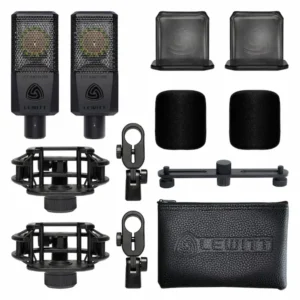
Lewitt’s approach is more aggressive than many competing stereo packages. Instead of treating capsule matching as a premium upsell, the company is positioning the stereo pair close to the cost of buying two standalone microphones while including:
- Stereo bar
- Shock mounts
- Magnetic pop filters
- Windscreens
- Protective transport hardware
That makes the package more competitive against common project studio options from Rode, Audio-Technica and sE Electronics, especially for engineers building practical stereo recording setups without moving into high-end boutique pricing.
Importantly, the LCT 440 Pure stereo pair is not priced low enough to feel disposable, but it also avoids the cost barrier that pushes many engineers away from professionally matched overhead systems.
Quick Take
- Excellent for drum overheads and stereo acoustic recording
- Smoother top-end than many budget condensers
- Strong stereo image stability after compression
- More forgiving in untreated rooms than highly analytical microphones
- Less colored than vintage-style condenser designs
- One of the more mix-friendly stereo pairs in its price range
Verdict
The Lewitt LCT 440 Pure Stereo Pair works because it prioritizes engineering discipline over marketing spectacle.
A large part of the affordable condenser market is built around exaggerated first impressions: hyped top end, artificial “detail,” vintage branding or influencer-driven tuning designed to stand out in short demos. Those microphones often become harder to manage once real production processing starts stacking together.
The LCT 440 Pure takes a more controlled approach.
Its strength is not personality-heavy coloration or oversized tonal character. The value comes from consistency — stable stereo imaging, controlled transient behavior and a top end that remains usable after compression, saturation and mastering limiting.
That makes the stereo pair particularly strong for drum overheads, acoustic recording and modern hybrid production where source material passes through multiple nonlinear stages before release.
More importantly, the microphones continue behaving predictably once mixes become dense. That alone separates them from a large percentage of low-cost condensers that initially sound exciting but become brittle and unstable deeper into the production chain.
The LCT 440 Pure stereo pair is not competing with elite high-end systems from Schoeps, DPA or flagship Austrian recording setups. Those microphones still operate on another level in terms of depth, realism and spatial precision.
But that comparison misses the actual market.
The real competition is the massive category of affordable stereo condensers currently targeting project studios, content creators and hybrid production rooms. Against those products, the Lewitt pair feels unusually focused, technically mature and built around practical long-term studio use instead of short-term marketing appeal.
For engineers looking for an affordable stereo setup that can survive serious mixing and mastering workflows without constantly needing corrective repair, the LCT 440 Pure stereo pair is one of the more convincing options currently available.
FAQ: Lewitt LCT 440 Pure Stereo Pair
Is the Lewitt LCT 440 Pure stereo pair good for home studios?
Yes, especially for producers building serious recording setups without moving into boutique microphone pricing. The pair performs well in project studios because its top end stays relatively controlled even in partially treated rooms.
Can the LCT 440 Pure stereo pair be used for mastering-oriented productions?
Indirectly, yes. Better stereo recordings reduce corrective work later during mastering. Stable imaging and smoother transient behavior generally survive limiting and codec conversion more naturally than aggressively hyped condensers.
Are large-diaphragm microphones good for drum overheads?
They can work extremely well when transient response remains controlled. Large-diaphragm condensers often deliver fuller cymbal body and more dimensional room information compared to sharper small-diaphragm designs.
Does the Lewitt LCT 440 Pure work well in untreated rooms?
No microphone truly fixes untreated acoustics, but the LCT 440 Pure is generally less aggressive in the upper mids than many analytical condensers. That can make room reflections feel less harsh during mixing.
What stereo recording techniques work best with the LCT 440 Pure pair?
XY, ORTF and spaced overhead configurations all work well depending on the source. ORTF tends to balance width and mono compatibility effectively for acoustic instruments and live drum sessions.
Is the Lewitt LCT 440 Pure better than the Rode NT5?
Not universally. The Rode NT5 delivers tighter transient detail and a more analytical presentation, while the Lewitt pair generally feels fuller and more forgiving in dense modern productions.
Can the LCT 440 Pure stereo pair handle loud sources?
Yes. With a rated maximum SPL of 140dB, the microphones are capable of handling aggressive drum overheads, percussion and louder acoustic sources without collapsing as quickly as many low-cost condensers.
Written by: Yurii Arifiev — mastering engineer and mixing specialist working with stereo translation, streaming optimization and modern production workflows.
Last updated: May 2026