
Stem Mastering Service — Extra Control for Dense Modern Mixes
Some mixes simply reach the limit of what stereo mastering can realistically control. The low end suddenly starts triggering the limiter harder than the rest of the mix, stacked vocals lose separation, or the chorus suddenly feels smaller once the track gets loud enough for release. Then the release goes live and the vocal suddenly feels pushed backward, the low end becomes unpredictable, or the chorus loses the weight it had inside the studio.
We hear this constantly in trap, EDM, modern pop, cinematic hybrid productions, and layered rock mixes where dense arrangements begin collapsing once louder mastering starts tightening the mix.
Stem mastering usually becomes relevant once certain parts of the mix stop reacting cleanly under release-level mastering pressure.
When Stereo Mastering Starts Losing Control
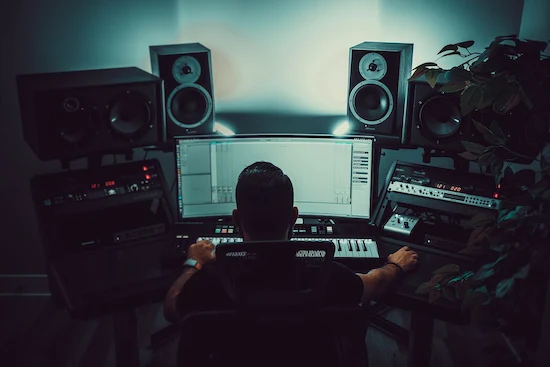 A lot of modern mixes sound powerful right up until the final limiter starts working hard. That is usually the moment where hidden balance problems begin surfacing all at once. The kick suddenly pushes the entire mix downward. Vocals lose definition every time the 808 hits. Cymbals that felt exciting inside the mix session become sharp and tiring after loudness increases another decibel or two.
This is usually the point where global stereo processing stops reacting cleanly to the mix. Stereo mastering still works extremely well for most professional releases. Most professional releases are still mastered perfectly well from a single stereo file. The problem appears when extremely dense productions force global processing decisions onto elements that actually need different treatment.
Imagine a modern trap production with layered synths, distorted bass harmonics, aggressive hi-hats, wide vocal stacks, and an 808 competing for headroom at the same time. Raising loudness globally may help the vocal feel more forward, but now the hats become brittle. Pulling harshness out of the top end softens the cymbals, but suddenly the entire mix loses energy. Tightening the low end can stabilize the limiter, yet now the chorus feels smaller than before.
Every adjustment starts affecting parts of the mix that were not originally causing the problem.
This is where stereo mastering often starts running out of precision. Not loudness itself. Control.
Dense productions are far more fragile than they look on the surface. Especially once they leave the studio and hit real-world playback systems. We regularly hear tracks where the low end feels balanced on monitors but collapses inside cars because the limiter reacts differently once heavy sub frequencies begin accumulating under louder playback conditions. In other cases, upper mids around vocal presence become exhausting after upload compression adds extra edge to already aggressive cymbals or synth layers.
And this gets exposed even faster once the track leaves the studio. Different playback systems expose different weaknesses once the limiter starts reacting aggressively under release-level conditions. Small balance problems often become far more obvious once the master leaves the studio and hits compressed playback environments. A mix that barely survives limiting in the studio can become unstable surprisingly fast after distribution. We break down several of these playback behaviors further in our Spotify and Apple Music mastering analyses.
If the low end already fights the vocal, louder mastering simply makes the conflict more obvious. If harsh upper mids already sit on the edge of fatigue, extra density pushes them over the line. These kinds of low-frequency collisions become especially destructive in difficult bass-heavy masters once global mastering compression starts tightening the mix too aggressively, while aggressive upper frequencies often become exaggerated in harsh upper-mid mastering problems that only fully appear after release-level limiting.
Stem mastering becomes useful precisely here. Not because the mix needs a full rebuild, but because some elements need independent control before the final master starts reacting inconsistently outside controlled studio monitoring. In some projects, simply separating the vocals from the instrumental groups already creates enough additional control. In some projects the low end starts destabilizing the limiter response. In others, wide synth layers quietly soften drum impact long before the problem becomes obvious during mastering.
This has become far more common over the last several years. Many current releases arrive already sitting close to their stability limit before mastering even begins. Small weaknesses that once stayed hidden inside stereo mastering now show up almost immediately after release. A lot of artists only notice these problems after hearing the release outside controlled studio monitoring. Small balance shifts like these often stay unnoticed until the release reaches real-world playback systems — a pattern we see constantly in difficult mastering translation problems discovered only after distribution.
Stem Mastering vs Stereo Mastering
A lot of artists assume stem mastering automatically means “higher quality mastering.” That is not really how it works in practice.
Stereo mastering is still the standard for most professional releases. In fact, many mixes sound stronger when left intact and processed as a complete stereo file. If the balance is already controlled, the dynamics feel stable, and the low end translates naturally across playback systems, stem mastering may add unnecessary complexity instead of improving the result.
We regularly receive projects where stereo mastering works perfectly on the first pass. Well-built arrangements with controlled dynamics often respond beautifully to traditional mastering processing because the mix itself already behaves as a cohesive unit. Clean acoustic productions, simpler singer-songwriter arrangements, less aggressive indie releases, and many well-balanced pop tracks usually fall into this category.
Problems begin when modern productions stop behaving like one cohesive stereo picture.
That happens more often with dense sessions where different parts of the mix compete for headroom in completely different ways. The limiter may react aggressively to sub energy while vocals still feel too quiet. Wide synth layers can soften drum impact without sounding obviously loud themselves. Bright percussion may trigger harshness during loud passages even though the rest of the mix still feels controlled.
At that point, stereo mastering starts forcing compromise decisions.
| Stereo Mastering | Stem Mastering |
|---|---|
| Processes the full mix as one stereo file | Processes grouped elements separately before final mastering |
| Faster workflow with fewer moving parts | More flexible workflow for dense productions |
| Works extremely well for balanced mixes | Useful when different mix elements need independent control |
| Global EQ and dynamics affect the entire track equally | Allows targeted low-end, vocal, or instrument adjustments |
| Lower risk of changing mix relationships | Requires careful handling to preserve mix cohesion |
| Usually enough for simpler or cleaner arrangements | More helpful for aggressive, layered, modern productions |
| Limited flexibility once loudness issues appear | Offers more control when limiting exposes balance problems |
The bigger issue is whether the track still holds together once listeners hear it outside controlled monitoring.
For example, a modern EDM production may already sound massive before mastering even begins. Then the final limiter starts tightening the track and suddenly the synth wall pushes the kick backward every time the chorus opens up. Pulling back the synth energy globally weakens the excitement of the drop. Leaving it untouched overloads smaller speakers and earbuds.
This is usually the point where stereo mastering starts running out of precision. Not because the mix failed, but because modern arrangements sometimes need more targeted control than stereo processing alone can provide.
The same thing happens with certain trap and hip-hop releases. An 808 may feel perfectly balanced on studio monitors while quietly overpowering vocal intelligibility on phones and Bluetooth speakers after louder playback starts changing how the limiter reacts to the mix. In stereo mastering, correcting that interaction affects the entire track at once. Stem mastering allows more precise control over the low-end behavior without flattening the vocal energy or shrinking the instrumental width.
This also explains why stem mastering should never replace proper mixing decisions. If the vocal balance constantly changes from section to section or the arrangement itself is overcrowded, mastering cannot fully repair that — especially in productions where the arrangement itself already feels overcrowded before mastering even begins, a boundary that often gets confused between mixing and mastering.
Another thing artists often underestimate is workflow complexity. Stem mastering introduces more flexibility, but it also creates more variables. Poor stem exports can create level inconsistencies, phase shifts, or tonal imbalance before mastering even starts — especially in poorly prepared mastering sessions where the export structure itself already introduces instability.
Sometimes the smartest decision is still stereo mastering.
That may sound counterintuitive coming from a studio offering stem mastering services, but forcing stem workflows onto every project usually creates unnecessary revisions and overprocessing. Different productions simply break in different ways once mastering pressure increases. Some releases genuinely need additional control. Others already translate beautifully as a stereo file and simply need careful final enhancement.
That evaluation stage matters more than people think. In many cases, artists request stem mastering because they hear a translation problem but are not completely sure where the issue actually comes from. Our pre-mastering feedback service often helps identify whether the track truly needs stem-level processing or whether the stereo mix itself already contains enough control for a clean final master.
Productions That Benefit Most from Stem Mastering
 Not every mix needs stem mastering. But some modern productions almost announce it the moment they hit the limiter.
Usually the pattern is easy to recognize. The low end feels huge but unstable. Vocals sound exciting in the studio yet disappear slightly inside the car. The chorus opens up wide, then suddenly loses punch once the track reaches release loudness. Sometimes the master feels clean at moderate playback levels but starts collapsing when streamed through earbuds or smaller Bluetooth speakers.
Most modern releases leave very little room for broad stereo correction once the limiter starts reacting aggressively.
Trap is one of the clearest examples.
Modern trap productions often combine deep sustained 808s, distorted harmonics, aggressive transient shaping, stacked ad-libs, wide atmospheric layers, and bright percussion all fighting inside a relatively small amount of available headroom. The mix may already sound “finished” before mastering even starts, which leaves very little room for global stereo processing to solve conflicts cleanly — a problem that becomes especially noticeable in aggressive trap productions once sustained 808 energy starts competing against vocal clarity during final limiting.
EDM creates a different type of problem. Here the issue is usually density and movement happening simultaneously. Large synth stacks, sidechain interaction, wide stereo effects, layered drops, and aggressive loudness targets can make the mix feel explosive inside the studio while quietly making the mix less stable outside controlled studio monitoring. One limiter move can flatten the impact of an entire drop if the synth energy starts triggering gain reduction unevenly across the track. We see this constantly in dense EDM releases where stereo processing alone starts limiting how far the master can be pushed cleanly.
Cinematic hybrid productions create another challenge entirely. Massive percussion layers, orchestral elements, sub impacts, distorted textures, and wide ambient spaces often occupy nearly every part of the frequency spectrum at once. These mixes can sound incredible in a treated room while becoming muddy surprisingly fast on TVs, laptops, and smaller consumer systems where low-end control behaves very differently.
Layered rock productions have evolved too. Modern rock masters are no longer just guitars, bass, and drums. Many releases now include parallel distortion layers, vocal stacks, triggered drums, cinematic ambience, synth reinforcement, and heavily saturated buses all competing during mastering. Once the upper mids become crowded, stereo processing can start softening attack and reducing separation faster than expected — a problem we regularly hear in heavily layered modern rock productions once aggressive upper mids start competing during final limiting.
Stem mastering became more relevant once modern productions started reaching streaming platforms with far less margin for global correction. The same master can suddenly behave very differently once it moves from studio monitors to cars, earbuds, TVs, and compressed streaming playback. Dense productions that barely stay controlled during mastering can become noticeably less stable once distributed across real-world playback environments. That is why stem mastering has become more relevant over the last several years — not because engineers suddenly wanted more complicated workflows, but because modern productions and streaming playback chains became far less forgiving.
Not every mix actually needs stem mastering
Some tracks translate perfectly as a stereo master. Others start losing punch, vocal clarity, or low-end stability once release-level processing begins. The fastest way to understand which category your mix falls into is hearing it under real mastering conditions. Send your track for a free demo master (up to 30 seconds) and we’ll evaluate whether stem mastering would genuinely improve how the mix holds together outside the studio or simply add unnecessary complexity.
Manual mastering by a real engineer. No AI processing chains or automated presets.
What Can Actually Be Improved During Stem Mastering
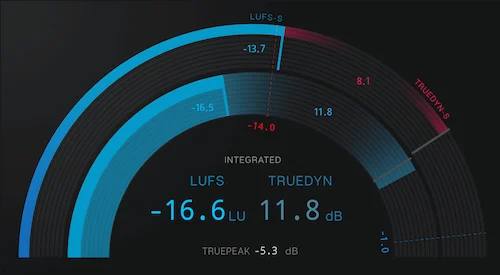 One of the biggest misconceptions around stem mastering is the idea that it can magically “fix the mix.” It cannot.
If the arrangement is overcrowded, the vocal is wildly inconsistent, the kick and bass fundamentally fight each other, or important elements were already buried during mixing, stem mastering will not completely rebuild the production. At that point, the project usually needs mix revision work — not more mastering flexibility.
A lot of disappointment around stem mastering starts with unrealistic expectations about what mastering can actually repair.
What stem mastering actually does well is create controlled flexibility in areas where stereo mastering becomes too global. Instead of processing the entire mix as one locked object, separate stem groups allow more focused interaction between specific elements before the final stereo master is shaped.
Low-end behavior is usually where these problems become obvious first.
We regularly hear mixes where the sub energy feels perfectly controlled until the final limiter reaches the last 1–2 dB of gain reduction. Suddenly the vocal starts dipping slightly every time the kick and bass overlap during louder sections. Artists often think the vocal itself dropped in level. In reality, the limiter simply started reacting differently once the low end got denser. Inside the mix session the issue can be almost invisible. After release, it becomes obvious within seconds on earbuds and car playback.
A lot of these problems only appear once the limiter starts shaving transient peaks aggressively enough that different elements begin fighting for the same remaining headroom.
Current mixes often arrive with far more sustained sub energy than traditional stereo mastering workflows were originally designed around.
Sustained 808s, layered bass harmonics, parallel saturation, and heavy limiter interaction can create difficult low-end behavior.
The bass may feel stable on studio monitors yet become inconsistent almost everywhere else. In some playback environments the bass suddenly becomes oversized, while in others the limiter begins reacting unpredictably once louder playback conditions start reshaping the balance.
Stem mastering allows tighter management of how the low-end energy interacts with the rest of the mix before final limiting affects the entire stereo image globally. That does not mean rewriting the bass arrangement or remixing the song. It means controlling how different energy zones behave together once the master reaches competitive release levels.
Vocal clarity is another area where stem mastering can help significantly — especially in dense modern productions. We regularly hear mixes where the vocal technically sounds loud enough in isolation, but begins losing intelligibility once aggressive synth layers, distorted guitars, stacked harmonies, or bright percussion start competing during mastering compression.
A stereo master can only react to the combined picture. Small adjustments made to help the vocal often affect the entire production simultaneously. Stem-level control creates room to stabilize vocal presence without flattening the excitement of the instrumental around it.
Sometimes the vocal itself is not actually too quiet. The problem is that the limiter starts reacting to low-end peaks first, which subtly changes how the vocal sits once the chorus gets louder.
That becomes especially valuable once the track leaves the studio. Earbuds, phones, cars, laptops, and streaming codecs all exaggerate masking problems differently. A vocal sitting perfectly inside a treated room can quietly disappear in everyday playback environments if the surrounding mix density becomes too aggressive during release-level processing. Sometimes the problem only becomes obvious after hearing the release at low volume inside the car. Inside the studio the same section may still sound completely controlled.
Harshness management is another area where stem mastering often outperforms traditional stereo workflows. Not because it removes harshness completely, but because it allows more selective control over where aggressive upper mids are actually coming from.
For example, some tracks only become tiring once bright cymbals, distorted synth layers, and heavily saturated vocals start stacking together during final loudness processing. Pulling back the entire stereo image can soften the harshness, but it may also remove excitement and clarity from elements that were not actually causing the fatigue.
Selective control matters most once different layers begin competing under final loudness processing.
The challenge is keeping the energy aggressive without making the master tiring after repeated playback. The goal is preserving energy while preventing certain frequency areas from collapsing once the master becomes louder and more compressed after the release starts moving through aggressive real-world playback environments. Release-level limiting often exposes harshness that originally seemed controlled during production — especially in distorted modern masters where aggressive upper mids keep building as loudness increases.
Punch preservation works the same way. Dense modern mixes often lose impact not because they lack loudness, but because too many elements start triggering dynamics processing at the same time. One synth layer may quietly reduce drum punch across the entire chorus. A sustained low-end layer may force the limiter to clamp down harder than expected every few beats. Stereo mastering can only manage those interactions globally.
Stem mastering creates more room to preserve movement inside the master before the final stereo stage locks everything together.
Stereo stability also improves in certain projects. Extremely wide productions sometimes become unstable after codec conversion or aggressive limiting because important center information competes against oversized side energy. Small stem-level adjustments can help maintain width without letting the stereo image feel hollow or disconnected on headphones and smaller playback systems.
But there are still limits to what stem mastering can realistically solve.
Stem mastering is not surgical mix repair. It cannot replace proper balancing decisions, arrangement clarity, or intelligent production choices. If the mix already collapses before mastering begins, no amount of stem processing will fully rescue it. Our bad mastering diagnosis guide and muddy mastering breakdown cover several situations where the actual problem starts much earlier during production and mixing.
The strongest stem mastering results usually happen when the mix is already good — but modern playback conditions expose limitations that stereo processing alone cannot fully control anymore. That is the difference.
Stem mastering simply creates more room to control difficult interactions before the final stereo master locks everything together.
It does not replace mixing. It does not rebuild arrangements. It does not reinvent the production.
What it does offer is more precise interaction between important groups before final loudness, dynamics, and real-world playback behavior lock the master into its finished form.
And honestly, that extra control matters far more today than it did a decade ago. Modern releases operate under extreme density, aggressive loudness expectations, and unpredictable streaming playback conditions. Many mixes still translate perfectly through stereo mastering alone. Others start tightening up too aggressively once loudness and playback pressure increase. We break down this loudness problem that becomes extremely common in heavily limited clipped modern masters once dense productions start competing for the same headroom.
Why Stem Mastering Matters More in Streaming-Era Playback
Stem mastering became far more common once modern releases started carrying too much density for broad stereo processing to control cleanly.
Modern releases often collapse in small playback systems long before the problem becomes obvious inside the studio. A dense chorus may feel controlled on monitors yet lose punch on earbuds, while aggressive low end can suddenly dominate inside cars once louder playback conditions start changing how the limiter responds to the mix.
Dense productions often stay surprisingly stable inside the studio right up until aggressive playback compression and normalization begin reshaping the balance after release.
We regularly hear this on aggressive streaming-oriented releases where the chorus feels balanced in the studio but turns noticeably flatter once the platform processing chain starts reducing transient movement.
In many projects the issue only becomes obvious after release. A vocal that felt perfectly centered inside the studio starts losing intelligibility in the car because the low-end energy reacts differently after streaming conversion. Other times the issue becomes obvious immediately — harsh cymbals suddenly dominate phone playback, or the entire chorus feels flatter after platform normalization reduces perceived impact.
Even when the loudness reduction itself is relatively controlled, the surrounding codec behavior and playback conditions still affect how the master translates in the real world — a playback problem that became far more common across modern streaming releases over the last several years.
A stereo master only allows global reactions. If the limiter starts clamping down every time the low end expands, the entire mix responds together. If upper-mid harshness begins building during louder sections, the whole stereo image gets affected when trying to control it.
Stem mastering creates more room to stabilize difficult parts of the mix before the full master starts getting pushed too hard. Low-end behavior can be stabilized without flattening the vocal. Vocal clarity can remain more consistent without reducing the energy of the instrumental around it. Wide synth layers can stay large while still preserving center stability on headphones and smaller speakers.
The real test starts once the track leaves controlled monitoring environments.
If the balance falls apart outside the studio, the listener does not care how good it sounded during mastering.
A dense stereo master that already sits near its stability limit can become surprisingly harsh or thin once important balance relationships shift on small speakers.
Cars remain one of the biggest stress tests of all. Sustained sub energy that feels controlled in the studio can suddenly dominate the entire playback environment once cabin resonance starts interacting with aggressive low-end mastering. This is where stem-level low-frequency control often becomes far more valuable than simply pushing additional loudness.
Streaming codecs also tend to expose weak mix relationships faster in dense productions. Hyper-compressed masters with unstable dynamics often lose depth more aggressively after upload processing. Wide ambient layers can become smeared. Harsh transients may feel sharper. Low-end movement may become less controlled. These playback shifts become especially noticeable after upload processing on platforms like YouTube, Apple Music, and SoundCloud, where dense masters often react very differently outside the studio.
Dense streaming-oriented mixes leave far less room for global stereo correction once the master reaches competitive release levels. Stem mastering simply creates more room to stabilize complex productions before those playback systems start pulling the master apart in different directions.
How Our Studio Handles Stem Mastering
The first thing we evaluate is whether the track actually needs stem mastering at all.
That sounds obvious, but many projects arrive labeled as “stem mastering” simply because something feels unstable during playback. Sometimes the issue genuinely requires additional control between groups. Other times the stereo mix already contains enough balance and flexibility for a cleaner result without opening stems unnecessarily.
We do not approach stem mastering as an automatic premium upgrade. The workflow only makes sense when the production itself benefits from more targeted control before final mastering locks the track into its finished form.
A large part of the process is identifying whether the problem actually requires stem-level intervention in the first place.
For example, some mixes already feel cohesive and controlled but begin collapsing slightly once loudness increases. In those cases, small stem-level adjustments may stabilize the low end or preserve vocal clarity without changing the overall character of the production. Other projects arrive with problems that actually belong to the mix itself — overcrowded arrangements, inconsistent vocal balances, conflicting instrumentation, or unstable tonal decisions. Stem mastering cannot fully repair those situations, and pretending otherwise usually leads to overprocessed results.
Our workflow focuses on preserving the integrity of the original mix first.
That means avoiding unnecessary processing whenever possible. Modern productions already move through aggressive playback chains before listeners ever hear them. Phones, earbuds, Bluetooth speakers, cars, TVs — every playback environment stresses dense masters differently once the release leaves the studio. Overprocessing during mastering often creates more long-term playback problems instead of solving them.
This is one reason we avoid forcing every track into the same mastering approach. Some mixes struggle with low-end pressure pushing against the vocal. Others only start falling apart once the chorus hits full loudness. Some only require subtle low-end management before the stereo master starts translating consistently across real-world playback systems.
The real issue usually only shows up once the limiter starts pushing the mix harder.
In some projects we only request 2–3 stem groups because the stereo mix already holds together well. In others, separating vocals and low-end elements immediately reveals why the limiter keeps collapsing the balance once the track reaches commercial loudness. We recently worked on a mix where the chorus sounded huge in the studio, yet the vocal almost disappeared inside the car every time the 808 sustained under the hook. In some projects the issue only becomes obvious once the chorus hits full limiter pressure, which is why artists sometimes approve the mix but still feel disappointed after release.
That is also why every project receives manual review before processing begins. No automated chain can reliably determine whether the limiter is reacting to unstable sub energy, harsh upper mids, stereo congestion, or arrangement density problems. Those decisions require context. Genre matters. Playback goals matter. The way the track holds together after release matters.
A lot of current mixes already arrive heavily saturated, clipped, and partially limited before mastering even begins. Once that happens, mastering decisions become far less predictable.
A dense trap record targeting aggressive loudness behaves differently than a cinematic hybrid production built around wide dynamic movement. Modern pop releases often require extremely careful vocal stability across phones and earbuds. Layered rock productions may need tighter upper-mid control to prevent fatigue after streaming conversion. The workflow has to adapt to the production itself rather than forcing the production into a fixed mastering template.
This is also why client feedback during mastering matters more than many artists expect.
Sometimes clients describe a problem as “not loud enough” when the real issue is that the mix behaves differently from one playback system to another. Other times they hear harshness on streaming platforms but the underlying cause is actually low-end pressure triggering unstable limiter behavior. A lot of these translation problems become easier to identify during pre-mastering feedback analysis before unnecessary processing creates larger issues later.
We also offer free demo mastering because hearing the track under real mastering conditions is usually more useful than discussing theory. Some projects immediately reveal that stereo mastering is fully sufficient. Others clearly benefit from stem-level flexibility once the track starts getting pushed harder during mastering and streaming playback conditions.
More processing does not automatically create a better master.
The priority is keeping the mix emotionally intact while making sure it still holds together after release.
That same playback-first philosophy carries through all of our mastering sessions for modern releases, whether the project needs traditional stereo mastering or more advanced stem-level control. For artists working under deadlines, our fast turnaround mastering workflow also keeps communication and revision decisions efficient without rushing the actual mastering process itself.
And importantly, stem mastering is not automatically the more expensive or “better” option. Sometimes it is simply the more appropriate workflow for a specific production problem. Our mastering pricing page explains how different project types and delivery requirements affect mastering decisions without turning the process into a confusing upsell system.
Stem Mastering FAQ
When is stem mastering actually necessary?
Stem mastering usually becomes useful once stereo processing starts forcing compromise decisions between loudness, clarity, low-end control, and playback stability. That often happens in dense productions where global stereo processing no longer reacts cleanly to every part of the mix at the same time.
Can stem mastering fix a bad mix?
Not completely. Stem mastering creates more control between groups, but it does not replace proper mixing decisions. If the vocal balance constantly changes, the arrangement is overcrowded, or important elements already conflict heavily inside the mix, those issues usually need correction before mastering. Our mastering problem diagnosis guide explains where mastering flexibility stops and actual mix repair begins.
Can stem mastering help reduce playback inconsistencies across streaming platforms?
In many modern productions, yes. Stem-level control often helps stabilize low-end movement, vocal clarity, and limiter behavior before the final master reaches Spotify, Apple Music, YouTube, and other streaming platforms. In most cases the improvement is not raw loudness. It is keeping the mix from falling apart once the release hits real streaming playback conditions.
How many stems should be exported for stem mastering?
Most projects work best with a small number of practical stem groups rather than dozens of isolated exports. Common examples include drums, bass, vocals, music, FX, or instrumental groups. Overcomplicated stem structures often create workflow problems without improving the final master.
Is stereo mastering still enough for professional releases?
Yes — most professional releases are still mastered directly from stereo mixes. Stem mastering only becomes useful when playback translation or limiter behavior becomes difficult to control globally.
Why do some masters lose punch after loudness increases?
In dense productions, loudness itself is often not the real issue. The problem usually starts when too many elements begin triggering the limiter at the same time. Stem mastering can sometimes preserve movement more effectively because certain groups can be controlled independently before the final stereo stage reacts globally.
Hear the mix before release-level processing locks everything together
Some mixes hold together perfectly during stereo mastering. Others start losing punch, vocal clarity, or low-end stability the moment loudness and streaming playback enter the picture. Before committing to a full release, hear how your track actually behaves under real stem mastering conditions. Send your song for a free demo master and get a professional evaluation based on real-world playback behavior — not presets, automated chains, or generic loudness processing.
Real engineer review. Fast turnaround. Built for modern streaming playback.